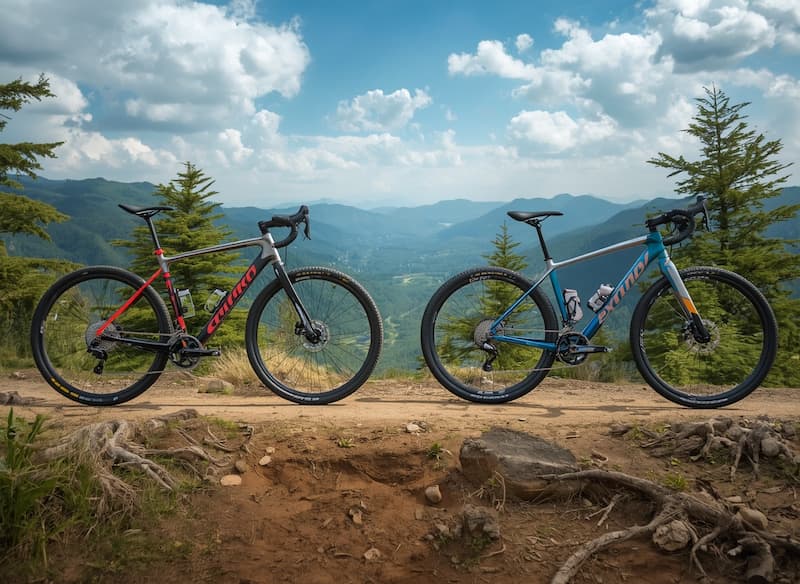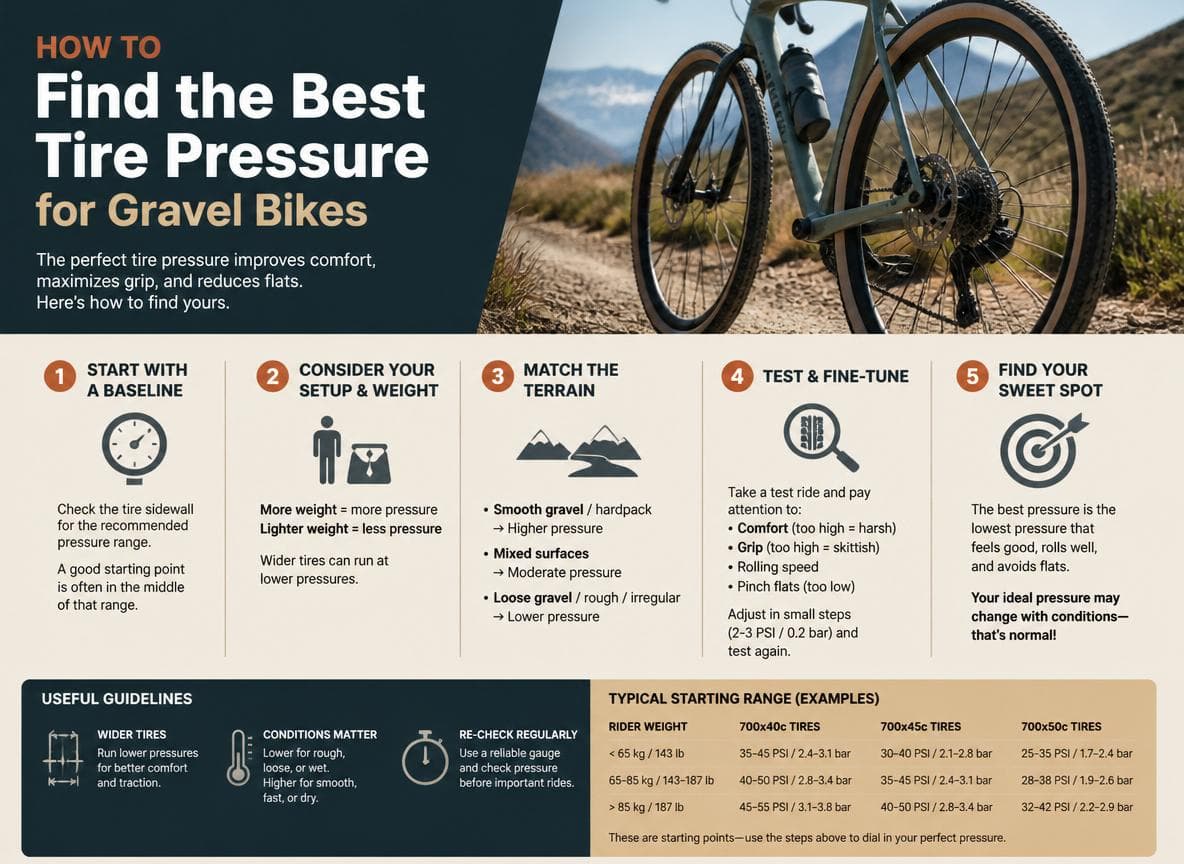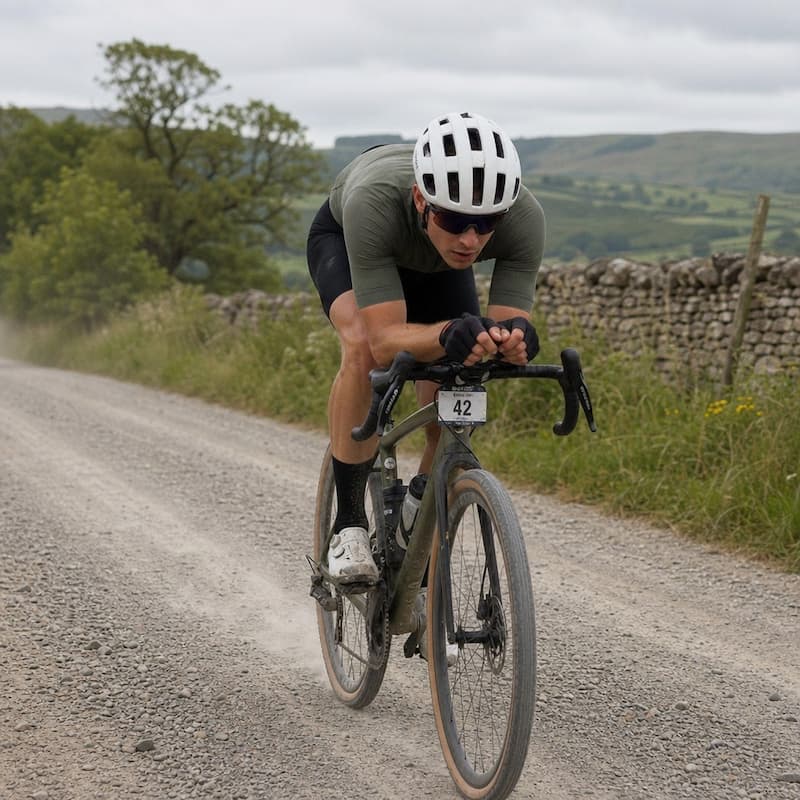

A kit cadre gravel, or gravel frameset, is the starting point for building a custom gravel bike. Instead of buying a complete bike, you choose the frame and fork first, then select the groupset, wheels, tires, cockpit and finishing parts that match your riding style.
This approach is useful for riders who want better control over fit, tire clearance, component choice and budget. It is also useful for bike shops and brands planning custom or OEM gravel bike builds. If you are comparing current options, start with the Mondince carbon gravel bike frame collection.
What Is a Kit Cadre Gravel?
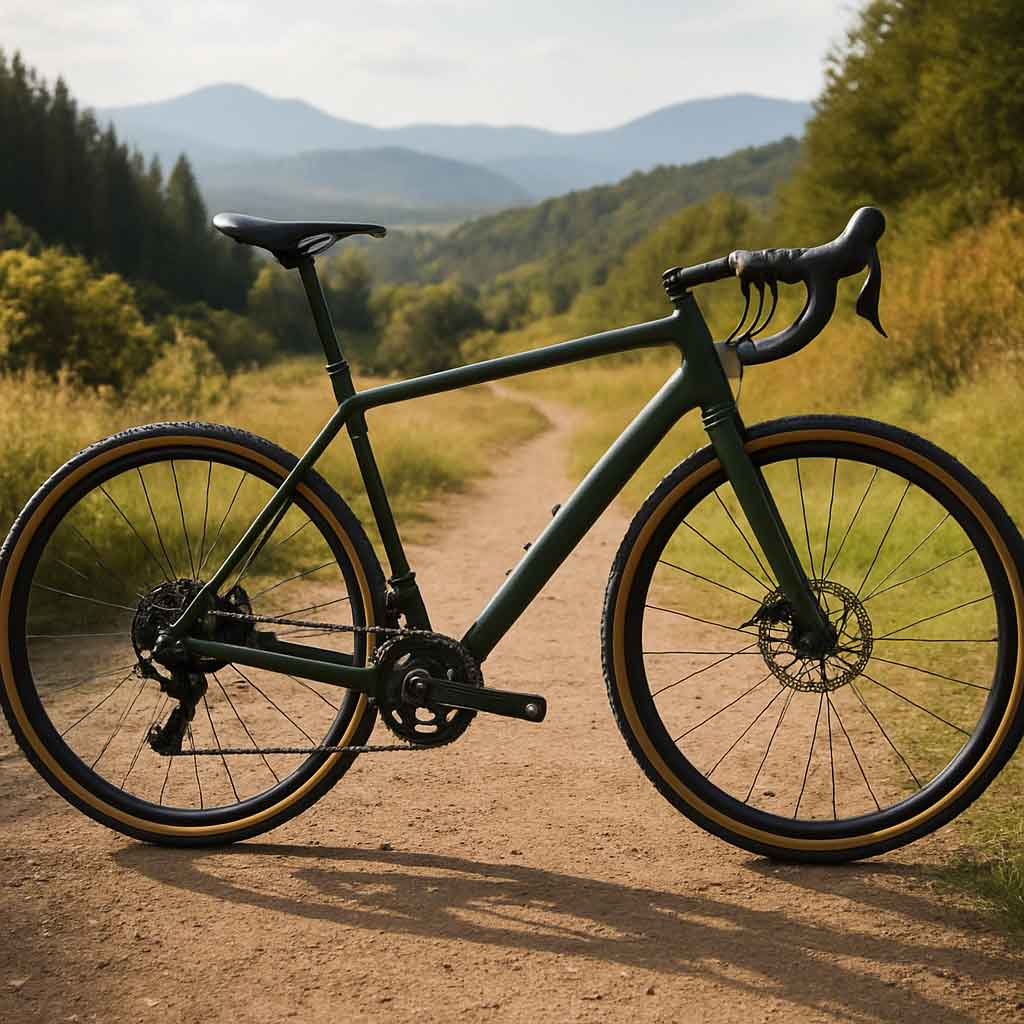
"Kit cadre gravel" is a French term often used for a gravel frameset. It usually includes the frame and fork, and may also include the headset, seatpost, thru-axles, derailleur hanger and small hardware. In English, the closest term is "gravel bike frameset."
Choosing the right frameset matters because it determines geometry, tire clearance, weight, bottom bracket type, brake standard, cable routing, storage options and long-term upgrade potential.
Cadre Gravel Carbone vs Cadre Gravel Alu
The most common gravel frame materials are carbon fiber and aluminum. Both can work well, but they suit different riders and budgets.
| Material | Strengths | Trade-Offs | Best For |
|---|---|---|---|
| Cadre gravel carbone | Lower weight, tuned stiffness, vibration damping, clean shaping and integration. | Higher cost and requires careful torque and damage inspection. | Performance gravel, bikepacking, custom builds and OEM projects. |
| Cadre gravel alu | Affordable, durable and practical for entry-level builds. | Usually heavier and less tunable than carbon. | Budget builds, commuting and riders who prioritize low initial cost. |
What to Check Before Choosing a Gravel Frameset
A good gravel frameset should match your riding style and component plan. Before buying, check these specifications carefully:
- Tire clearance: Wider clearance gives more comfort and traction for rough gravel.
- Geometry: Stack, reach, head angle and wheelbase affect stability and comfort.
- Bottom bracket: T47 is popular for modern carbon gravel frames because it is serviceable and quiet.
- Brake mount: Flat-mount disc brakes are common on modern gravel frames.
- Axle standard: Most modern gravel frames use 12x100mm front and 12x142mm rear thru-axles.
- UDH compatibility: Useful for derailleur hanger availability and future drivetrain support.
- Mounting points: Important for bottles, bags, fenders and bikepacking gear.
- Internal storage: Helpful for tools, tubes and small essentials.
Recommended Mondince Carbon Gravel Framesets
Instead of focusing only on competitor complete bikes, it is more useful to compare gravel framesets by use case. Mondince offers several carbon gravel frames for different riding styles.
| Model | Best For | Key Features |
|---|---|---|
| FM296 | Fast mixed-surface riding. | Lightweight carbon gravel platform with 45mm class tire clearance. |
| FM316 | Adventure gravel and all-day rides. | Aero shaping, T47 and integrated storage. |
| FM326 | Bikepacking and rough gravel. | Larger storage capacity, adventure geometry and 50mm class clearance. |
| FM376 | All-terrain gravel and larger tire setups. | 57mm tire clearance, UDH, T47 and all-terrain design. |
Carbon or Aluminum: Which Should You Choose?
Choose a carbon gravel frameset if you want lower weight, better vibration damping, cleaner integration and a more refined platform for long-term upgrades. Carbon is especially attractive for riders who care about performance, comfort and custom paint or OEM projects.
Choose an aluminum gravel frame if your main priority is low initial cost. Aluminum is practical, strong and affordable, but it usually gives up some weight savings, comfort tuning and integration compared with carbon.
How to Build Around a Gravel Frameset
After choosing the frame, plan the rest of the build around your terrain and budget.
- Groupset: Choose gearing that supports climbs, loaded riding and mixed terrain.
- Wheels: Pick strong rims with the right internal width for your tire size.
- Tires: Choose 40-45mm for faster gravel, 47-50mm for adventure riding, or larger clearance for all-terrain routes.
- Cockpit: Match stem length and bar width to comfort and control.
- Bags and mounts: Choose a frame with enough bottle, top tube and fork mounts if you bikepack.
For tire clearance decisions, read our gravel frame tire clearance guide. For internal storage, see gravel frames with internal storage for bikepacking.
Maintenance Tips for Gravel Frames

Gravel bikes collect more dust, mud and small stones than road bikes. Regular maintenance helps protect the frame and components.
- Clean the frame after dusty or muddy rides.
- Check tire pressure before every ride.
- Inspect the chain, cassette and derailleur after rough routes.
- Use a torque wrench on carbon seatposts, stems and cockpit parts.
- Inspect the frame after crashes, rock strikes or transport damage.
Final Thoughts
A kit cadre gravel gives you more control over the final bike than a standard complete bike. By choosing the frameset first, you can build around your preferred terrain, tire size, fit, groupset and budget.
If you want a lightweight and upgrade-friendly cadre gravel carbone, compare the Mondince carbon gravel bike frame collection. For custom paint, OEM orders or frame selection support, contact Mondince.