
The gravel biking scene has evolved from a niche subculture into the cycling industry's most dynamic powerhouse. As riders push the boundaries of off-road exploration and ultra-endurance racing, frame builders are responding with unprecedented innovation. Whether you are aiming for a podium finish at Unbound or planning a multi-day backcountry expedition, staying informed on the latest tech is crucial.
To help you navigate these rapid changes, we have distilled the core findings from the highly anticipated 2026 Gravel Bike Frame Industry Trends Report. Let’s dive into the materials, geometry, and design integrations that will define the next generation of gravel riding.

Material Innovations: Sustainability Meets Ultimate Performance
The conversation around bike materials used to start and end with weight and stiffness. Today, the focus has broadened to include environmental impact and ultra-customization.
The Rise of Eco-Conscious Manufacturing
The cycling industry is finally reckoning with its carbon footprint. In 2026, the push for sustainable bike frame manufacturing materials is no longer just a marketing gimmick—it is a functional reality. Manufacturers are successfully implementing bio-based resins in performance cycling frames, replacing toxic epoxies without sacrificing the structural integrity required for rugged terrain.
Additionally, we are witnessing rapid advancements in recycled thermoplastic composites. Unlike traditional thermoset carbon, these advanced thermoplastics can be melted down and repurposed at the end of their lifecycle, paving the way for a circular economy in cycling.
The High-End Showdown
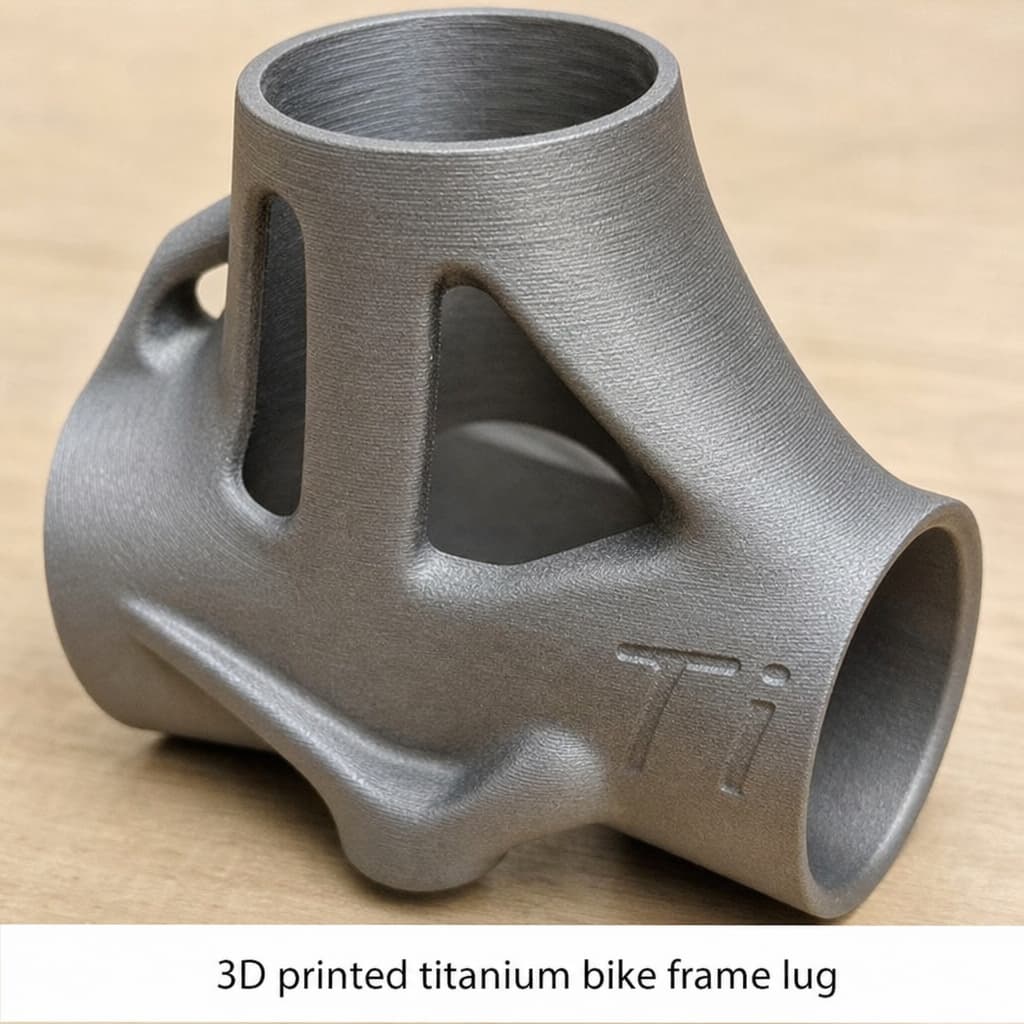
At the premium end of the market, the debate over 3D printed titanium vs carbon fiber frames is intensifying.
- Carbon Fiber: Remains the undisputed champion of low weight and mass-market aerodynamic shaping.Premium carbon gravel bike frame options leverage Toray T800+T1000 layups to balance lightweight construction and all-terrain rigidity for racers and bikepackers alike.
- 3D Printed Titanium: Offers bespoke, millimeter-perfect customization. It boasts exceptional ride quality and impact resistance, making it an increasingly popular choice for riders willing to invest in a "forever bike."
Evolving Geometry and Aerodynamics
A bike's frame shape dictates how it interacts with both the wind and the dirt. The lines between road, gravel, and mountain biking continue to blur, resulting in highly specialized geometries.
Shifting Shapes for Better Handling
If you are currently researching how to choose the right gravel geometry, you will quickly notice a trend toward mountain-bike-inspired dimensions. Many riders are asking: why are gravel bike head tube angles slackening? The answer comes down to stability. A slacker head tube angle pushes the front wheel further out, providing vital stability and confidence on steep, loose, and highly technical descents, all while maintaining pedaling efficiency.
Actionable Tip: When choosing geometry, consider your primary terrain:
- Steep/Technical: Look for a slacker head angle (around 70 degrees) and a longer wheelbase.
- Smooth Dirt/Road: Opt for a steeper head angle (71.5 to 72.5 degrees) for snappier, road-like handling.
Speed on the Dirt
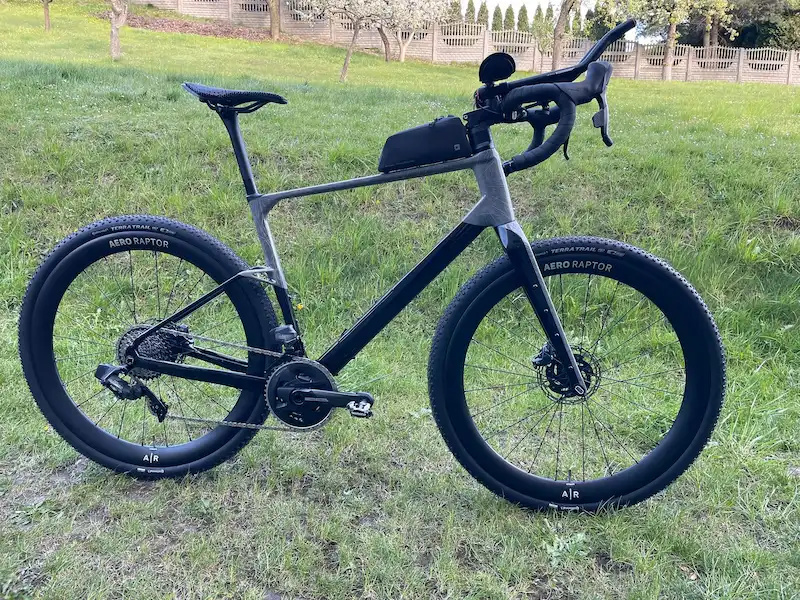
For the competitive crowd, aerodynamic efficiency in gravel racing frames is a massive focal point. Frame builders are incorporating deep-section down tubes, D-shaped seatposts, and dropped seatstays. Wind tunnel data proves that even at the slightly slower speeds of gravel racing, aerodynamic optimization saves crucial watts over a 100-mile course.

Integration and Practicality on the Trail
The modern gravel bike is a masterpiece of integration. The goal for 2026 is to make frames more self-sufficient, streamlined, and easier to repair on the go.
Seamless Storage and Shifting
A sleek aesthetic is great, but practicality is king. Integrating internal storage in gravel bikes is now a standard feature on mid-to-high-end frames. Down-tube storage compartments allow riders to stash spare tubes, CO2 cartridges, and snacks, keeping the bike's center of gravity low and freeing up pocket space.
Furthermore, the widespread adoption of universal derailleur hanger gravel frame compatibility (UDH) is a massive victory for consumers. UDH allows riders to find a replacement hanger at nearly any bike shop in the world, practically eliminating a common trip-ending mechanical failure.
However, integration does come with a learning curve. Fully hidden brake lines and shift cables look fantastic but can be a mechanic’s nightmare. If you plan to wrench on your own bike, securing a comprehensive, brand-specific integrated cable routing maintenance guide is absolutely vital before attempting to swap a headset bearing.
Clearances and Comfort
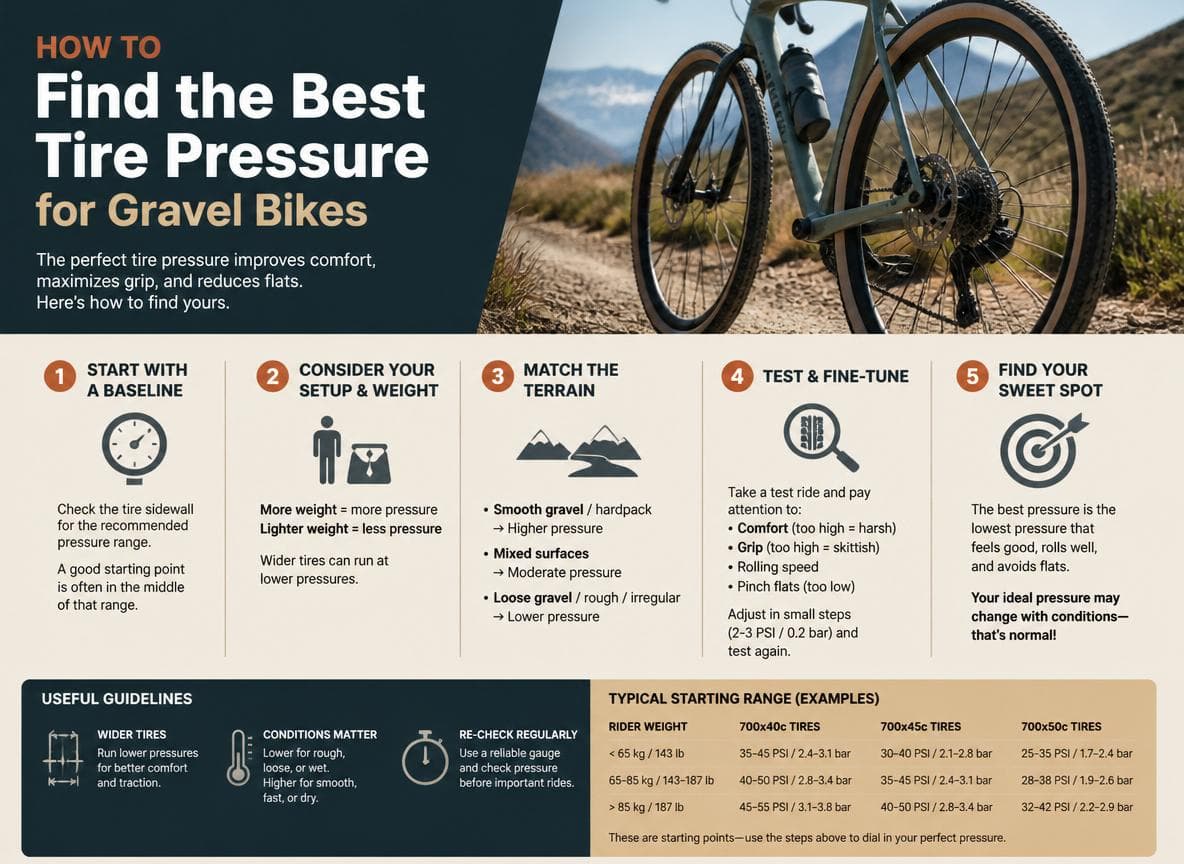
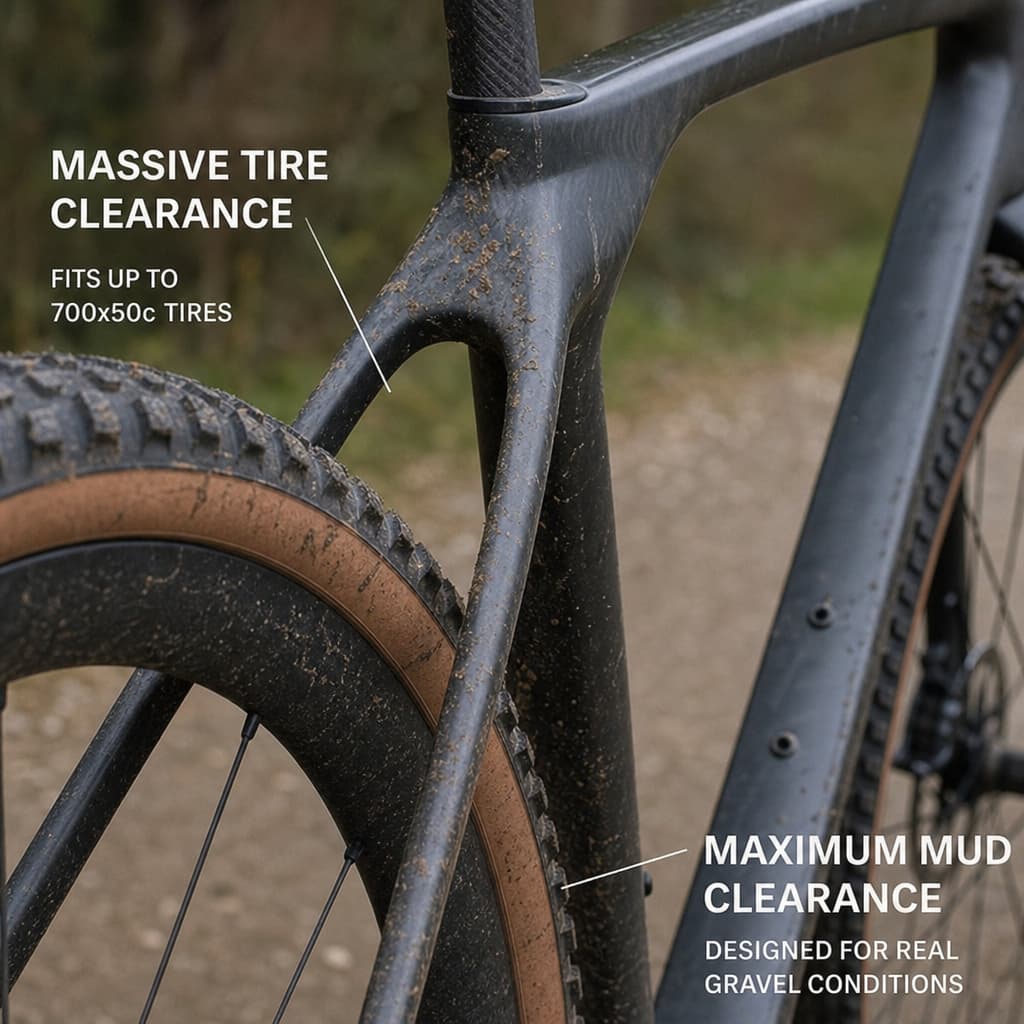
A major question continues to dominate forums: what is the best tire clearance for gravel racing? As the discipline gets rougher, the consensus in the 2026 data points to 45mm to 50mm of clearance. This allows racers to run high-volume, low-pressure tires to soak up chatter without bogging down in mud.
To complement these massive tires, the future of gravel bike suspension integration is moving away from heavy, bolt-on suspension forks. Instead, we are seeing micro-travel solutions—such as flexible seat tube junctions and elastomer-damped headsets—built directly into the frame.
Durability, Electrification, and Adventure
As the use-cases for gravel bikes expand, frame builders are forced to balance competing priorities.
Building for the Backcountry
Bikepacking requires a rugged foundation. Navigating gravel bike weight vs durability trade-offs means accepting that a hyper-light 800-gram frame might not survive a rocky descent while fully loaded. Modern adventure frames feature reinforced bottom brackets, thicker chainstays, and a plethora of adventure-ready bikepacking mounts for off-road touring. Having dedicated hard-mounts for top tube bags, fork cages, and under-downtube bottles is now an industry baseline.
The E-Gravel Revolution
Finally, we must acknowledge the electrification of the dirt. The impact of motor integration on frame design has been profound. Thanks to hyper-compact hub motors and slim mid-drive systems, e-gravel frames are now almost visually indistinguishable from acoustic bikes. The carbon layups have been entirely reimagined to manage the excess torque of the motor and the weight of internal down-tube batteries, resulting in stiffer, more robust chassis designs.
Conclusion
The findings of the 2026 gravel bike frame industry trends report paint a clear picture: the bikes of tomorrow are smarter, greener, and vastly more capable. By blending sustainable manufacturing, progressive geometries, and seamless integration, frame builders are giving riders the ultimate tools to explore the unpaved world. If you’re shopping for a versatile all-terrain cycling build, browse our full lineup of gravel bike frame models with full OEM custom service.Whether you prioritize the aerodynamic edge of a racing rig or the bomb-proof reliability of an adventure setup, understanding these trends will ensure your next bike purchase keeps you riding smoothly into the future.