
Choosing the right bike for off-road biking can be a challenge. Cyclocross and gravel bikes are popular choices, each with unique features.
Cyclocross bikes are designed for short, intense races on mixed terrain. They offer quick handling and speed.
Gravel bikes, on the other hand, are built for comfort over long distances. They handle varied surfaces with ease.
Understanding the differences between these bikes can help you make an informed decision. Whether you seek speed or comfort, this guide will clarify which bike suits your needs.
Explore the key differences between cyclocross and gravel bikes to find your perfect ride.
.jpg)
What Is a Cyclocross Bike?
Cyclocross bikes are designed for racing on mixed terrain. They are made to handle mud, grass, and sand. These bikes thrive in short, high-intensity races.
Their geometry is aggressive for quick handling and maneuverability. This helps cyclists to navigate sharp turns with ease. They often have drop handlebars for an aerodynamic position.

Key features of cyclocross bikes include:
- Narrower tires for speed
- Higher bottom bracket for obstacle clearance
- Minimal accessories for lighter weight
Cyclocross bikes are ideal for riders seeking speed and agility. They excel in competitive environments. With a history rooted in European cycling traditions, these bikes are a bridge between road and mountain biking.
Cyclists often use them in training for other disciplines. Despite their racing focus, they are used in urban settings for their quick responses. Cyclocross bikes offer a unique blend of road and off-road capabilities, making them a versatile option for thrill-seekers.
What Is a Gravel Bike?
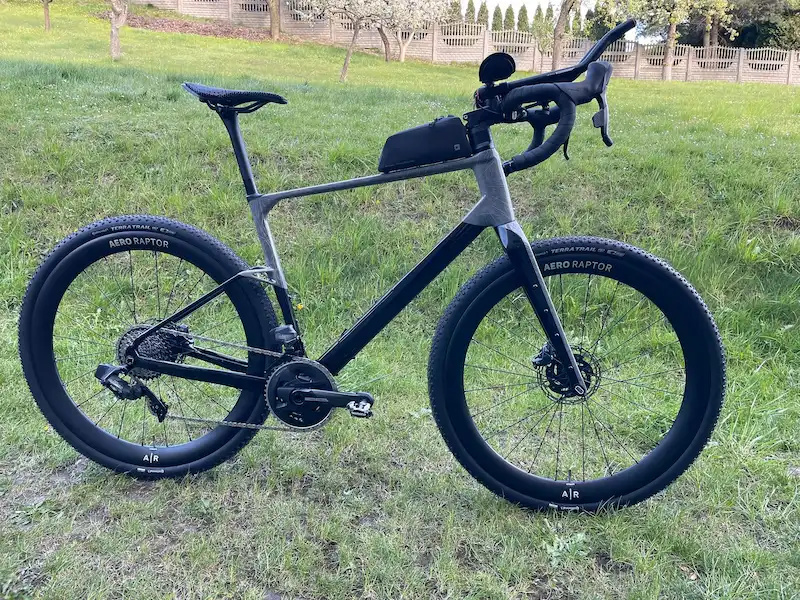
Gravel bikes are built for adventure and long-distance rides. They are designed to handle a wide variety of surfaces. Riders can enjoy paths ranging from gravel roads to dirt trails with comfort and stability.
The geometry of a gravel bike is more relaxed compared to its cyclocross counterpart. This promotes a comfortable riding position, crucial for endurance rides. The longer wheelbase contributes to improved stability on uneven surfaces.

by Fredo Gerdes (https://unsplash.com/@fredogerdes)
Features of gravel bikes include:
- Wider tires for better traction and comfort
- Disc brakes for superior stopping power
- Mounts for racks and fenders, enhancing versatility
Gravel bikes are seen as "all-road" bikes due to their adaptability. They support various accessories, making them popular for bikepacking and touring. With roots in North American cycling culture, gravel bikes continue to gain popularity across the globe.
Their appeal extends to those who enjoy exploring remote areas and tackling adventurous bikepacking trips. For cyclists who want to ride long distances on mixed terrain, gravel bikes offer the perfect blend of comfort and durability.
If you’re building a long-distance adventure rig, our lightweight carbon gravel bike frame delivers generous tire clearance, T47 threaded bottom brackets and full accessory mounts for all your bikepacking gear.
Cyclocross vs Gravel Bike: Geometry and Frame Design
Geometry plays a crucial role in how these bikes perform. Cyclocross bikes boast aggressive geometries tailored for competitive racing. The designs prioritize agility, allowing quick maneuvers during races on varied terrain.
Gravel bikes, in contrast, feature relaxed geometries for extended comfort. The setup supports longer rides, reducing fatigue and enhancing balance across uneven surfaces. This makes gravel bikes ideal for enduring long adventures.

Key differences in frame and geometry include:
- Cyclocross bikes: shorter wheelbase, higher bottom bracket
- Gravel bikes: longer wheelbase, lower bottom bracket
- Cyclocross bikes: compact frame for agility
- Gravel bikes: stable frame for comfort
Cyclocross frames are lighter, often due to their minimalist design. This enhances speed during competitions. Meanwhile, gravel bike frames accommodate suspension features and additional accessories, focusing on versatility over minimalism.
Both types utilize durable materials like aluminum, carbon, and steel, chosen based on purpose and budget. The cyclocross bike's sleek, competitive frame compares with the robust, adventure-ready structure of gravel bikes. Ultimately, the choice of bike hinges on desired riding experience and terrain. Whether your priority is speed or comfort, each bike offers unique advantages tailored for specific cycling pursuits.
Tire Clearance and Wheel Differences
Tire clearance and wheel differences greatly influence bike performance. Cyclocross bikes are designed for speed and quick handling. They typically feature narrower tires to accommodate rapid acceleration on diverse race terrains.
Gravel bikes, however, are engineered with wide tire clearance. This allows for larger tires, which enhance traction and comfort during long rides on mixed surfaces. Wider tires reduce vibration and improve grip on gravel and dirt paths.
Our premium carbon gravel bike frame supports up to 50mm wide tires, far exceeding most entry-level aluminum CX frames for rough off-road travel.
Notable differences in tire and wheel design include:
- Cyclocross bikes: narrower tires, often around 33mm
- Gravel bikes: wider tires, up to 50mm or more
- Cyclocross wheels: focus on lightweight racing capabilities
- Gravel wheels: prioritize durability and tubeless options
The wheels on cyclocross bikes are usually race-oriented, focusing on speed and weight reduction. Conversely, gravel bike wheels are built for durability and stability over rougher trails. Some gravel bikes even employ tubeless setups to further enhance puncture resistance and performance.
Ultimately, tire and wheel selections are crucial. They determine not only the terrain a bike can handle but also the comfort and efficiency of the ride.
Brakes, Gearing, and Components
Braking systems are vital for bike safety and performance. Cyclocross bikes often utilize cantilever brakes for their lightweight design. However, disc brakes are becoming more common due to their superior stopping power, especially in muddy or wet conditions.
Gravel bikes almost universally feature disc brakes. These brakes offer consistent performance across various terrains and weather conditions. The reliable stopping power of disc brakes makes gravel bikes ideal for long-distance touring.
Gearing setups also differ between these two types. Cyclocross bikes generally have higher gearing designed for quick acceleration. This suits their competitive and fast-paced racing environment.
In contrast, gravel bikes come with lower gearing. This gearing supports riders in tackling steep climbs and managing long distances with ease. These features enhance endurance and comfort over varied terrains.
Key component distinctions include:
- Cyclocross: higher gearing, often lightweight parts
- Gravel: lower gearing, robust components
- Cyclocross: may have cantilever or disc brakes
- Gravel: predominantly disc brakes for all conditions
Components impact how both bikes perform. Cyclocross bikes lean toward agility and speed, while gravel bikes focus on endurance and adaptability for off-road adventures.
Riding Experience: Speed, Comfort, and Versatility
The riding experience between cyclocross and gravel bikes varies significantly. Cyclocross bikes are built for speed and precision. Their aggressive design and lightweight frames allow for rapid acceleration and sharp handling in races.
Gravel bikes offer a contrasting experience. They prioritize comfort and versatility over sheer speed. The relaxed geometry and wider tires provide stability, making them perfect for long-distance journeys.
Both bikes excel in different environments. Cyclocross bikes suit short, intense races, where speed is vital. They handle tight corners and technical sections adeptly, offering riders an adrenaline-filled experience.
In comparison, gravel bikes shine in diverse conditions. They adapt well from paved roads to rugged trails and everything in between. This adaptability opens doors to off-road adventures and scenic touring.
Key riding experience factors include:
- Cyclocross: speed, maneuverability
- Gravel: comfort, stability
- Cyclocross: best in races, technical courses
- Gravel: excels in varied terrains, long rides
Choosing between these bikes depends on your cycling goals. Cyclocross bikes suit those seeking swift, competitive rides. Gravel bikes cater to explorers and adventurers.
Off-Road Biking: Which Bike Excels Where?
Off-road biking presents unique challenges and rewards that differ greatly with cyclocross and gravel bikes. Each type has its strengths, making them excel in different conditions.
Cyclocross bikes thrive in challenging race environments. They are perfect for courses with mud, grass, and other obstacles. The design allows for easy dismounts and quick maneuvering, providing an edge in technical races.
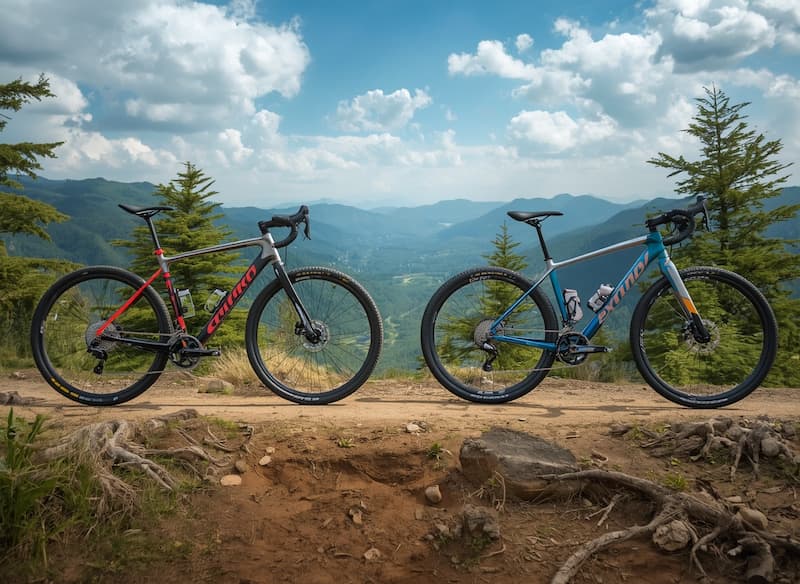
Gravel bikes, on the other hand, are adventure-centric. They are designed for comfort over long distances and can handle a variety of terrains seamlessly. Whether facing gravel roads or uneven dirt trails, gravel bikes deliver a consistent performance.
Here's where each bike shines:
- Cyclocross bikes: ideal for short, technical races
- Gravel bikes: suited for long rides, varied surfaces
- Cyclocross: excels in agility
- Gravel: built for endurance, versatility
Choosing the right bike depends on your off-road goals. If racing is your focus, cyclocross may be your best bet. However, for extended off-road adventures, gravel bikes offer unmatched versatility and comfort.
Customization and Accessories
Both cyclocross and gravel bikes offer a wide range of customization options. You can tailor each bike to fit your specific riding needs and preferences. This flexibility allows riders to enhance performance and comfort.
Cyclocross bikes generally have limited accessories due to their racing nature. However, you can still upgrade components such as tires and handlebars to improve race-day efficiency. Streamlining these bikes is key to reducing weight and increasing speed.
Gravel bikes are more accommodating to accessories. They often come with mounts for racks and fenders, which is perfect for touring or commuting. Here are common upgrades for gravel bikes:
- Wider tires for better traction
- Storage options for gear and supplies
- Ergonomic grips for added comfort
- The foundation of any capable adventure bike is a high-quality chassis; we offer fully customizable OEM gravel bike frames with custom geometry and paint for brand builders and serious riders alike.
Ultimately, the choice of modifications depends on your riding style and goals. Consider how you intend to use your bike when selecting enhancements.
Cyclocross vs Gravel Bike: Which Should You Choose?
Deciding between a cyclocross and a gravel bike can depend on several factors. Assess your needs and riding habits to make an informed choice. Consider the terrain you frequently encounter and the type of biking experience you desire.
Cyclocross bikes excel in competitive, short-duration races. They cater to riders seeking agility and speed. These bikes perform best on mixed surfaces like mud, grass, and sand.
Gravel bikes are ideal for those planning long rides on varied surfaces. They offer comfort, stability, and versatility, making them suitable for exploration and adventure. Here are key points to consider when choosing:
- Terrain preferences and conditions
- Desired biking activity (racing vs. adventure)
- Personal comfort and performance goals
Ultimately, the best bike is the one that aligns with your individual riding style. Take the time to evaluate your priorities before making a decision.
Conclusion: Making the Right Choice for Your Ride
Selecting between a cyclocross and a gravel bike ultimately hinges on your cycling objectives. Both offer unique features catering to specific biking styles and terrains.
Evaluate what you want from your biking experience, whether it's competitive cyclocross races or multi-day gravel adventures. The right bike will enhance your ride and bring joy to each journey.
If gravel adventure cycling is your priority, explore our full lineup of lightweight Toray carbon gravel bike frames built for long-distance comfort, wide tire compatibility and reliable off-road performance. Choose wisely, and enjoy the ride ahead.