
Buying a new bike without matching your frame size leads to knee pain, numb hands, unsafe handling, and ruined long rides. For American shoppers sorting road, mountain, hybrid, BMX, and gravel bikes, this all-in-one sizing guide breaks down every measurement, chart, and fitting tip to match your body perfectly. Whether you’re a casual weekend rider or a long-distance gravel cyclist, our US-foot/inch standard charts eliminate guesswork.
1. How Different Bike Types Change Sizing Rules
Frame geometry varies wildly between bike categories, so a size 54 road bike will never fit the same as a size medium gravel bike. Below we break down sizing logic for every popular style sold to US customers:
Road Bikes
Road frames prioritize stretched reach for aerodynamics, with narrow standover heights. Sizes are labeled in centimeters (50–62cm) and built for paved road speed.
Mountain Bikes
MTB frames feature slacker head tubes and taller stack heights for off-road control, sized XS–XXL for rough trail stability.
Hybrid Bikes
Combining road efficiency and upright comfort, hybrid sizing balances casual city commuting for riders of all ages.
BMX Bikes
Small compact frames sized by wheel diameter, designed for tricks and short-distance youth riding.
Gravel Bikes (Our Core Specialty)
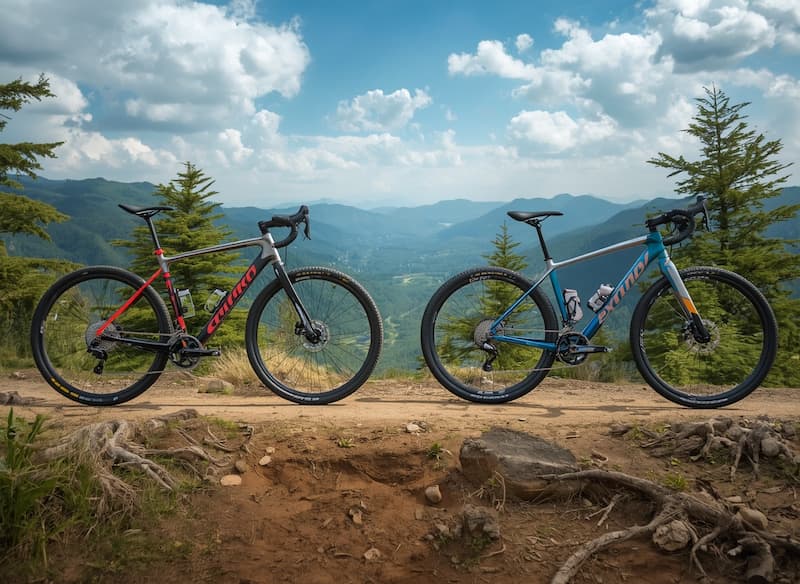
Gravel frames strike a middle ground between road speed and mountain bike clearance, with extra standover room for rough gravel trails. Our Mondince gravel frames are calibrated for average American torso and leg proportions.
For custom-fitted gravel frames built for US trail riders, browse our full collection: Gravel Bikes Collection
For custom-fitted gravel frames built for US trail riders, browse our full collection: Gravel Bikes Collection
2. Why Correct Bike Sizing Matters
Skipping proper sizing creates lasting physical and safety issues for every rider in the United States:
Safety Risks of Wrong Frame Size
Oversized frames leave you unable to reach the ground at stops; undersized frames force cramped handling on fast descents, raising crash risk on roads and gravel trails.
Long-Term Riding Comfort & Performance
Too-small frames strain your lower back and wrists on multi-hour rides; oversized frames overextend knees, triggering chronic joint pain after weekly cycling sessions. A matched frame maximizes power transfer and reduces fatigue.
3. Step-by-Step to Measure Yourself for Bike Fit
All measurements below use US standard feet/inch units, no metric conversion required for American households:
- Measure Your Height
Stand barefoot against a flat wall, mark the top of your head, then measure from floor to mark with a tape measure. Record total height in feet and inches.
- Measure Your Inseam (Critical for Standover Height)
Stand feet shoulder-width apart, slide a book flat up your inner thigh until it touches your crotch. Measure the vertical distance from book edge to the floor — this number decides your minimum frame standover clearance.
4. Universal Bike Size Charts by Type
Use these US-focused reference charts to cross-match your height and inseam to a matching frame size:
Road Bike Size Chart
- 5’0”–5’4” inseam 27–29in: 50–52cm
- 5’4”–5’8” inseam 29–32in: 54–56cm
- 5’8”–6’2” inseam 32–35in: 58–60cm
- 6’2”+: 62cm+
Mountain Bike Size Chart
- XS: 4’10”–5’3”
- S: 5’3”–5’7”
- M: 5’7”–6’0”
- L: 6’0”–6’4”
- XL: 6’4”+
Hybrid Bike Size Chart
Follows mountain bike XS–XL sizing with slightly taller stack heights for upright commuting posture.
Gravel Bike Frame Size Chart (Mondince Standard)
Our gravel sizing aligns with US rider body averages and adds extra tire clearance for rough gravel terrain:
- XS Gravel: 4’11”–5’4”
- S Gravel: 5’4”–5’9”
- M Gravel: 5’9”–6’1” (most popular US adult size)
- L Gravel: 6’1”–6’5”
BMX Size Chart
Sized by wheel diameter (16”, 20”, 24”) for youth and stunt riders.
5. Breakdown of Bike Frame Geometry
Raw size labels only tell half the story — frame geometry numbers control daily comfort.
Stand Over Height
The vertical gap between your crotch and the top tube when standing over the bike. Gravel bikes need 1–2 inches more clearance than road bikes for uneven trails.
Effective Top Tube Length
Controls how far you stretch to reach handlebars, the main factor for back strain on long rides.
Stack & Reach Measurements
- Stack: Vertical height from bottom bracket to head tube (taller stack = more upright comfortable posture)
- Reach: Horizontal distance from bottom bracket to head tube (longer reach = aerodynamic, forward lean)
Gravel bikes balance moderate stack and reach for mixed-speed paved/gravel travel.
6. Pro Tips for Perfect Bike Fitting
Even a perfectly sized frame needs small tweaks to match your body shape:
Test Riding Before Purchase
Spend 10–15 minutes riding the frame on flat and slightly sloped ground. Check knee bend at full pedal drop and wrist tension on handlebars.
DIY Component Adjustments (At-Home Fitting)
Tweak three core parts to fine-tune comfort without professional help:
- Seat height: Leg nearly straight at the bottom pedal stroke
- Seat fore/aft: Kneecap aligns with pedal axle at 3 o’clock position
- Stem length & angle: Adjust to eliminate shoulder hunching
Professional Bike Fitting Service
For riders logging 10+ hours weekly, a certified US bike fitter can adjust geometry for competitive long-distance gravel touring.
FAQ: Most Common Bike Sizing Questions
Q1: Can I pick a gravel bike one size larger for more comfort?
A: Oversized gravel frames sacrifice control on bumpy gravel trails. If you fall between two sizes, size down and raise the seat post for extra leg extension.
Q2: Does inseam matter more than height for bike sizing?
A: Yes. Two riders of identical height can have 3-inch inseam differences, which completely changes your matching frame size. Always prioritize inseam measurements.
Q3: Are Mondince gravel frames sized for American rider proportions?
A: All our gravel frames are calibrated to match average US torso and leg measurements, unlike European narrow, compact gravel sizing.
Conclusion
Recap of Key Sizing Steps
- Measure your height and inseam in US feet/inches units
- Match your numbers to our category-specific size charts
- Review frame geometry (stack, reach, standover) for your riding style
- Test ride and adjust seat, stem, and handlebars for personalized comfort
Encouragement to Choose Wisely
A properly sized gravel, road, or mountain bike transforms every ride from uncomfortable labor to enjoyable travel. Skip generic one-size-fits-all frames — use this sizing guide to find a bike built for your body and American riding terrain.