
Why Tire Clearance Matters for Gravel Riding
Tire clearance is one of the most important specifications when choosing a carbon gravel bike frame. It determines how wide a tire you can safely run, how much mud room you have, and how comfortable or fast the bike feels on different surfaces.
A narrower tire can feel quicker on pavement and hardpack. A wider tire gives more comfort, grip and control on rough gravel, loose dirt and bikepacking routes. The best choice is not always the widest option; it depends on your riding style, terrain and wheel setup.
Tire Clearance Comparison
| Frame Clearance | Typical 700c Tire | Typical 650B Tire | Best For |
|---|---|---|---|
| 45mm | 700x38c to 700x45c | 650B x 2.0" to 2.1" | Fast gravel, mixed road, light adventure riding. |
| 50mm | 700x45c to 700x50c | 650B x 2.1" to 2.3" | Rough gravel, bikepacking, all-road riding. |
| 57mm | 700x50c to 700x57c | 650B x 2.3" to 2.6" | All-terrain gravel, loose surfaces and high-comfort adventure builds. |
45mm Clearance: Fast and Efficient Gravel
A 45mm gravel frame is a strong choice for riders who split time between pavement, hardpack and smoother gravel roads. It gives enough volume for comfort and grip without making the bike feel slow or heavy on faster sections.
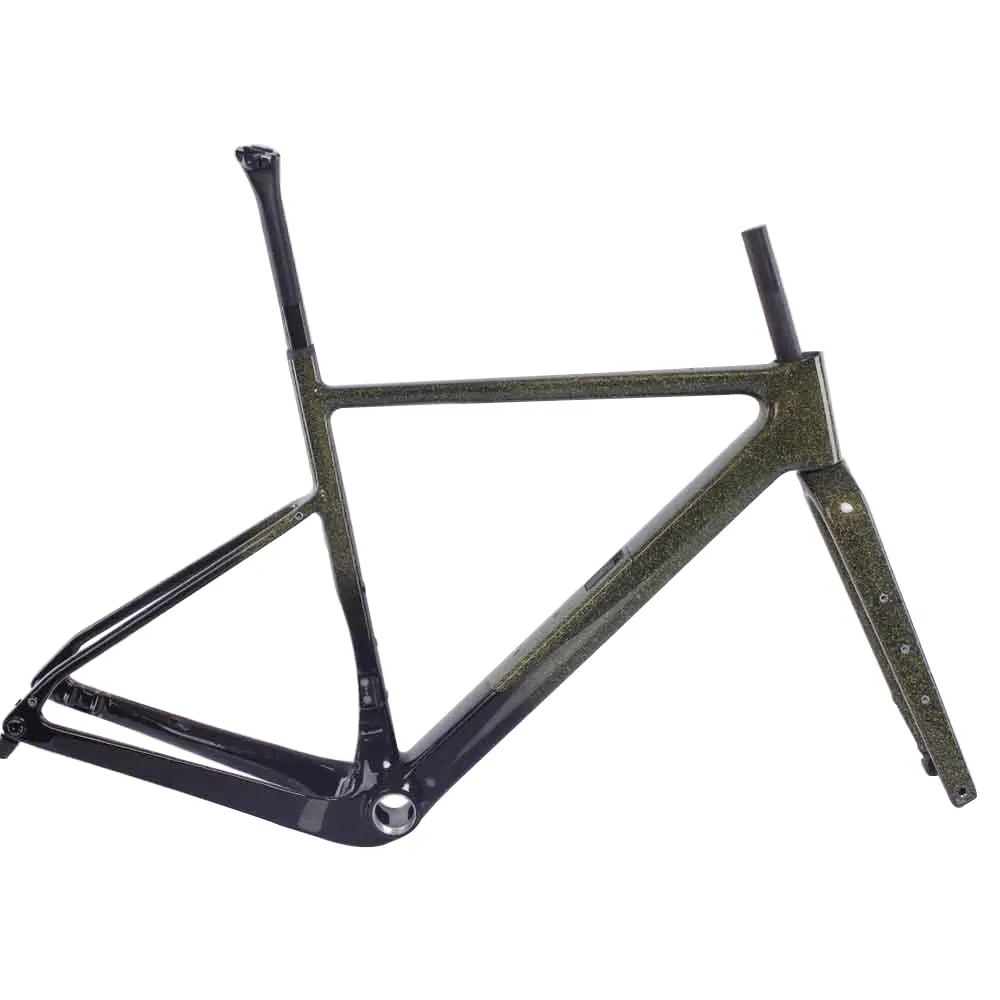
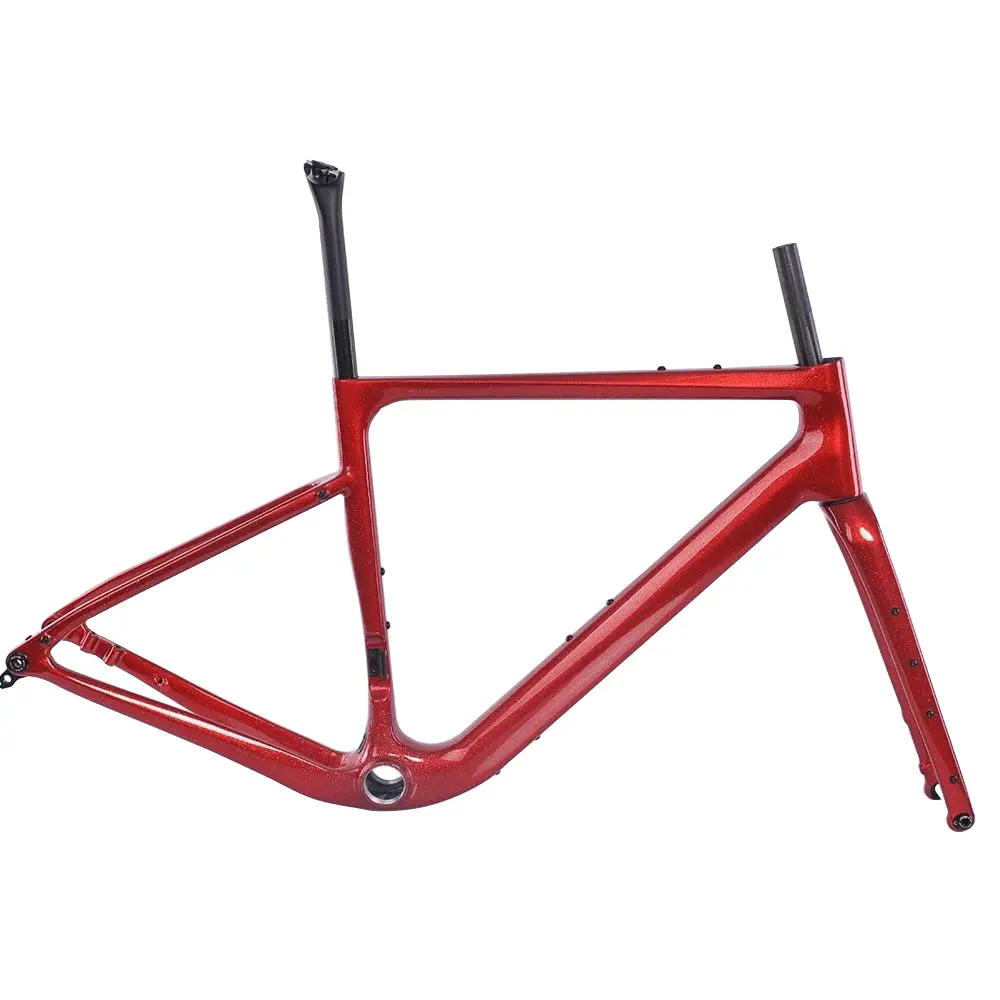
The Mondince FM296 carbon gravel frame is a good example of this category. It works well for riders who want a responsive carbon gravel bike for mixed-surface riding and fast weekend routes.
Choose 45mm Clearance If
- You ride a mix of road and gravel.
- You care about rolling speed and acceleration.
- Your gravel routes are mostly hardpack, fine gravel or light dirt.
- You want a lighter, more efficient gravel bike build.
Things to Watch
- Leave extra room if you often ride in wet or muddy conditions.
- A 45mm maximum clearance does not mean every 45mm tire will fit perfectly on every rim.
- Actual tire width can change depending on rim internal width.
50mm Clearance: The Modern Adventure Standard
For many gravel riders, 50mm clearance is the most versatile choice. It gives enough room for wider tires, better comfort and improved traction, while still keeping the bike efficient for long mixed-terrain rides.
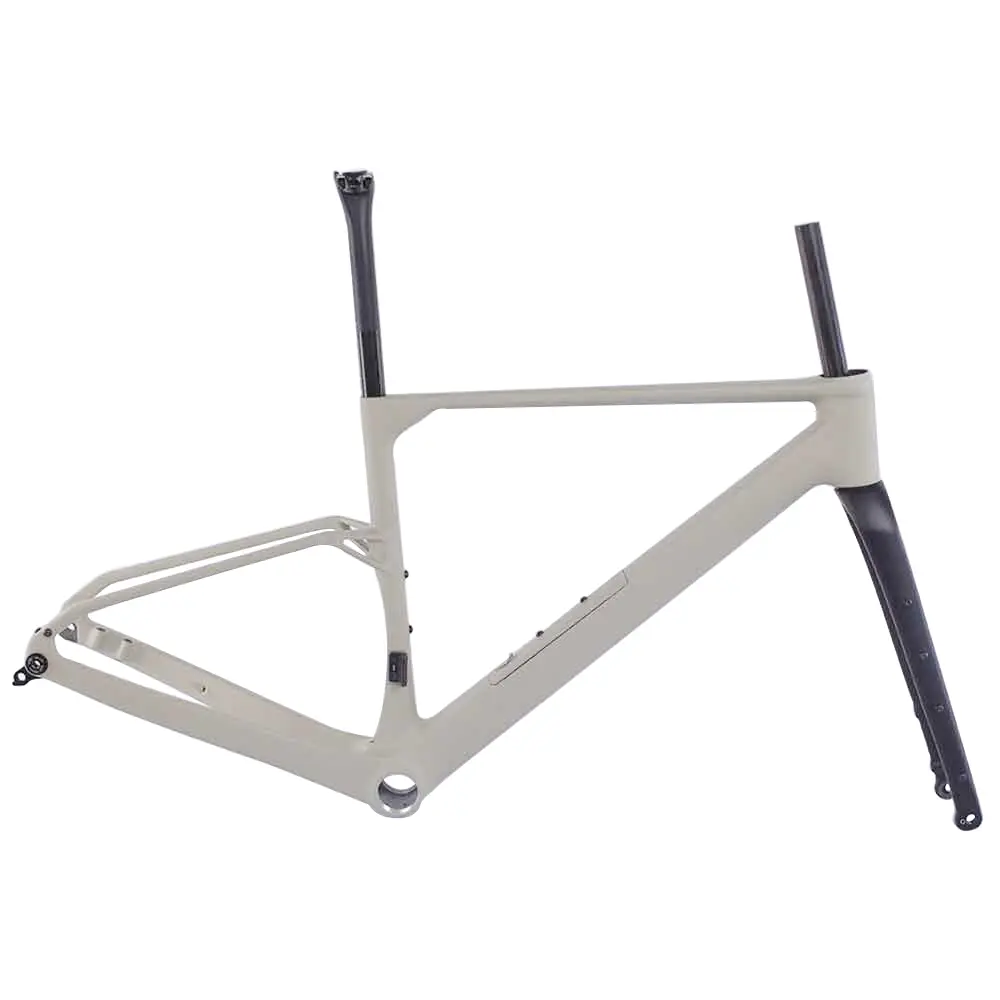
The Mondince FM316 carbon gravel frame and Mondince FM326 carbon gravel frame are suitable for riders who want more comfort and capability for rough gravel, bikepacking and all-road routes.
Choose 50mm Clearance If
- You ride rough gravel, forest roads or long adventure routes.
- You want more comfort without moving fully into MTB-style tire sizes.
- You carry bags or gear for light bikepacking.
- You want one gravel bike that can handle many surfaces.
Things to Watch
- Wider tires may feel slower on smooth pavement.
- Frame, fork and rim compatibility should be checked together.
- For muddy routes, running a tire slightly smaller than maximum clearance is usually smarter.
57mm Clearance: All-Terrain Gravel Capability
A 57mm gravel frame is for riders who want maximum tire volume, better traction and more control on loose or rough terrain. This clearance range moves a gravel bike closer to all-terrain capability while keeping drop-bar efficiency and gravel geometry.
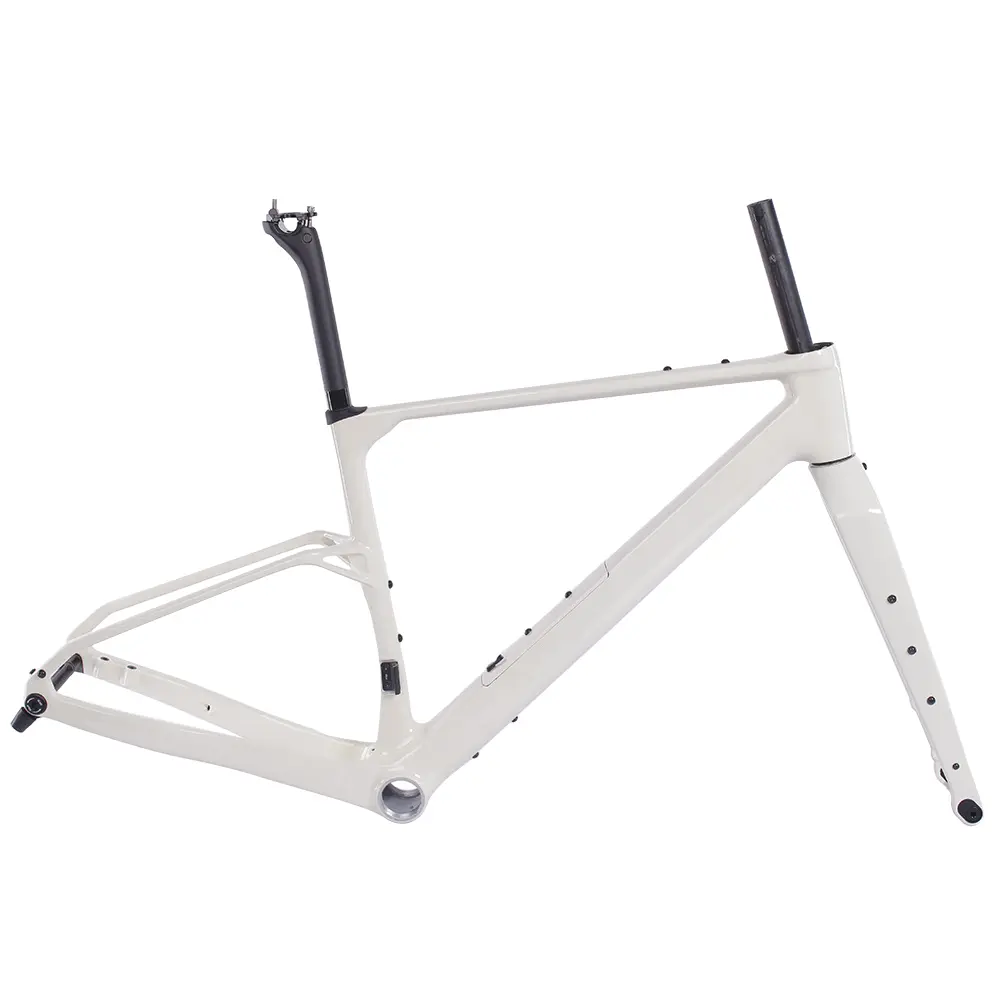
The Mondince FM376 all-terrain carbon gravel frame is designed for riders who need larger tire clearance, stable handling and modern gravel standards for demanding routes.
Choose 57mm Clearance If
- You ride rough gravel, loose surfaces or broken roads.
- You want maximum comfort for long-distance adventure riding.
- You prefer larger tire volume over pure pavement speed.
- You want one carbon gravel frame for racing, bikepacking and all-terrain use.
Things to Watch
- Very wide tires can reduce road speed and steering sharpness.
- Wheel and tire choice becomes more important.
- Check chainring, drivetrain and mud clearance carefully before building.
How Tire Clearance Affects Frame Design
Tire clearance is not just a space around the tire. It affects the full frame design, including chainstay shape, fork crown, seat tube curve, bottom bracket area and overall geometry.
- Chainstay design: Wider tires often require shaped or dropped chainstays.
- Fork clearance: The fork must match the rear triangle clearance.
- Frame stiffness: More clearance can require careful carbon layup to keep the frame stable.
- Mud room: Real-world riding needs space for dirt, stones and tire flex.
- Geometry: Larger tires can slightly change ride height and handling feel.
For sizing and geometry decisions, you can also use the Mondince bike frame size calculator.
700c vs 650B for Gravel Frames
Many gravel frames can support both 700c and 650B wheel setups, but the ride feel is different. 700c is usually better for speed, rolling efficiency and mixed road use. 650B allows a larger-volume tire, which can improve comfort and control on rougher surfaces.
| Wheel Size | Strength | Best Use |
|---|---|---|
| 700c | Faster rolling, better for long road and gravel rides. | Racing, mixed road, fast gravel and endurance rides. |
| 650B | More tire volume, more comfort and better rough-surface control. | Adventure riding, bikepacking, rough gravel and loose terrain. |
Tire Pressure Guidelines
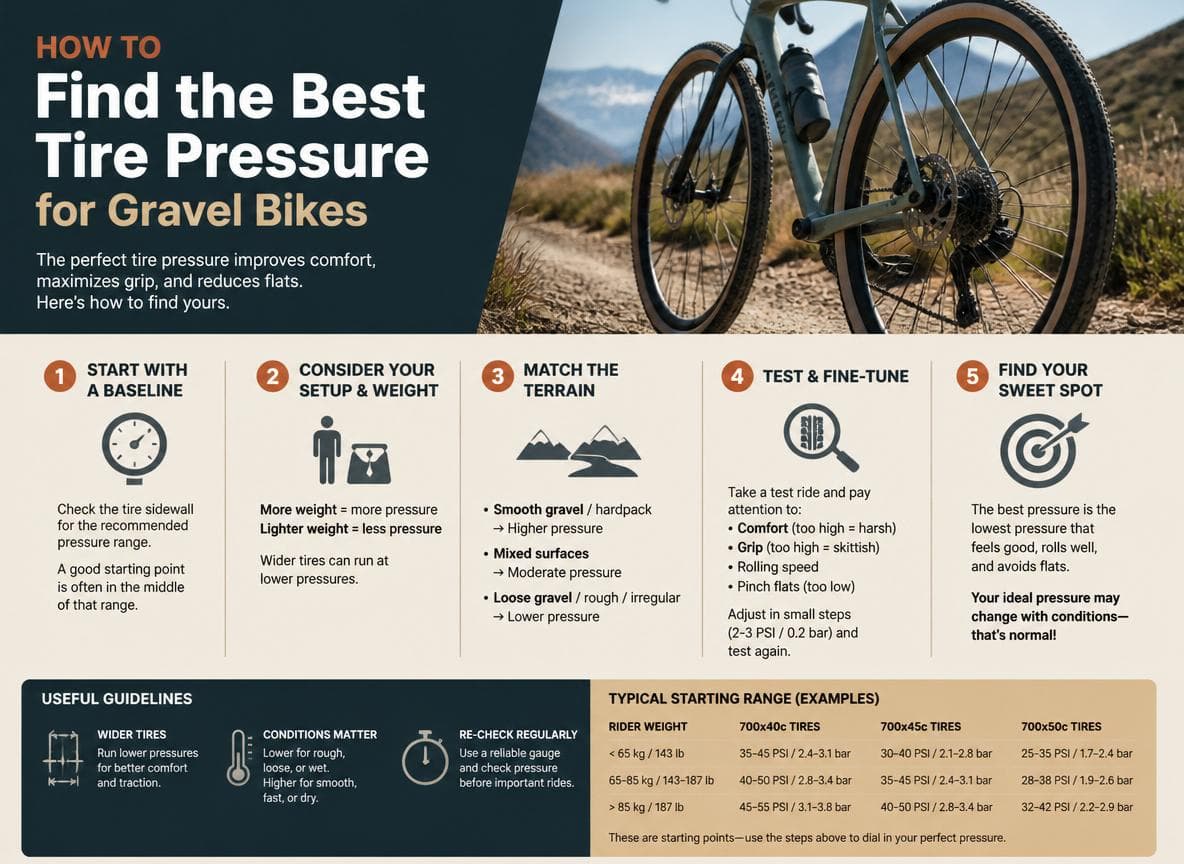
Tire pressure depends on rider weight, tire width, rim width, casing, terrain and tubeless setup. Wider tires usually allow lower pressure, which improves grip and comfort. Narrower tires usually need higher pressure to prevent rim strikes and keep rolling speed.
| Tire Width | Typical Starting Range | Best Terrain |
|---|---|---|
| 38-42mm | 35-45 psi | Road, hardpack and fast gravel. |
| 45-50mm | 28-38 psi | Mixed gravel, rough roads and bikepacking. |
| 50-57mm | 22-32 psi | Loose gravel, rough terrain and high-comfort adventure riding. |
These numbers are starting points only. Heavier riders, heavier loads and rocky terrain usually require higher pressure. Lighter riders and tubeless setups can often run lower pressure.
Which Clearance Should You Choose?
Choose 45mm If
- You want a fast gravel bike with good road performance.
- Your routes are mostly pavement, hardpack and light gravel.
- You prefer lower weight and sharper handling.
- You are building around the FM296 gravel frame.
Choose 50mm If
- You want the most balanced option for modern gravel riding.
- You ride rough gravel, forest roads or mixed terrain.
- You want better comfort and bikepacking capability.
- You are comparing the FM316 or FM326.
Choose 57mm If
- You want maximum tire volume and all-terrain confidence.
- You often ride loose, rough or unpredictable surfaces.
- You care more about control and comfort than pure road speed.
- You are considering the FM376 all-terrain carbon gravel frame.
Frequently Asked Questions
Can I run smaller tires than the maximum clearance?
Yes. A frame with 50mm or 57mm maximum tire clearance can usually run smaller tires. Many riders choose smaller tires for faster road rides and wider tires for rougher routes.
Does mud clearance affect tire choice?
Yes. If you ride in muddy conditions, do not use the absolute maximum tire size. Leave extra space around the tire for mud buildup, tire flex and small stones.
Can I make a 45mm frame fit 50mm tires?
No. Tire clearance is determined by frame and fork design. You should not exceed the manufacturer's recommended maximum tire size.
Do wider tires require different rims?
Often yes. Wider tires usually work better on wider internal rim widths. Before buying tires, check both tire manufacturer and rim manufacturer recommendations.
What about fenders?
Full fenders require extra room. If you plan to use fenders, choose a tire size smaller than the frame's maximum clearance.
Final Thoughts
The best gravel frame tire clearance depends on where you ride most often. Choose 45mm for faster mixed-surface riding, 50mm for rough gravel and bikepacking, and 57mm for maximum comfort and all-terrain capability.
If you are comparing Mondince frames, start with the full carbon gravel bike frame collection. For help choosing between FM296, FM316, FM326 and FM376, contact Mondince with your riding style, tire size, groupset and target build.