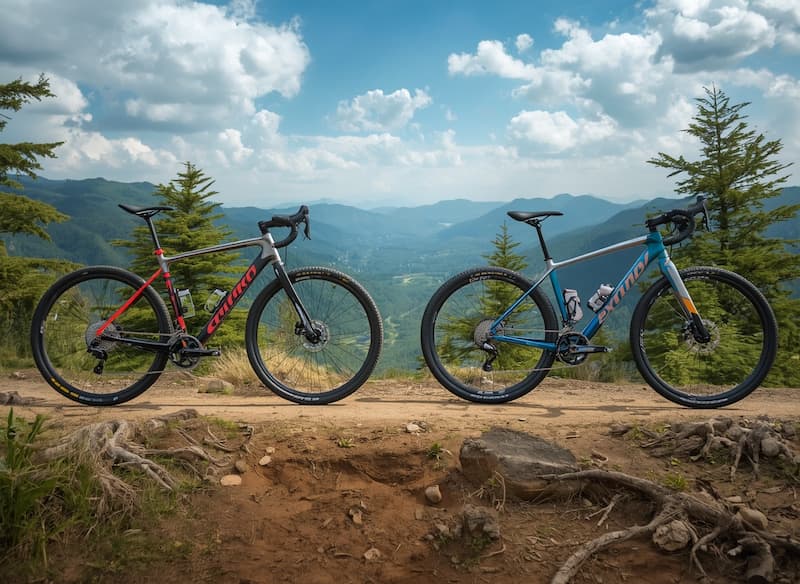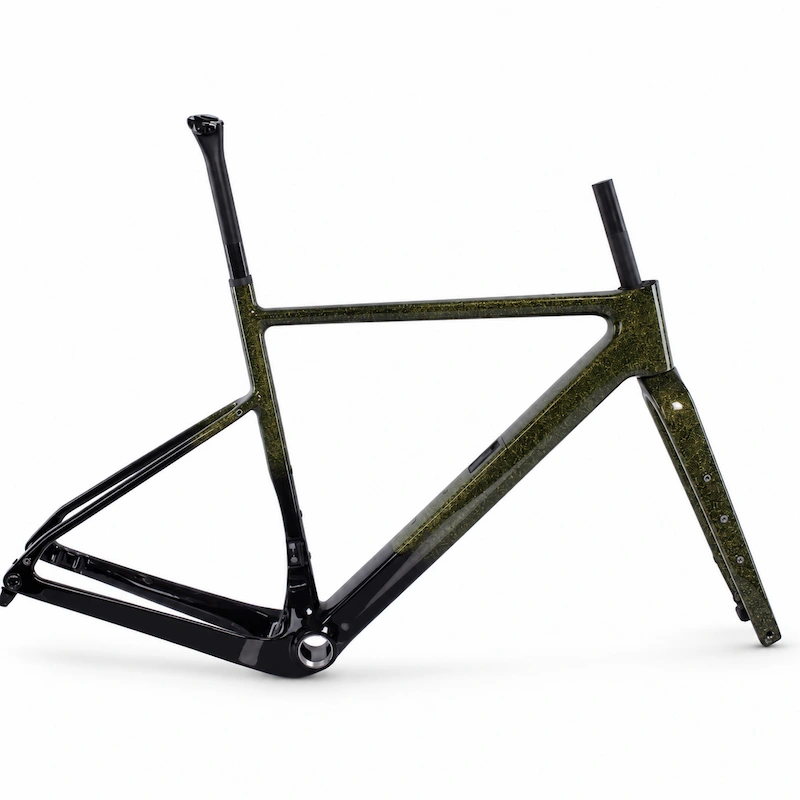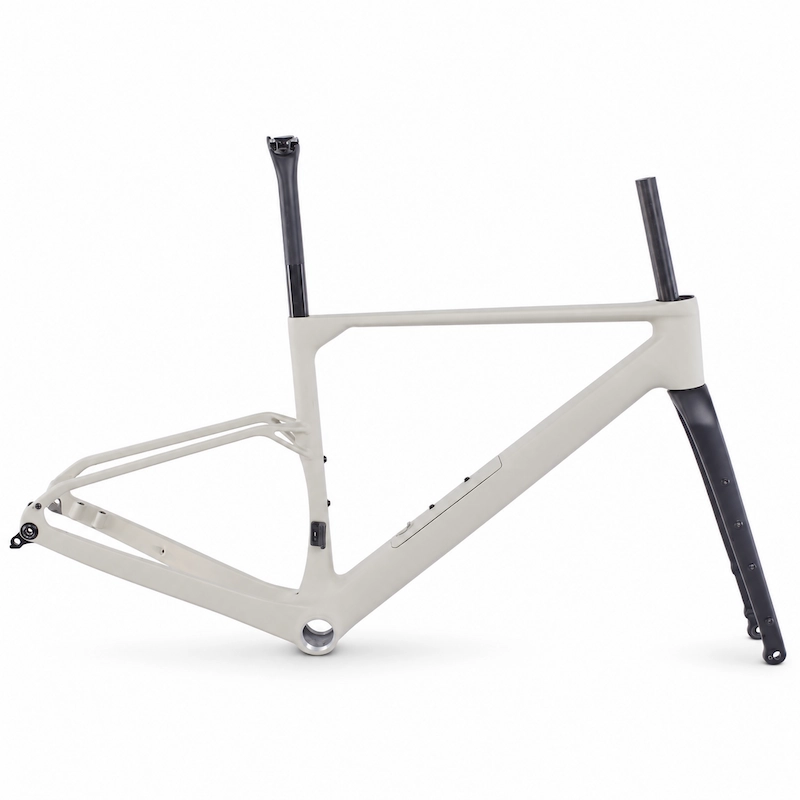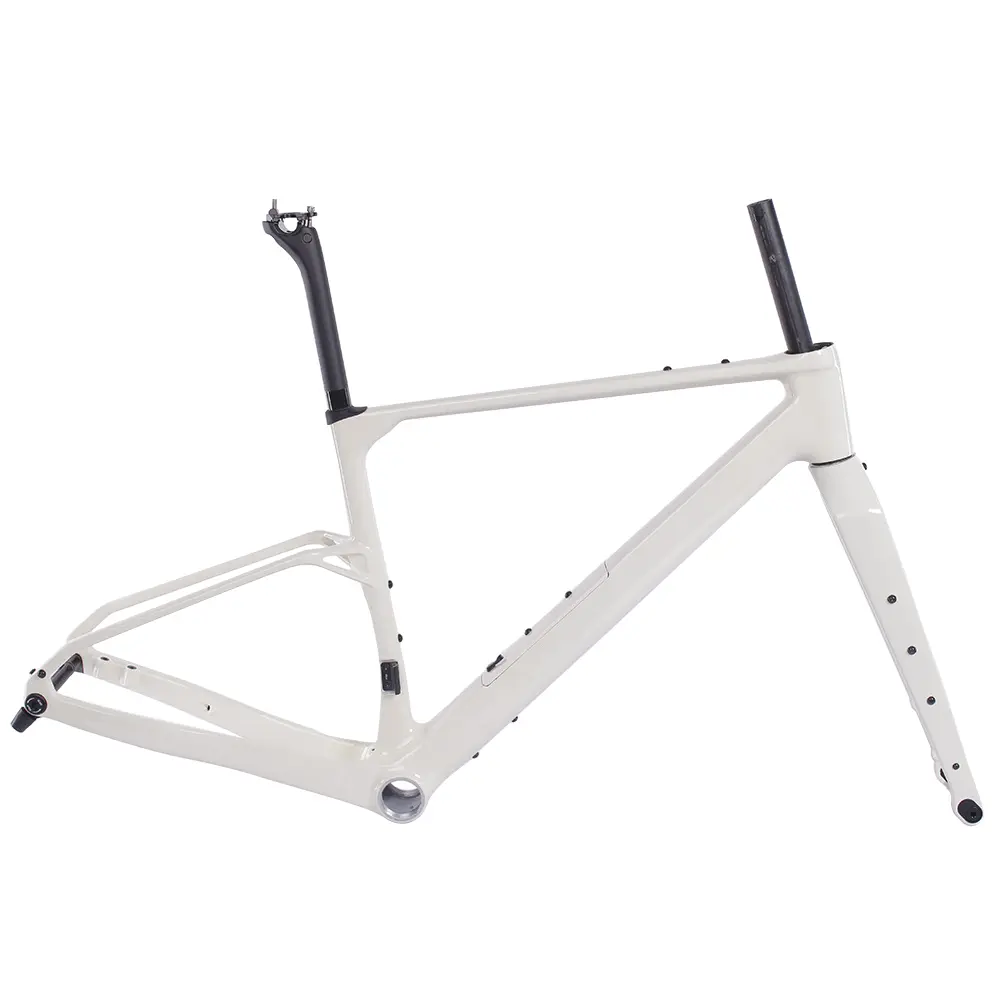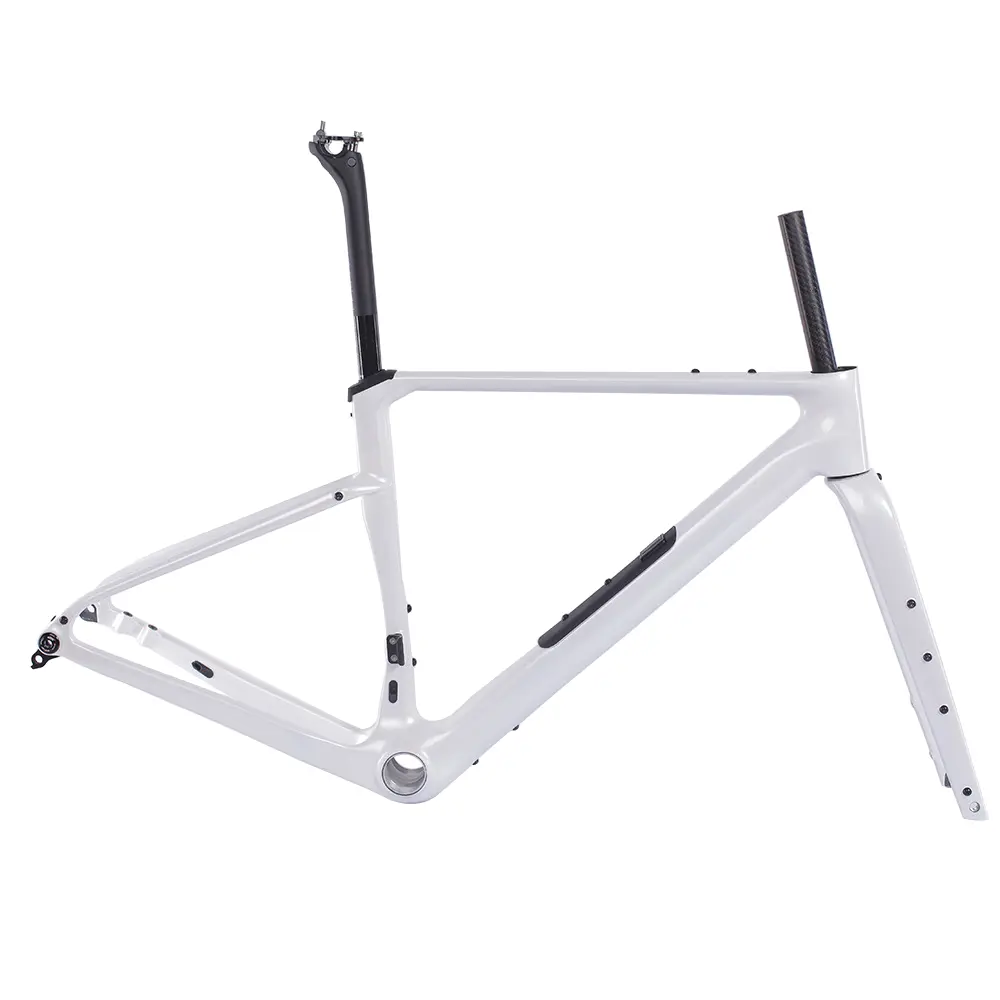

Key reasons carbon fiber has become one of the most popular materials for modern gravel bike frames.
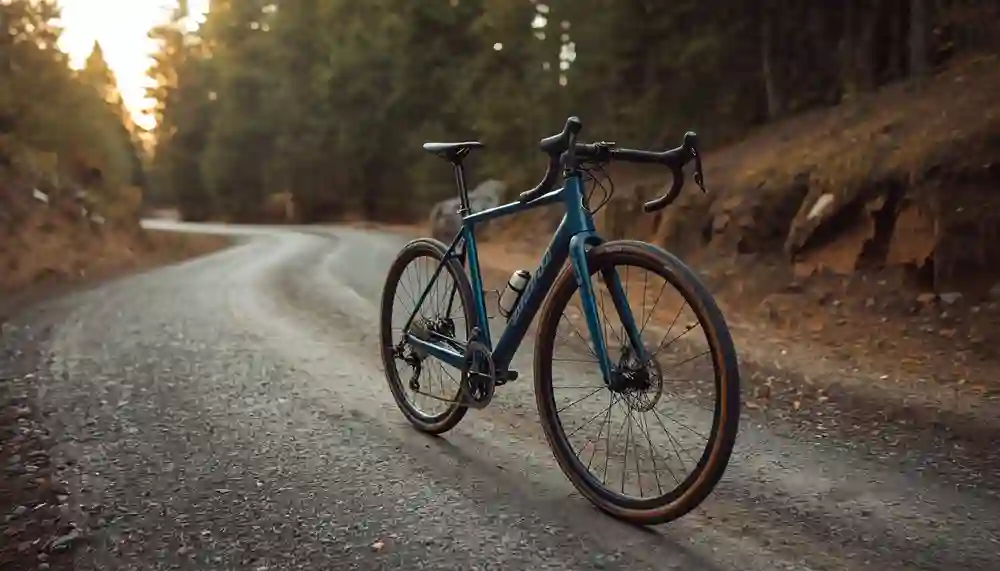
Gravel riding asks a frame to do many jobs at once. It needs to feel efficient on pavement, stable on rough roads, comfortable over long distances and strong enough for unpredictable terrain. This is why many riders choose a carbon gravel bike frame as the foundation of a modern gravel build.
Carbon is not automatically the best choice for every rider, but it gives frame engineers more control over weight, stiffness, comfort, tube shape and integration than most traditional materials. Below are the main benefits to consider when comparing carbon, aluminum and steel gravel frames.
1. Lower Weight for Climbing and Acceleration
One of the clearest advantages of a carbon gravel bike frame is lower weight. A lighter frame helps when climbing, accelerating out of corners, lifting the bike over obstacles or riding long distances with less fatigue.
Weight is not the only thing that matters, but it becomes important when the bike also carries wider tires, bags, bottles or bikepacking gear. A well-designed carbon frame can reduce weight without giving up the stiffness and stability needed for gravel riding.
For example, Mondince gravel models such as the FM336 carbon gravel frame, FM316 and FM326 are designed for different balances of weight, tire clearance, storage and ride purpose.
2. Better Vibration Damping on Rough Roads
Gravel roads create constant vibration from washboard surfaces, loose stones and uneven dirt. A good carbon layup can help reduce high-frequency vibration, making the bike feel smoother over long rides.
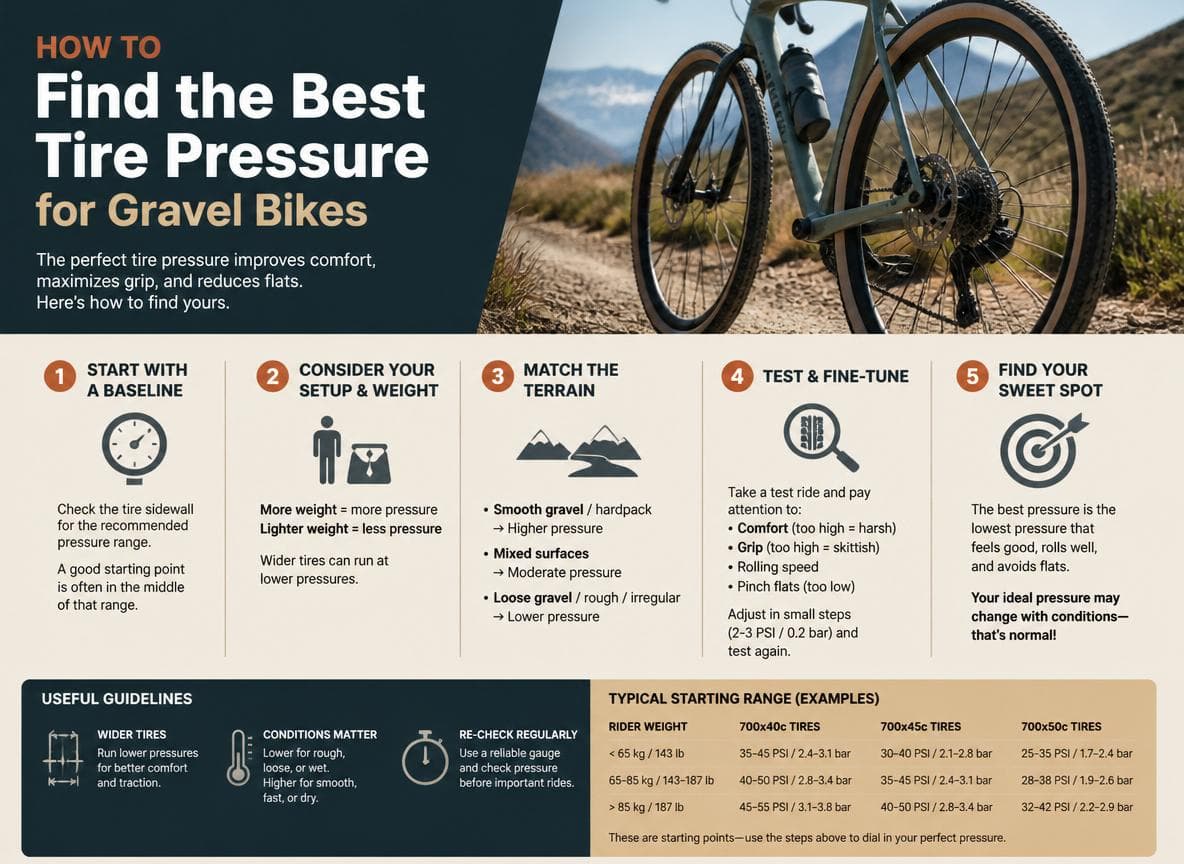
This does not mean the frame replaces tires, pressure or fit. Tire width and tire pressure still make a huge difference. But carbon gives engineers the ability to tune specific areas of the frame, such as the seatstays, fork and top tube, for a more comfortable ride while keeping the bottom bracket and head tube stiff.
For tire setup decisions, read our gravel frame tire clearance guide.
3. Tuned Stiffness Where It Matters
Carbon fiber is directional, which means the layup can be designed to add stiffness in one area and controlled flex in another. This is useful for gravel frames because the bike needs efficient power transfer and predictable handling without feeling harsh all day.
The bottom bracket, chainstays and head tube usually need more stiffness for pedaling and steering control. The seatstays and fork can be tuned for more comfort. This targeted design is one of the key reasons carbon performs well for mixed-surface riding.
4. Strong Fatigue Resistance When Properly Engineered
Carbon should not be described as having "infinite fatigue life." That claim is too absolute. A safer and more accurate way to say it is that a properly engineered and tested carbon frame can have excellent fatigue resistance and long service life when used within its intended limits.
For gravel riding, quality control matters. Carbon layup, resin control, mold accuracy, curing process and inspection all affect durability. This is why buyers should look beyond weight claims and check testing, warranty and manufacturer experience.
Mondince focuses on carbon frame testing and quality control for road, gravel, MTB and e-bike frames. You can also review our certification and testing information.
5. More Freedom for Tube Shape and Integration
Carbon can be molded into shapes that are difficult to make with metal tubes. This allows frame designers to add aerodynamic tube profiles, internal cable routing, integrated storage, shaped chainstays and larger tire clearance while keeping the frame visually clean.
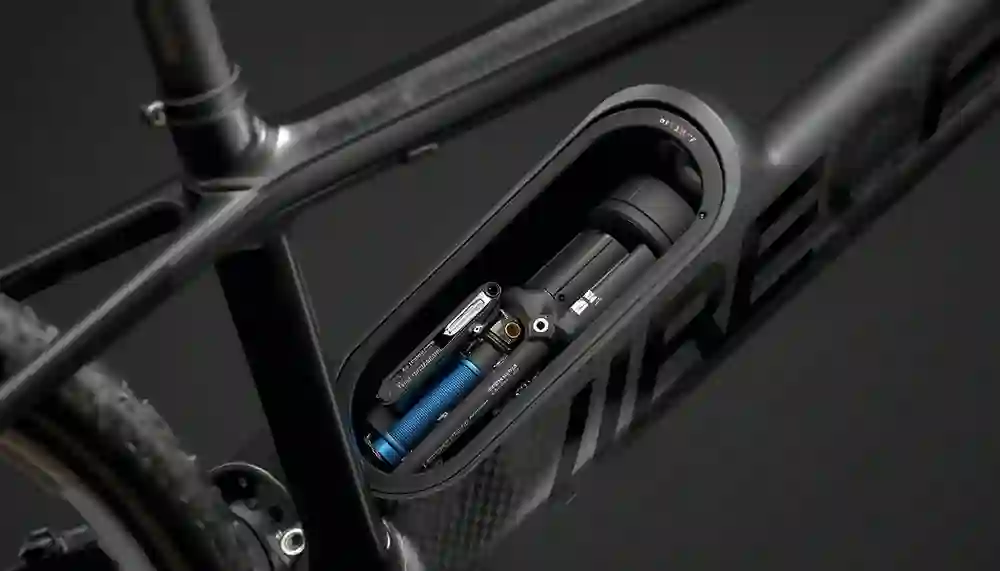
Some Mondince gravel frames include features such as internal downtube storage, T47 bottom bracket shells, UDH compatibility and fully internal routing. These details make the frame easier to build into a modern gravel bike for racing, bikepacking or all-road use.
6. Custom Paint and OEM Possibilities
Carbon frames are also suitable for custom paint, custom layup requirements and OEM projects. For bike brands and shops, this means the same frame platform can support different colors, logos, specifications and market positioning.
For individual riders, custom paint can make the build more personal. For commercial projects, OEM customization can include paint, branding, geometry discussion, packaging and model selection. Mondince supports OEM carbon bike frame services and custom paint projects for gravel, road, MTB and e-bike frames.
7. Modern Standards and Long-Term Upgrade Value
A good carbon gravel bike frame can become the long-term foundation of the bike. You can start with practical components and upgrade wheels, drivetrain, cockpit and tires later. The frame should support modern standards so the bike remains easy to service and upgrade.
- T47 threaded bottom bracket: Easier service and better resistance to creaking.
- UDH compatibility: Better hanger availability and future drivetrain support.
- Flat-mount disc brakes: Clean modern brake standard for road and gravel frames.
- Thru-axles: Better wheel security and disc brake alignment.
- Internal routing: Cleaner appearance and modern cockpit compatibility.
Carbon vs Aluminum vs Steel Gravel Frames
Each material has advantages. Carbon is strong for weight, tuning and integration. Aluminum is usually more affordable. Steel has a classic ride feel and repairability. The right choice depends on budget, riding style, frame expectations and long-term upgrade plans.
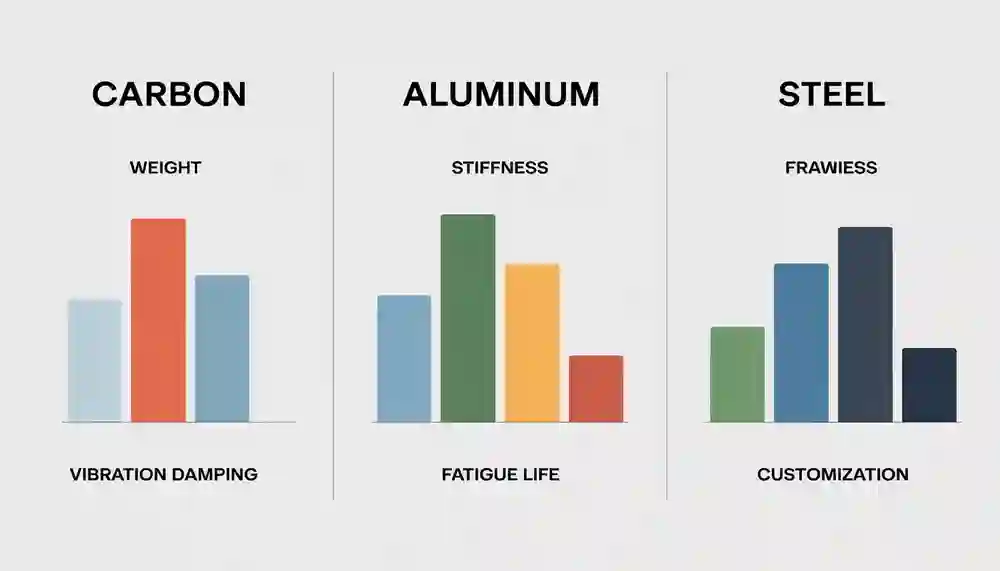
| Material | Strengths | Trade-Offs | Best For |
|---|---|---|---|
| Carbon | Low weight, tunable stiffness, comfort, aero shaping and integration. | Requires good manufacturing quality and careful damage inspection. | Performance gravel, racing, adventure builds and OEM projects. |
| Aluminum | Affordable, practical and widely available. | Usually harsher ride feel and less design flexibility. | Budget gravel builds and entry-level riders. |
| Steel | Comfortable ride feel, durability and repairability. | Heavier and less suitable for aerodynamic shaping. | Touring, classic builds and riders who prioritize repairability. |
Which Carbon Gravel Frame Should You Choose?
Choose the frame based on your main riding style instead of only chasing the lowest weight.
- Fast mixed-surface riding: Choose a lighter, responsive frame with moderate tire clearance.
- Bikepacking and rough gravel: Choose more tire clearance, storage and mounting options.
- All-terrain adventure: Choose larger clearance and stable geometry.
- OEM or brand projects: Choose a frame platform that supports customization, paint and clear specifications.
To compare Mondince gravel models, visit the full carbon gravel bike frame collection. For a detailed tire clearance comparison, see 45mm vs 50mm vs 57mm gravel frame tire clearance. For bikepacking storage, read best gravel frame with internal storage for bikepacking.
Final Thoughts
A carbon gravel bike frame is valuable because it can combine low weight, comfort, stiffness, tire clearance, clean integration and upgrade potential in one platform. It is not magic, and it still depends on good engineering and quality control, but it gives frame designers more tools to create a capable do-it-all gravel bike.
If you are planning a new gravel build, start by comparing tire clearance, geometry, storage, bottom bracket standard and intended terrain. Then choose the frame that fits your riding style and long-term upgrade plan. For model advice, OEM pricing or custom paint options, contact Mondince.