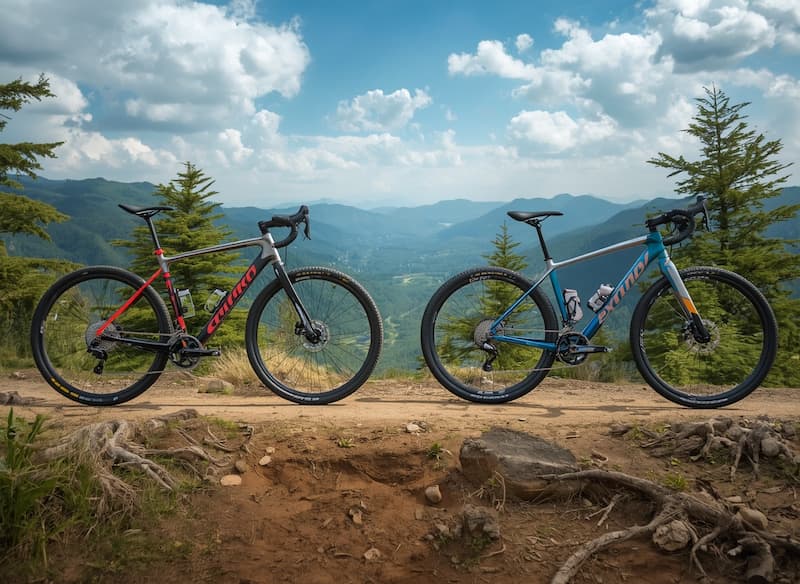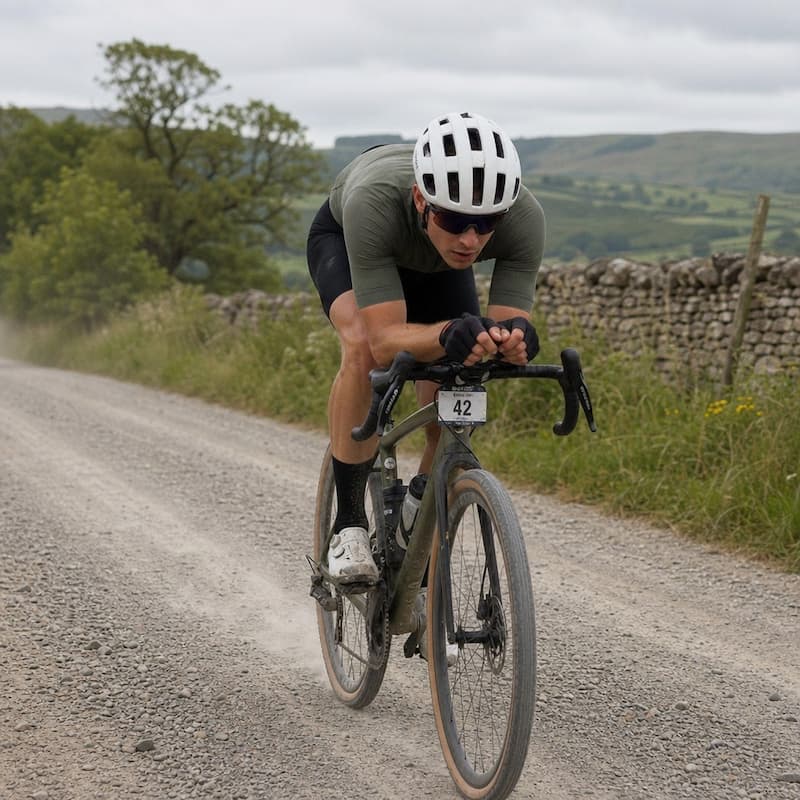

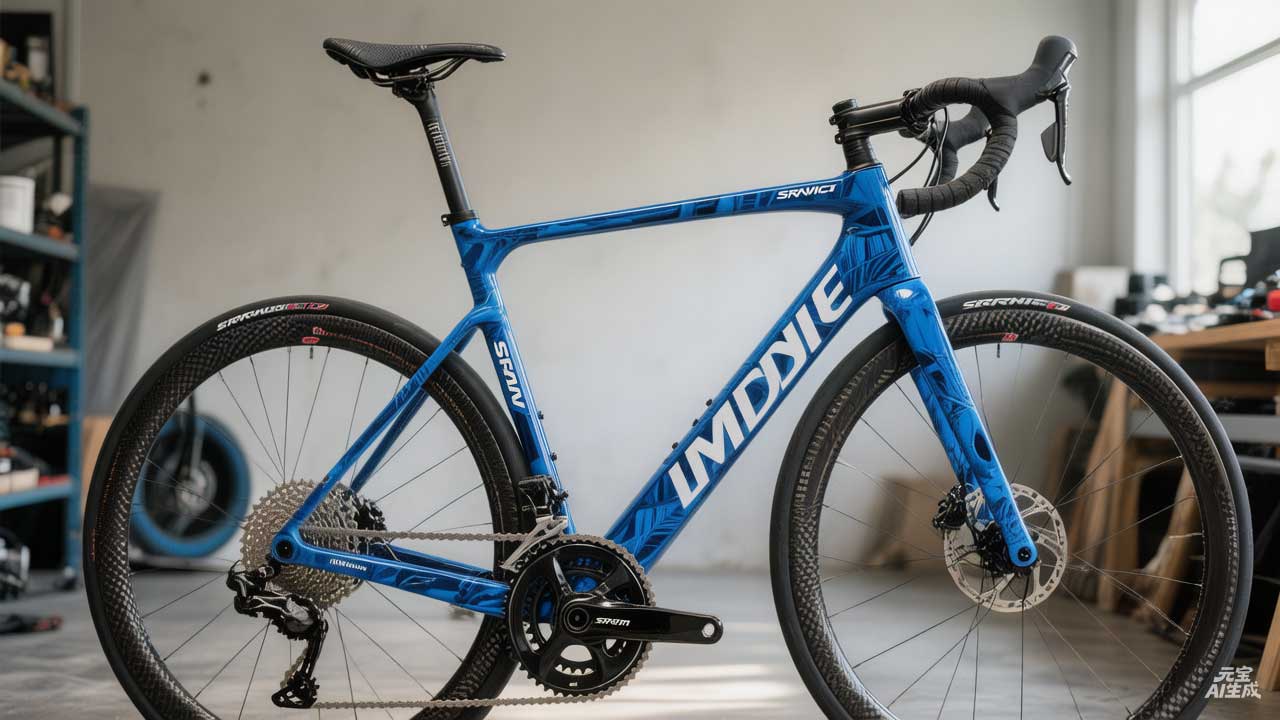
Can a sub‑$1000 carbon frame really compete against $5000 race gravel bikes? I took the FM336 to a local gravel race to find out.
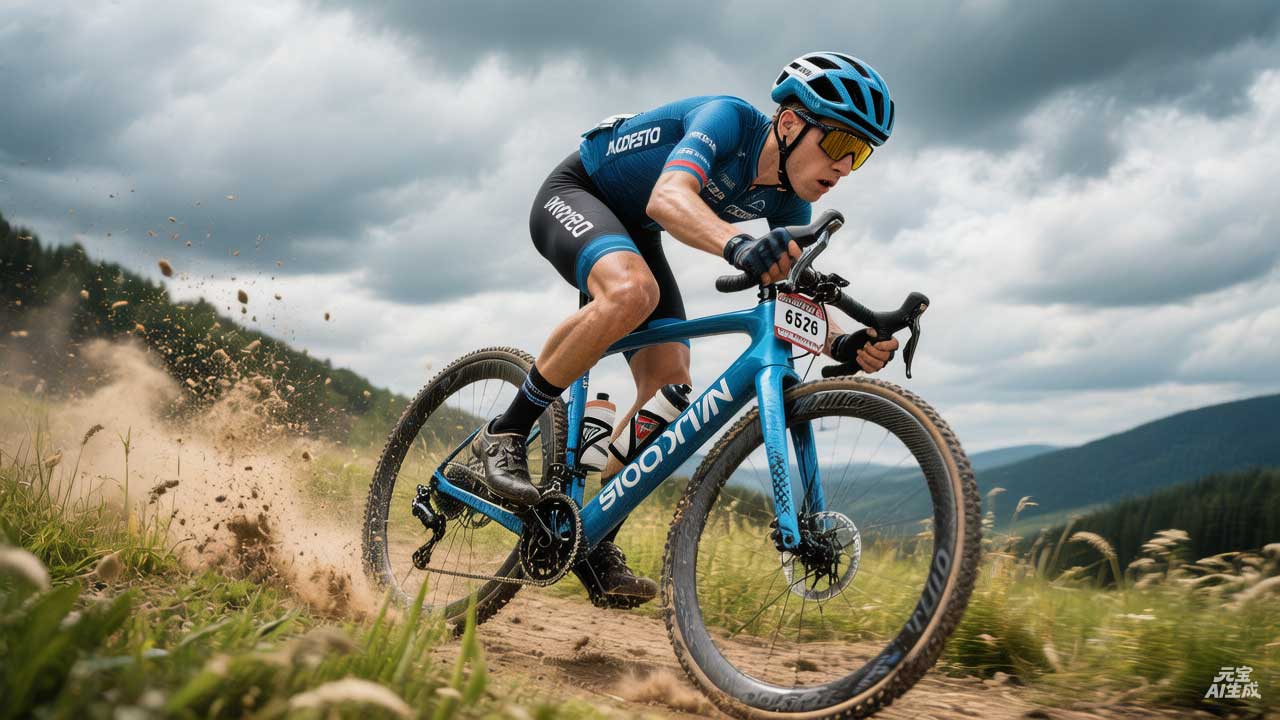
For the past two seasons, I've raced on a big‑brand carbon gravel bike that cost nearly $5000. When I first heard about the Mondince FM336 – a $1000 carbon frame with T47, UDH, internal storage, and claimed sub‑1200g weight – I was skeptical. Could a direct‑to‑consumer frame from a brand I'd barely heard of really hold its own in a competitive gravel race? I decided to build one up and find out. This is my honest race review after a 60km mixed‑terrain gravel race with over 800m of climbing, high‑speed descents, tight singletrack, and a sprint finish.
Build for Speed: Component Choices
To keep the bike race‑worthy, I chose:
- Groupset: SRAM Rival eTap AXS XPLR (1x, 40T chainring, 10‑44T cassette)
- Wheels: Light Bicycle AR46 carbon rims on DT Swiss 240 hubs (1460g)
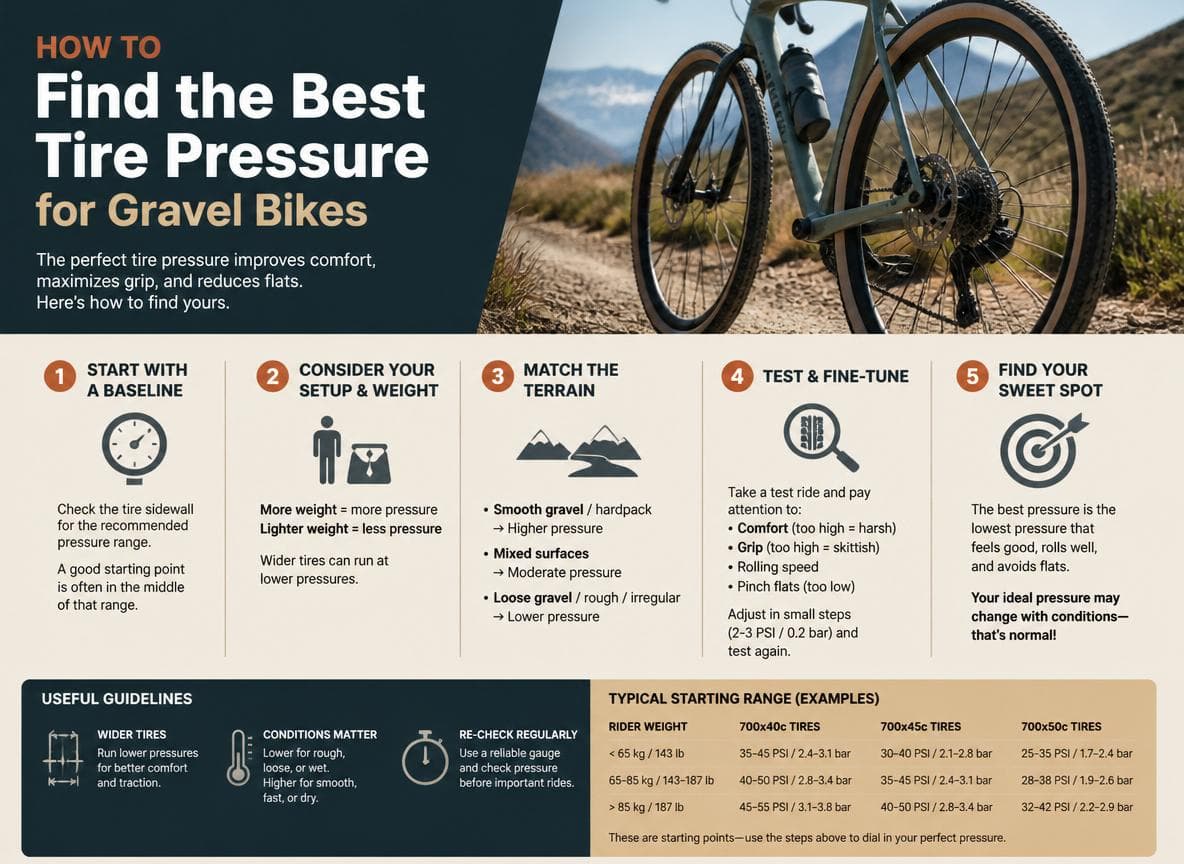
- Tires: Challenge Getaway Pro 700x45mm tubeless (set up at 28 psi front / 30 psi rear)
- Cockpit: Enve Compact Road carbon handlebar (40cm) + Zipp SL Sprint stem
- Saddle: Prologo Dimension NDR
Total bike weight (size M, no pedals) came out to 7.8kg – impressively light for a gravel race machine.
The Race: 60km of Mixed Mayhem
The course profile: 35% pavement, 50% smooth gravel, 10% chunky doubletrack, and 5% muddy singletrack. Elevation – 820m. Weather – overcast, 12°C, damp sections.
Climbing: Stiff BB = Instant Response
On the first steep climb (2km at 8%), I stood up to accelerate out of a hairpin. The FM336's bottom bracket area is seriously stiff – no noticeable flex even when putting down 400+ watts. The bike tracked straight and transferred power immediately. I passed three riders on the climb who were on name‑brand bikes. The 71° head tube and 1030mm wheelbase didn't feel sluggish; instead, the bike encouraged me to stay seated and spin, which saved energy for later.
Descents: Confident and Composed
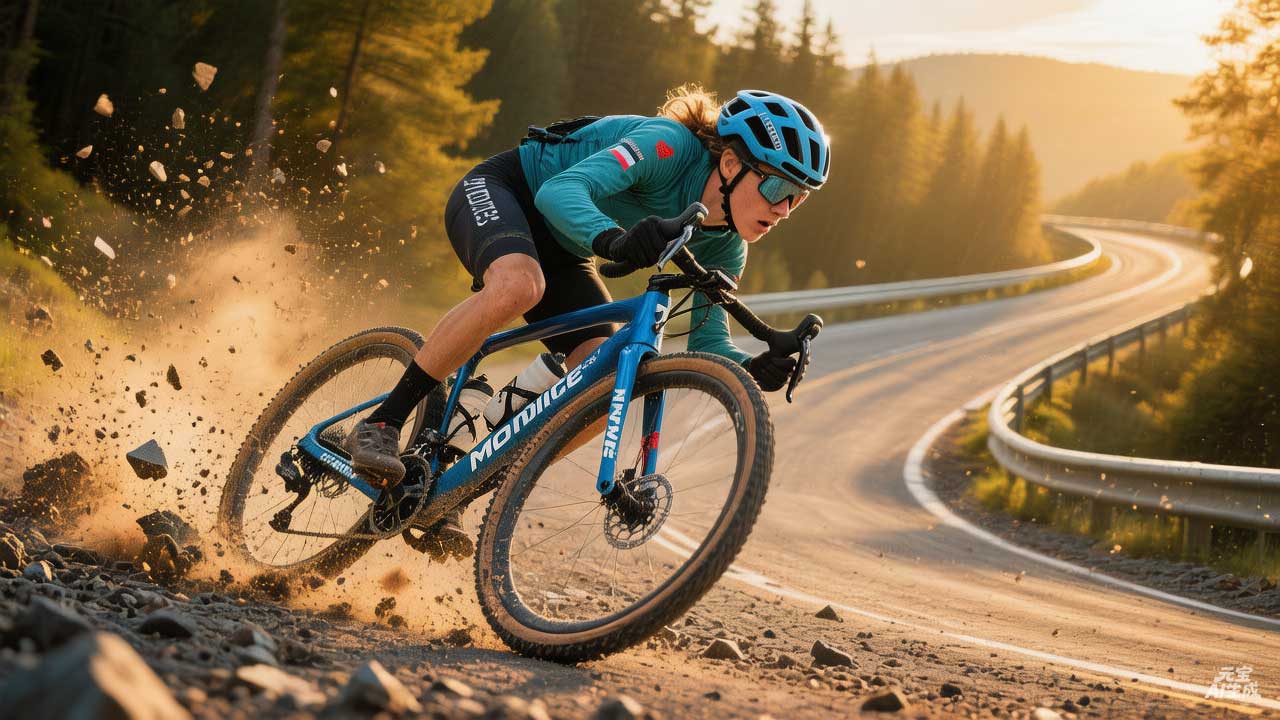
The fastest section was a 4km descent with loose gravel over hardpack. At 55km/h, the FM336 tracked like it was on rails. The progressive geometry keeps the front wheel planted, and the 47mm tire clearance (I ran 45mm) allowed me to drop pressure slightly for extra grip without worrying about rim strikes. I outbraked several riders into corners because the bike's stability let me brake later – a clear advantage over twitchier "all‑road" frames.
Singletrack: Playful but Not Nervous
The 5km singletrack section was muddy with roots and tight switchbacks. I was worried the 1030mm wheelbase would be too long for quick direction changes. Surprisingly, the bike handled well. The 425mm chainstays keep the rear end responsive, and the overall geometry never felt like a boat. I was able to flick the bike through tight gaps and stay on the wheel of a rider on a dedicated cyclocross bike.
Sprint Finish: No Regrets
With 2km to go, a small group formed. I launched my sprint at 300m out. The FM336's front end is reassuringly stiff – no flex in the head tube or fork. I hit 52km/h on a slight uphill, taking 3rd place in my category. The frame didn't hold me back; in fact, I felt more confident than on my previous $5000 bike because the geometry gave me a better balance of aero position and control.
Where the FM336 Shines for Racing
- Weight: Under 1200g (painted, hardware included) – competitive with frames costing 3x as much.
- Stiffness: Bottom bracket and head tube are race‑grade stiff, no energy loss.
- Geometry: The 71° HTA, 1030mm wheelbase, and 425mm chainstays hit the sweet spot for mixed‑terrain racing – stable at speed, responsive when needed.
- Internal storage: I kept a CO2 inflator, bacon strips, and a multi‑tool inside the downtube – no bag flapping in the wind, and everything stayed dry through mud puddles.
- Modern standards: T47 bottom bracket (creak‑free), UDH (SRAM Transmission ready), flat‑mount disc brakes.
Trade‑offs for Racers
- No dealer support: At the race, my derailleur hanger bent slightly. I couldn't walk into a neutral support tent and get a UDH – less convenient than big brands.
- Paint chips: After one race, there are a couple small chips on the chainstay from gravel spray. Fine for a race bike, but if you want a pristine show bike, get a frame protector kit.
- Resale value: You won't get as much back as a Specialized or Trek, but you also spent far less upfront.
Final Verdict: Secret Weapon or Hype?
The FM336 is the real deal for racers who:
- Want modern geometry that works for fast gravel and occasional pavement
- Don't want to spend $4000+ on a frame alone
- Enjoy building and maintaining their own bike
- Value performance over brand logos
If you're a podium chaser or weekend warrior looking for an affordable race platform, the FM336 is a legitimate secret weapon. It won't hold you back – and you'll smile when you realize how much money you saved.
Ready to build your own race‑ready FM336? Check the FM336 product page. For more race gravel insights, read our Ultimate Guide to Gravel Bike Frames or the geometry comparison with big brands.