
A technical comparison of three modern carbon gravel frame approaches
Geometry is one of the most important factors when choosing a carbon gravel bike frame. It affects how the bike climbs, descends, corners, handles rough gravel and feels after several hours in the saddle. Marketing terms can sound similar, but the numbers behind the frame often reveal very different design priorities.
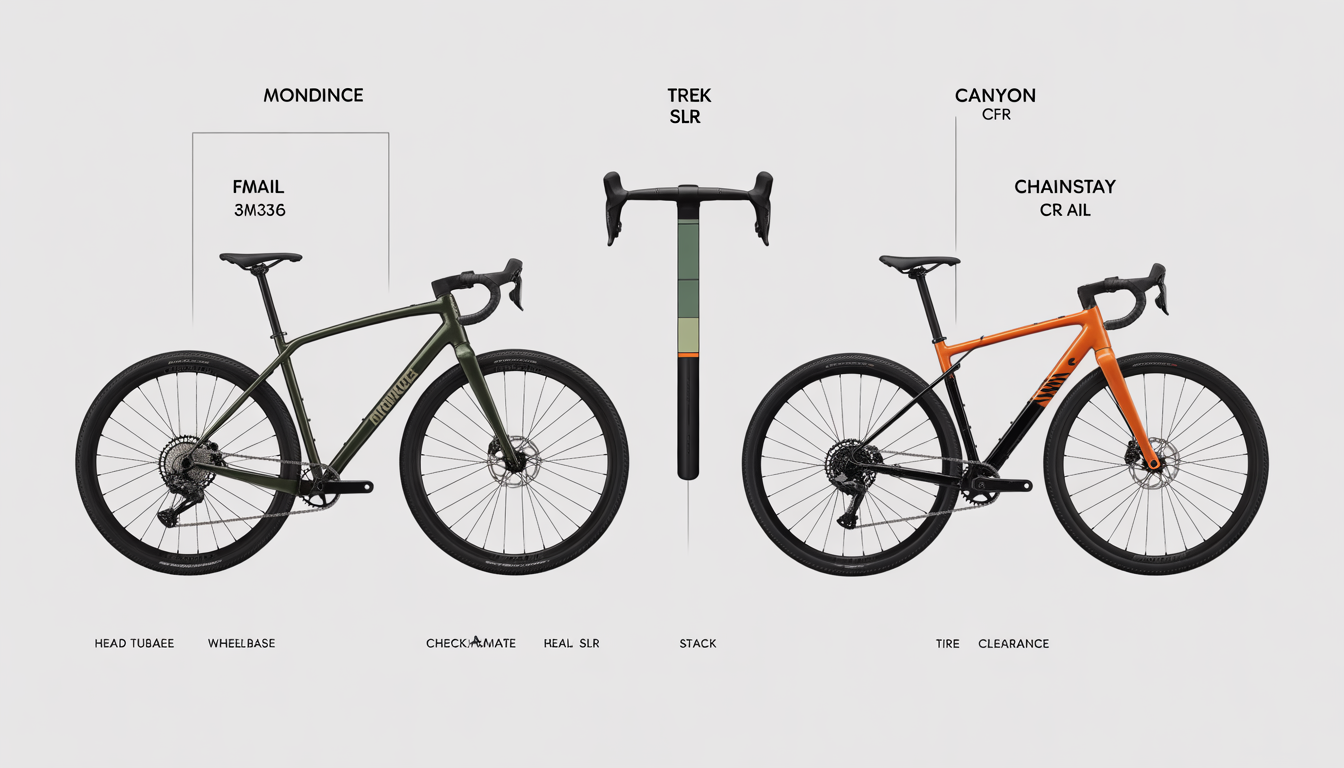
In this comparison, we look at the Mondince FM336, Trek Checkmate SLR and Canyon Grail CFR. The goal is not to say one frame is perfect for every rider, but to understand how each frame is positioned and where the FM336 fits for riders who want modern standards, practical tire clearance and strong value.
Why Geometry Matters for Gravel
Gravel riding needs a careful balance. A gravel frame should feel stable on loose descents, efficient on pavement, comfortable on long routes and predictable when carrying bottles, bags or light bikepacking gear.
- Head tube angle: A slacker angle usually improves high-speed stability, while a steeper angle feels quicker.
- Wheelbase: A longer wheelbase feels more planted; a shorter one can feel more responsive.
- Reach and stack: These numbers shape the rider's position and long-distance comfort.
- Chainstay length: This affects traction, acceleration and rear-end stability.
- Tire clearance: Wider tire clearance expands the frame's use case across rougher terrain.
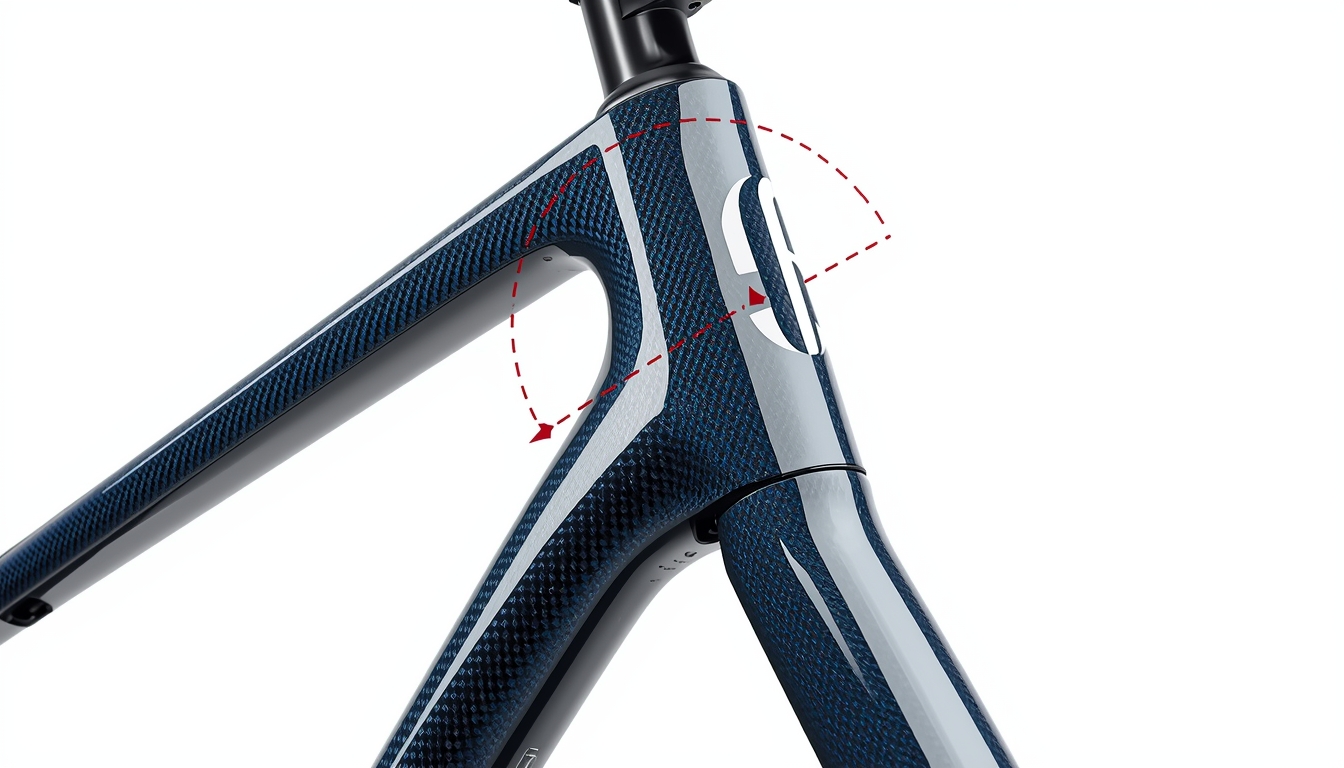
Geometry Snapshot
| Frame | Design Focus | Best Fit |
|---|---|---|
| Mondince FM336 | Balanced gravel geometry with storage, UDH, T47 and generous tire clearance. | Riders who want one carbon gravel frame for fast gravel, endurance riding and adventure use. |
| Trek Checkmate SLR | Race-focused gravel design with aero positioning and high-speed control. | Riders focused on competitive gravel racing and brand/dealer support. |
| Canyon Grail CFR | Fast gravel race platform with integrated storage and aero features. | Riders who want a premium race-oriented complete bike platform. |
Head Tube Angle and Handling
The head tube angle influences how quickly the front end responds. A steeper front end usually feels sharper on smooth roads and fast turns. A slightly slacker front end can feel calmer on loose gravel, descents and rougher surfaces.
The FM336 is designed around balanced handling rather than an extreme race-only position. This makes it suitable for riders who want speed, but still need confidence on mixed gravel routes, rough farm roads and long all-day rides.
| Frame | Handling Character | Practical Meaning |
|---|---|---|
| FM336 | Balanced and stable. | Good for mixed gravel, long rides and varied surfaces. |
| Trek Checkmate SLR | Race-oriented stability. | Designed for fast gravel racing and aggressive riding. |
| Canyon Grail CFR | Fast and performance-focused. | Built around speed, aero integration and race efficiency. |
Reach and Stack: Rider Position
Reach and stack determine how stretched or upright the rider feels. A lower and longer position can help with speed, but it may become tiring for long-distance adventure riding. A taller position can improve comfort, but may feel less aggressive for racing.
The FM336 aims for a middle ground. It gives riders a performance gravel position without becoming too aggressive for long mixed-terrain rides. This makes it especially useful for riders who want one frame for fast gravel rides, endurance routes and light adventure builds.
Chainstay Length and Traction
Chainstay length affects how the rear end of the bike behaves. Shorter chainstays can feel more responsive when accelerating, while slightly longer chainstays can improve traction and stability, especially when climbing loose surfaces or carrying gear.
The FM336 uses a practical gravel approach: responsive enough for fast riding, but stable enough for rougher gravel and seated climbing. For riders who want more storage and bikepacking capability, the FM326 carbon gravel frame is also worth comparing.
Tire Clearance Comparison
Tire clearance is one of the FM336's strongest advantages. Trek Checkmate SLR is listed for up to 45mm gravel tires, and Canyon Grail CFR is listed with 42mm frame tire clearance. The FM336 gives riders more flexibility for wider gravel tires, depending on wheel and tire setup.
| Frame | Official / Typical Tire Clearance | Best Use Case |
|---|---|---|
| FM336 | Designed for wider gravel tire use. | Mixed gravel, rough roads and adventure riding. |
| Trek Checkmate SLR | Up to 45mm gravel tires. | Fast gravel racing. |
| Canyon Grail CFR | 42mm frame tire clearance. | Race-focused gravel and fast mixed terrain. |
For a deeper tire clearance comparison, read our 45mm vs 50mm vs 57mm gravel frame tire clearance guide.
Internal Storage and Practical Details
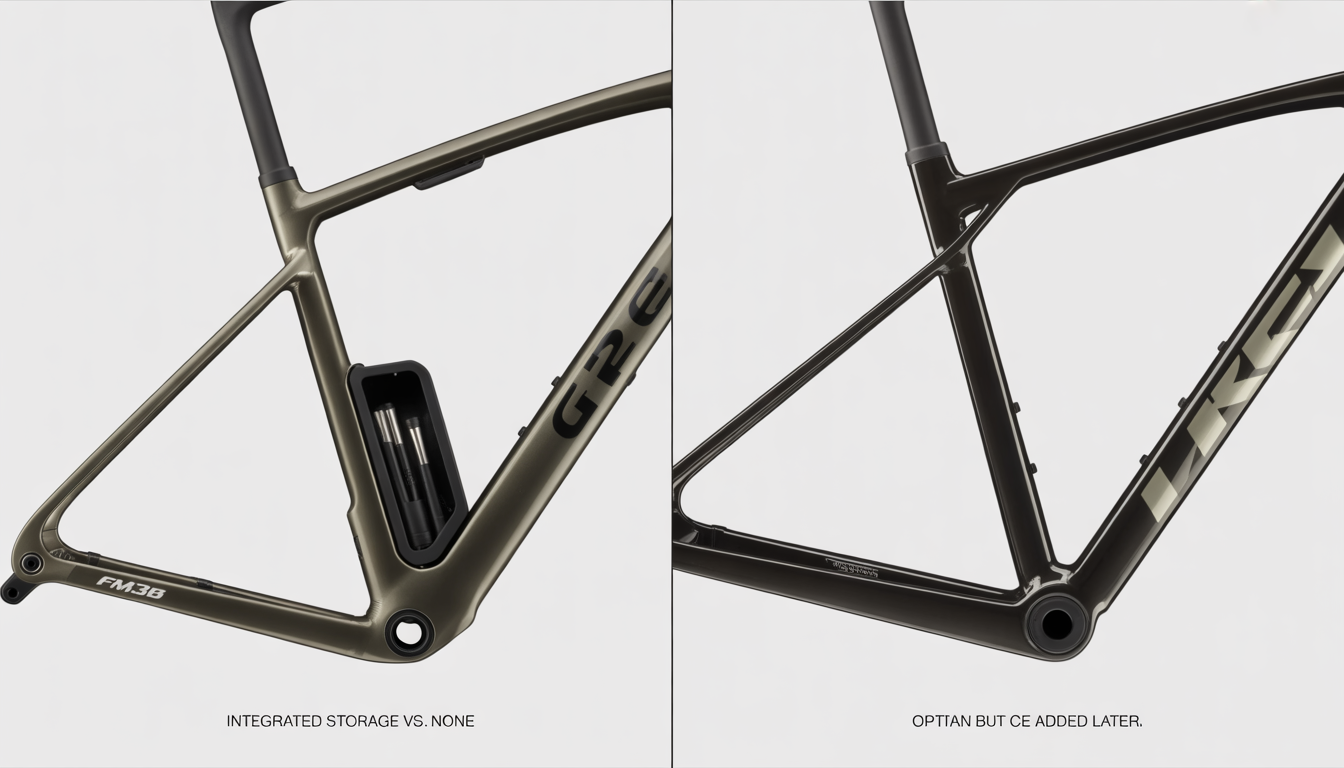
Internal storage is becoming more common on modern gravel bikes. The FM336 includes downtube storage, which is useful for carrying tools, a tube, CO2, small spares or snacks without adding an external bag for shorter rides.
Canyon Grail CFR also offers integrated LOAD downtube storage, so the difference is not simply storage versus no storage. The better question is how the storage fits into the overall frame value, tire clearance, standards, price and intended riding style.
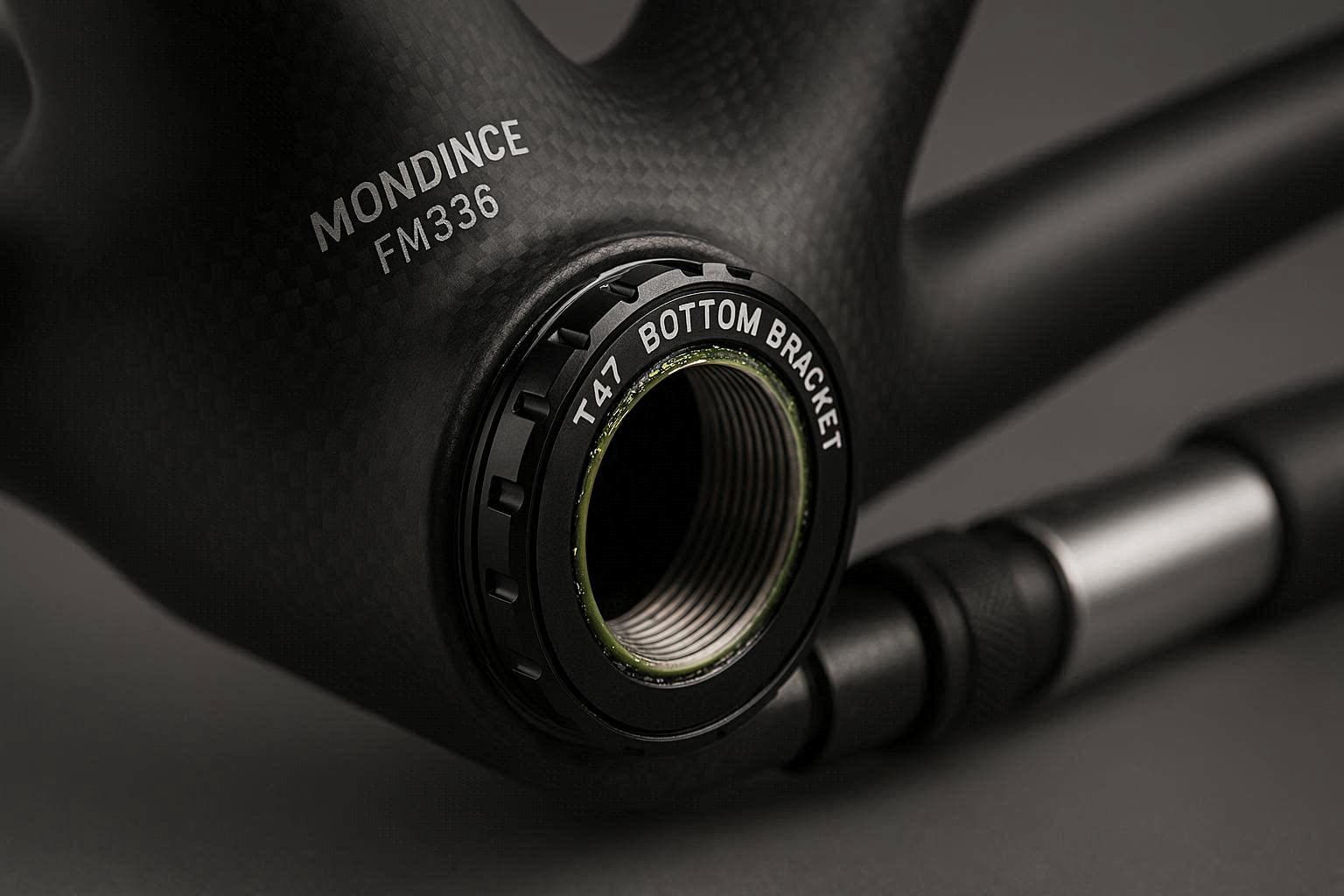
Modern Standards: T47, UDH and Flat Mount
Frame standards affect assembly, service and long-term compatibility. The FM336 uses modern gravel frame standards that make it practical for both individual builds and OEM projects.
- T47 threaded bottom bracket: Easier service and better resistance to creaking compared with many press-fit systems.
- UDH compatibility: Helps future drivetrain compatibility and replacement hanger availability.
- Flat-mount disc brakes: A common modern standard for road and gravel disc brake frames.
- Internal routing: Keeps the frame clean and supports modern cockpit setups.
Which Frame Should You Choose?
| Choose This Frame | If You Want |
|---|---|
| Mondince FM336 | A balanced carbon gravel frame with modern standards, storage, wider tire flexibility and strong value. |
| Trek Checkmate SLR | A premium race-focused platform with established brand and dealer support. |
| Canyon Grail CFR | A fast, integrated gravel race bike platform with aero features and internal storage. |
The FM336 makes the most sense for riders who want modern gravel geometry, practical tire clearance, T47, UDH and storage without paying only for brand prestige. Trek and Canyon are strong premium options, but the FM336 gives riders and builders a more flexible frame-first approach.
Final Thoughts
The best gravel frame is not the one with the most famous logo. It is the one that fits your riding style, tire choice, body position, component plan and budget. The FM336 stands out as a practical carbon gravel frame for riders who want balanced geometry, modern standards and strong performance per dollar.
To compare FM336 with other Mondince gravel models, visit the Mondince carbon gravel bike frame collection. For custom geometry, OEM projects or frame selection advice, contact Mondince.