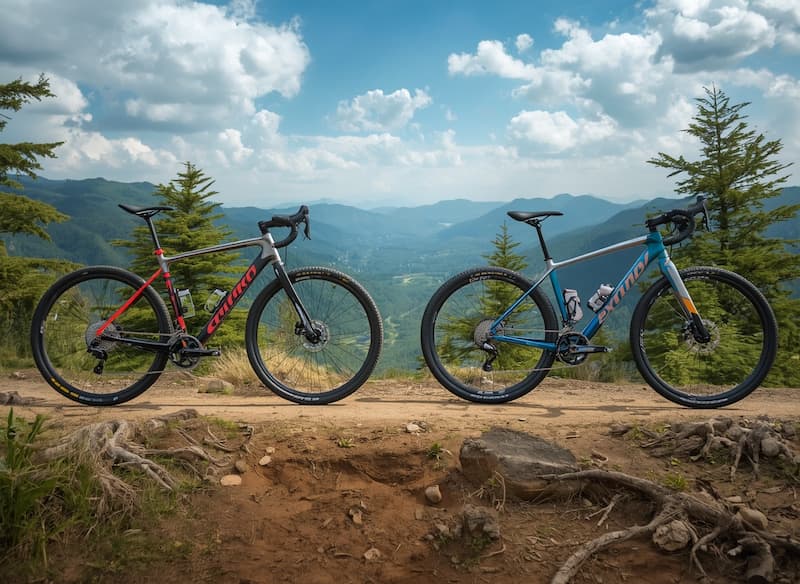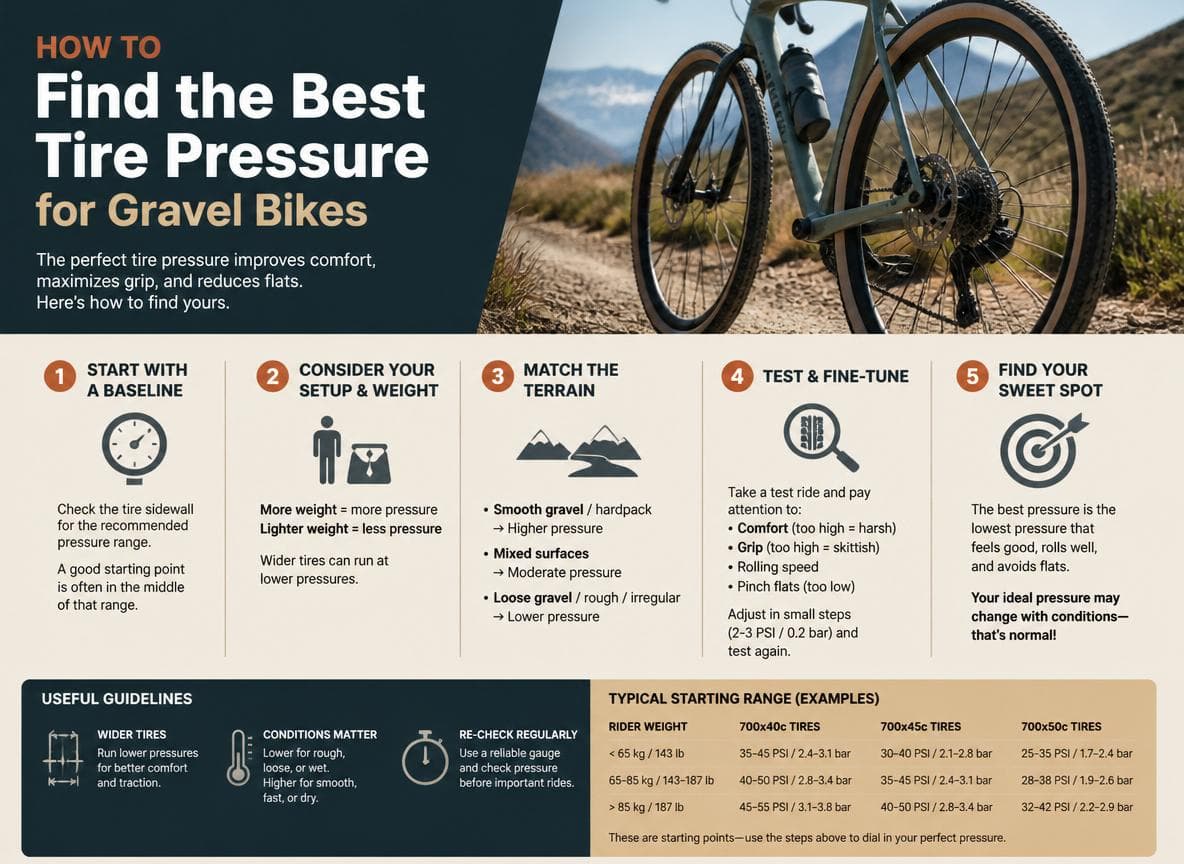

After two months of riding and testing the Mondince FM336 carbon gravel frame, this build review shares the full experience from frame inspection and assembly to ride quality, tire setup, downtube storage, and real-world pros and cons. The FM336 carbon gravel frame is designed for riders who want a lightweight gravel build with modern features such as a T47 bottom bracket, UDH hanger, internal cable routing, and integrated downtube storage.
If you are still comparing different Mondince gravel models, you can also read our Mondince FM336 carbon gravel frame guide or browse the full carbon gravel bike frame collection.
Is a Direct-From-Factory Carbon Gravel Frame Safe?
Before choosing the FM336, the biggest question was simple: can a direct-from-factory carbon gravel frame be trusted for real riding? The answer depends less on price alone and more on whether the frame comes from a real manufacturer with proper molding, carbon layup control, and testing records.
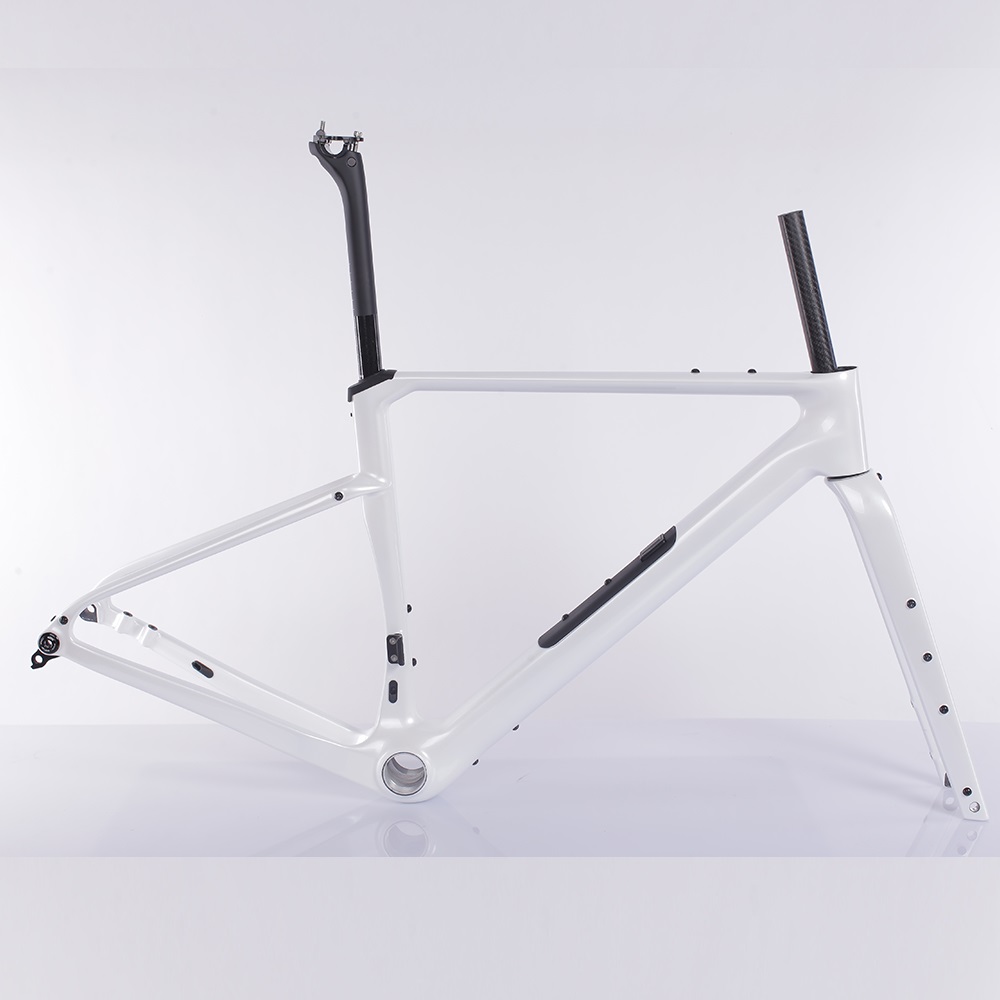
Mondince has been manufacturing carbon bike frames since 2007, and the FM336 is built around practical gravel features rather than only a low price. The frame includes a T47 threaded bottom bracket, UDH hanger compatibility, internal cable routing, and storage space in the downtube. The availability of ISO 4210 testing and certification information also helps reduce the uncertainty that many riders feel when considering an open-mould carbon frame.
On first inspection, the frame finish looked clean, the paint was even, and the cable entry points and mounting areas were neatly finished. The frame weight was close to the listed specification, and the overall impression was closer to a serious gravel frame than a low-cost experiment.
FM336 Build Kit and Component Choices
The goal of this build was to create a fast, capable gravel bike without spending the price of a big-brand complete bike. The FM336 frame was paired with reliable mid-range components that make sense for everyday gravel riding, training, and light bikepacking.
- Frame: Mondince FM336 carbon gravel frame with T47 bottom bracket and UDH hanger
- Groupset: Shimano GRX 810 1x mechanical setup for simple and reliable gravel shifting
- Wheels: Carbon gravel disc wheelset for a balance of stiffness, weight, and durability
- Tires: 700x43c gravel tires set up tubeless for comfort and puncture resistance
- Cockpit: Flared gravel handlebar and carbon seatpost for better control on rough roads
- Accessories: Downtube storage used for small tools, tire levers, CO2, and ride essentials
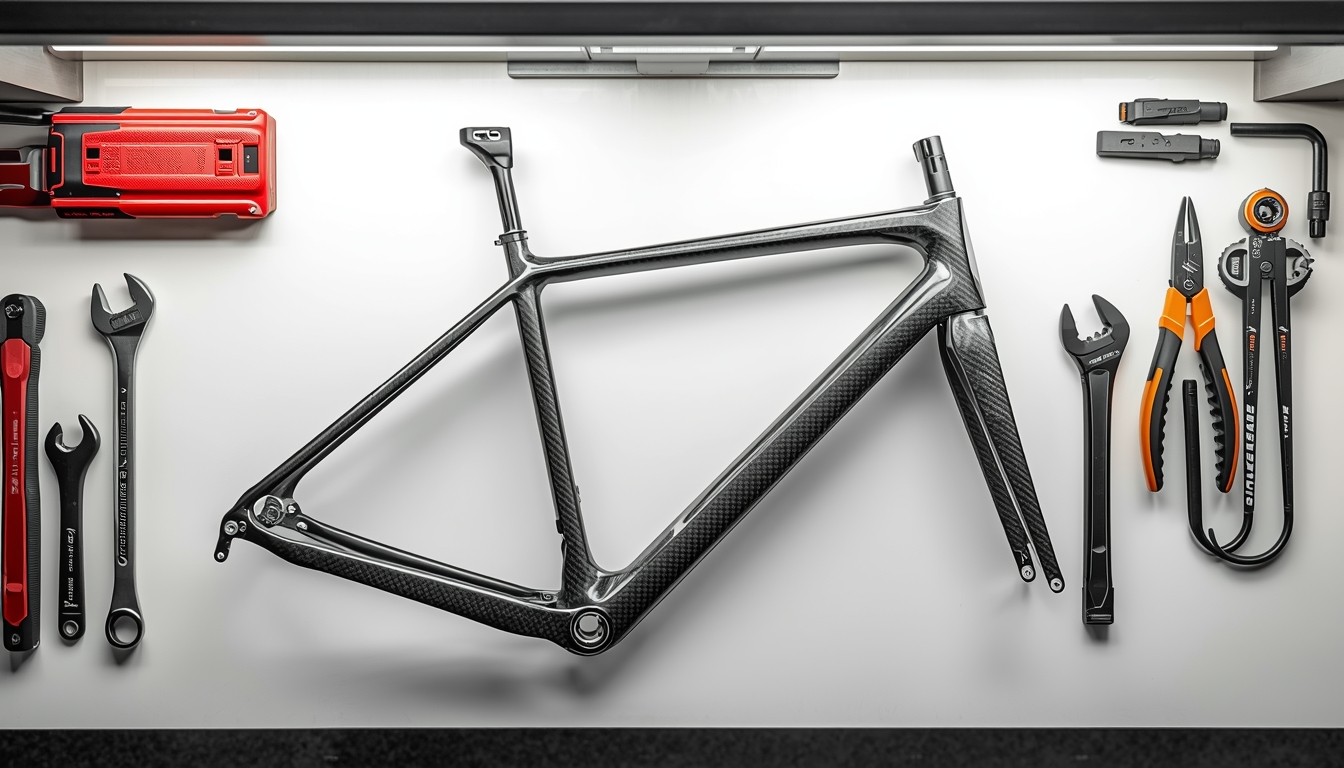
Assembly Notes: What Went Well and What to Check
The FM336 was straightforward to build, but like most fully internal carbon gravel frames, careful assembly matters. The T47 threaded bottom bracket is a practical advantage because it is easier to service than many press-fit systems and helps reduce the risk of creaking when installed correctly.
The internal cable routing looks clean after assembly, but it is worth planning the routing before cutting hoses or housing. For home mechanics, patience is important. For shops or OEM buyers, the frame layout is familiar enough for repeated builds once the first setup is understood.
The most important checks before the first ride were headset preload, bottom bracket torque, brake hose routing, derailleur hanger alignment, and tire clearance. If the bike will be used for bikepacking or rough gravel, it is also worth checking all bottle cage and storage bolts with the correct torque.
FM336 Ride Quality on Pavement and Gravel
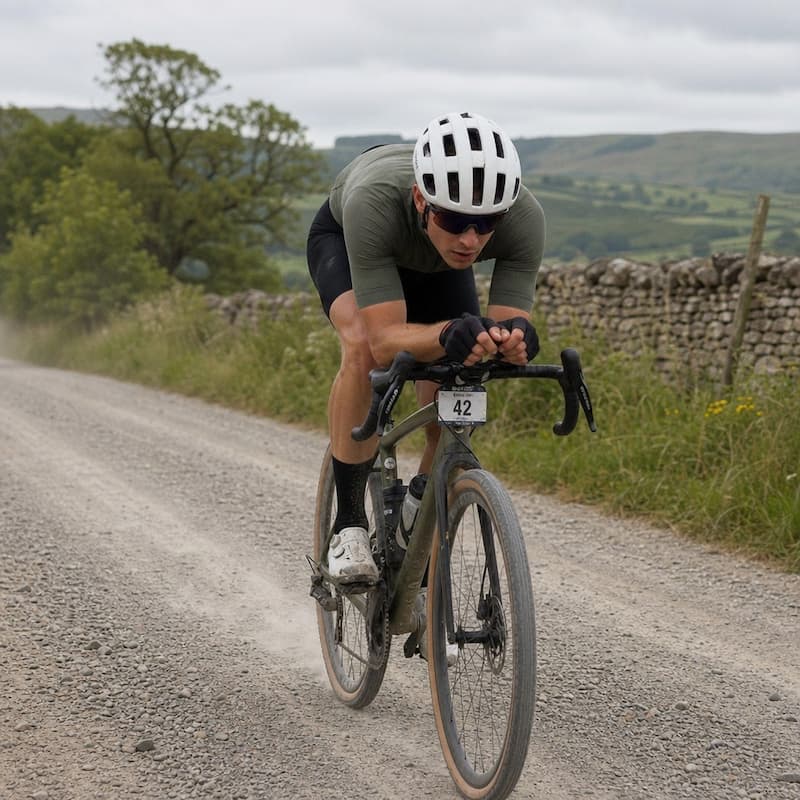
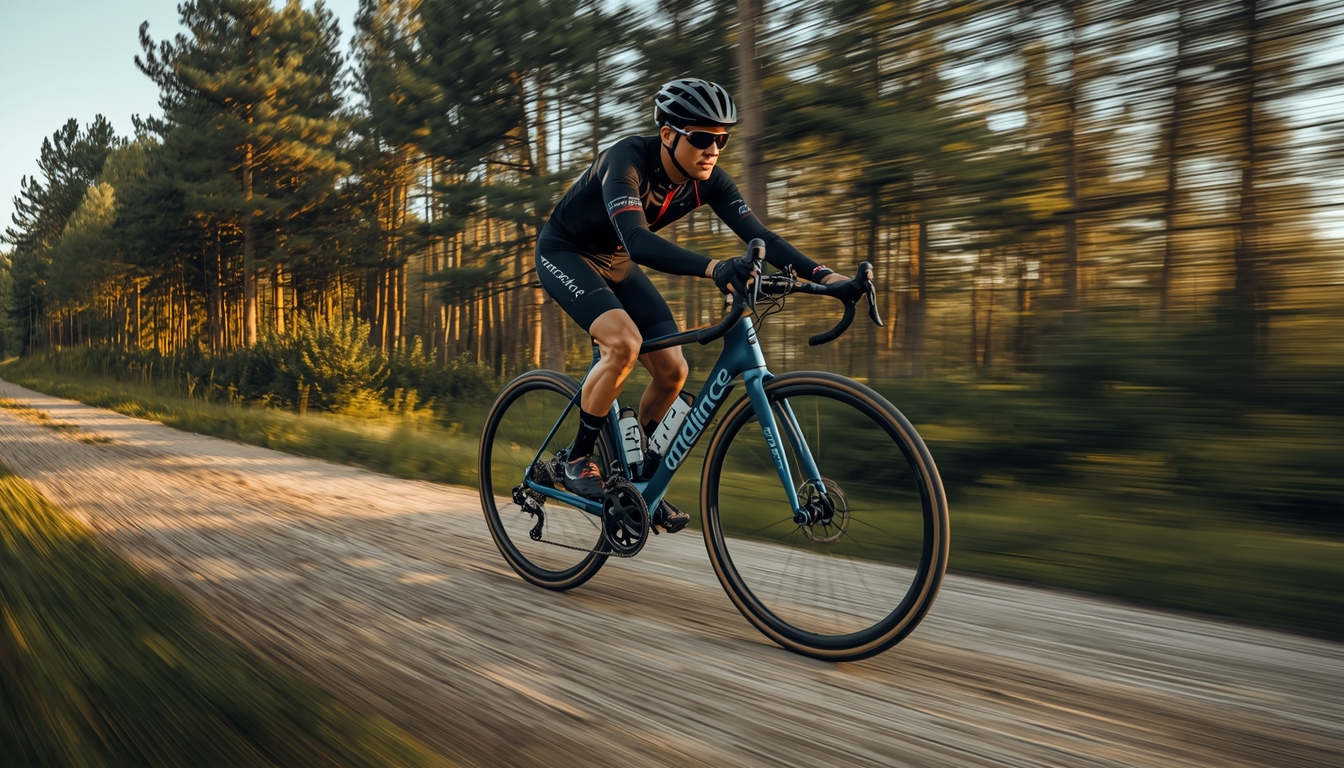
The FM336 feels efficient on pavement and stable once the surface turns to gravel. On a mixed-terrain loop with pavement, smooth gravel, and rougher fire-road sections, the frame felt stiff under acceleration without becoming harsh over repeated vibration.
Out of the saddle, the bottom bracket area feels solid, which helps when climbing or accelerating on hardpack gravel. With 43mm tires at moderate pressure, the frame and fork provide enough comfort for long rides while still feeling responsive. It does not feel like a slow touring bike; it is better described as a fast gravel frame with practical endurance features.
The geometry gives the bike a balanced personality. It is calmer than a pure road bike on loose surfaces, but still quick enough for riders who want speed on mixed routes. For riders choosing between race gravel and adventure gravel, the FM336 sits in a useful middle ground.
Downtube Storage and Practical Details
The integrated downtube storage is one of the most useful features of the FM336. It gives the rider a place to carry small tools, a CO2 inflator, tire levers, or a compact repair kit without needing to fill every pocket or add a large saddle bag.
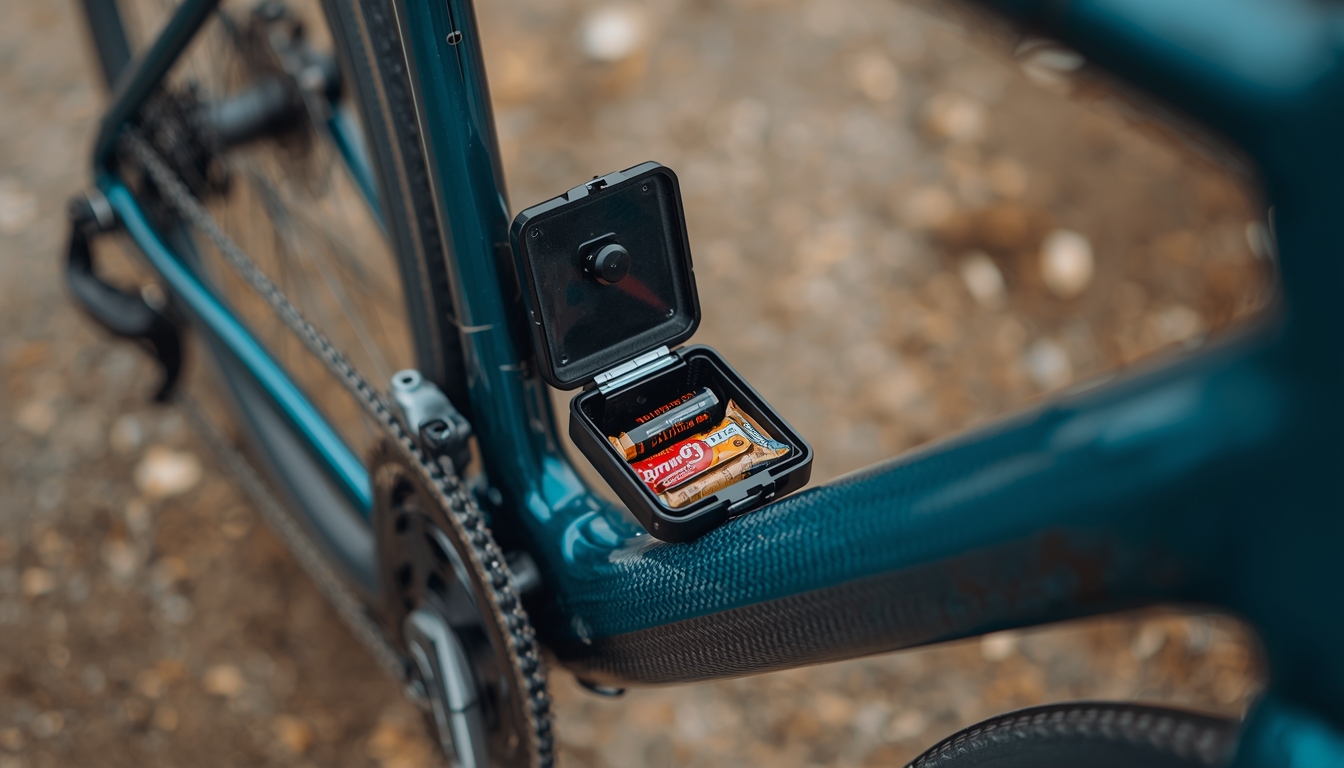
For long gravel rides, this kind of storage makes the bike feel more complete. It is especially useful for riders who want a clean-looking setup but still need to carry emergency tools. The hatch should be checked regularly to make sure it is closed securely before riding on rough terrain.
FM336 Pros and Cons After Two Months
After two months of riding, the FM336 has several clear strengths. It offers modern gravel standards, good stiffness, useful storage, and a clean build appearance at a more accessible price than many big-brand carbon gravel frames.
- Strong points: Lightweight carbon construction, T47 bottom bracket, UDH hanger, internal cable routing, downtube storage, and confident gravel handling.
- Ride feel: Efficient on pavement, stable on gravel, and comfortable enough for longer mixed-surface rides.
- Practical value: A good option for riders who want to build a capable carbon gravel bike without paying for a complete big-brand model.
- Things to check: Cable routing, torque settings, storage hatch fit, tire clearance, and paint protection in high-impact areas.
- Paint durability: Like most painted gravel frames, small chips from gravel spray are possible. Protective film is worth considering for the downtube and chainstay areas.
Who Should Choose the FM336 Carbon Gravel Frame?
The FM336 is a strong fit for riders who want a modern carbon gravel frame for fast mixed-surface riding, weekend gravel routes, endurance training, and light bikepacking. It is especially suitable for riders who care about frame features and build flexibility more than big-brand logos.
It is also a useful model for shops, custom bike builders, and OEM buyers who want a carbon gravel platform with practical standards such as T47, UDH, internal routing, and downtube storage. Riders who want a finished bike with no assembly decisions may prefer a complete bike, but for custom builds, the FM336 offers a lot of flexibility.
Ready to plan your own FM336 build? Visit the FM336 product page for geometry, tire clearance, frame specs, and customization options. You can also compare it with other Mondince carbon gravel bike frames or contact Mondince for OEM, custom paint, or build recommendations.