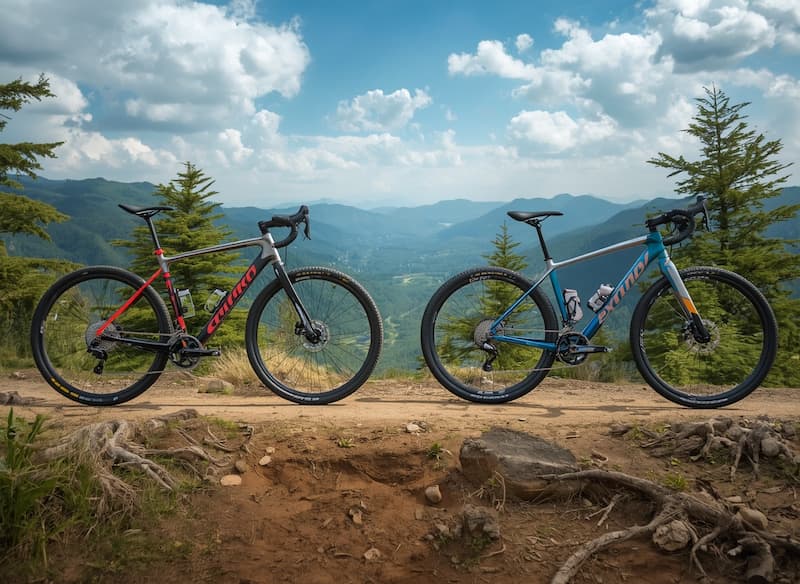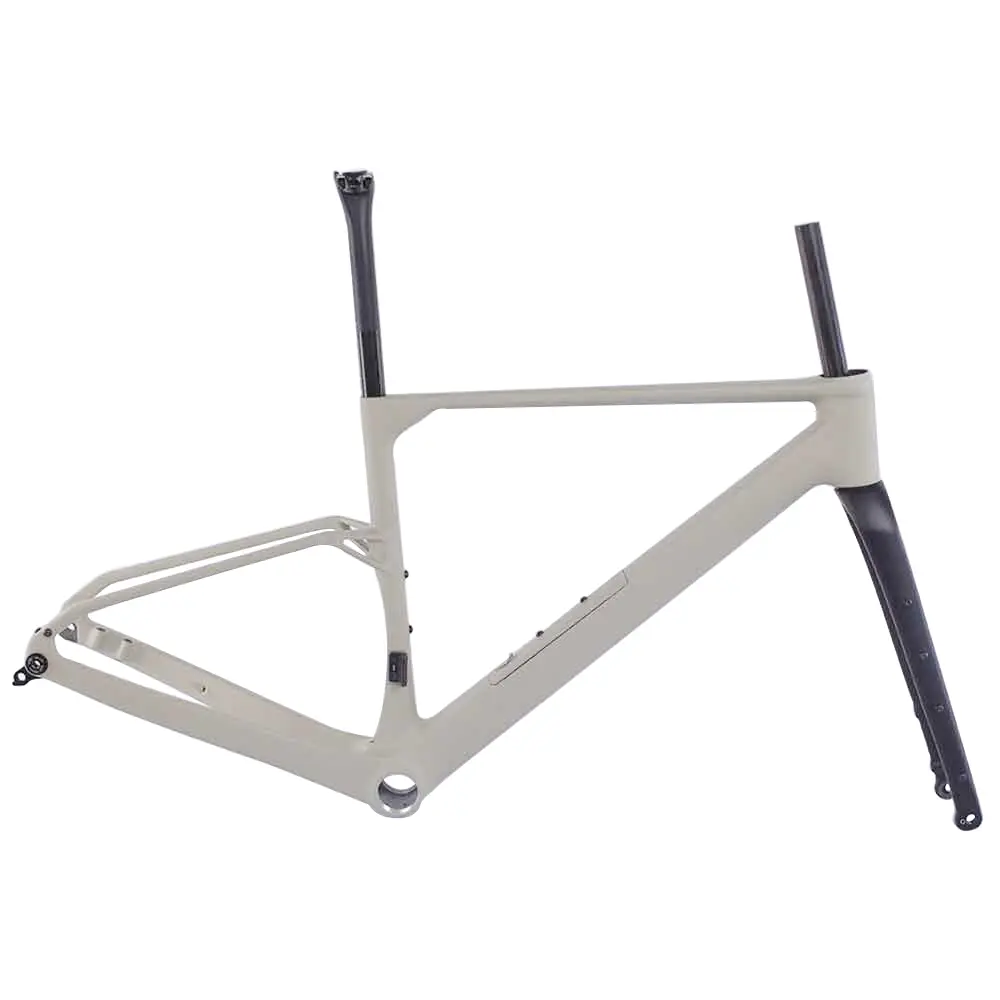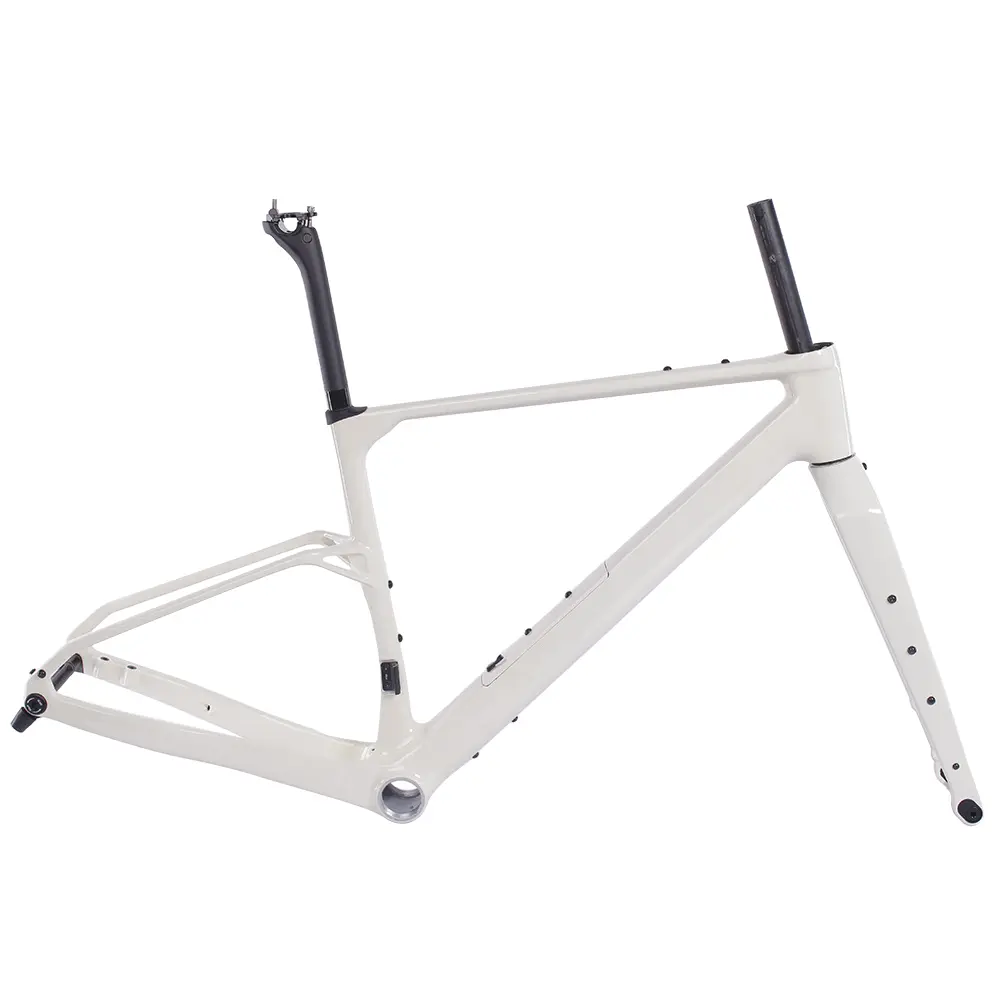

Steel gravel bike frames are known for durability, comfort, and repairability, while carbon gravel frames offer lower weight, tuned stiffness, modern shaping, and strong OEM flexibility. This guide compares steel and carbon gravel frames so riders, bike shops, and frame buyers can choose based on real riding needs.
Gravel riding covers many different use cases: fast mixed-surface racing, long-distance bikepacking, rough backroads, daily training, and all-terrain exploration. Because of this, frame material matters. Steel and carbon fiber can both make excellent gravel bikes, but they serve slightly different priorities.
If you want a frame that feels classic, repairable, and highly durable, steel has real appeal. If you want lower weight, tuned compliance, integrated design, and modern tire clearance, a carbon gravel frame may be the better choice.
Steel Gravel Frames: Why Riders Still Like Them
Steel has a long history in bicycle frame building. A good steel gravel frame can offer a smooth ride feel, excellent durability, and practical repairability. For long-distance touring and remote routes, some riders appreciate the fact that steel tubes can often be repaired by an experienced framebuilder.
Steel also has a distinctive ride quality. Many riders describe it as lively, smooth, or forgiving. This makes it attractive for endurance rides, bikepacking, and riders who value comfort over the lowest possible frame weight.
Carbon Gravel Frames: Why They Dominate Modern Performance Gravel
Carbon fiber gives engineers more control over frame behavior. The layup can be tuned so the bottom bracket and chainstays are stiff for power transfer, while the fork and seat stays help reduce vibration on rough roads. This makes carbon especially useful for modern gravel frames.
Carbon also allows more advanced tube shaping, internal cable routing, integrated storage, aero profiles, and wide tire clearance. For riders who care about speed, climbing, comfort, and modern build features, a carbon gravel bike frame is often the more efficient option.
Steel vs Carbon Gravel Frame Comparison
| Factor | Steel Gravel Frame | Carbon Gravel Frame |
|---|---|---|
| Weight | Usually heavier, especially for complete bikepacking builds | Usually lighter, better for climbing and acceleration |
| Ride Comfort | Naturally smooth and forgiving | Comfort can be tuned through carbon layup and tube design |
| Durability | Strong, dent-tolerant, and repairable | Strong when properly designed and tested, but should be inspected after hard impacts |
| Repairability | Often easier to repair by a skilled framebuilder | Repair is possible in some cases, but requires specialist carbon repair |
| Design Freedom | Good for custom geometry and traditional framebuilding | Excellent for aero shaping, internal routing, integrated storage, and tuned stiffness |
| Best For | Touring, classic builds, repairability-focused bikepacking | Performance gravel, adventure racing, OEM builds, lightweight bikepacking |
Durability and Impact Resistance
Steel is often praised for durability because it can tolerate dents and is easier to repair than many other frame materials. For remote touring, this can be a meaningful advantage.
Carbon gravel frames approach durability differently. Instead of relying on metal tube toughness, they use reinforced layup zones, controlled molding, and testing. A good carbon frame should be designed for gravel-specific loads, tire clearance, braking forces, and bikepacking requirements.
For material background, read our carbon fiber bike frame benefits guide.
Comfort on Long Gravel Rides
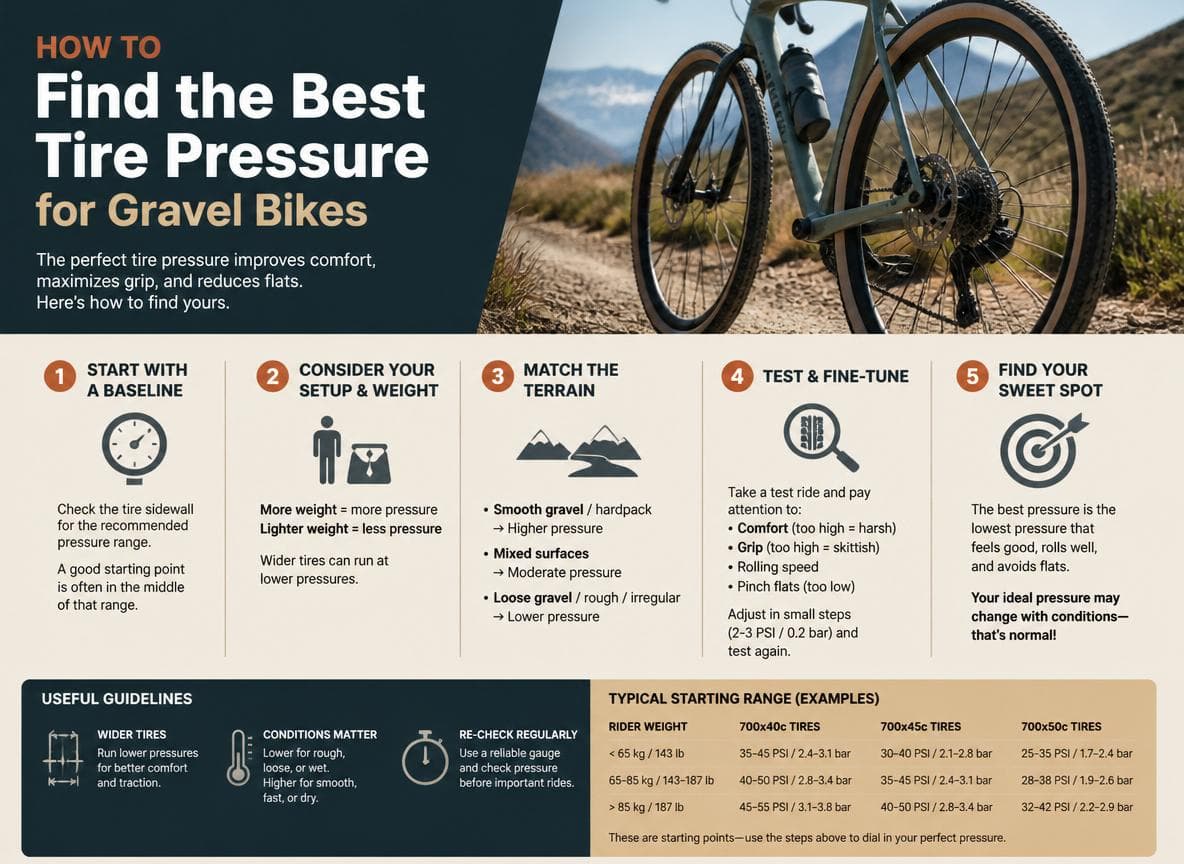
Comfort is one of the strongest arguments for steel. A steel gravel frame can feel smooth and natural over rough roads, especially when paired with wider tires and proper tire pressure.
Modern carbon gravel frames can also be very comfortable. Carbon layup can be tuned to reduce vibration in the fork, seat stays, and top tube while keeping the bottom bracket efficient. This allows carbon frames to deliver both comfort and speed.
If tire clearance is part of your decision, see our 45mm vs 50mm vs 57mm gravel tire clearance guide.
Bikepacking and Mounting Points
Steel has long been popular for bikepacking because it is durable, repairable, and easy to build with many mounts. For traditional touring setups with racks and bags, steel remains a strong choice.
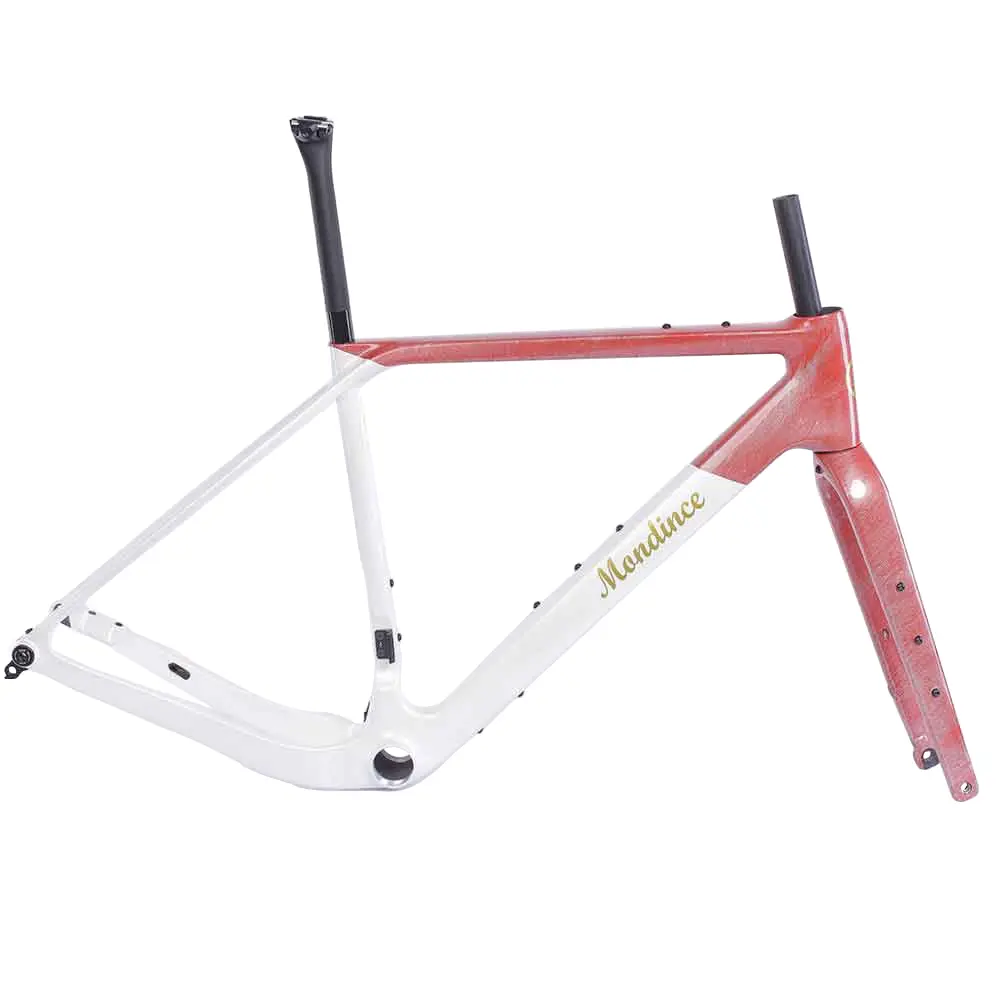
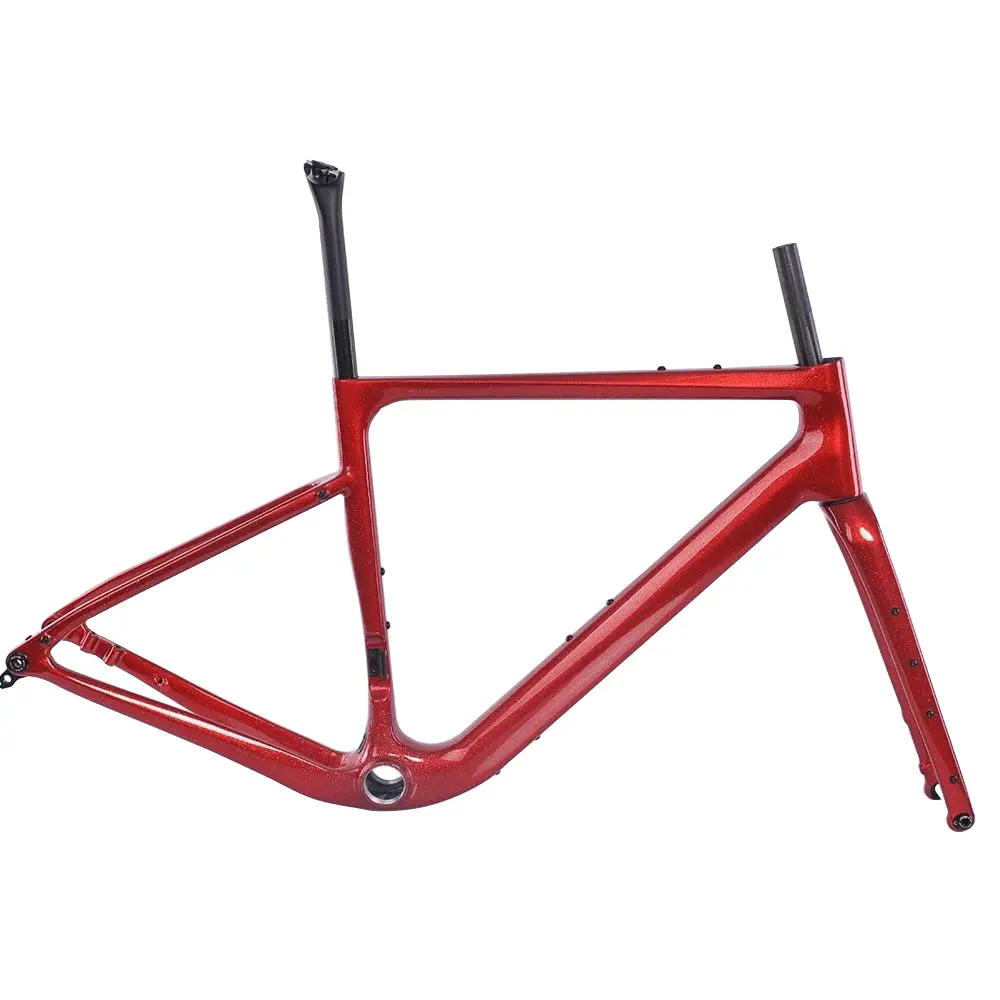
Carbon gravel frames have also evolved quickly. Many modern carbon gravel frames now include multiple bottle mounts, fender mounts, rack compatibility, top tube mounts, downtube storage, and wide tire clearance. For example, Mondince gravel frames are designed for modern adventure builds and OEM customization.
You can compare current options in the Mondince carbon gravel frame collection.
When Steel Makes More Sense
A steel gravel frame may be the better choice if you value traditional ride feel, easy repairability, classic aesthetics, or long-distance touring in remote regions. It can also be a good option for riders who prioritize durability and serviceability over low weight.
When Carbon Makes More Sense
A carbon gravel frame may be the better choice if you want lower weight, faster acceleration, tuned stiffness, modern integration, and wider design flexibility. Carbon is especially suitable for gravel racing, lightweight adventure builds, and OEM projects where frame weight, paint, geometry, and product positioning matter.
For riders who want a lightweight carbon gravel platform with adventure-ready features, models such as the Mondince FM326 carbon gravel frame can offer wide tire clearance, mounting options, and a modern carbon structure.
What to Check Before Choosing
- Riding style: racing, touring, bikepacking, daily riding, or mixed-terrain adventure.
- Weight target: carbon usually has the advantage for lighter builds.
- Repair priority: steel is easier to repair in many situations.
- Tire clearance: check your target tire width before choosing a frame.
- Mounts: confirm bottle, rack, fender, and bag mounting needs.
- Testing: carbon frames should have reliable strength and fatigue testing.
- OEM needs: carbon is strong for custom paint, geometry, and brand-specific frame programs.
You can review Mondince testing information on the certification page or learn more about OEM carbon frame customization.
Conclusion: Choose Based on Your Adventure Style
Steel and carbon gravel frames both have a place in modern gravel cycling. Steel is attractive for riders who value repairability, classic ride feel, and long-term practicality. Carbon is attractive for riders who want lower weight, tuned performance, modern features, and stronger OEM flexibility.
If your goal is a lightweight, efficient, and modern gravel build, start with the Mondince carbon gravel bike frame collection. If you need help choosing tire clearance, geometry, or an OEM frame platform, contact Mondince for recommendations.