
Bike Sizing & Geometry – The Complete Guide to Finding Your Perfect Fit
👉 Get your exact size: Try our frame size calculator →
Choosing the right bike size is the single most important decision you'll make when buying a bicycle. An ill‑fitting frame leads to discomfort, inefficient power transfer, poor handling, and even injury. But size alone isn't enough—understanding bike geometry (stack, reach, head tube angle, and more) is what separates a bike that simply fits from one that truly performs. This guide covers everything you need to know, from basic measurements to advanced geometry concepts, with detailed size charts for road, mountain, gravel, hybrid, and kids' bikes.
⚡ Quick Navigation
➡️ Why Size Matters | How to Measure Yourself
➡️ Road Bike Size Chart | Mountain Bike Size Chart
➡️ Gravel & Hybrid Size Chart | Kids' Bike Size Chart
➡️ Bike Geometry Explained | Stack & Reach
➡️ FAQ
Why Proper Bike Sizing Matters
A correctly sized bike transforms your riding experience. Here's why investing time in proper bike sizing and geometry is essential:
- Prevents injury – A frame that fits properly keeps your body aligned. An oversized frame forces over‑stretching, straining your back, neck, and shoulders. An undersized frame cramps your pedaling motion and can cause knee pain.
- Improves power transfer – Correct leg extension allows maximum wattage with minimum fatigue. Every pedal stroke goes forward, not sideways.
- Enhances handling and control – A frame that matches your proportions makes steering predictable and stable, especially when cornering at speed or descending technical terrain.
- Increases comfort on long rides – Proper fit reduces pressure points, vibration fatigue, and the urge to constantly readjust position.
- Long‑term satisfaction – Riders who size correctly ride more often and upgrade components rather than replacing the entire frameset.
Beginners often rely only on height charts. However, two people of the same height can have completely different leg lengths and torso proportions. That's why proper bike sizing and geometry always starts with accurate body measurements.
How to Measure Yourself – Step by Step
Before consulting any size chart, you need two key measurements: your height and your inseam. Here's how to measure them correctly.
1. Height
Stand straight against a wall with bare feet and no shoes. Place a ruler or book flat on top of your head. Mark the wall at the bottom edge of the book, then measure from the floor to that mark. This is your standing height.
2. Inseam (Most Important)
Your inseam (inside leg length) determines the minimum stand‑over height and is the foundation of every reliable frame size calculation.
- Stand against a wall with bare feet about 6 inches (15 cm) apart.
- Place a hardcover book between your legs, spine upward, as if sitting on a bike saddle. Pull it firmly against your crotch.
- Have someone mark the wall at the top of the book while you stand straight.
- Measure from the floor to the mark in centimeters (or inches).
- Repeat twice and take the average for accuracy.
Quick formulas for road frame sizing: Approximate frame size (cm) = Inseam (cm) × 0.67. For example, an 82 cm inseam suggests a 55 cm frame (±1‑2 cm depending on brand). For mountain bikes, use inches: Approximate frame size (inches) = Inseam (inches) × 0.59.[1]
Road Bike Size Chart – By Height & Inseam
Road bikes are traditionally sized by the seat tube length (center of bottom bracket to top of seat tube). However, modern compact geometry means top tube length and reach are equally important. Use this chart as a starting point, then fine‑tune with stem length and handlebar reach.[2]
| Rider Height | Inseam (cm) | Frame Size (cm) | Typical Label |
|---|---|---|---|
| 147–155 cm (4'10"–5'1") | 65–73 cm | 44–48 cm | XXS–XS |
| 155–163 cm (5'1"–5'4") | 68–75 cm | 48–52 cm | XS–S |
| 163–173 cm (5'4"–5'8") | 71–79 cm | 52–56 cm | S–M |
| 173–180 cm (5'8"–5'11") | 74–82 cm | 56–58 cm | M–L |
| 180–188 cm (5'11"–6'2") | 77–84 cm | 58–60 cm | L–XL |
| 188–196 cm (6'2"–6'5") | 82–90 cm | 60–63 cm | XL–XXL |
Note: Different brands have slightly different geometry. A 54 cm frame from two manufacturers may vary in stack and reach by 1–2 cm. Always check the manufacturer's official geometry chart before purchase.[3]
Mountain Bike Size Chart – S/M/L/XL Sizing
Mountain bikes are typically labeled S, M, L, XL rather than in centimeters. Modern MTB geometry has trended toward longer reach and lower stack for better stability on technical terrain. Use this chart as a starting point.[4]
| Rider Height | Inseam (cm) | Frame Size (inches) | Sizing Label | Approx. Reach (mm) |
|---|---|---|---|---|
| 152–160 cm (5'0"–5'3") | 66–71 cm | 13–14″ | XS | 400–430 |
| 160–168 cm (5'3"–5'6") | 71–76 cm | 14–16″ | S | 425–445 |
| 168–175 cm (5'6"–5'9") | 76–81 cm | 16–17″ | M | 440–465 |
| 175–183 cm (5'9"–6'0") | 81–86 cm | 17–18″ | L | 460–485 |
| 183–190 cm (6'0"–6'3") | 86–91 cm | 18–20″ | XL | 480–510 |
| 190–198 cm (6'3"–6'6") | 91–96 cm | 20–22″ | XXL | 500–530 |
If you are between sizes: Choose the smaller size for a more playful, maneuverable feel (ideal for tight singletrack). Choose the larger size for more stability and confidence on high‑speed descents. Many modern riders prefer sizing up for the added reach and stability.[5]
Gravel & Hybrid Bike Size Chart
Gravel bikes often use road bike sizing as a baseline but with slightly shorter reach and higher stack for all‑day comfort on mixed terrain. Hybrid bikes follow a similar sizing convention. Use the chart below as a starting point.
| Rider Height | Inseam (cm) | Gravel / Hybrid Frame (cm) | Typical Label | |||||
|---|---|---|---|---|---|---|---|---|
| 152–160 cm (5'0"–5'3") | 66–71 cm | 44–48 cm | XXS–XS | |||||
| 160–168 cm (5'3"–5'6") | 71–76 cm | 48–52 cm | XS–S | |||||
| 168–175 cm (5'6"–5'9") | 76–81 cm | 52–55 cm | S–M | |||||
| 175–183 cm (5'9"–6'0") | 81–86 cm | 55–58 cm | M–L | 183–190 cm (6'0"–6'3") | 86–91 cm | 58–61 cm | L–XL |
Gravel bike sizing tip: If you ride mostly pavement and smooth gravel, consider the smaller size for a more responsive feel. If you ride rough terrain or loaded bikepacking, size up by 1–2 cm for a more stable and comfortable position.
Commuter & Hybrid Bike Size Chart (Inches)
Commuter and hybrid bikes are often sized in inches. Use this simplified chart for quick reference.[6]
| Rider Height | Frame Size (inches) | Size Label |
|---|---|---|
| 4'10" – 5'2" (147–157 cm) | 13–14″ | XS |
| 5'2" – 5'6" (157–168 cm) | 15–16″ | S |
| 5'6" – 5'10" (168–178 cm) | 17–18″ | M |
| 5'10" – 6'1" (178–185 cm) | 19–20″ | L |
| 6'1" – 6'4" (185–193 cm) | 21–22″ | XL |
Kids' Bike Size Chart – By Wheel Size
Children's bikes are sized by wheel diameter (12″, 14″, 16″, 20″, 24″, 26″), not frame size like adult bikes. The correct fit is critical for a child's safety, confidence, and enjoyment. Always prioritize height and inseam over age.[7]
| Wheel Size | Approx. Age | Child Height | Inseam (cm) |
|---|---|---|---|
| 12 inch | 2–4 years | 80–100 cm | 30–38 cm |
| 14 inch | 3–5 years | 90–110 cm | 35–45 cm |
| 16 inch | 4–7 years | 100–120 cm | 40–50 cm |
| 20 inch | 6–9 years | 115–135 cm | 50–60 cm |
| 24 inch | 8–12 years | 130–150 cm | 55–70 cm |
| 26 inch / XS adult | 10–14 years | 145 cm+ | 65–75 cm |
Kids' sizing tips: When your child sits on the saddle, their toes (or the soles of their feet for beginners) should be able to comfortably touch the ground. When standing over the top tube, there should be a small gap between the frame and the child's crotch. Never buy a bike "to grow into" – an oversized bike is difficult to control and dangerous.[8]
Bike Geometry Explained – Key Terms Every Rider Should Know
Once you've narrowed down your frame size, understanding bicycle geometry is the next step. Geometry determines how a bike handles, how aggressive your riding position is, and how comfortable you'll be over long distances. Here are the most important terms explained.[9]
Stack
Stack is the vertical distance from the center of the bottom bracket to the center of the top of the head tube. A higher stack means a more upright, comfortable riding position (typical of endurance and gravel bikes). A lower stack puts the rider in a more aerodynamic, aggressive position (typical of race bikes).[10]
Reach
Reach is the horizontal distance from the center of the bottom bracket to the center of the top of the head tube. A longer reach stretches the rider forward, creating a more extended, aerodynamic position. A shorter reach creates a more relaxed, upright posture. Together, stack and reach provide the most reliable information on how long and tall a bike will feel under you.[11]
Stack-to-Reach Ratio
The stack‑to‑reach ratio helps classify a bike's intended riding position. Generally, endurance road bikes benefit from a ratio of 1.55 or higher (more upright), while race bikes have ratios below 1.5 (more aggressive).[12]
Head Tube Angle (HTA)
The head tube angle is the angle of the head tube relative to the ground. A steeper angle (closer to 73‑74°) provides quicker, more responsive steering – ideal for road bikes. A slacker angle (closer to 64‑69°) increases stability at speed and on descents – ideal for mountain and gravel bikes.
Seat Tube Angle (STA)
The seat tube angle affects climbing position and pedaling efficiency. A steeper seat tube angle (75‑78°) positions the rider more centrally over the bottom bracket, improving climbing traction and power transfer – a key feature of modern gravel and MTB geometry.
Wheelbase
The wheelbase is the distance between the front and rear axles. A longer wheelbase increases stability (gravel, endurance, MTB), while a shorter wheelbase improves maneuverability (crit racing, cyclocross).
Chainstay Length
Chainstay length affects climbing traction and handling. Short chainstays (410–430 mm) make the bike feel playful and responsive. Longer chainstays (435–450 mm) improve climbing traction and high‑speed stability – common on gravel and bikepacking bikes.
Bottom Bracket Drop (BB Drop)
The bottom bracket drop is the vertical distance from the wheel axles to the bottom bracket. A lower BB drop (down to 65–80 mm) lowers the rider's center of gravity, improving cornering stability. This is critical for gravel bikes (where stability on loose descents matters) and MTB (where technical cornering demands a planted feel).
Stand‑Over Height
Stand‑over height is the distance from the ground to the top tube at its midpoint. Stand over the bike with both feet flat on the ground. You should have 2–5 cm (1–2 inches) clearance for road/gravel bikes, and 5–10 cm for mountain bikes. This is the quickest real‑world safety check for fit.
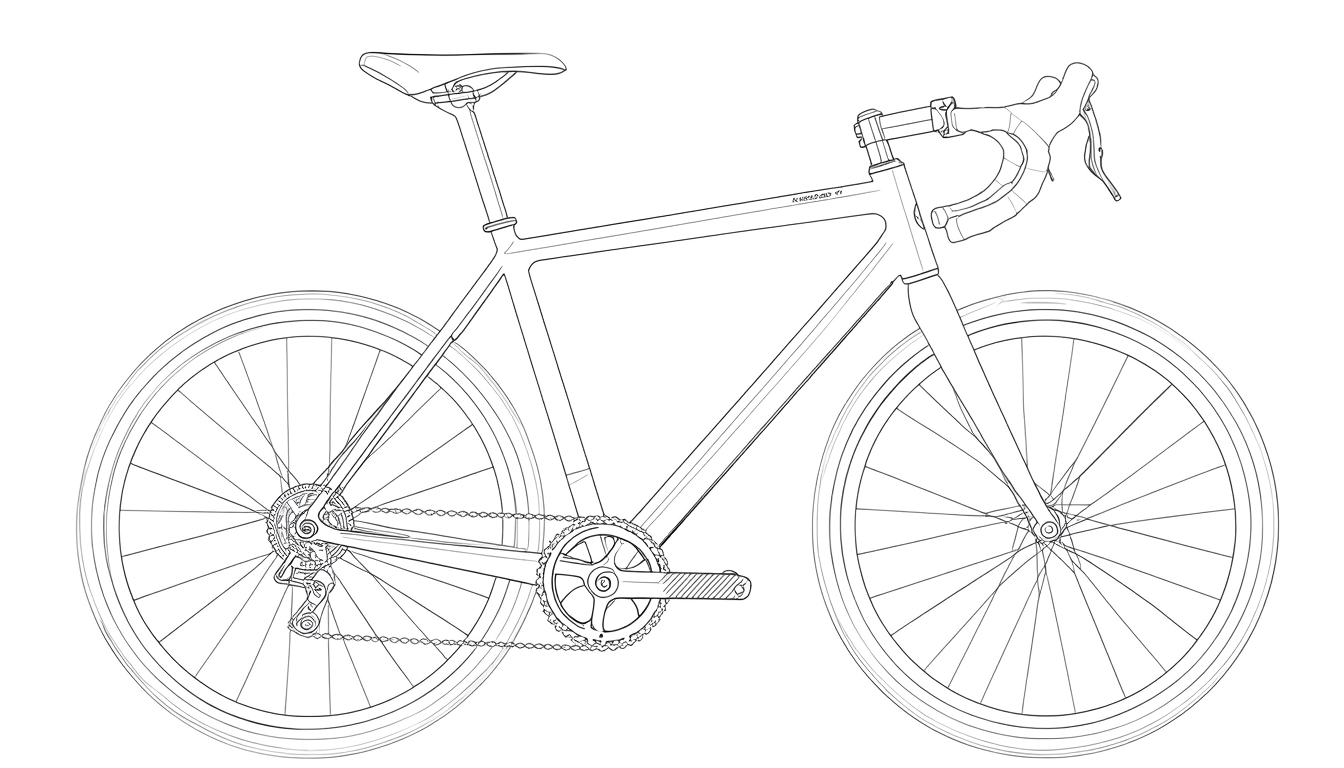
Stack & Reach – The Modern Way to Compare Bikes
While seat tube length (traditional frame size) is still useful, stack and reach are now considered the most reliable measurements for comparing bikes across different brands. Why? Because stack and reach define the actual contact points of the bike – where your hands and feet go – regardless of variations in seat tube angle or top tube slope.
When comparing two frames, look for:
- Higher stack, shorter reach – More upright, comfortable, endurance‑oriented fit.
- Lower stack, longer reach – More aggressive, aerodynamic, race‑oriented fit.
If you have a current bike that fits you well, you can use its stack and reach numbers to find a new frame that fits identically. This is far more accurate than comparing seat tube lengths, which vary significantly between brands even for the same labeled size.
Professional Fitting Tips – Fine‑Tuning Your Position
Even with the correct frame size, small adjustments make a huge difference. Here are the most effective changes you can make:[13]
- Saddle height – With the pedal at the bottom of the stroke, your knee should have a slight bend (25–35°). Formula: Saddle height (cm) ≈ Inseam (cm) × 0.883, measured from center of bottom bracket to top of saddle along the seat tube.
- Saddle fore/aft (offset) – With cranks horizontal, a plumb line dropped from the front of your forward knee should intersect the pedal axle (KOPS – Knee Over Pedal Spindle).
- Stem length and angle – Use a shorter stem (70–90 mm) if reach feels too long. Use a longer stem (110–130 mm) if you feel cramped. A positive‑angle stem raises the bars for an upright position.
- Handlebar width – Bars should roughly match your shoulder width. Most adults ride 40–44 cm. A bar that is too wide compromises aerodynamics and can cause shoulder fatigue.
- Bar height (spacers) – Adding or removing headset spacers changes the stack height. More spacers = more upright position; fewer spacers = more aggressive position.
- Crank length – Most riders use 170–175 mm cranks. Shorter cranks (165 mm) can benefit riders with shorter legs or those prone to knee pain.
- Test ride before finalizing – A bike that feels good in the shop may feel different after an hour of riding. If possible, test ride on varied terrain.
Mondince Testing Standards – 1.3 Times ISO 4210
At Mondince Cycle, we believe that bike sizing and geometry mean nothing without structural integrity. Every frame we manufacture is independently tested to 1.3 Times ISO 4210 standards. This includes rigorous impact tests, fatigue tests (100,000+ cycles), and rigidness tests that exceed the industry baseline by 30%.[14]
What does “1.3 Times” mean for you? If you weigh 80 kg, you are riding a frame validated to handle stresses equivalent to a 104 kg rider under extreme conditions. Whether you're a heavier rider, loading up for bikepacking, or simply want peace of mind, that extra safety margin matters. Third‑party test reports are available upon request.
Continuous batch sampling ensures that quality does not decline as production scales. From each production run, 1–2% of frames are randomly selected and retested to the same 1.3 Times ISO 4210 standard.
Frequently Asked Questions About Bike Sizing & Geometry
What if I am between two frame sizes on the size chart?
Do women need a different bike sizing method?
Does frame material affect sizing or geometry?
How does gravel bike sizing compare to road bike sizing?
Do I need a professional bike fit?
What is the warranty on Mondince frames?
Ready to Find Your Perfect Fit?
Now that you understand bike sizing and geometry, you can confidently choose your next bicycle. Whether you are a performance‑focused racer, a bikepacking adventurer, or a brand looking for a reliable OEM partner, Mondince Cycle has a carbon frame that fits your needs. Every frame is crafted from premium Toray carbon, tested to 1.3 Times ISO 4210 standards, and fully customizable – from paint color to custom geometry.
👉 Explore all carbon frames →
👉 Request a quote, custom geometry, or OEM information →
[1] Inseam formula for road frames: Inseam (cm) × 0.67.
[2] Road bike sizing based on standard industry references.
[3] Frame sizes vary by brand; always verify with geometry charts before purchase.
[4] Mountain bike sizing based on modern geometry standards.
[5] Between‑size advice: size up for stability, size down for playfulness.
[6] Commuter/hybrid sizing based on industry standards.
[7] Kids' bikes are sized by wheel diameter, not frame size. Prioritize height over age.
[8] Never buy an oversized bike for a child to "grow into."
[9] Stack: vertical distance from BB to head tube top. Reach: horizontal distance from BB to head tube top.
[10] Higher stack = more upright position. Lower stack = more aggressive position.
[11] Stack and reach define actual contact points and are the most reliable bike‑to‑bike comparison metrics.
[12] Endurance bikes: stack‑to‑reach ratio ≥1.55. Race bikes: stack‑to‑reach ratio <1.50.
[13] Professional fitting tips compiled from industry bike fitters.
[14] Mondince internal specification: all frames pass 1.3 Times ISO 4210 loads (exceeds industry baseline by 30%).
Related Articles
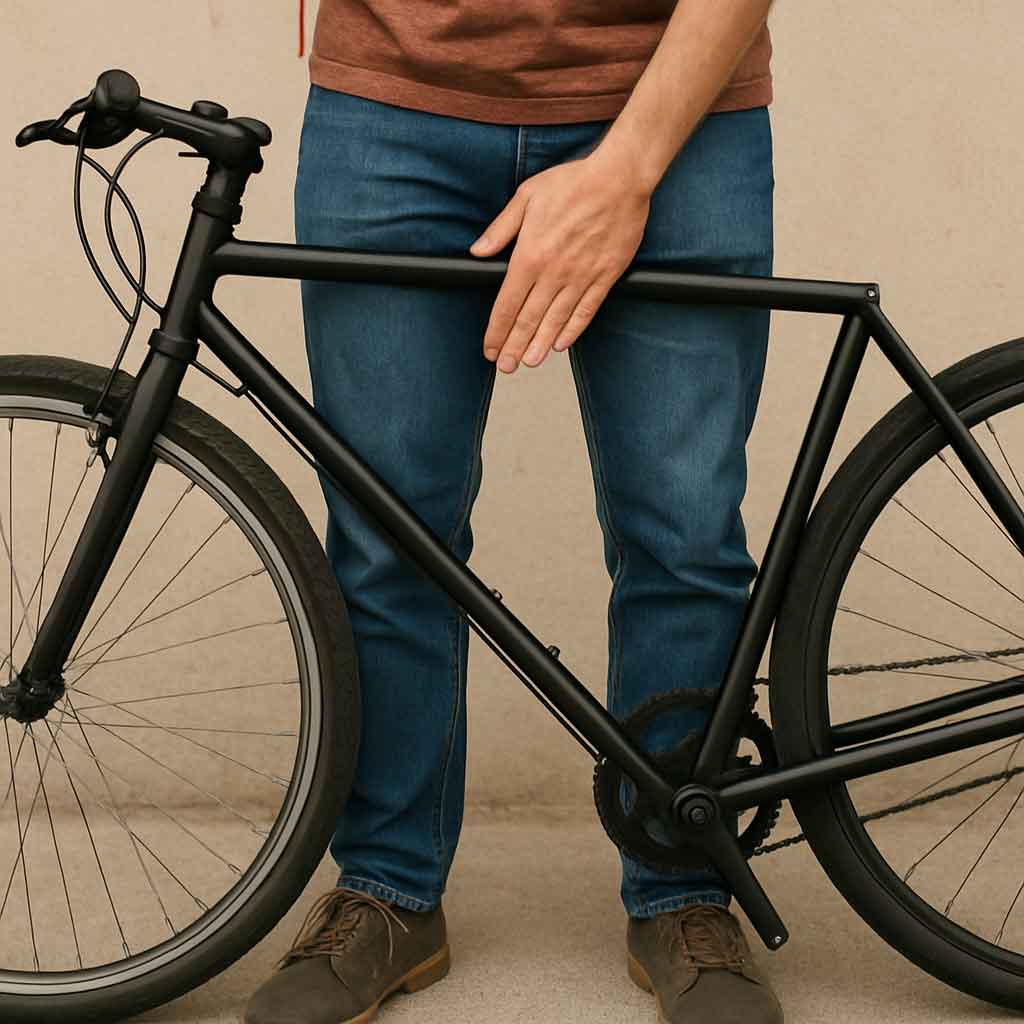
Bike Size Guide Road: How to Measure & Choose the Perfect Road Bike Frame
Knowing your correct road bike size is the most important step before buying. A bike that fits properly feels natural, efficient, and comfortable. An ...
Comparing Hardtail vs. Full Suspension Frames
Mountain biking offers a thrilling adventure through rugged terrains and scenic trails. Whether you're a seasoned rider or a beginner, choosing the ri...
Understanding Different Bike Sizes for Comfort
Choosing the right bike size is crucial for comfort and performance. Whether you're a seasoned cyclist or a beginner, understanding bike sizes can enh...
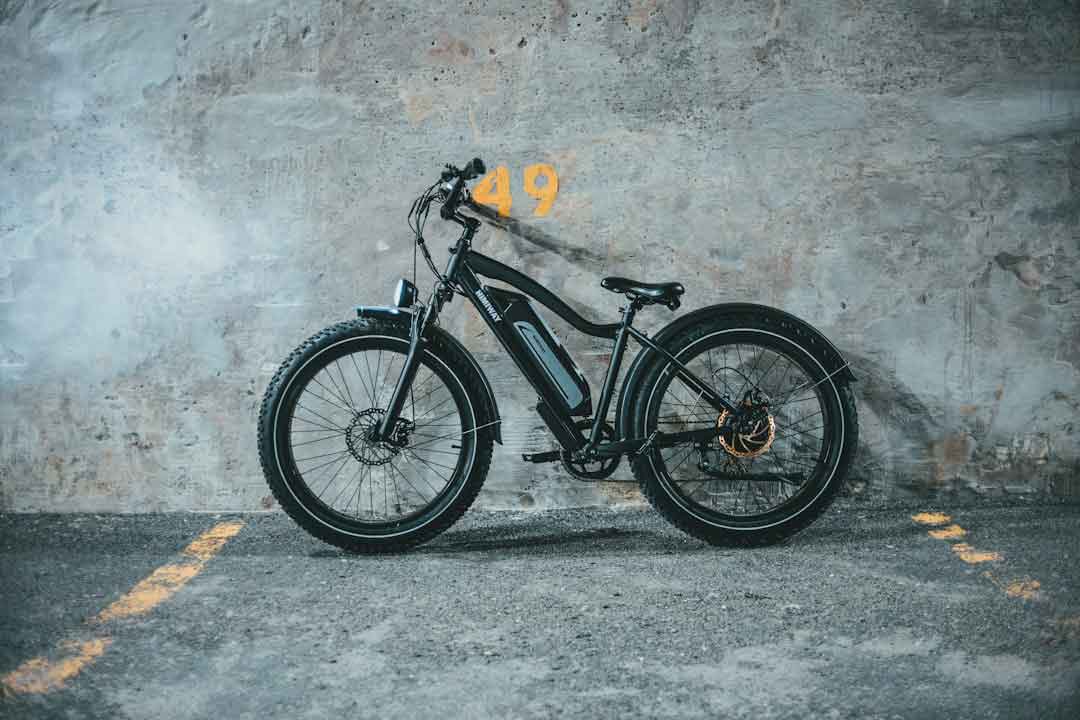
Finding Your Perfect Mountain Bike Size
When it comes to mountain bikes, the frame size is one of the most critical&nb...

Tips for Selecting Mountain Bike Sizes
The frame size is the cornerstone of mountain bike sizing. It determines how the&nb...
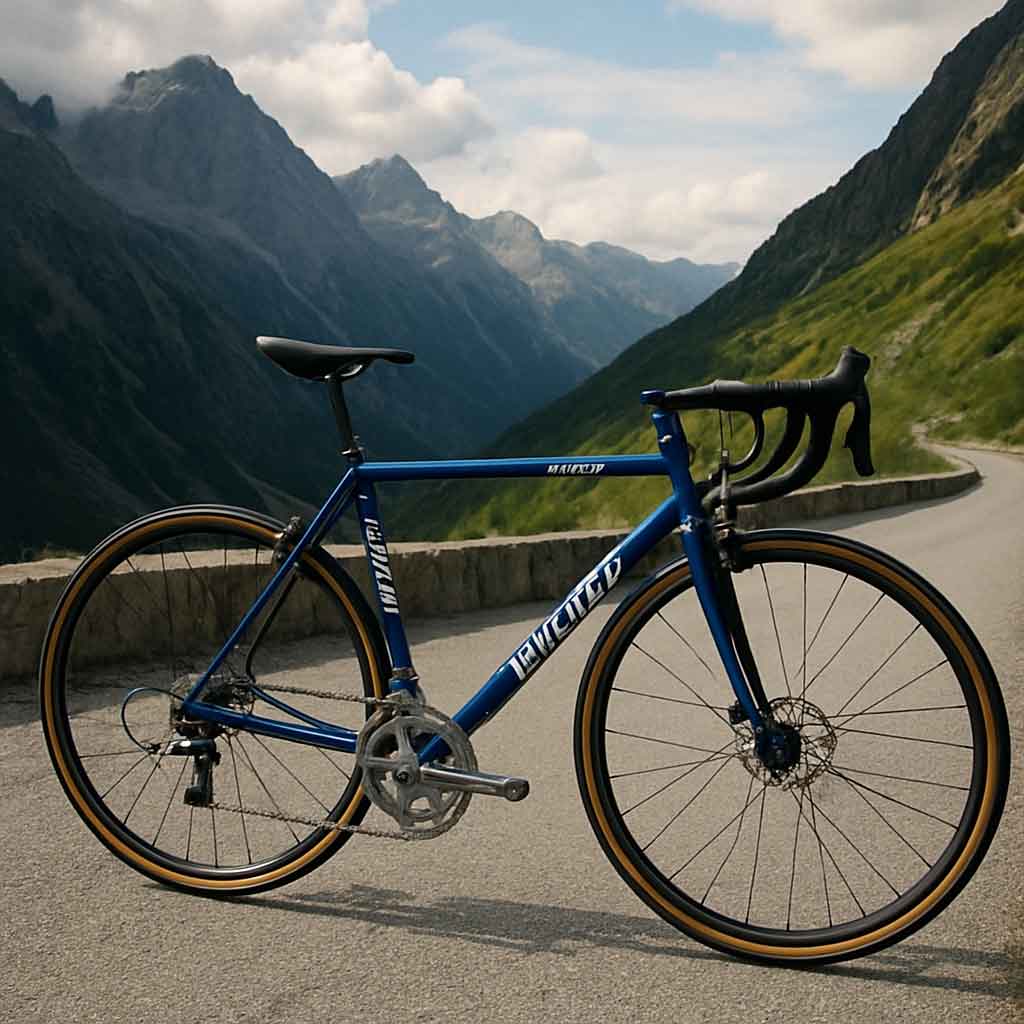
How to Measure for Mountain Bike Fit
Mountain bike frame sizes are typically measured in inches, ranging from small to ext...
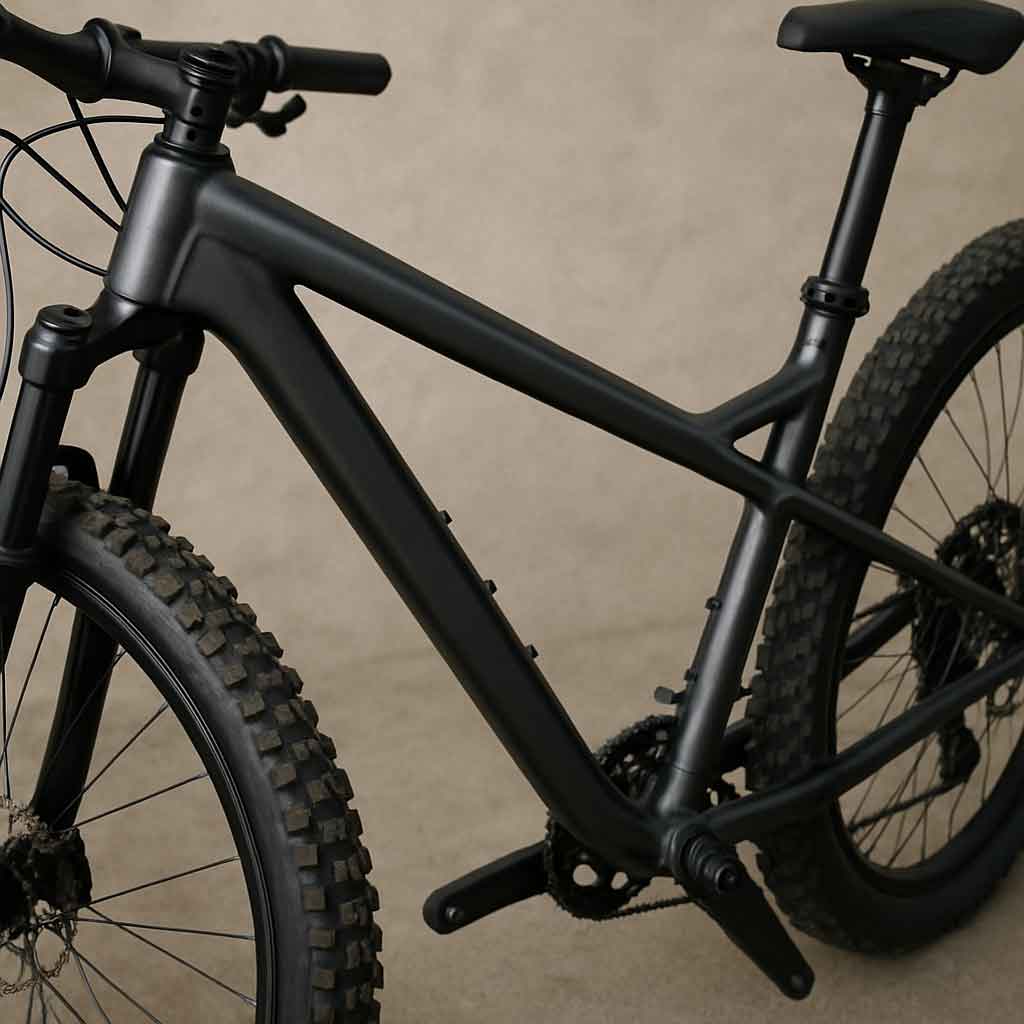
Understanding Mountain Bike Frame Measurements
Enhancing Riding Efficiency The frame size of a mountain bike directly impacts your rid...
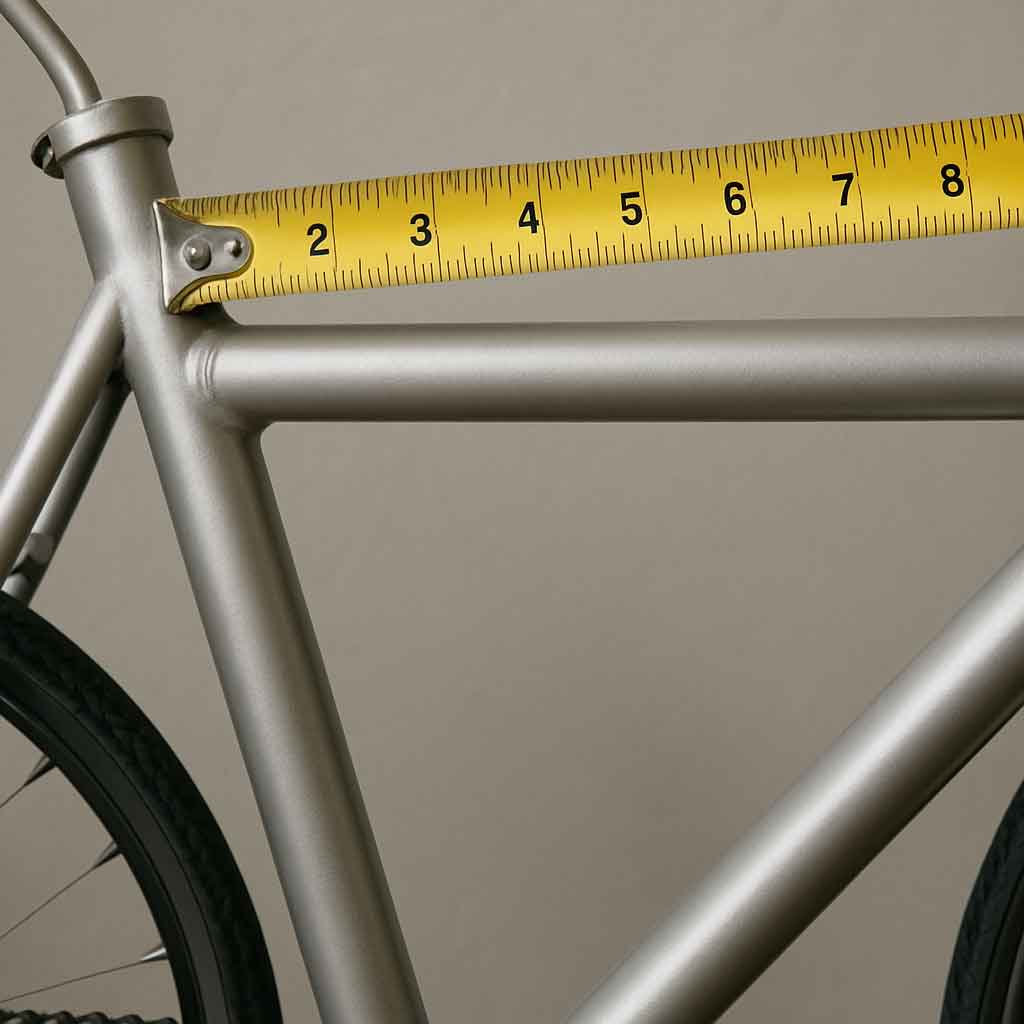
Essential Guide to Measuring Bike Frames
Choosing the right bike frame size is crucial for comfort, efficiency, and safety when riding. Whether you're purchasing a new bicycle or adjusting an...
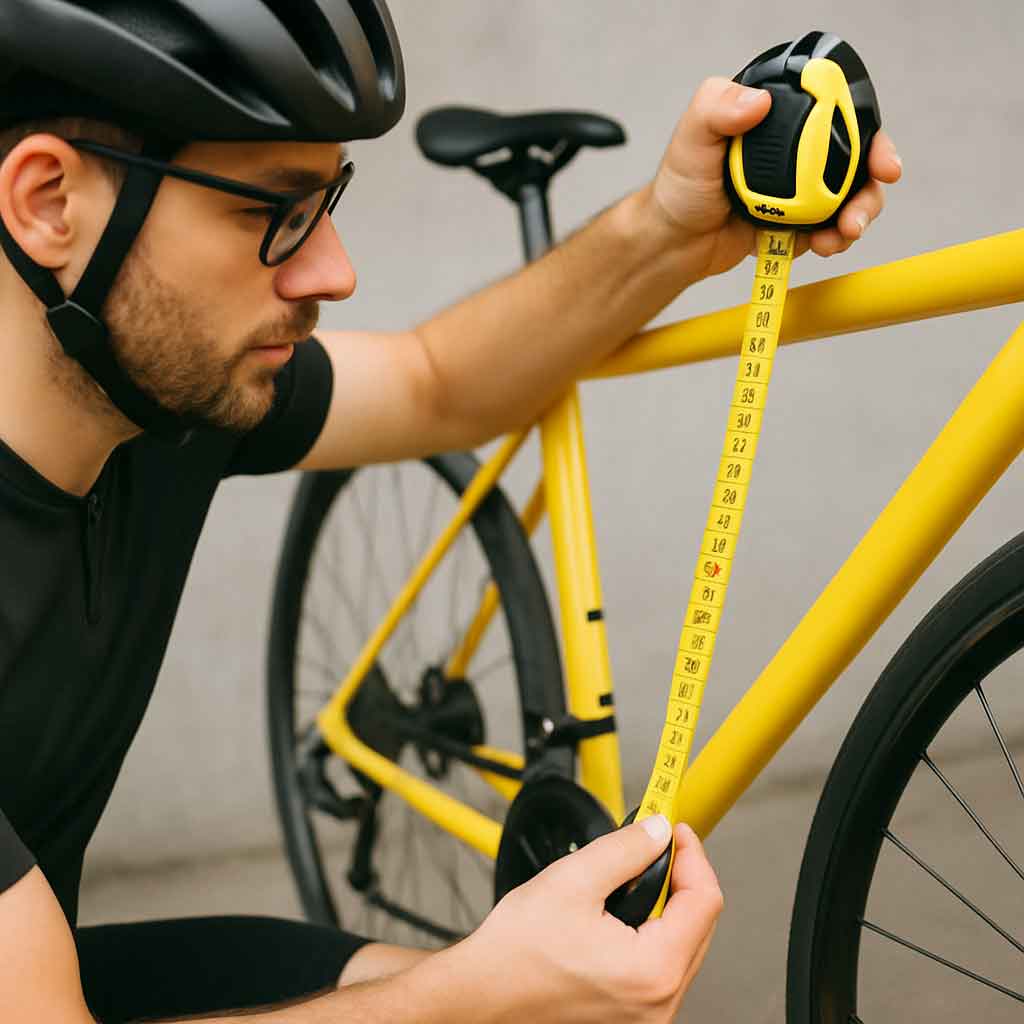
How to Measure Bike Frame Size – Complete Step‑by‑Step Guide (Road, MTB, Gravel)
📏 Quick Frame Size Calculator Enter your measurements to get an instant size recommendation for road, gravel, or mountain bikes. Your height (...
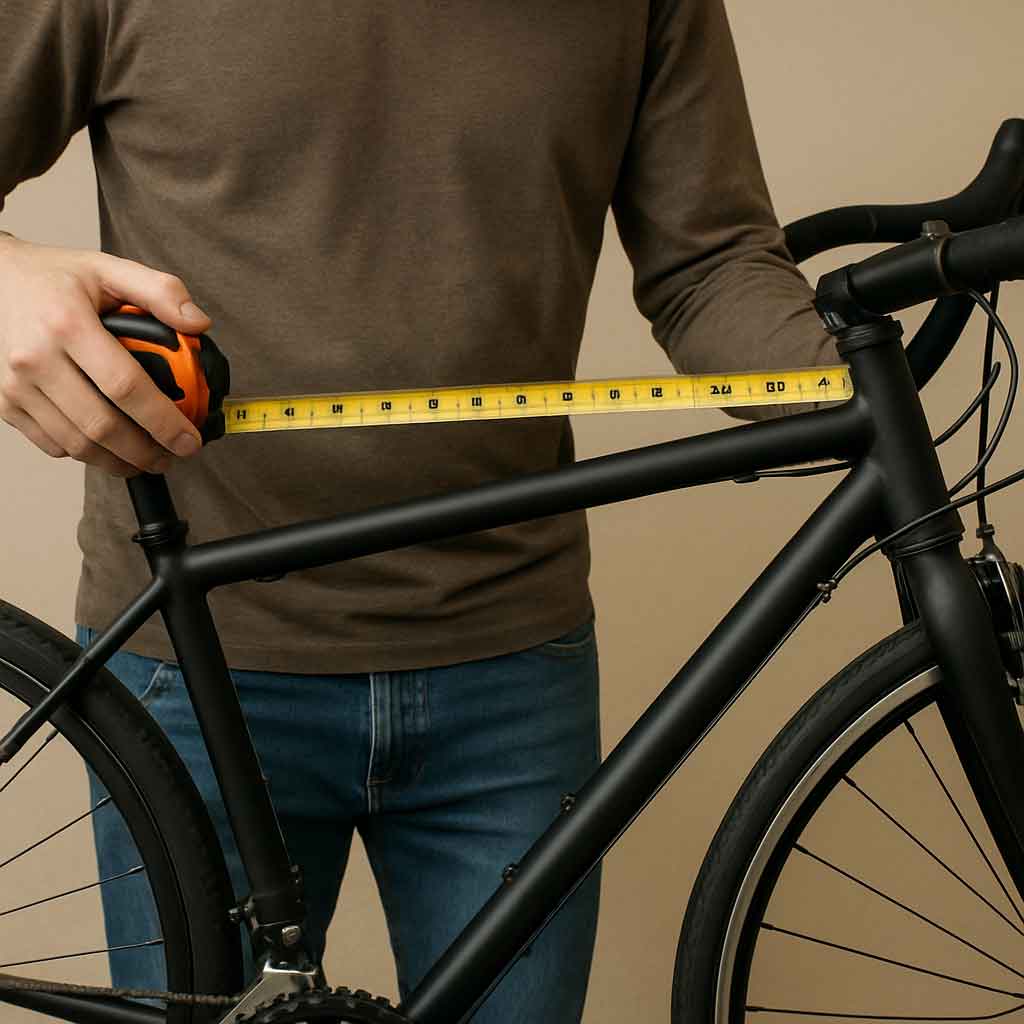
Bike Frame Measurement: Tips and Techniques
Choosing the right bike frame size is crucial for comfort and performance. Whether you're a seasoned cyclist or a beginner, understanding how to measu...
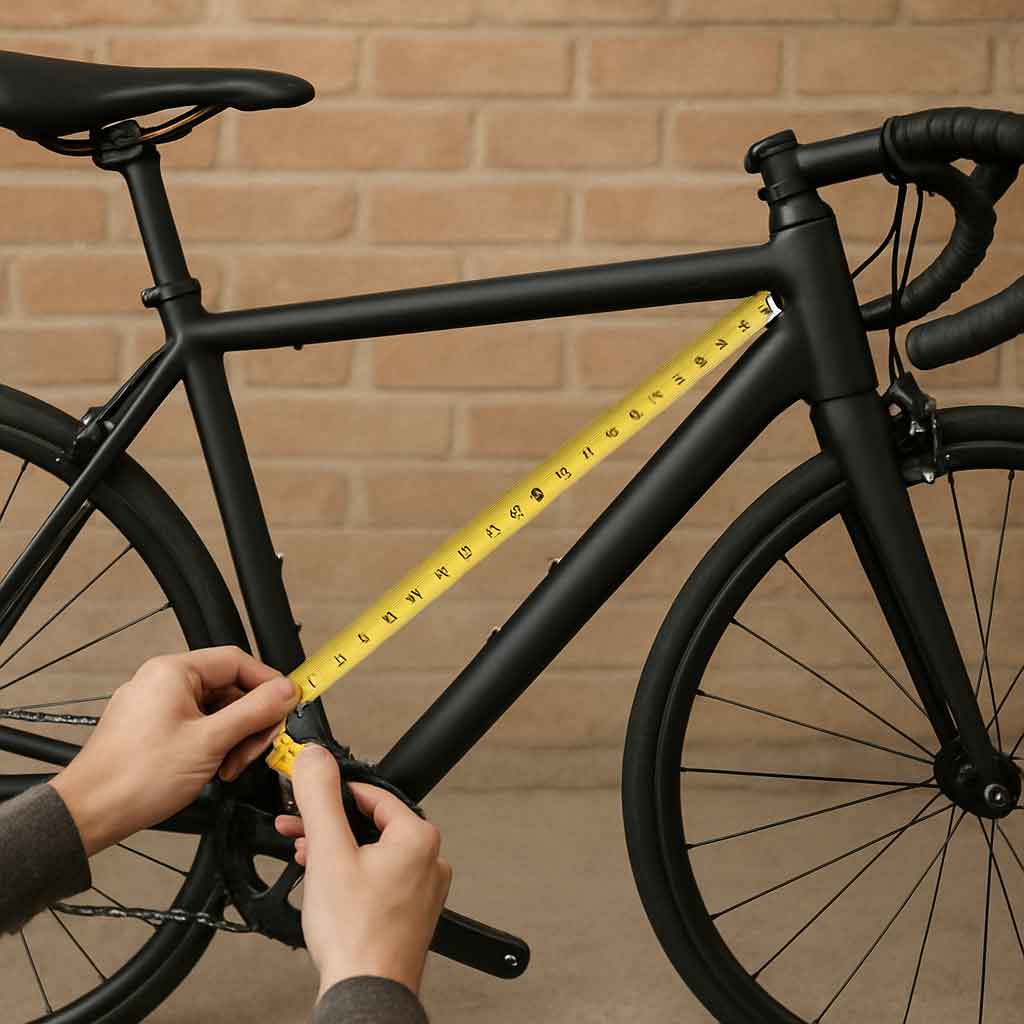
How to Accurately Measure Your Bike Frame
Selecting the right bike size is crucial for comfort, performance, and safety. Whether you're shopping for a new bicycle or adjusting your current rid...
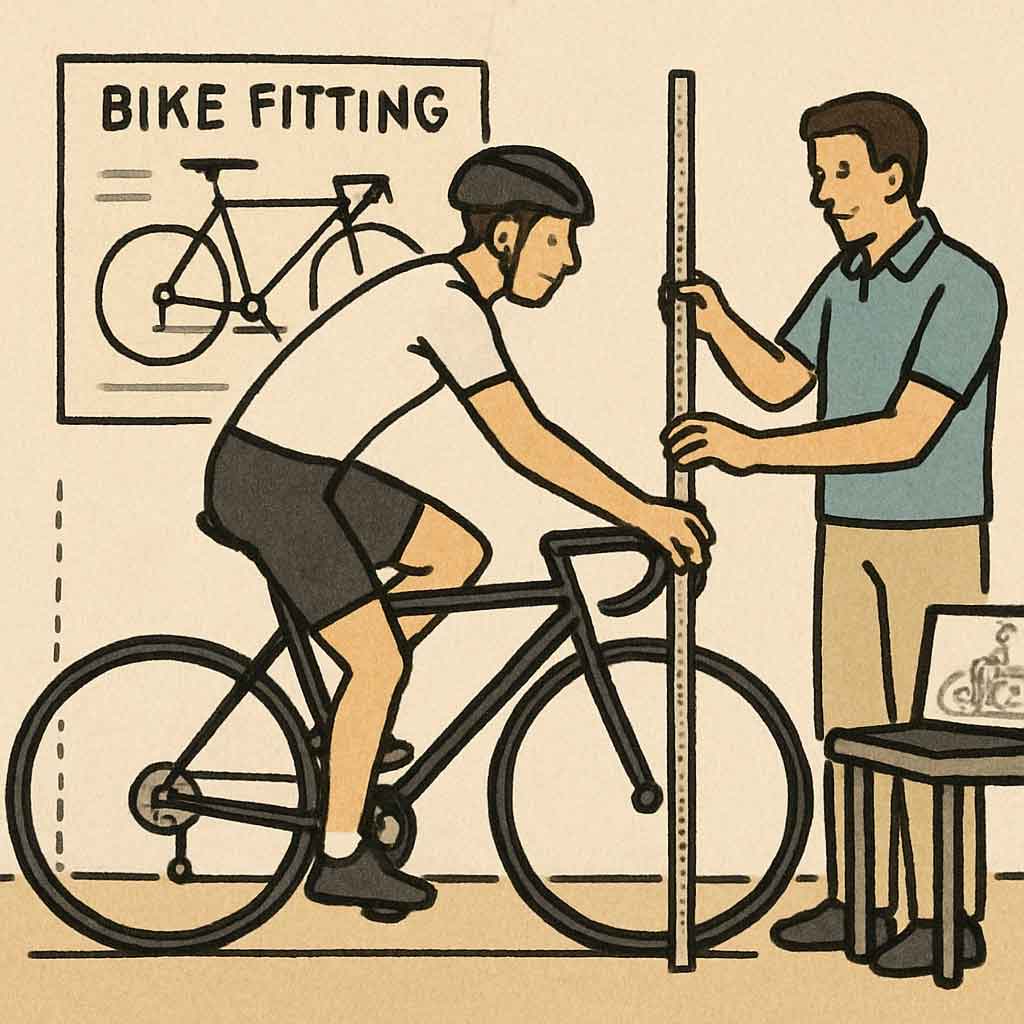
What Size Bike Frame Do I Need? A Complete Sizing Guide
Find your size? Get frame recommendations based on your measurements. Try Calculator → 📏 Quick Answer To find your bike frame size: me...