
Knowing how to measure bike frame size is one of the most important steps before buying a road, mountain or gravel bike. A frame that is too large can feel stretched and hard to control. A frame that is too small can feel cramped, unstable or uncomfortable on longer rides.
This guide explains how to measure your body, how to read bike size charts and how to compare frame geometry. If you want a faster recommendation, use the Mondince bike frame size calculator.
Why Bike Frame Size Matters
Bike frame size affects comfort, handling, power transfer and safety. A correct frame size helps you reach the handlebar comfortably, pedal efficiently and stop safely without feeling unstable.
- Comfort: Reduces knee, back, neck and wrist discomfort.
- Control: Helps the bike handle naturally in corners and descents.
- Efficiency: Lets you pedal with better leg extension and body position.
- Safety: Gives enough stand-over clearance for sudden stops.
Step 1: Measure Your Inseam
Your inseam is the most useful body measurement for bike sizing. It helps estimate stand-over height and frame size more accurately than height alone.
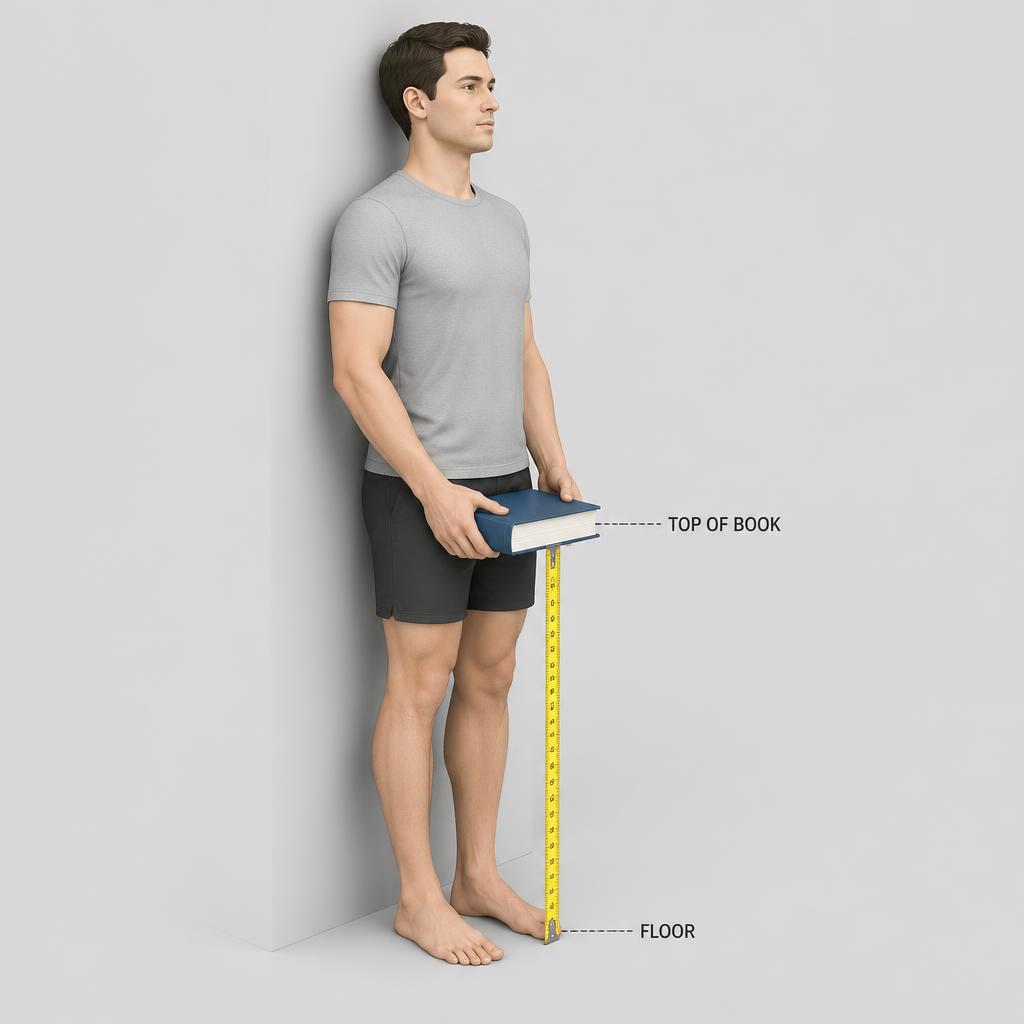
- Stand barefoot against a wall with your feet about 15 cm apart.
- Place a hardcover book between your legs, spine upward, like a bike saddle.
- Pull the book firmly upward while standing straight.
- Mark the wall at the top of the book.
- Measure from the floor to the mark in centimeters.
- Repeat the measurement twice and use the average.
Road Bike Frame Size Chart
Road bikes are often sized in centimeters, usually based on seat tube length. Use this chart as a starting point, then check stack and reach on the frame geometry chart.
| Rider Height | Inseam | Road Frame Size | Typical Label |
|---|---|---|---|
| 152-160 cm / 5'0"-5'3" | 66-71 cm | 47-49 cm | XXS-XS |
| 160-168 cm / 5'3"-5'6" | 71-76 cm | 49-51 cm | XS-S |
| 168-175 cm / 5'6"-5'9" | 76-81 cm | 51-53 cm | S-M |
| 175-183 cm / 5'9"-6'0" | 81-86 cm | 53-55 cm | M-L |
| 183-190 cm / 6'0"-6'3" | 86-91 cm | 55-58 cm | L-XL |
| 190-198 cm / 6'3"-6'6" | 91-96 cm | 58-61 cm | XL-XXL |
Simple road bike formula: road frame size in cm is roughly inseam in cm x 0.67. This is only a starting point, not a final fit rule.
Mountain Bike Frame Size Chart
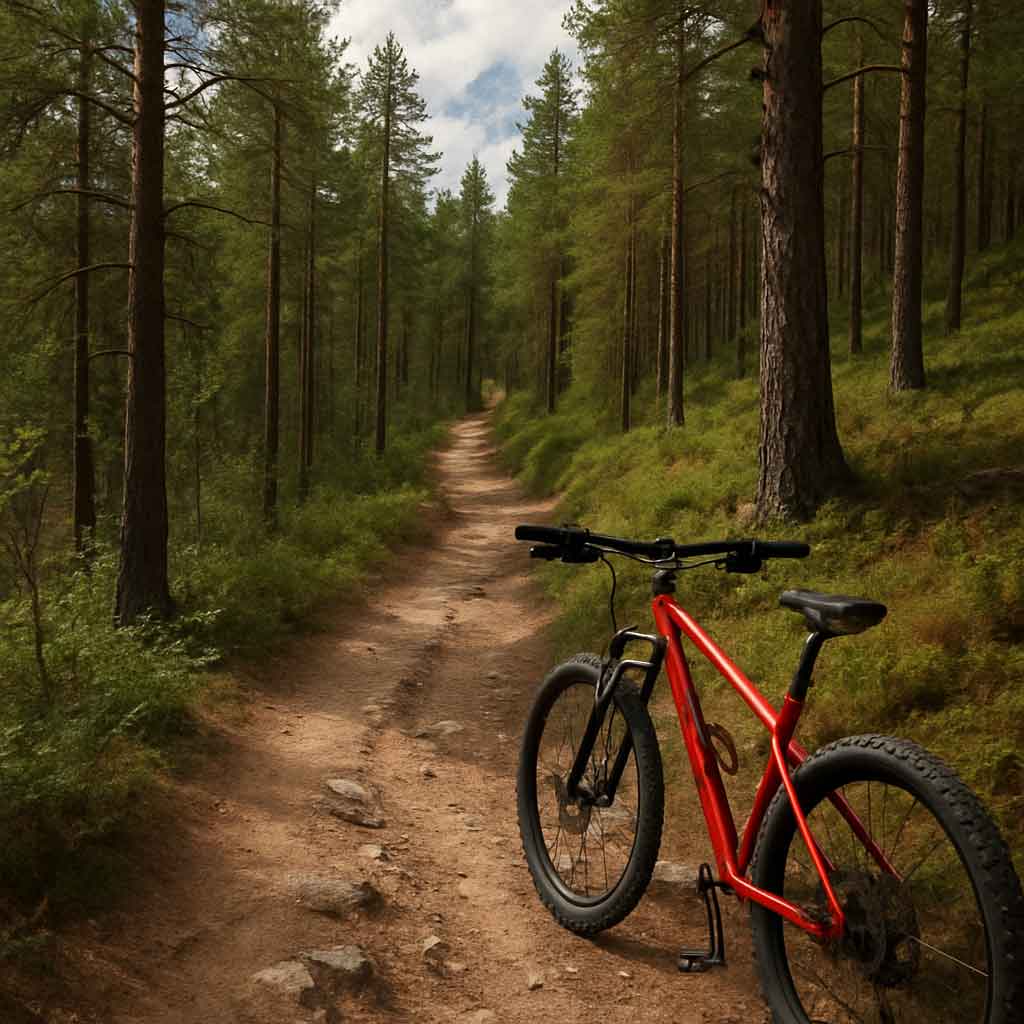
Mountain bikes are usually sized in inches or letter sizes. Stand-over clearance is especially important because off-road riding requires more movement over the bike.
| Rider Height | MTB Frame Size | Typical Label |
|---|---|---|
| 152-162 cm / 5'0"-5'4" | 13-15 in | XS-S |
| 162-172 cm / 5'4"-5'8" | 15-17 in | S-M |
| 172-183 cm / 5'8"-6'0" | 17-19 in | M-L |
| 183-193 cm / 6'0"-6'4" | 19-21 in | L-XL |
| 193 cm+ / 6'4"+ | 21 in+ | XL-XXL |
If you are choosing an MTB frame, compare the Mondince carbon MTB frame collection and check reach, stack, wheelbase and intended riding style.
Gravel Bike Sizing
Gravel bikes often use road-style sizing, but the fit is usually slightly more stable and comfortable. Compared with a pure road bike, many gravel frames have higher stack, shorter reach, longer wheelbase and more tire clearance.
- Use road bike sizing as the starting point.
- Choose a slightly more comfortable position for bikepacking or long rides.
- Check tire clearance and toe overlap if you use large gravel tires.
- If you are between sizes, choose based on reach and riding style.
For gravel frame options, compare the Mondince carbon gravel bike frame collection. For tire clearance decisions, read our gravel frame tire clearance guide.
Step 2: Measure an Existing Bike Frame
If you already own a bike that fits well, measuring it can help you choose your next frame more accurately.
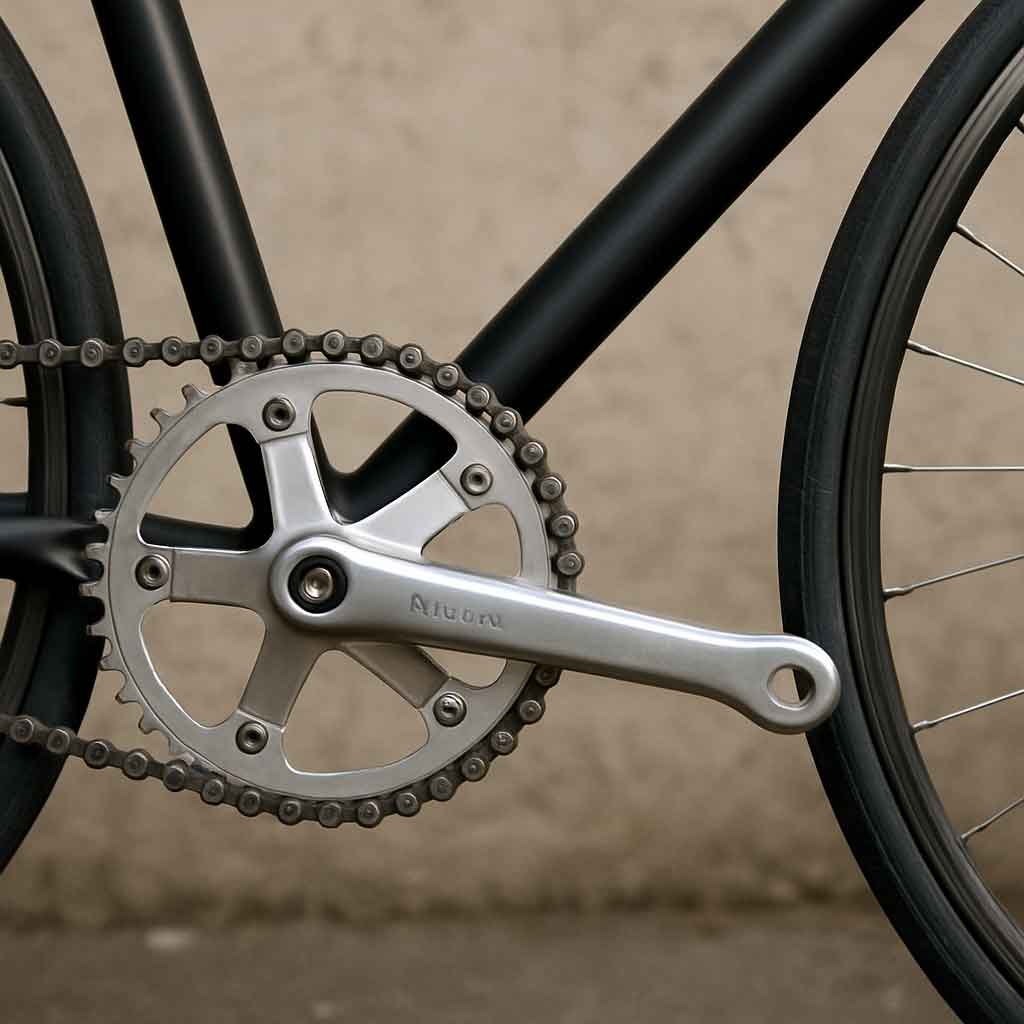
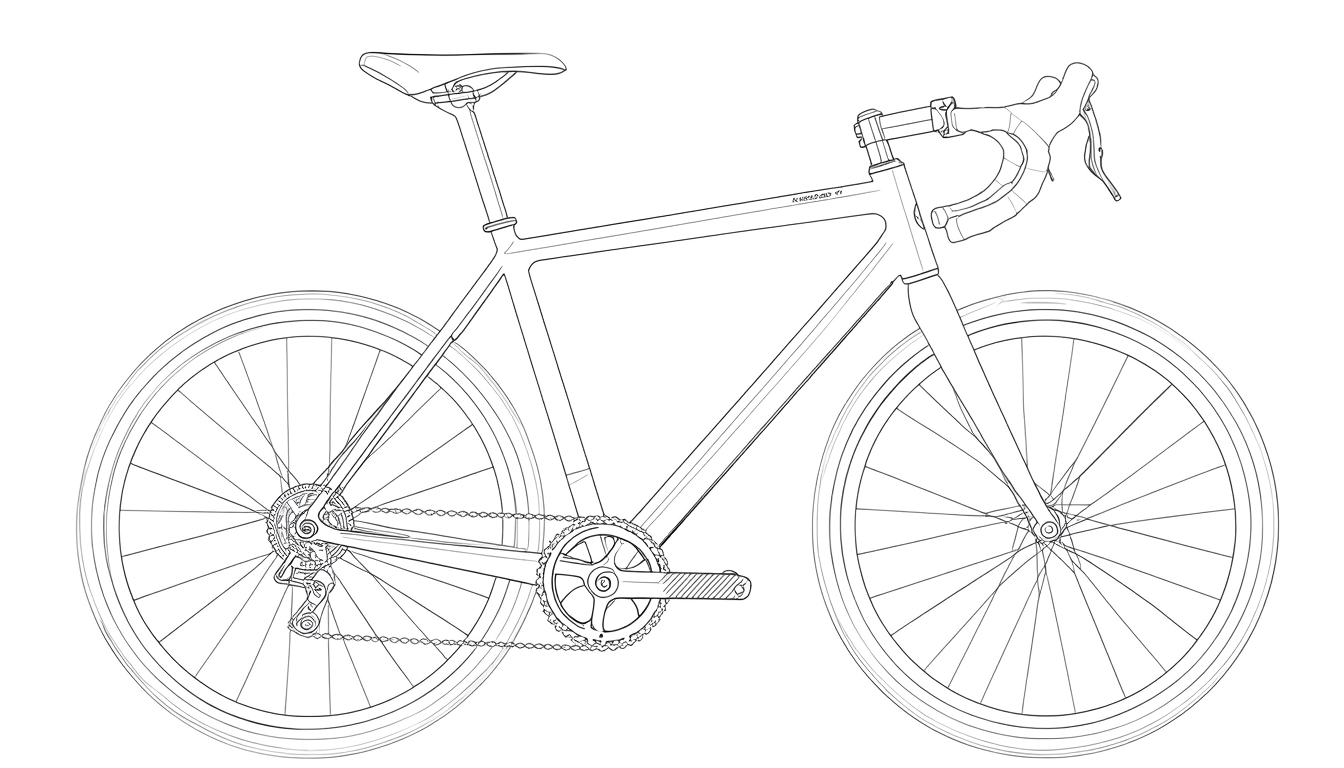
- Seat tube length: Measure from the center of the bottom bracket to the top of the seat tube.
- Effective top tube: Measure the horizontal distance from the head tube to the seat tube line.
- Reach: Horizontal distance from the bottom bracket to the top of the head tube.
- Stack: Vertical distance from the bottom bracket to the top of the head tube.
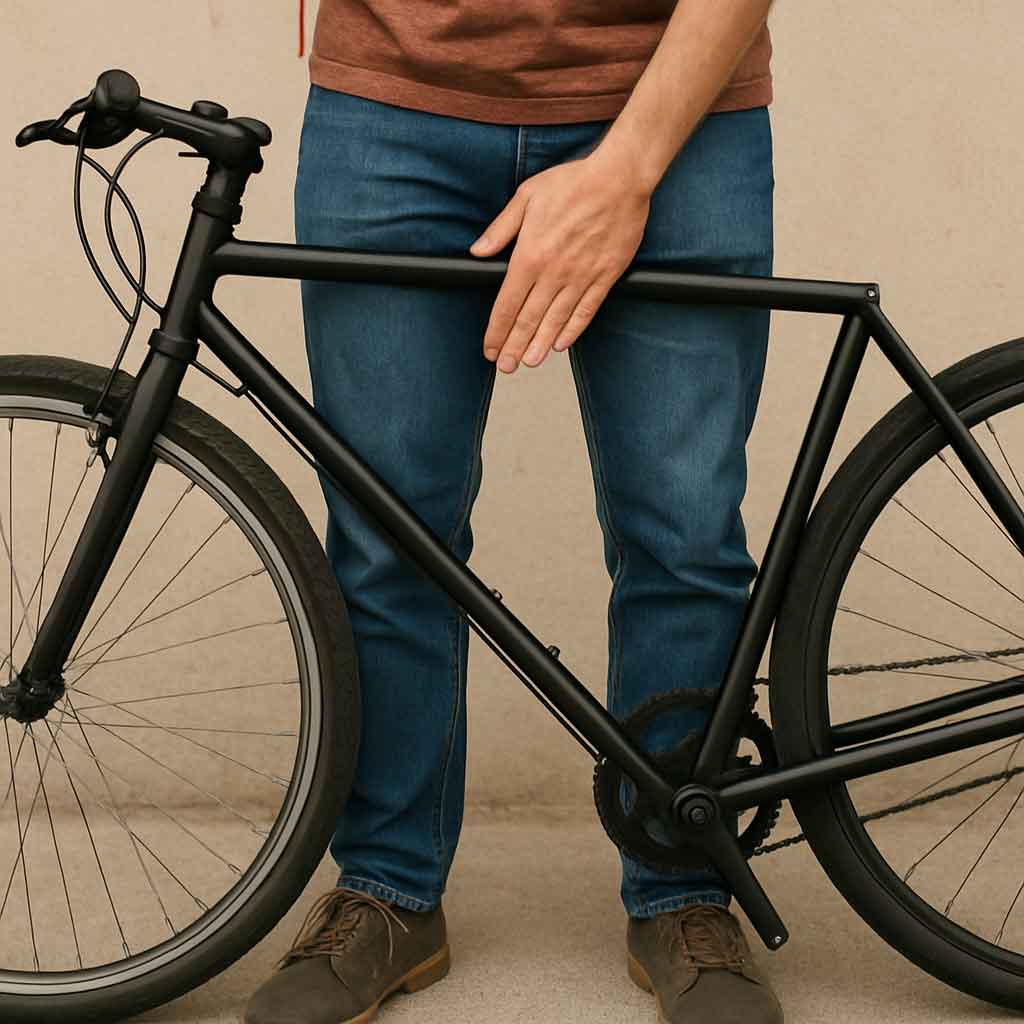
- Stand-over height: Measure from the ground to the top tube at the point where you stand over the bike.
Common Sizing Mistakes
- Using height only: Two riders with the same height can have different inseam and torso length.
- Ignoring reach: A frame can have the right seat tube size but still feel too long.
- Choosing race fit too early: Beginners often ride better on a slightly more comfortable position.
- Forgetting tire and shoe clearance: Gravel bikes with large tires can have different toe overlap behavior.
- Assuming all brands size the same: Always check the geometry chart, not only S/M/L labels.
Frequently Asked Questions
What if I am between two frame sizes?
If you want a more upright and stable fit, the larger size may work with a shorter stem. If you want a lower and more aggressive fit, the smaller size may work with a longer stem. Most recreational riders should prioritize comfort and reach.
Do women need a different sizing method?
The same measurement method works. Some riders may need shorter reach, narrower handlebars or a different saddle, but frame size should still be based on height, inseam, reach and comfort.
How do I measure a child's bike frame?
Children's bikes are usually sized by wheel diameter rather than frame size. The child should be able to stand safely over the bike and control it easily while starting, stopping and turning.
Can I ride a bike that is one size too small?
Sometimes yes, but it may require a longer seatpost and stem. A frame that is too small can feel twitchy or cramped. It is better to compare reach and stack before deciding.
Ready to Find Your Perfect Fit?
The best bike frame size starts with accurate inseam measurement, then checking the geometry chart for reach, stack and stand-over height. Size charts are useful, but they should guide your decision rather than replace fit judgment.
Use the Mondince bike frame size calculator for a quick recommendation, then compare frames in the road bike frame, gravel bike frame and carbon MTB frame collections. For custom geometry or OEM frame projects, contact Mondince.