
Choosing the right mountain bike frame size is one of the most important steps before buying or building an MTB. A frame that is too small can feel cramped and unstable at speed, while a frame that is too large can make technical handling, climbing, and cornering harder than it should be.
This mountain bike frame size guide explains how to choose the right MTB frame size by rider height, inseam, standover clearance, reach, stack, wheel size, and riding style. If you are choosing a carbon MTB frame for cross-country, trail, or all-mountain riding, use this guide as a practical starting point before checking the exact geometry chart of the frame you plan to buy.
Why Mountain Bike Frame Size Matters
Mountain bike sizing is not only about seat tube length. Modern MTB geometry uses reach, stack, wheelbase, head tube angle, and standover height to shape how the bike handles on climbs, descents, and technical trails.
A properly sized mountain bike frame helps you:
- Maintain a comfortable pedaling position on long rides
- Control the bike more confidently on technical sections
- Keep enough standover clearance when stopping or dismounting
- Balance climbing efficiency with descending stability
- Reduce fatigue in the lower back, shoulders, wrists, and knees
For riders comparing carbon frame options, sizing becomes even more important because a high-performance frame is designed around a specific fit range and riding style.
Mountain Bike Frame Size Chart
The chart below gives a general starting point for mountain bike frame sizing. Always compare it with the specific geometry chart of the frame model, because sizing can vary between brands and frame designs.
| Rider Height | Suggested MTB Size | Typical Frame Size | Fit Notes |
|---|---|---|---|
| 5'0" - 5'4" / 152 - 163 cm | XS / Small | 13" - 15" | Look for short reach and enough standover clearance. |
| 5'4" - 5'8" / 163 - 173 cm | Small / Medium | 15" - 17" | A balanced choice for many trail and XC riders. |
| 5'8" - 5'11" / 173 - 180 cm | Medium | 17" - 18" | Check reach and stack carefully if you are between sizes. |
| 5'11" - 6'2" / 180 - 188 cm | Large | 18" - 20" | Often suits riders who want more stability at speed. |
| 6'2" + / 188 cm + | XL | 20" - 22" | Focus on reach, wheelbase, and cockpit length. |
For a quicker first estimate, you can also use our bike frame size calculator. Treat the result as a starting point, then confirm it against the geometry chart for the exact MTB frame model.
Key Measurements for MTB Frame Sizing
Rider Height
Rider height is the quickest way to narrow down your mountain bike frame size. It should not be the only measurement you use, but it gives you a useful first range before checking inseam and geometry numbers.
Inseam
Inseam is especially important for standover clearance. To measure it, stand barefoot or in riding shoes with your feet about shoulder-width apart, then measure from the floor to the top of your inner leg. For mountain bikes, enough clearance helps you stop, dismount, and handle rough terrain more safely.
Standover Height
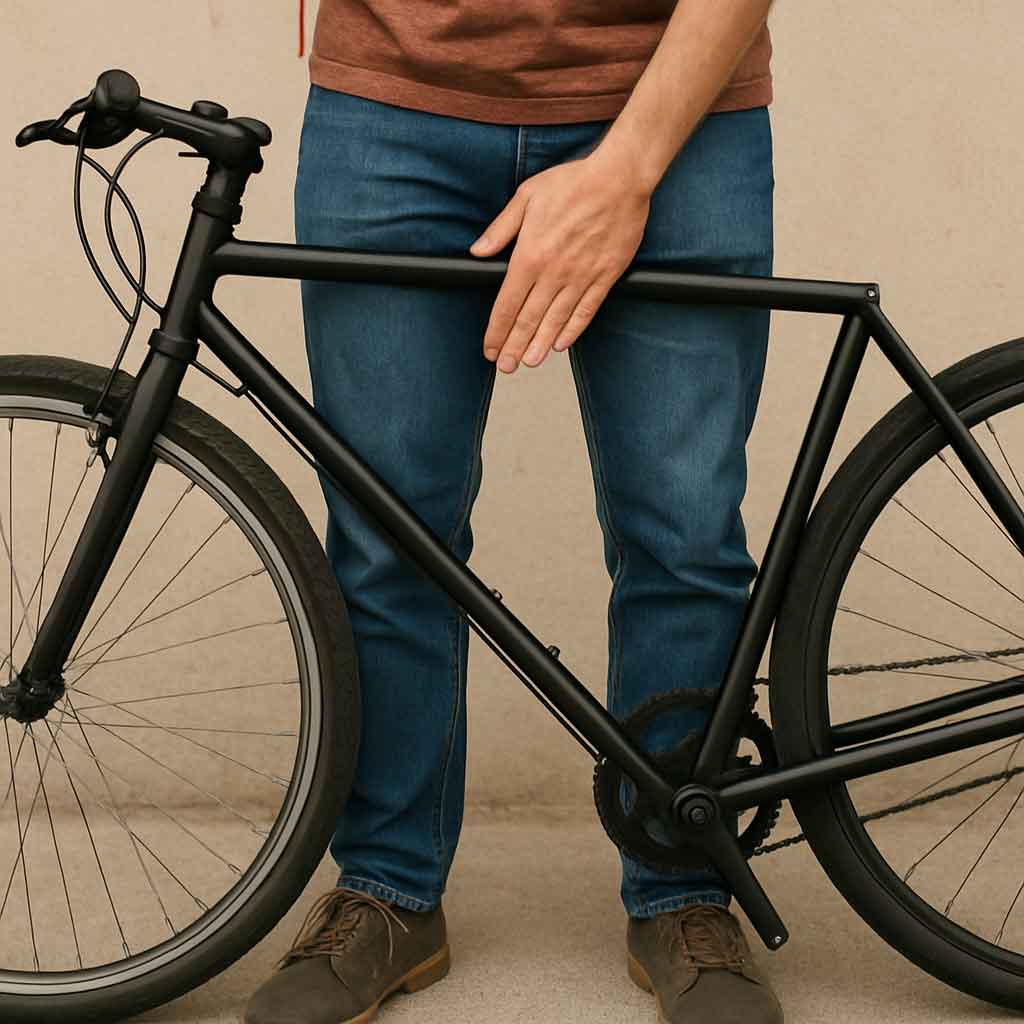
Standover height is the distance from the ground to the top tube area where you stand over the bike. Mountain bikes usually need more standover clearance than road bikes because the terrain is uneven and riders move around the bike more often.
Reach
Reach is one of the most important numbers in modern mountain bike geometry. It affects how stretched or compact you feel when standing and descending. A longer reach can improve stability, while a shorter reach can make the bike feel easier to maneuver in tight sections.
Stack
Stack affects handlebar height and front-end comfort. A taller stack can feel more upright and controlled on steep trails, while a lower stack can create a more aggressive position for racing or fast XC riding.
Wheel Size and Frame Fit
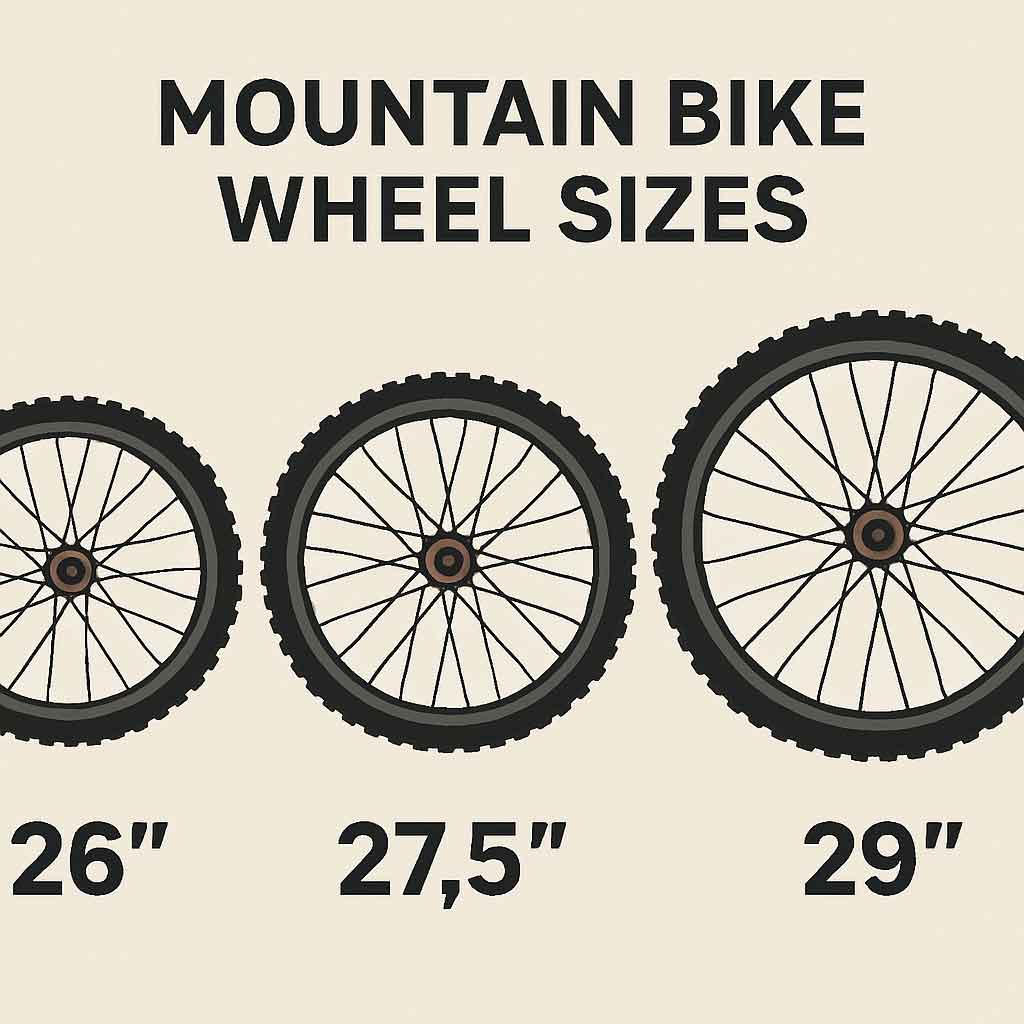
Wheel size can change how a mountain bike feels even when the frame size is similar. Most modern mountain bikes use either 27.5-inch or 29-inch wheels, and each option affects handling, rollover ability, and fit.
- 27.5-inch wheels: Usually feel more agile and easier to handle in tight technical sections. They can be a good option for smaller riders or riders who prioritize quick handling.
- 29-inch wheels: Roll over obstacles more smoothly and feel more stable at speed. They are common on XC, trail, and modern carbon MTB frames.
For many riders, 29-inch wheels are a strong choice for speed, traction, and rollover performance. However, smaller riders should still check standover height, reach, and front-end height before choosing a 29er frame.
Choose Size by Riding Style
Cross-Country / XC Riding
XC riders usually prioritize pedaling efficiency, lower weight, and responsive handling. If you ride fast climbs and long-distance trails, choose a size that gives you efficient power transfer without feeling too stretched.
Trail Riding
Trail riders need a balance of climbing comfort and descending control. If you are between sizes, consider your handling preference: a smaller size may feel more playful, while a larger size may feel more stable.
Enduro and Aggressive Trail Riding
Enduro-style riding often benefits from more stability, longer reach, and a confident descending position. However, the frame should still allow you to move freely over the bike on technical terrain.
What If You Are Between Two Sizes?
If you fall between two mountain bike frame sizes, do not choose only by height. Look at riding style, reach, stack, and how you want the bike to feel.
- Choose the smaller size if you want easier handling, a more playful feel, or more room to move around the bike.
- Choose the larger size if you want more stability at speed, a longer cockpit, or a more planted feel on descents.
- Check stem and handlebar setup because small cockpit changes can fine-tune fit after choosing the frame size.
Common MTB Sizing Mistakes
- Choosing only by seat tube length and ignoring reach or stack
- Assuming every brand uses the same size chart
- Ignoring standover clearance for trail riding
- Choosing a larger size only because it looks faster or more stable
- Buying a frame without checking wheel size compatibility and geometry
Mondince Carbon MTB Frames and Sizing Support
If you are comparing carbon mountain bike frame options, start by reviewing the geometry chart and matching your rider height, inseam, and riding style to the frame size. Mondince offers carbon MTB frame options for riders and OEM partners who need lightweight construction, stable handling, and customizable frame solutions.
Explore our carbon MTB frame collection to compare available mountain bike frame models, geometry, and frame specifications. If you are not sure which size fits your project, you can also contact Mondince with your height, inseam, riding style, and target wheel size.
Related Frame Sizing Guides
For a broader sizing reference across different bike categories, read our complete bike frame sizing guide. If you want to measure your current bike or frame before comparing sizes, see our step-by-step guide to measuring bike frame size.
If you are comparing other carbon frame categories, you can also review Mondince carbon gravel bike frames and carbon road bike frames. Gravel and road frames use different geometry priorities from MTB frames, so their sizing should be checked separately.
Frequently Asked Questions
What size mountain bike frame do I need?
Your mountain bike frame size depends on rider height, inseam, standover clearance, reach, stack, and riding style. A size chart is a good starting point, but the final choice should be checked against the specific frame geometry.
Is mountain bike frame size the same as road bike frame size?
No. Mountain bikes, road bikes, and gravel bikes use different geometry. MTB sizing usually places more emphasis on standover clearance, reach, handling stability, and rider movement over technical terrain.
Should I choose a smaller or larger MTB frame if I am between sizes?
Choose the smaller size if you prefer easier handling and a more playful ride. Choose the larger size if you prefer more stability at speed and a longer cockpit. Reach and stack should guide the final decision.
Do 29-inch wheels affect mountain bike sizing?
Yes. A 29-inch wheel mountain bike can feel taller and longer than a similar bike with smaller wheels. Shorter riders should pay close attention to standover height, reach, and front-end height when choosing a 29er frame.
How do I measure a mountain bike frame?
Traditional frame size is measured from the center of the bottom bracket to the top of the seat tube. However, modern mountain bike sizing should also include reach, stack, wheelbase, and standover height.
Conclusion
The best mountain bike frame size is the one that matches your body measurements, riding style, and the geometry of the specific frame. Start with rider height and inseam, then confirm standover clearance, reach, stack, and wheel size before making a final decision.
For carbon MTB frame projects, Mondince can help riders, distributors, and OEM partners compare frame geometry and choose a suitable size range. View our Mondince carbon mountain bike frames or contact us for sizing and frame selection support.