
A gravel bike should feel stable on rough roads, efficient on climbs, and comfortable over long distances. The right frame size is the starting point. This guide explains how to use a gravel bike frame size chart and what measurements matter most.
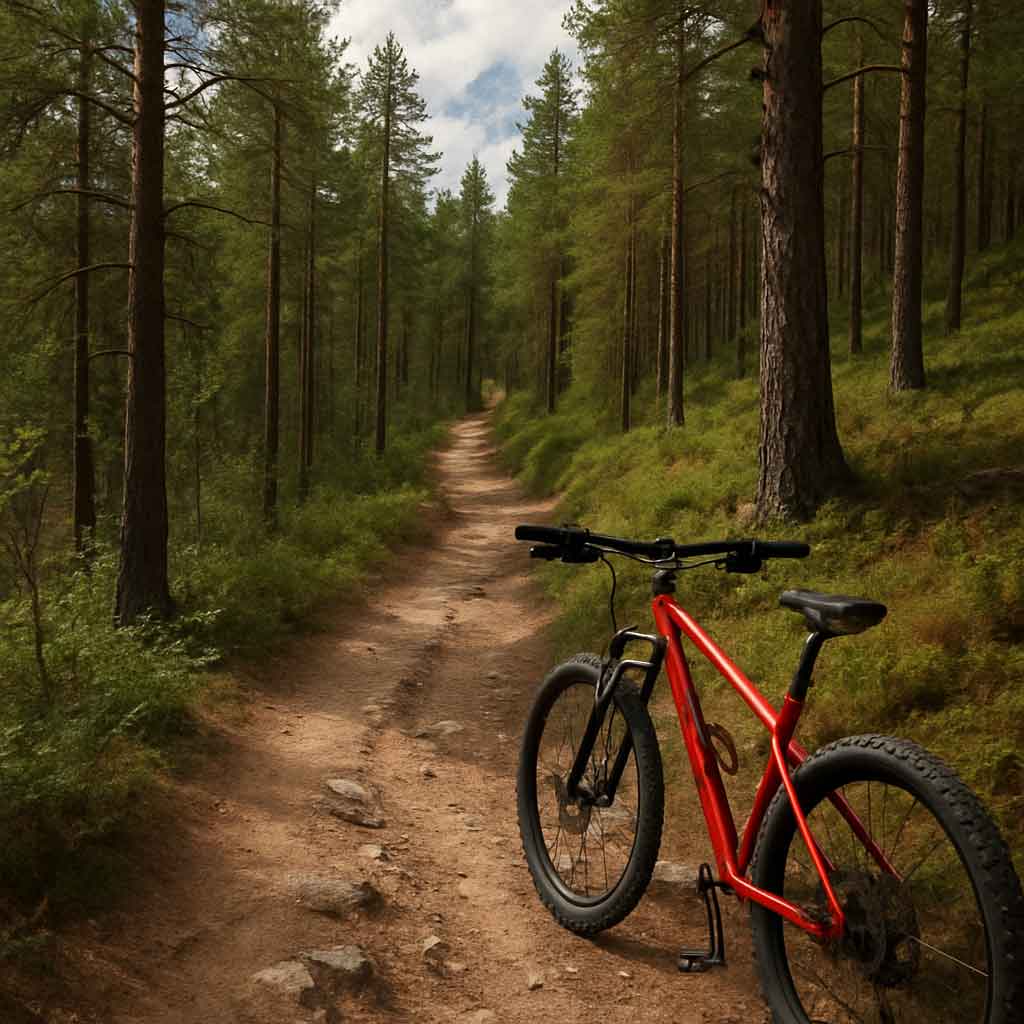
Gravel bike sizing is slightly different from road bike sizing because gravel riding involves mixed terrain, wider tires, longer rides, and more control demands. A frame that is too small can feel cramped and unstable at speed. A frame that is too large can be difficult to control on loose surfaces or technical routes.
Use the chart below as a starting point, then confirm with inseam, reach, stack, riding style, and personal preference.
Gravel Bike Frame Size Chart
| Rider Height | Suggested Frame Size | Typical Label | Fit Notes |
|---|---|---|---|
| 155-165 cm | 49-50 cm | XS | Best for shorter riders or riders needing lower standover height |
| 165-172 cm | 52 cm | S | Good for compact fit and easier handling |
| 172-178 cm | 54 cm | M | Common middle size for balanced gravel handling |
| 178-185 cm | 56 cm | L | Suitable for taller riders needing more reach and stack |
| 185-193 cm | 58 cm | XL | For tall riders; check reach carefully before choosing |
| 193 cm+ | 60-61 cm | XXL | Only available on selected models; custom geometry may be better |
This chart is only a general guide. Different brands and frame models can have different geometry, so always compare the actual geometry chart before buying.
Why Gravel Bike Fit Matters
Comfort on Long Rides
A properly sized gravel frame helps you maintain a natural riding position. This reduces strain on the back, neck, shoulders, wrists, and knees during long rides. Gravel riding often includes rough surfaces, so comfort matters more than simply choosing the most aggressive position.
Control on Mixed Terrain
Gravel bikes need stable handling on loose roads, broken pavement, dirt paths, and descents. A frame that is too large can feel difficult to control, while a frame that is too small can feel nervous at speed.
Pedaling Efficiency
The right frame size helps you set saddle height, saddle setback, and handlebar reach correctly. This improves pedaling efficiency and reduces the chance of knee or hip discomfort.
Key Measurements for Gravel Bike Sizing
Height
Rider height is the fastest way to estimate frame size, but it should not be the only measurement. Two riders with the same height may need different sizes if their inseam, torso length, or arm length is different.
Inseam
Inseam helps estimate standover clearance and saddle height. To measure inseam, stand barefoot with your back against a wall and place a book between your legs as if it were a saddle. Measure from the floor to the top of the book.
Standover Height
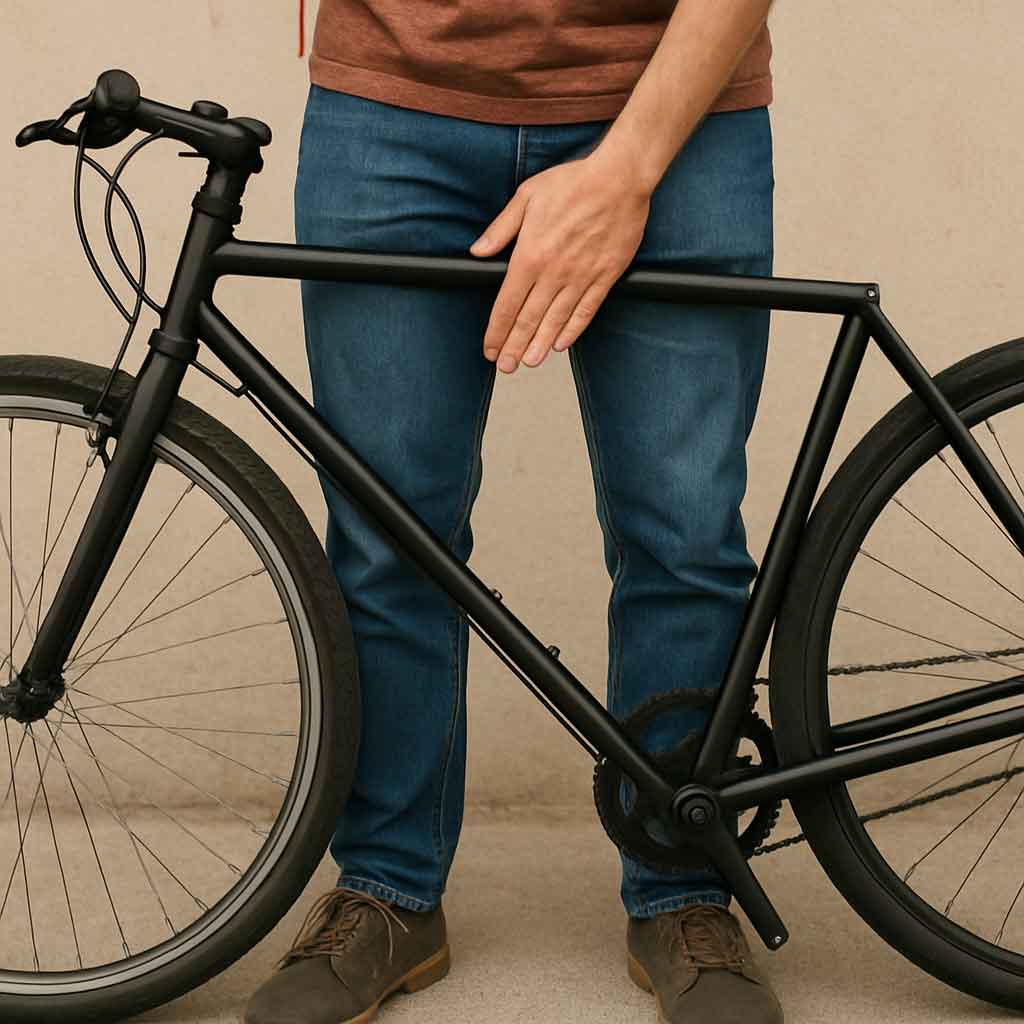
Standover height is the distance from the ground to the top tube. For gravel bikes, having enough clearance is important because you may need to dismount quickly on uneven terrain. Many riders prefer more clearance on gravel bikes than on pure road bikes.
Reach
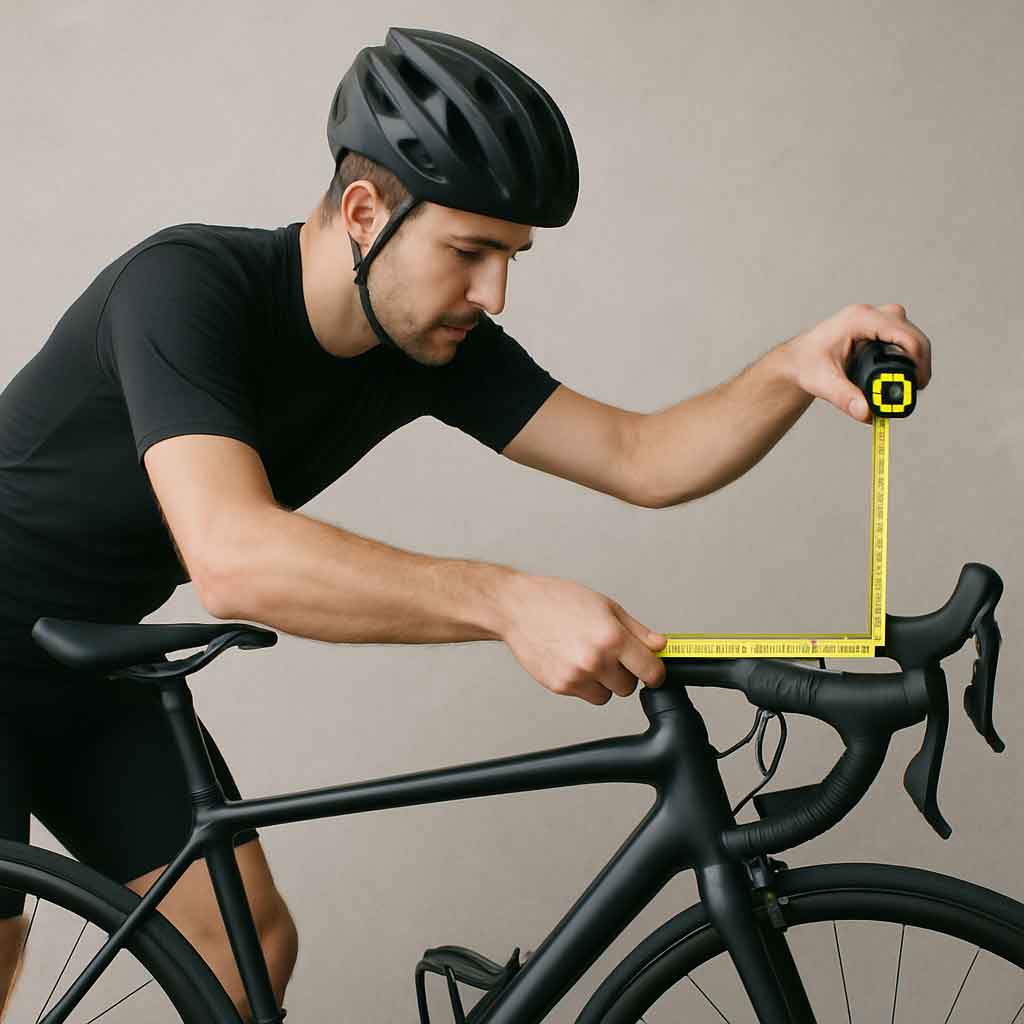
Reach is the horizontal distance from the bottom bracket to the top of the head tube. It affects how stretched out you feel on the bike. Longer reach can feel stable at speed, while shorter reach can feel more relaxed and easier to control.
Stack
Stack is the vertical distance from the bottom bracket to the top of the head tube. Higher stack usually gives a more upright and comfortable position. Lower stack gives a more aggressive position.
Effective Top Tube
Effective top tube length helps describe the overall cockpit length. It is useful when comparing frames, but reach is often more reliable for modern sloping gravel frames.
How to Choose Between Two Sizes
If you are between two gravel bike sizes, consider your riding style and fit preference.
- Choose the smaller size if you want easier handling, more standover clearance, or a more upright setup with a longer stem.
- Choose the larger size if you want more stability, longer reach, or a more stretched riding position.
- For bikepacking, comfort and stability usually matter more than aggressive fit.
- For racing, some riders prefer a lower and longer position, but control should still come first.
Gravel Geometry Is Not the Same as Road Geometry
Gravel frames usually have more stable geometry than pure road frames. They often use a longer wheelbase, lower bottom bracket, slacker head tube angle, and more tire clearance. This helps the bike feel more confident on rough or loose terrain.
If you ride mostly smooth pavement, a carbon road bike frame may fit your needs better. If you ride mixed terrain, wider tires, and longer adventure routes, a carbon gravel bike frame is usually the better choice.
Adjustments After Choosing the Frame
Even with the correct frame size, final fit often depends on component setup.
Saddle Height
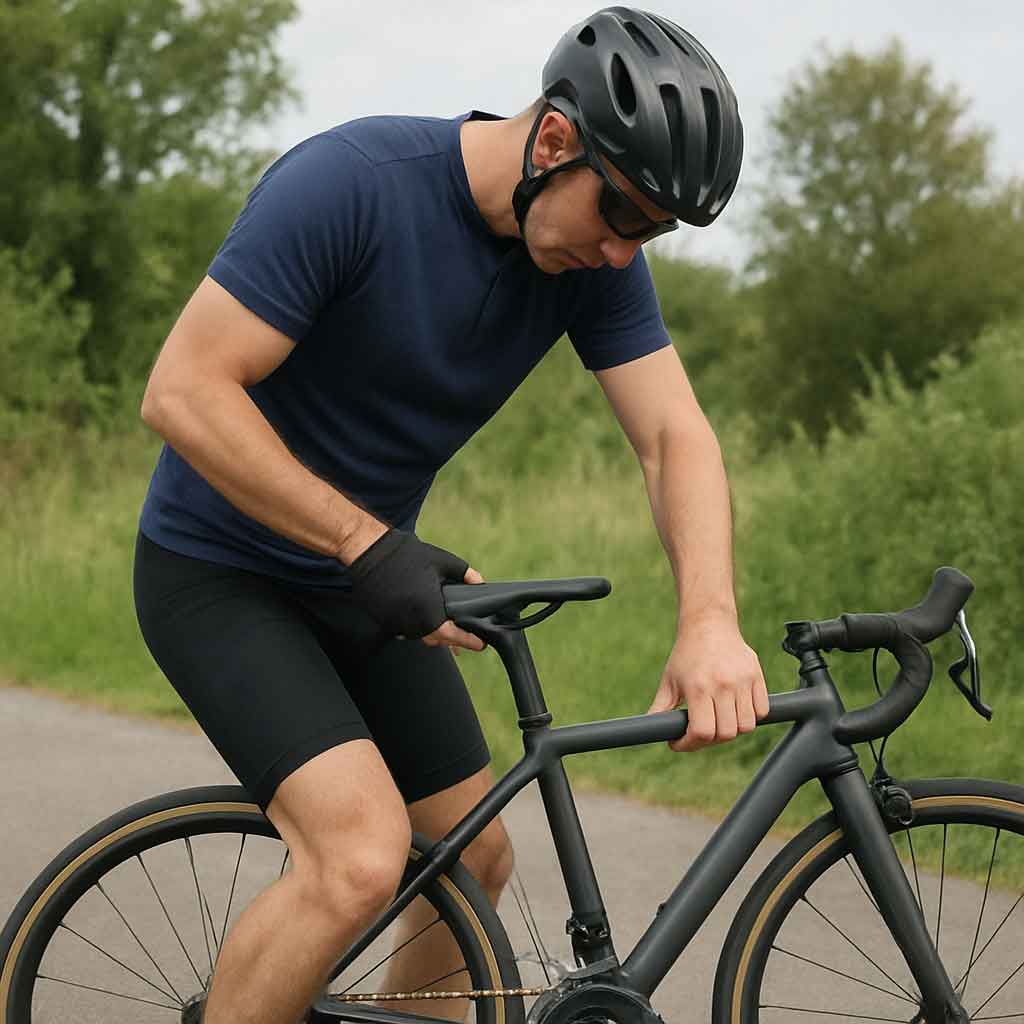
Your knee should have a slight bend at the bottom of the pedal stroke. If the saddle is too high, you may rock your hips. If it is too low, your knees may feel overloaded.
Saddle Fore-Aft Position
Saddle position affects pedaling comfort and weight distribution. Small adjustments can change how the bike feels on climbs and long rides.
Stem Length
A shorter stem can make the cockpit feel more compact and easier to control. A longer stem can increase reach and stability, but too much length can cause shoulder or neck strain.
Handlebar Width
Gravel handlebars are often wider than road bars to improve control. Choose a width that supports stability without causing shoulder discomfort.
Use a Frame Size Calculator as a Starting Point
A size chart is useful, but a calculator can give a more personalized starting point by considering height, inseam, and frame type. You can use the Mondince bike frame size calculator before comparing specific models.
Mondince Gravel Frames and Custom Geometry
Mondince offers carbon gravel frames for different rider heights, tire clearance needs, and riding styles. Some models are designed for fast gravel and all-road riding, while others focus more on adventure riding, wide tire clearance, and bikepacking mounts.
Popular gravel frame options include:
- FM376 all-terrain racing carbon gravel frame
- FM326 carbon aero gravel frame
- FM316 aero design gravel frame
- FM296 UDH carbon gravel frame
Browse the full Mondince carbon gravel bike frame collection to compare geometry, tire clearance, and frame details.
Conclusion
The right gravel bike frame size should balance comfort, control, efficiency, and riding style. Start with your height and inseam, then compare reach, stack, standover height, and geometry. If you are between sizes, think carefully about whether you prefer more stability or easier handling.
If you need help choosing a size, use the bike frame size calculator or contact Mondince with your height, inseam, riding style, and target gravel frame model.