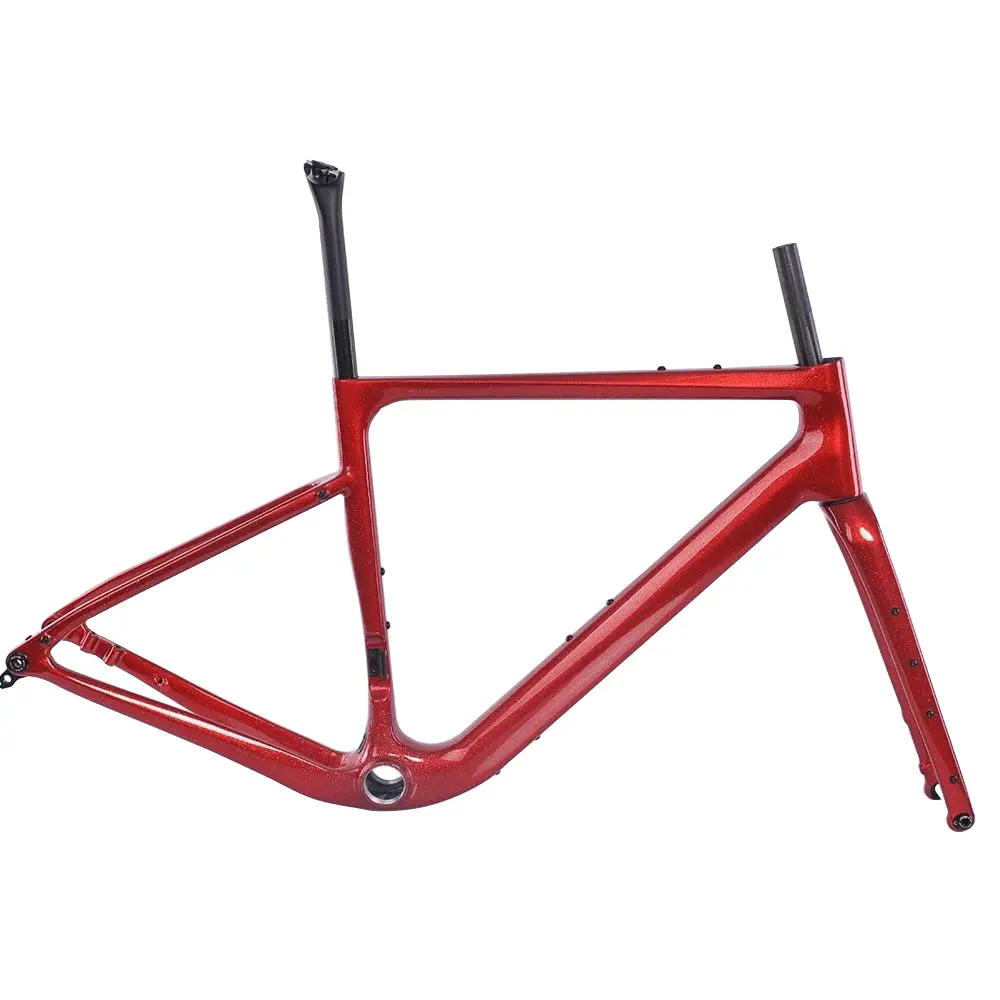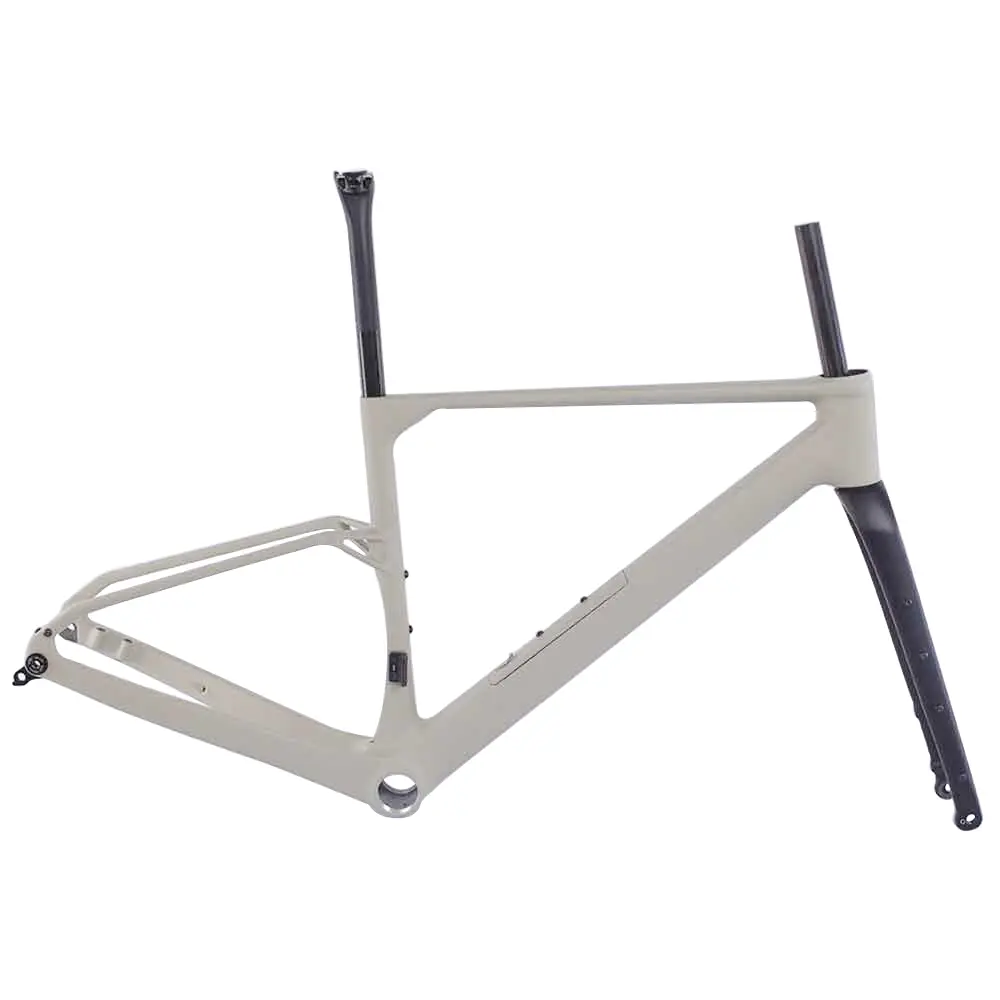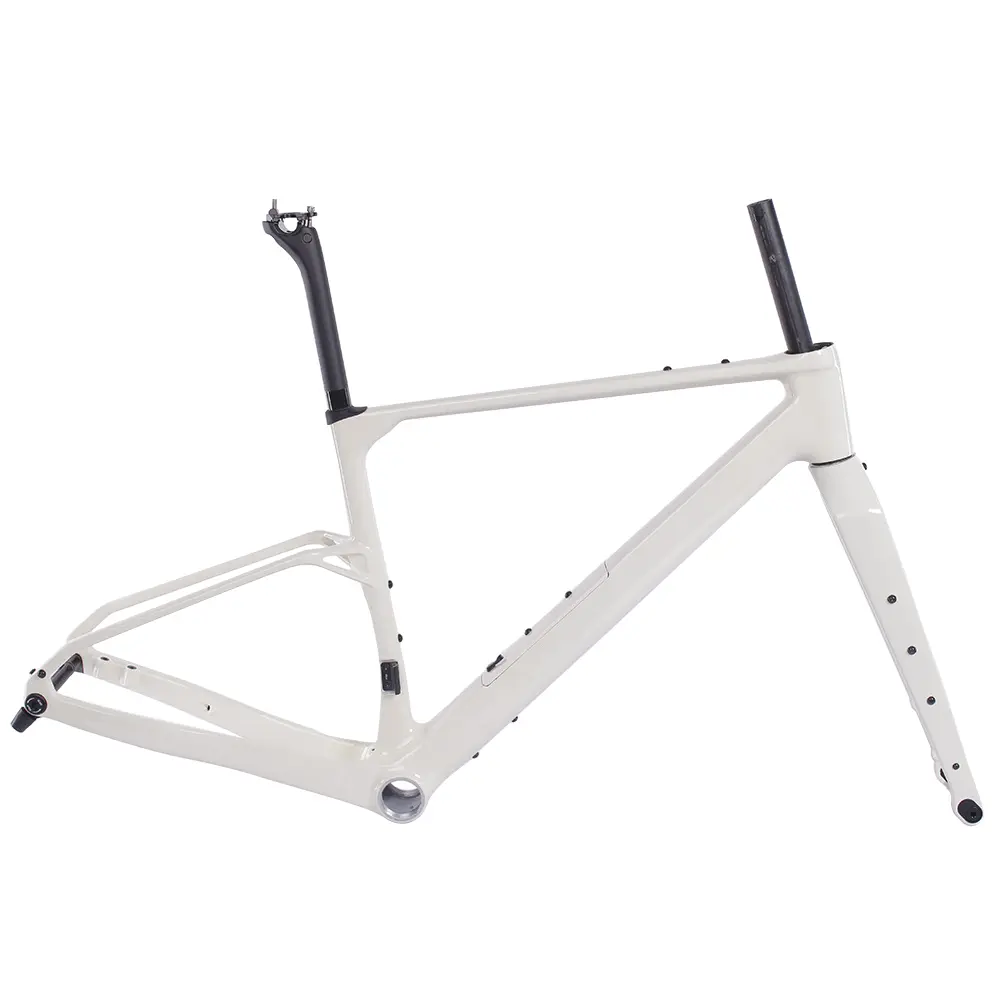

A carbon gravel bike frame is one of the most meaningful upgrades for riders who want lower weight, better vibration control, and more confidence on mixed terrain. This guide explains when the upgrade makes sense and how to choose the right Mondince gravel frame.
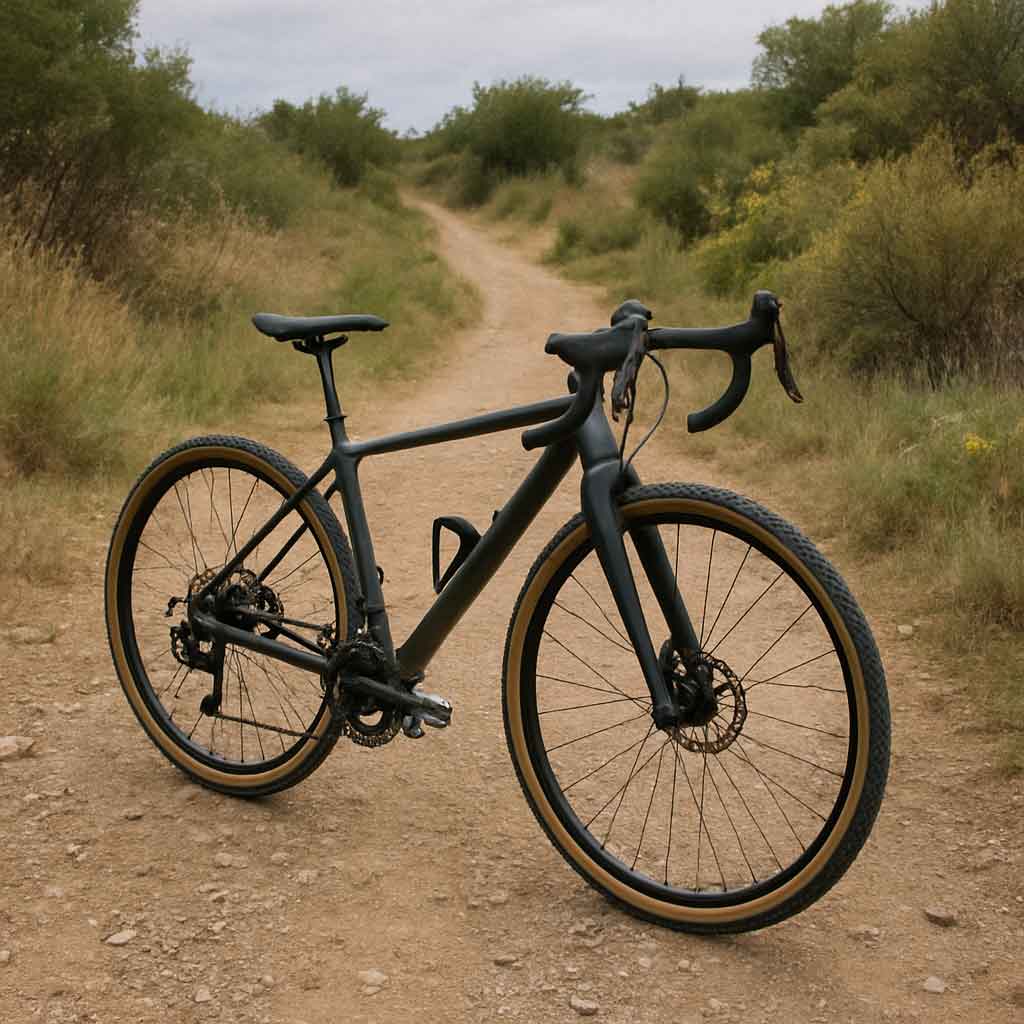
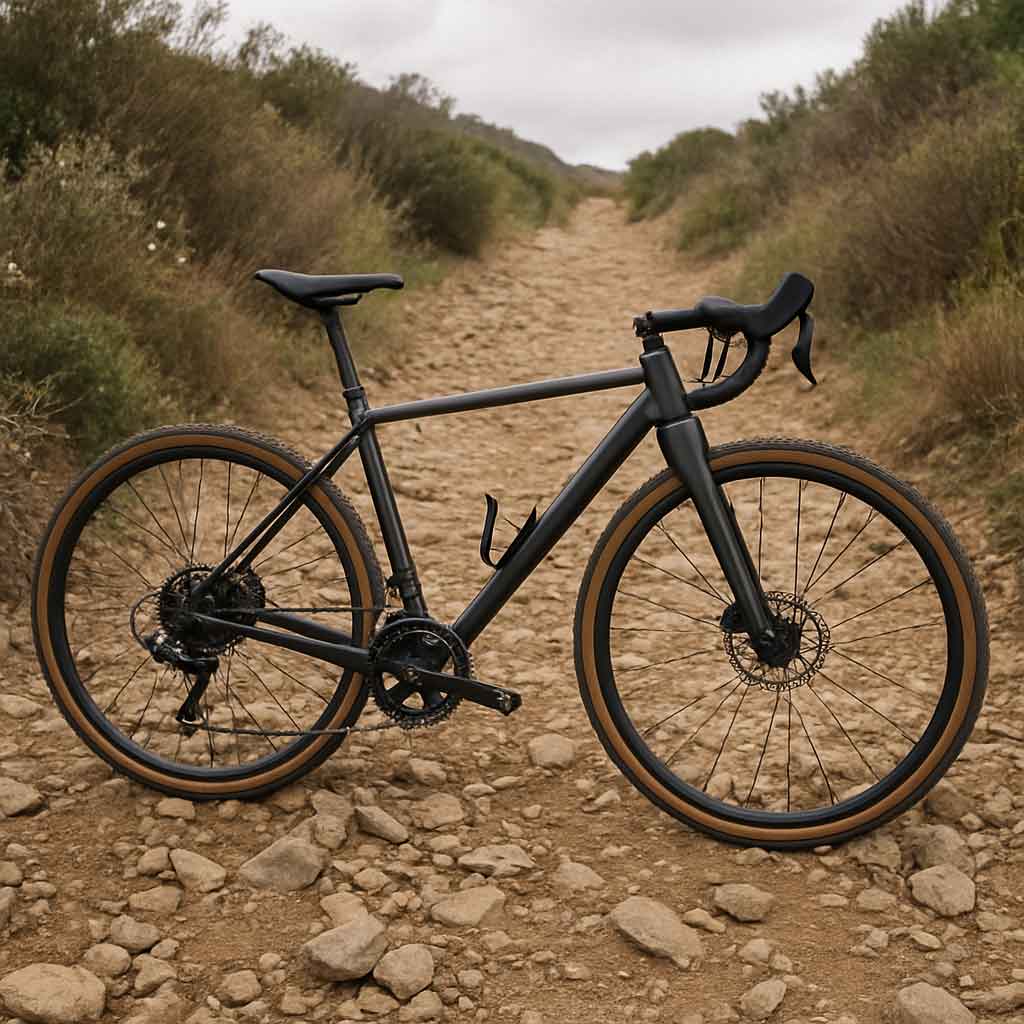
Gravel riding asks more from a frame than smooth-road cycling. A good gravel frame needs to climb efficiently, stay stable on loose surfaces, absorb rough-road vibration, and leave enough clearance for wider tires. This is why many riders, bike shops, and OEM brands choose carbon fiber for modern gravel bikes.
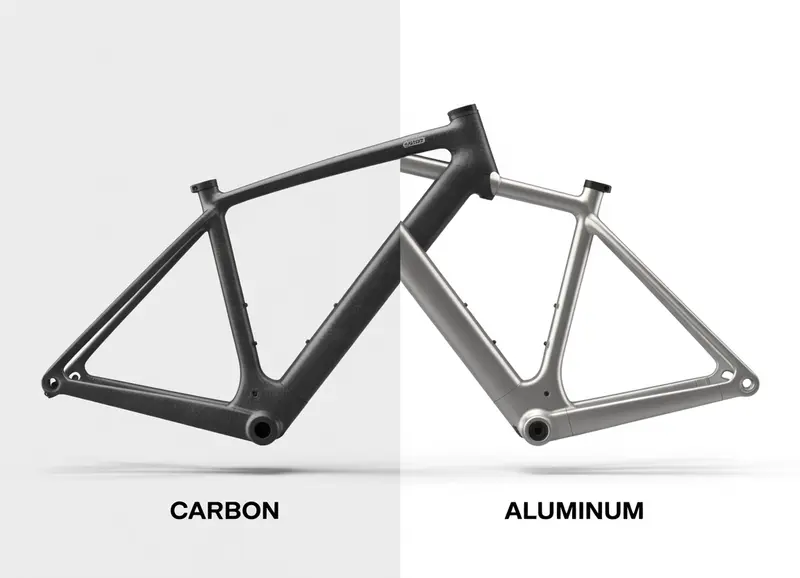
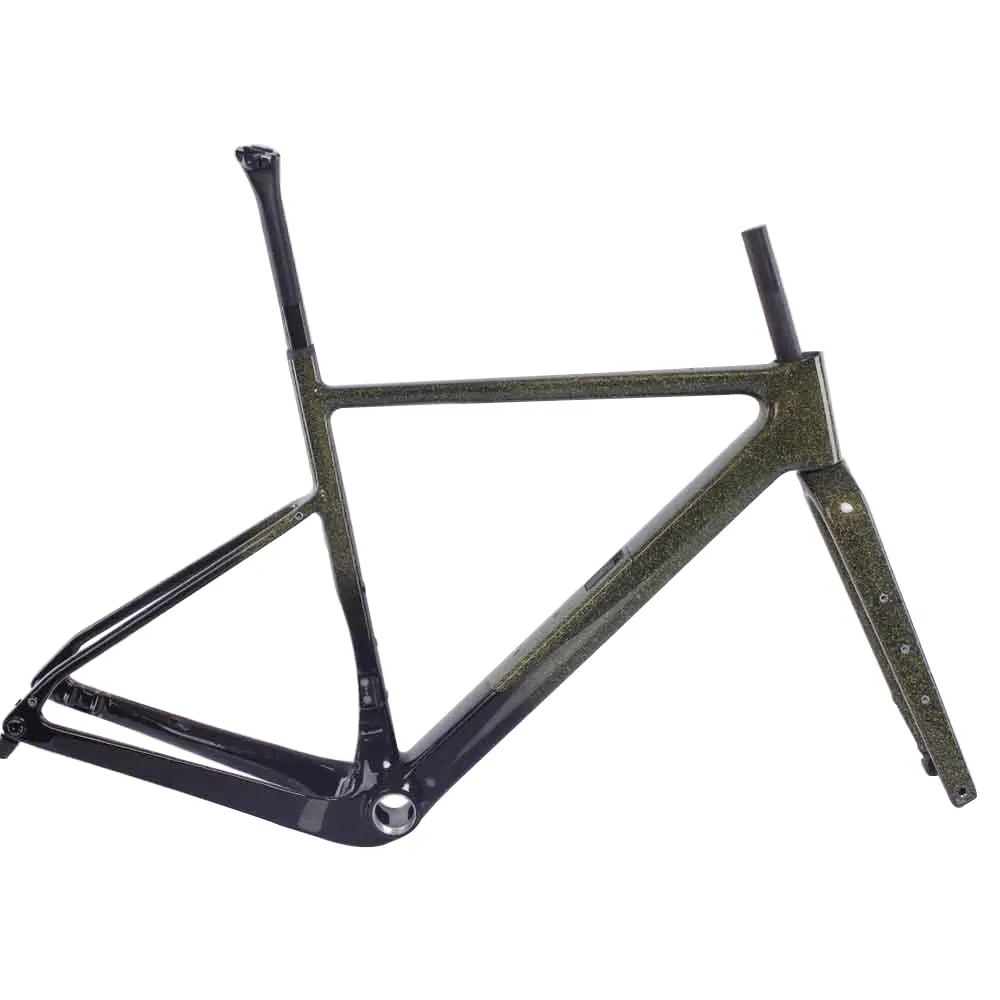
A well-designed carbon gravel bike frame is not just lighter than many aluminum or steel options. More importantly, carbon layup can be tuned in different areas of the frame. The bottom bracket and head tube can be reinforced for power transfer and steering precision, while the seat stays and fork can be designed to reduce fatigue on long rides.
Why Carbon Works So Well for Gravel Riding
Carbon fiber gives frame designers more control over stiffness, comfort, tube shape, and weight distribution. For gravel bikes, that matters because the same frame may be used for fast group rides, long-distance bikepacking, rough farm roads, light trails, and daily training.
The main benefits of a carbon gravel frame include:
- Lower frame weight for climbing, acceleration, and long-distance riding.
- Better vibration damping compared with many metal frames on rough surfaces.
- Tuned stiffness around the bottom bracket, head tube, and chainstays.
- More design freedom for aero tube shapes, hidden cables, and integrated storage.
- Wider tire clearance for comfort, traction, and mixed-terrain control.
- OEM flexibility for custom paint, geometry, branding, and frame specifications.
If you want to understand the material side in more detail, read our carbon fiber bike frame guide and the Toray carbon gravel frame material guide.
Comfort Matters More Than Weight Alone
Many riders first consider carbon because of weight. That is important, but gravel performance is also about comfort and control. On rough roads, a frame that reduces vibration can help riders stay fresher for longer. This is especially useful for endurance rides, bikepacking routes, and mixed-surface racing.
Carbon layup allows engineers to tune different parts of the frame for different ride characteristics. A gravel frame can feel efficient under power while still offering enough compliance to reduce harsh feedback from rough surfaces.
Tire Clearance Changes the Whole Bike
Tire clearance is one of the biggest reasons to upgrade to a modern gravel frame. Wider tires can improve grip, comfort, and stability, especially when riding loose gravel, broken pavement, wet roads, or loaded bikepacking routes.
For most gravel riders, 45mm to 50mm tire clearance is already very versatile. Riders who want more aggressive adventure capability may prefer frames with 57mm or larger tire clearance. You can compare tire options in our 45mm vs 50mm vs 57mm gravel tire clearance guide.
Which Mondince Gravel Frame Fits Your Riding Style?
Mondince offers several carbon gravel frame platforms for different riding styles, tire clearance needs, and OEM project requirements. Instead of choosing only by appearance, compare geometry, tire clearance, mounting points, bottom bracket type, and drivetrain compatibility.
| Model | Best For | Key Features |
|---|---|---|
| FM296 | Adventure gravel and bikepacking | UDH hanger, wide tire clearance, modern gravel geometry |
| FM316 | Fast gravel and aero-focused builds | Aero tube design, T47 bottom bracket, clean cable routing |
| FM326 | Performance gravel and OEM builds | T1000 carbon option, 420mm fork, aero gravel platform |
You can also browse the full Mondince carbon gravel bike frame collection to compare more models, tire clearance options, and frame specifications.
When Is a Carbon Gravel Frame Worth It?
A carbon gravel frame is worth considering if you ride long distances, want better comfort on rough roads, need a lighter bike for climbing, or plan to build a performance-focused gravel bike. It is also a strong choice for bike shops and brands that want an OEM gravel platform with custom paint or geometry options.
However, the best frame is not always the lightest one. For gravel use, durability, tire clearance, mounting options, geometry, and handling stability are just as important. A good carbon gravel frame should match the terrain and riding style, not only the scale weight.
What to Check Before Choosing a Frame
- Tire clearance: Choose clearance based on your terrain and tire width needs.
- Bottom bracket: T47 is popular for gravel because it balances stiffness and serviceability.
- Drivetrain compatibility: Check mechanical, electronic, 1x, and 2x compatibility.
- Mounting points: Look for bottle, rack, fender, and bikepacking mounts if needed.
- Geometry: Longer wheelbase and stable handling are useful for adventure riding.
- Testing: Make sure the frame is tested for strength, fatigue, and impact resistance.
For certification and testing information, see the Mondince certification page. For OEM projects, visit our OEM carbon frame service.
Conclusion
Upgrading to a carbon gravel bike frame can improve ride quality, efficiency, comfort, and build flexibility. The biggest advantage is not only lower weight, but the ability to tune the frame for real gravel riding conditions: rough roads, wider tires, long distances, and mixed terrain.
If you are choosing a frame for racing, adventure riding, bikepacking, or OEM development, start by comparing geometry, tire clearance, mounting points, and testing standards. You can explore Mondince carbon gravel frames or contact Mondince for model recommendations and OEM support.