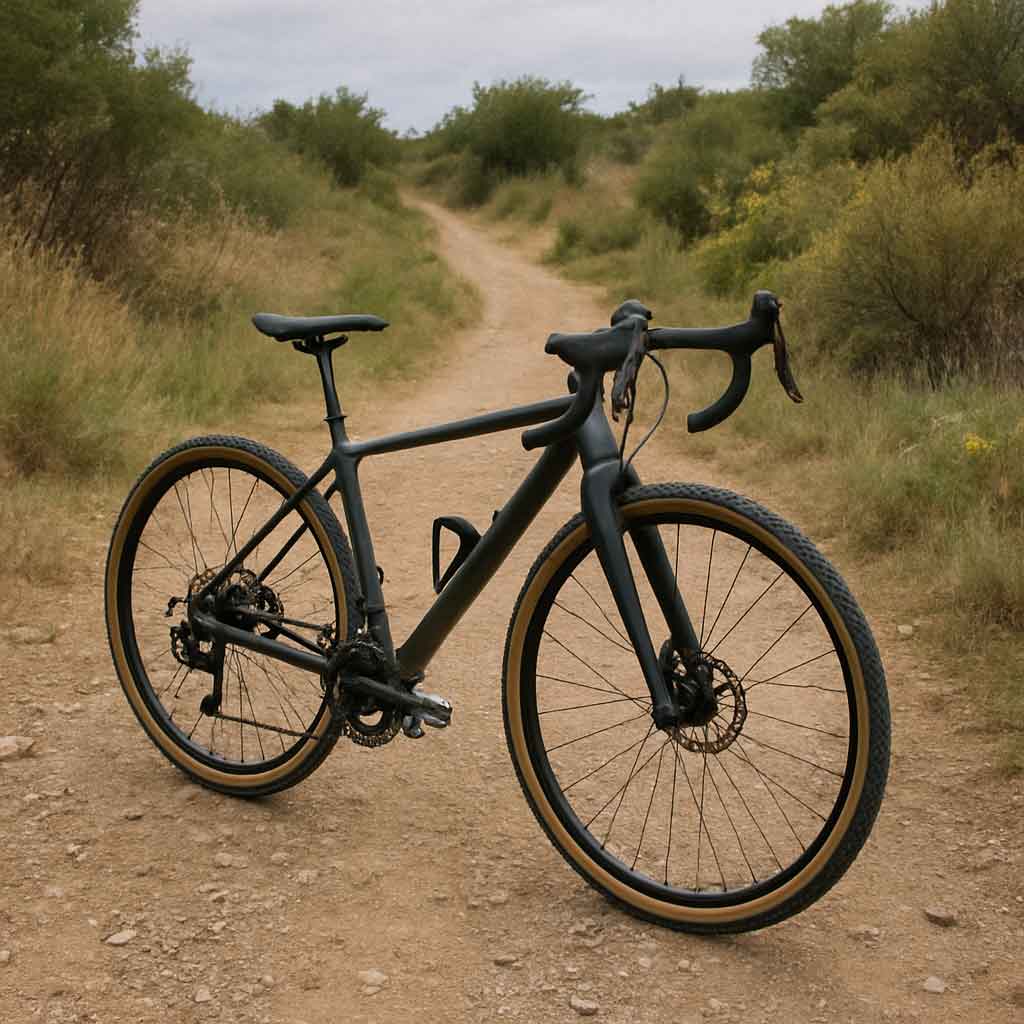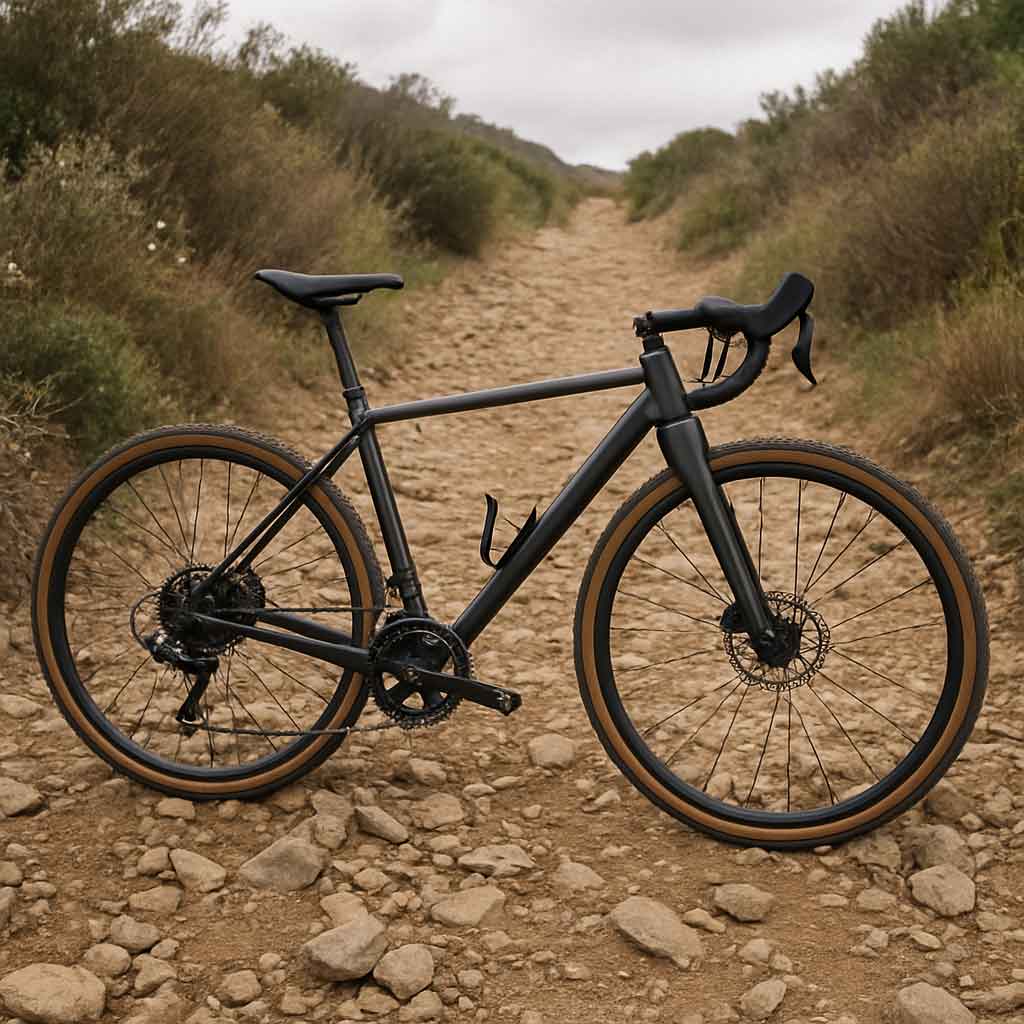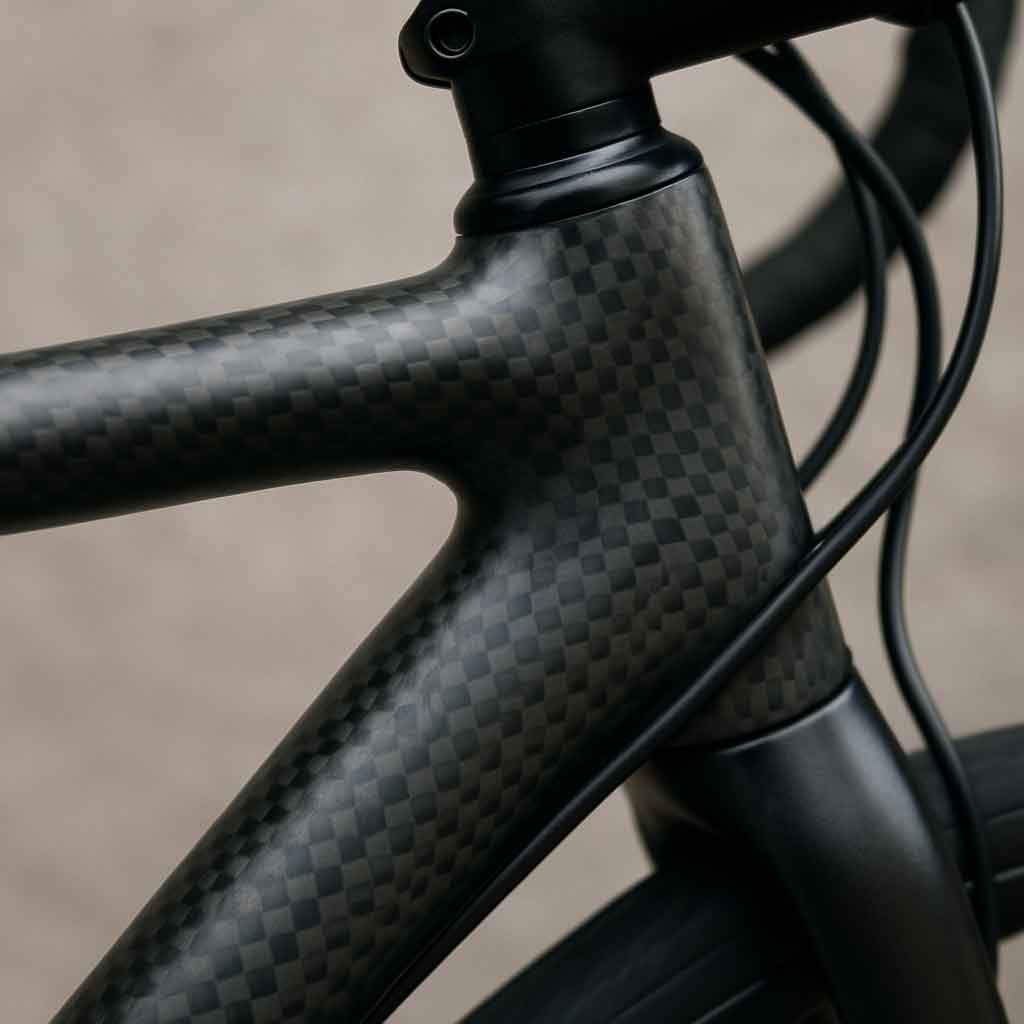

One of the most common questions we hear from e‑bike brands and custom builders is: “Should I choose a carbon ebike frame or an aluminum ebike frame?”
The answer isn't always black and white. Both materials have strengths and weaknesses. But if you're building a high‑performance, lightweight, or premium e‑bike, carbon fiber is almost always the better choice.
In this guide, we compare carbon vs aluminum ebike frames across 7 key factors: weight, stiffness, vibration damping, fatigue life, repairability, customization, and cost. We'll also show you how Mondince carbon ebike frames solve the traditional downsides of carbon.
Lightweight, EN/ISO certified, integrated battery, OEM ready.
1. Weight – Where Carbon Wins Big
The most obvious difference between carbon and aluminum ebike frames is weight.
- Carbon ebike frame: 1.9kg – 3.5kg (depending on travel and battery integration)
- Aluminum ebike frame: 2.8kg – 5.0kg (30–40% heavier)
Why does weight matter for ebikes? Even with motor assistance, a lighter frame means:
- Better acceleration and climbing efficiency
- Easier to carry up stairs or lift onto a car rack
- More responsive handling on technical trails
Winner: Carbon – A high‑quality carbon ebike frame saves 1–1.5kg compared to aluminum.
📌 Want to see real weight examples? Explore our Complete Guide to Choosing a Carbon Ebike Frame – 7 Key Factors for model‑specific weights.
2. Stiffness – Carbon Can Be Tuned, Aluminum Can't
Stiffness isn't just about "more is better." Different parts of the frame need different stiffness:
- Bottom bracket area – Needs maximum lateral stiffness for efficient power transfer (even more important with 85Nm Bosch motors)
- Head tube – Needs torsional stiffness for precise steering
- Seat stays – Should be vertically compliant for comfort
Carbon fiber is directional: engineers can lay carbon fibers in specific orientations to achieve high stiffness where needed and compliance elsewhere. Aluminum frames have uniform stiffness – stiff everywhere or flexible everywhere.
Winner: Carbon – Directional stiffness tuning is a unique advantage of carbon.
🏔️ Stiffness needs vary by riding style. Learn how different ebike geometries perform in our How to Choose the Right Ebike Frame – Motor Compatibility, Battery & Geometry.
3. Vibration Damping – Comfort on Long Rides
Ebikes are heavier and often ridden on rough terrain. Vibration matters more than on a normal bike.
- Carbon fiber naturally absorbs high‑frequency vibration (road buzz, trail chatter). It acts like a filter, transmitting less noise to your hands and body.
- Aluminum is stiff and resonant. Every bump, crack, and pebble is transmitted directly to the rider. This causes fatigue on long rides.
Our carbon ebike frames are specifically engineered with compliant seat stays and rear triangles to reduce rider fatigue without sacrificing pedaling efficiency.
Winner: Carbon – Superior vibration damping is one of carbon's biggest real‑world benefits.
4. Fatigue Life – Carbon Lasts Forever (Almost)
This is a critical difference that many buyers overlook.
- Aluminum has a finite fatigue life. Every pedal stroke, bump, and load causes micro‑cracking. After 10–15 years of heavy use, aluminum frames can fail suddenly.
- Carbon fiber has no fatigue limit when properly manufactured. Carbon frames can theoretically last indefinitely as long as they are not damaged by impact or over‑stress.
Mondince carbon ebike frames are tested to 130% of ISO 4210 standards – exceeding industry requirements. We don't cut corners on safety or durability.
Winner: Carbon – Infinite fatigue life is a major advantage for long‑term reliability.
5. Repairability – Aluminum Is Easier to Fix
If a frame breaks, which is easier to repair?
- Aluminum – Can be welded by any competent bicycle frame builder. Repair is straightforward and relatively cheap.
- Carbon – Requires specialized knowledge and equipment. Repair is possible but more expensive and requires shipping to a carbon repair specialist.
That said, high‑quality carbon frames rarely break under normal use. Most carbon frame failures come from crashes or impacts, not fatigue. Mondince offers a 2‑year warranty and crash replacement program.
Winner: Aluminum – Easier and cheaper to repair locally.
6. Customization – Carbon Is Unlimited
If you're an OEM brand, customization is critical.
- Carbon fiber – Can be molded into complex aero shapes, integrated battery compartments, hidden cable routing, and custom geometries. Mondince offers any RAL/Pantone color, custom geometry, and logo placement.
- Aluminum – Limited to standard tube shapes. Custom geometries require expensive hydroforming. Painting options are similar, but frame shapes are less distinctive.
Most premium e‑bike brands (Specialized, Trek, Cannondale) use carbon frames for their flagship models because carbon allows them to create unique, brand‑defining shapes and integrated features.
Winner: Carbon – Unlimited customization potential.
🎨 Want to go custom? See how Bosch Gen4 frames can be fully customized in our Bosch Gen4 Carbon Ebike Frame Guide.
7. Cost – Aluminum Is Cheaper (But Not Always Better Value)
Upfront cost:
- Aluminum ebike frame – $250–600 for mid‑range, $600–1200 for premium
- Carbon ebike frame – $600–1500 for entry, $1500–3000+ for high‑end (Mondince prices start much lower due to direct OEM manufacturing)
However, total cost of ownership tells a different story:
- Carbon's infinite fatigue life means you won't need to replace the frame after 10 years
- Carbon's lighter weight means less battery consumption (range advantage)
- Carbon's higher resale value retains more of your investment
Winner: Aluminum on upfront cost, Carbon on long‑term value
💰 Need a detailed price breakdown? Read our How Much Does a Custom Carbon Bike Frame Cost? – OEM Pricing Breakdown for real numbers by order quantity.
8. Quick Comparison Table – Carbon vs Aluminum Ebike Frames
| Factor | Carbon Ebike Frame | Aluminum Ebike Frame |
|---|---|---|
| Weight | ✅ 1.9–3.5kg – Lightest | ❌ 2.8–5.0kg – Heavier |
| Stiffness (tunable) | ✅ Directional carbon layup | ❌ Uniform stiffness |
| Vibration damping | ✅ Excellent | ❌ Poor, transmits buzz |
| Fatigue life | ✅ Infinite (no fatigue limit) | ❌ Finite (10–15 years) |
| Repairability | ❌ Specialist required | ✅ Easier to weld |
| Customization | ✅ Unlimited shapes, paint | ❌ Limited tube shapes |
| Upfront cost | ❌ Higher | ✅ Lower |
| Long‑term value | ✅ Higher | ❌ Lower |
9. Why Mondince Carbon Ebike Frames Are the Best of Both Worlds
We know carbon has two potential downsides: cost and repairability. Mondince solves both:
- Affordable direct pricing – We sell factory‑direct, eliminating distributor markups. Our carbon ebike frames start at prices competitive with premium aluminum.
- EN/ISO certified durability – Tested to 130% of requirements, not just the minimum.
- 2‑year warranty + crash replacement – Peace of mind without the premium price tag.
All Mondince carbon ebike frames are handmade from Toray T800+T1000 carbon, feature integrated battery compartments, and are available with full OEM customization (geometry, paint, logos).
🔍 Still undecided? Our complete Carbon Ebike Frame Buying Guide walks you through every factor to help you make the right choice.
🔍 Want to see the difference yourself?
Browse our collection of carbon ebike frames or Bosch Gen4 carbon frames. Contact us for sample orders or OEM pricing.
Frequently Asked Questions – Carbon vs Aluminum Ebike Frames
A: Yes, for most applications. The weight savings, vibration damping, and fatigue life justify the higher upfront cost, especially for e‑MTB, gravel, and premium commuter ebikes.
A: No. Modern carbon frames (like Mondince) are extremely strong and tested to 130% of ISO 4210 standards. They can handle trail impacts, battery weight, and motor torque.
A: Carbon is still better for cargo applications because of its higher stiffness‑to‑weight ratio and infinite fatigue life. Many cargo frames remain aluminum due to cost, but carbon cargo frames are growing in popularity.
A: Indefinitely under normal use, because carbon has no fatigue limit. Mondince frames come with a 2‑year warranty and are designed for decades of service.
A: Yes. Mondince offers full custom geometry, custom painting (any RAL/Pantone), and logo placement. MOQ from 50 sets for custom geometry.
📚 Further Reading – Ebike Frame Deep Dive
7 key factors – motor, battery, geometry, and more
Read Guide →Full suspension, integrated battery, OEM ready
Read Guide →From sample to mass production – real pricing
See Breakdown →Ready to switch to carbon?
Get a quote for carbon ebike frames – from single units to full OEM production.
Contact Our Team →Explore Carbon Ebike Frames →