
Graphite fiber and carbon fiber are closely related carbon-based materials, but they are not always used in the same way. For bicycle frames, the practical question is not simply which material is stronger, but which composite structure gives the best balance of weight, stiffness, comfort, durability, cost, and manufacturing control.
In cycling, most high-performance frames are described as carbon fiber frames. Some riders also see the term graphite fiber in sports equipment, aerospace materials, or industrial composites. Because both materials are carbon-based, the terms are sometimes confused. This guide explains the difference in a practical way and connects it back to what matters for road, gravel, MTB, and e-bike frames.
What Is Graphite Fiber?
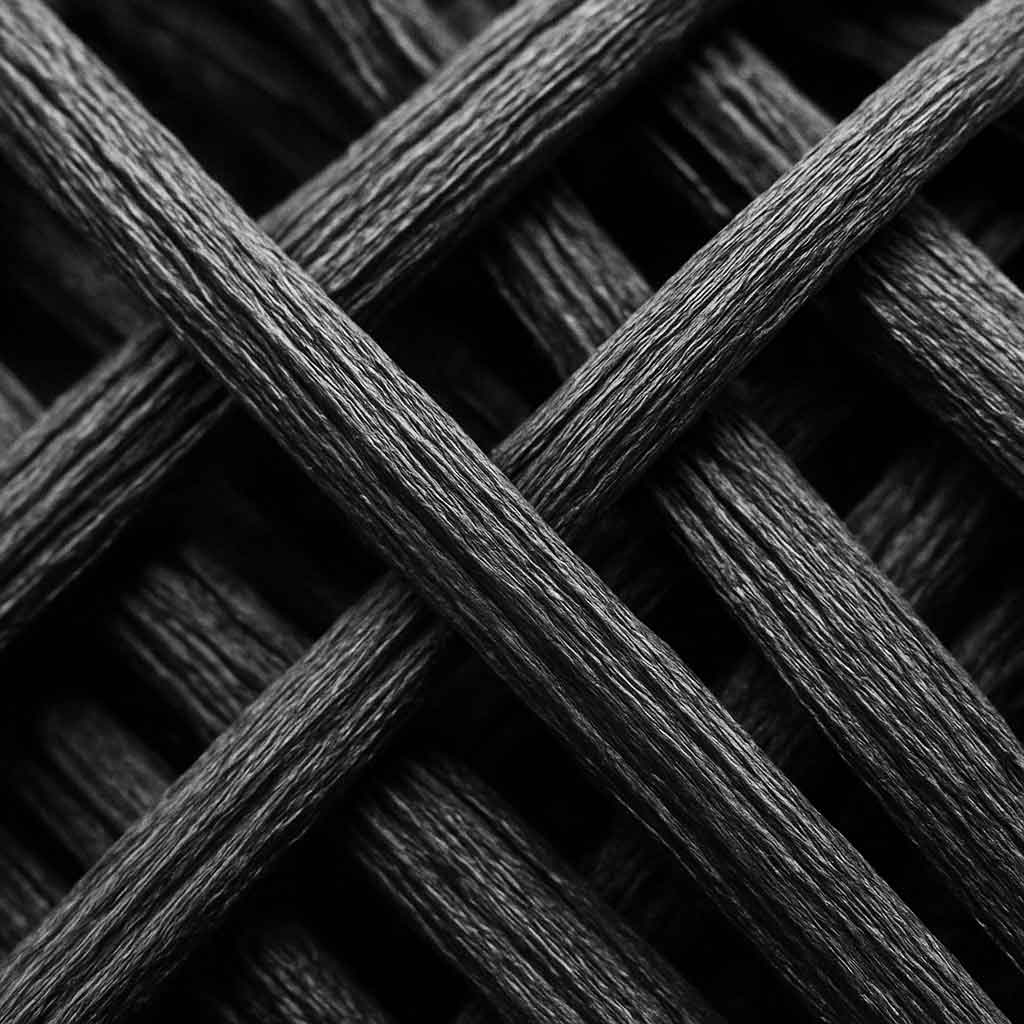
Graphite fiber is a carbon-based fiber with a more ordered graphite-like crystalline structure. It is usually produced through high-temperature treatment, which can increase stiffness and thermal conductivity. This makes graphite fiber useful in applications where dimensional stability, heat resistance, or conductivity is especially important.
However, bicycle frames are not judged by stiffness alone. A good bike frame must also manage impact resistance, fatigue performance, ride comfort, weight, production consistency, and cost. That is why modern bicycle frames are usually engineered as carbon fiber reinforced composites rather than being marketed simply as graphite fiber products.
Graphite Fiber vs Carbon Fiber
Carbon fiber is a broader term used for fibers made mostly of carbon atoms. Graphite fiber can be considered a more specialized form with a more ordered structure. In real product design, the difference is less about the label and more about the specific fiber grade, resin system, layup design, curing process, and testing standard.
| Material Term | Main Meaning | Typical Strength | Use in Bike Frames |
|---|---|---|---|
| Carbon Fiber | General carbon-based reinforcement fiber used in composite structures | High strength-to-weight ratio, tunable stiffness, good fatigue performance when properly designed | Main material used in modern road, gravel, MTB, and e-bike frames |
| Graphite Fiber | A more graphitized carbon fiber with a more ordered crystalline structure | Very high stiffness and thermal conductivity in specific applications | Less commonly used as a consumer-facing bike frame term; relevant mainly in advanced composite discussion |
Why Carbon Fiber Is the Main Choice for Bike Frames
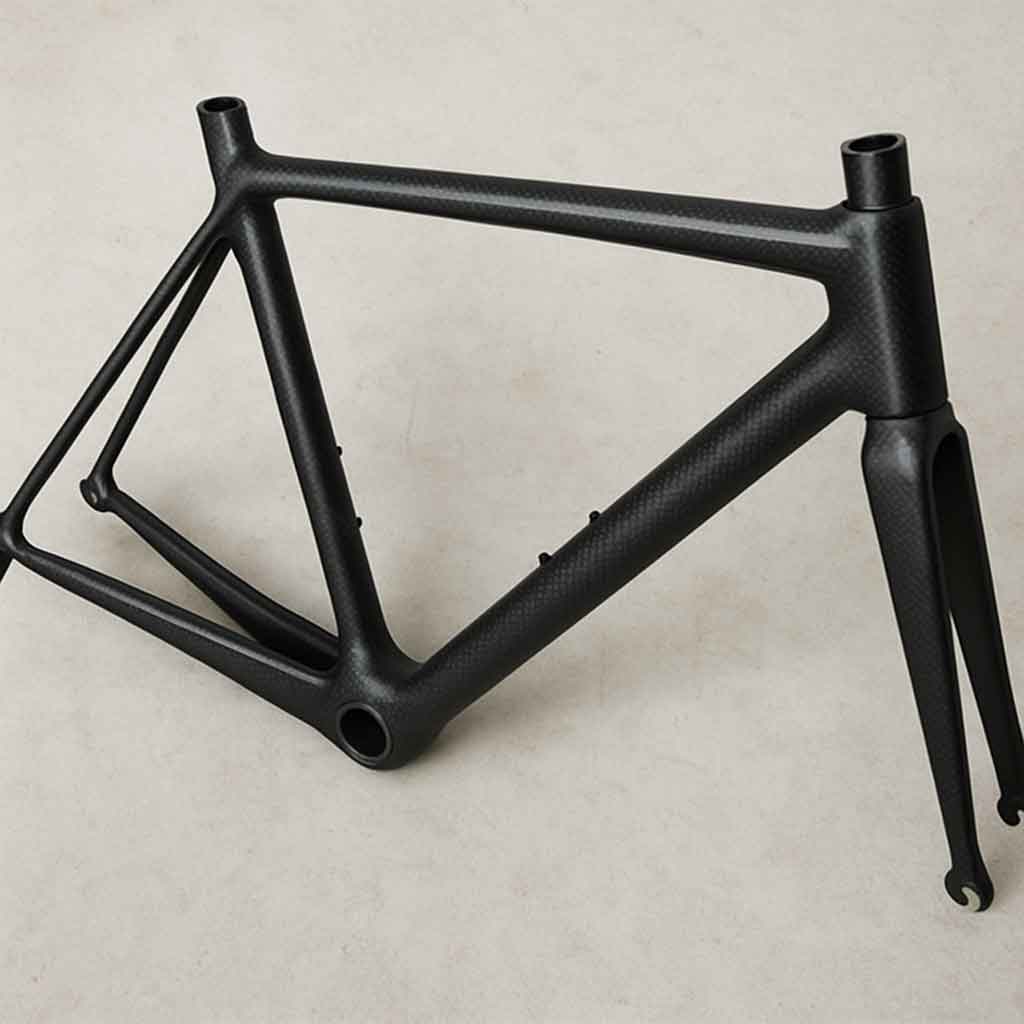
For bicycle frames, carbon fiber offers the best practical balance of low weight, stiffness control, vibration damping, shape freedom, and manufacturability. Engineers can place carbon layers in different directions to reinforce high-stress areas such as the bottom bracket, head tube, chainstays, and suspension or motor mounting zones.
This layup control is especially important for performance frames. A carbon road bike frame may focus on weight, stiffness, and aerodynamics. A carbon gravel bike frame needs tire clearance, comfort, mounting points, and stability. A carbon MTB frame requires impact resistance and suspension compatibility. A carbon e-bike frame must also handle motor and battery loads.
Where Graphite Fiber Has Advantages
Graphite fiber can offer advantages in applications that need high stiffness, high temperature resistance, or thermal conductivity. These properties are useful in aerospace, electronics, industrial equipment, and some high-end sporting goods. But for bicycle frames, extremely high stiffness is not always the goal.
A frame that is too stiff can feel harsh, especially on gravel roads, long endurance rides, or rough MTB terrain. The ideal bicycle frame is not simply the stiffest structure possible. It should deliver power transfer, handling precision, comfort, and durability in the right balance.
Why Layup Design Matters More Than the Material Name
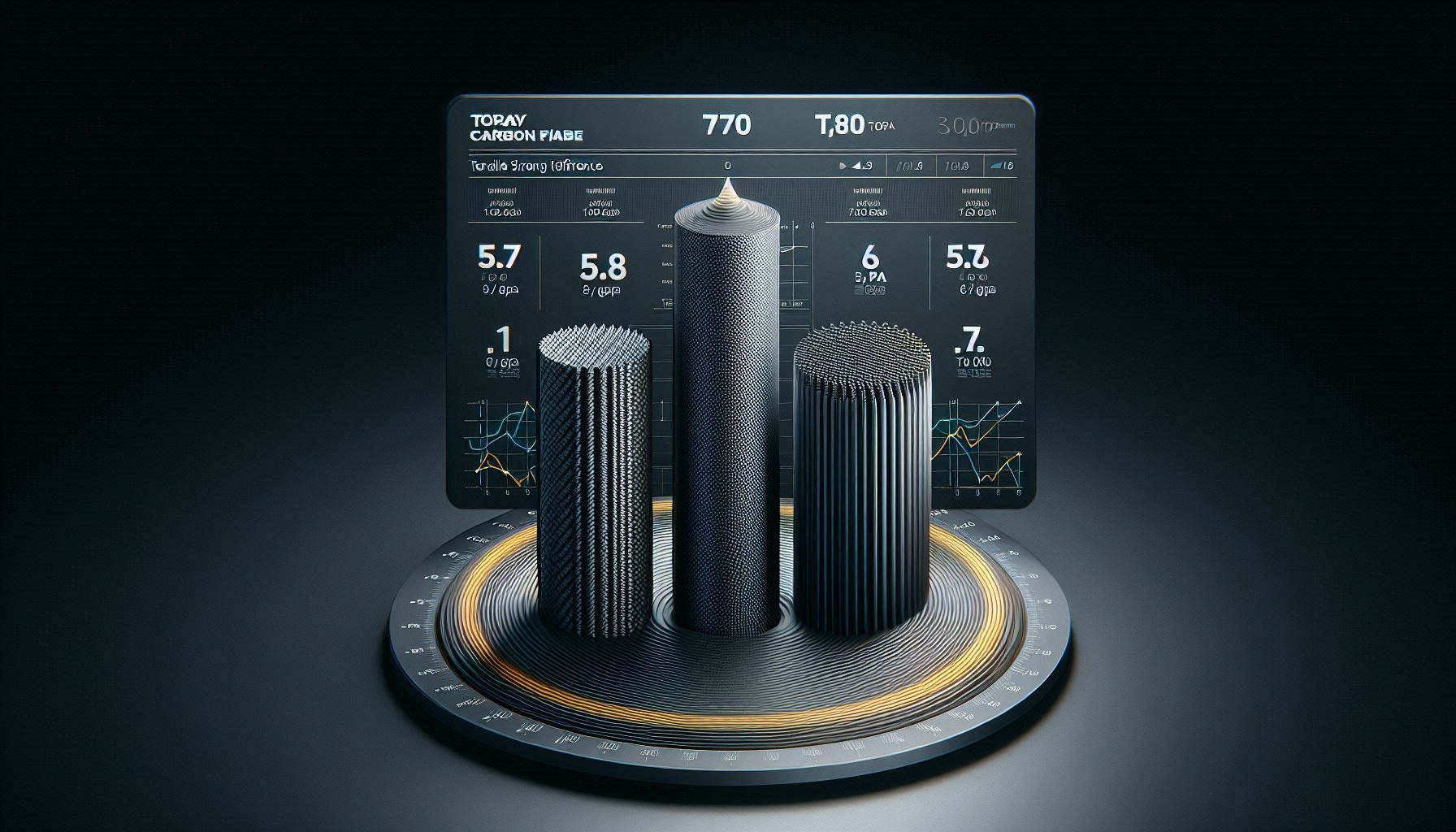
Many frame buyers focus on material names such as T700, T800, T1000, or T1100. These grades matter, but they do not tell the full story. A well-designed layup with suitable fiber grades can outperform a poorly designed frame that only advertises a high-grade material.
For a deeper look at common carbon grades used in bicycle frames, read our T800 vs T1000 carbon fiber bike frame guide and the Toray carbon gravel frame material guide.
Manufacturing Process and Quality Control
Carbon bike frame manufacturing depends on several controlled steps: cutting prepreg sheets, arranging the layup schedule, placing materials into the mold, curing under heat and pressure, finishing, alignment checks, and final testing. Small differences in process control can affect weight, strength, surface quality, and long-term durability.
At Mondince, frame development focuses on material selection, layup structure, mold accuracy, EPS or internal molding control, and quality inspection. For OEM projects, this process can also include custom geometry, custom paint, model positioning, and brand-specific specifications. Learn more about Mondince OEM carbon bike frame manufacturing.
Applications Beyond Bicycle Frames

Graphite fiber and advanced carbon composites are widely used beyond cycling. Aerospace parts, automotive components, electronics, energy systems, sports equipment, and industrial structures can all benefit from lightweight, stiff, and thermally stable composite materials.
In cycling, the same composite engineering principles are applied in frames, forks, seatposts, handlebars, rims, and other lightweight parts. The material label is only one part of the story. The final performance depends on design, testing, and manufacturing consistency.
How to Choose a Carbon Bike Frame
When choosing a carbon bike frame, do not rely only on material terms. Instead, compare the complete frame system:
- Frame purpose: road racing, gravel, MTB, e-bike, endurance, or OEM project.
- Carbon grade: suitable T700, T800, T1000, or mixed-grade layup.
- Layup design: stiffness and comfort tuned for the intended riding style.
- Geometry: handling, stability, reach, stack, and tire clearance.
- Testing: fatigue, impact, strength, and quality inspection standards.
- Serviceability: bottom bracket type, cable routing, hanger system, and replacement parts.
You can review Mondince testing and compliance information on the certification page.
Conclusion
Graphite fiber and carbon fiber are both part of the broader world of advanced carbon-based materials. Graphite fiber can be valuable in applications that need high stiffness or thermal conductivity, but modern bicycle frames are usually best understood as carbon fiber reinforced composite structures.
For riders, bike shops, and OEM customers, the most important question is not whether a frame uses the word graphite or carbon. The real question is whether the frame has the right material grade, layup design, geometry, testing, and manufacturing control for its intended use.
If you are choosing a high-performance carbon frame, explore Mondince carbon bike frames, compare our carbon gravel frames, or contact Mondince for OEM frame recommendations.