
Carbon fiber bicycles often look expensive at first glance, especially when compared with aluminum or steel bikes. But the price is not only about the word "carbon." A carbon bike's cost comes from the material itself, the mold investment, the manual layup process, safety testing, component selection and the way the brand sells the product.
This guide explains the main factors behind carbon fiber bicycle price, so you can judge whether a carbon bike is worth the money and where the real value comes from. If you want to understand the material itself first, read our carbon fiber bike frame guide.
What Makes Carbon Fiber Bicycles More Expensive?
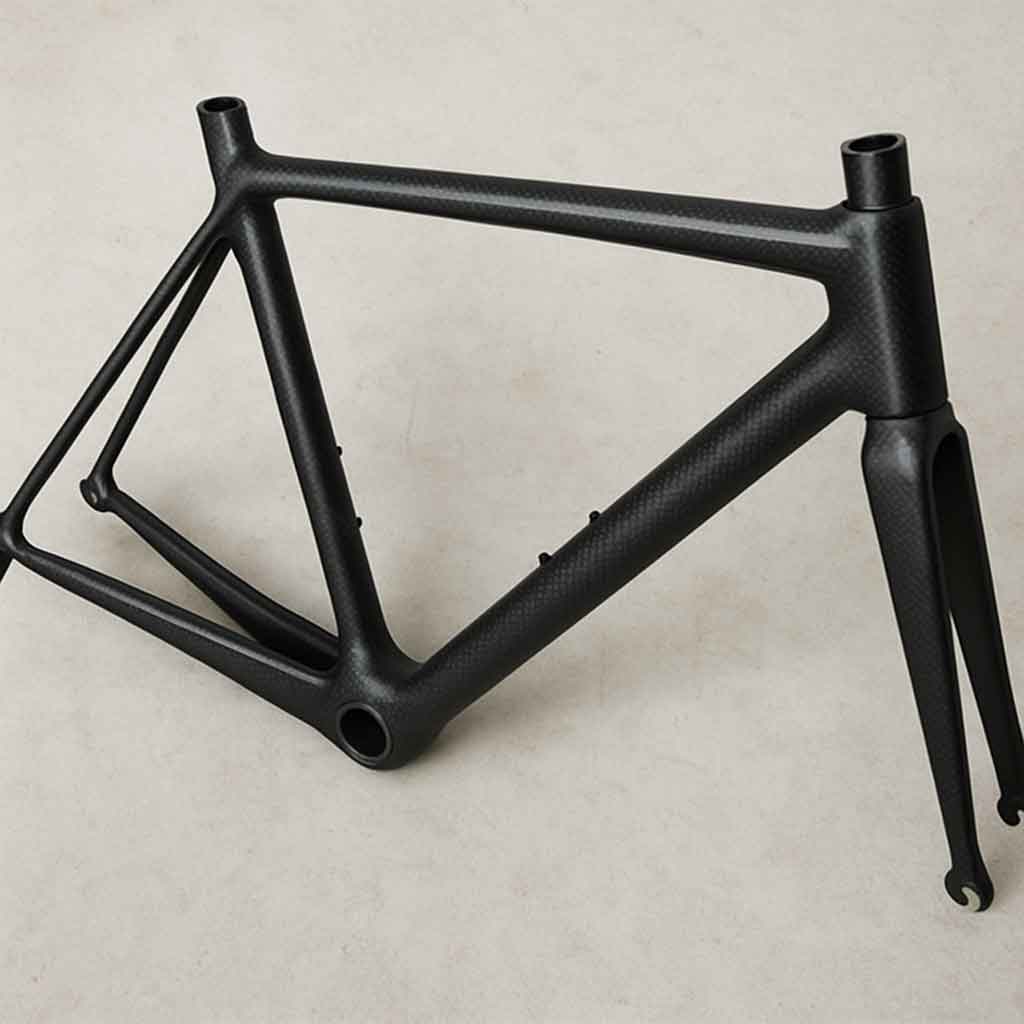
A carbon fiber bike frame is not built like a welded metal frame. It starts with sheets of carbon fabric and resin, which are cut, layered and molded into the final frame shape. The process gives engineers more control over stiffness, comfort, weight and aerodynamic shape, but it also requires more skilled labor and more expensive tooling.
The final price is usually affected by five major factors:
- Carbon material grade: Higher-grade carbon fiber can reduce weight and improve stiffness, but it costs more.
- Layup design: The direction, quantity and position of carbon layers affect ride feel and strength.
- Frame mold: Each frame size usually needs its own precision mold, which increases development cost.
- Manufacturing labor: Carbon layup is still a hands-on process that requires skilled workers.
- Components and finishing: Wheels, groupset, cockpit, paint and testing can change the final bike price dramatically.
.jpg)
Carbon Frame Manufacturing Is Labor Intensive
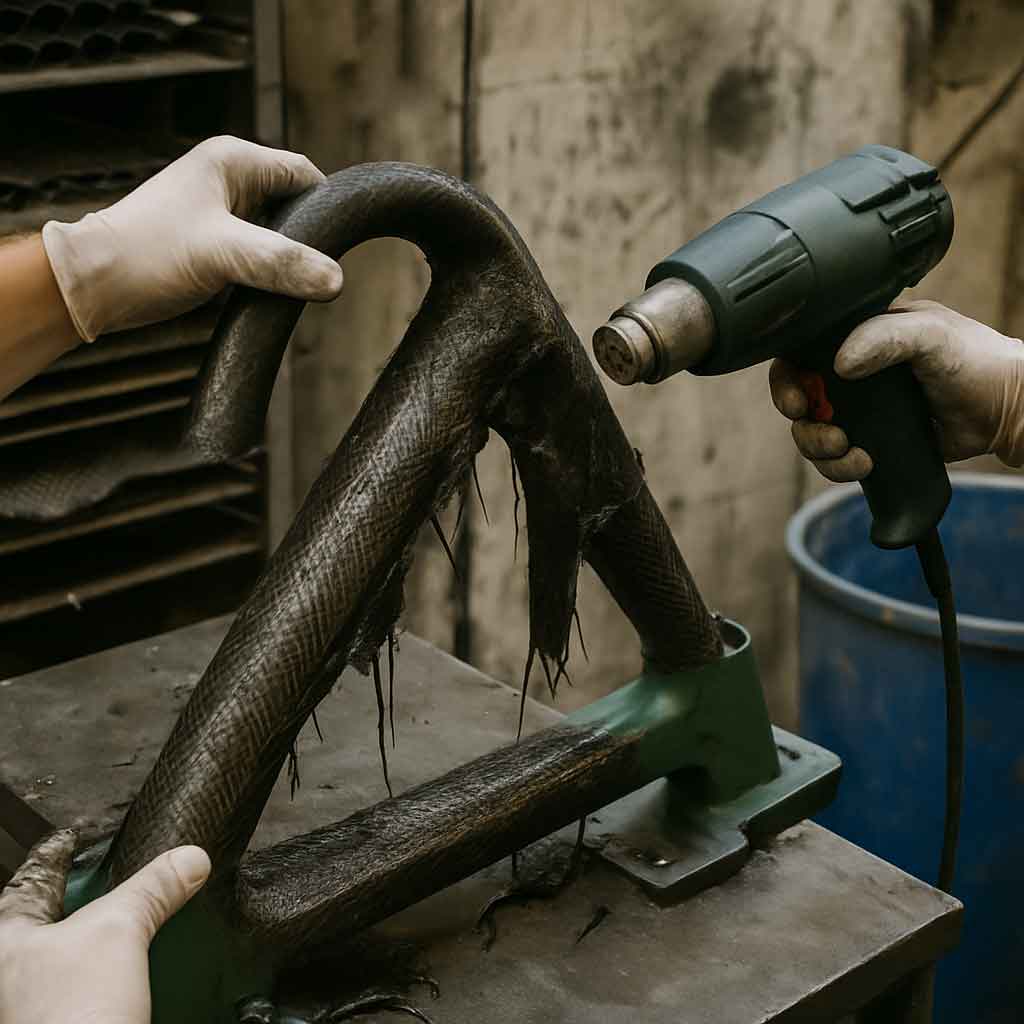
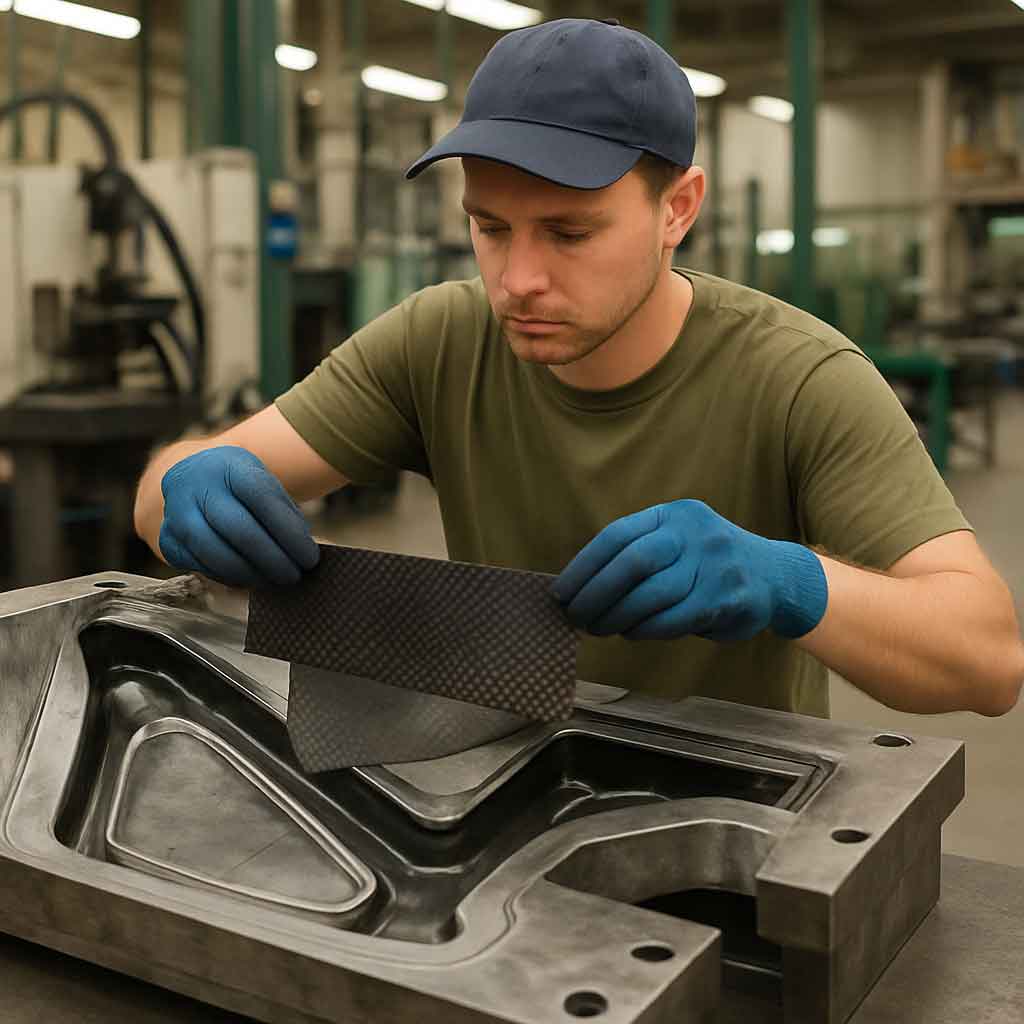
One of the biggest reasons carbon bikes cost more is that carbon frame production is not fully automatic. Skilled technicians place many pre-cut carbon sheets into the mold by hand. Each layer has a specific direction and purpose. Some areas need stiffness for power transfer, while others need controlled compliance for comfort.
This is why two carbon frames can feel very different even if they use similar raw materials. A well-designed carbon layup can make the frame responsive under pedaling, stable under braking and smoother over rough roads. A simple layup may still be light, but it may not deliver the same balance of stiffness, comfort and durability.
Why Materials and Molds Add to the Price
The mold is another major cost. A carbon bike frame requires a precise mold for the frame shape, and each size often needs its own tooling. Before mass production begins, the manufacturer also needs engineering design, sample testing and production validation.
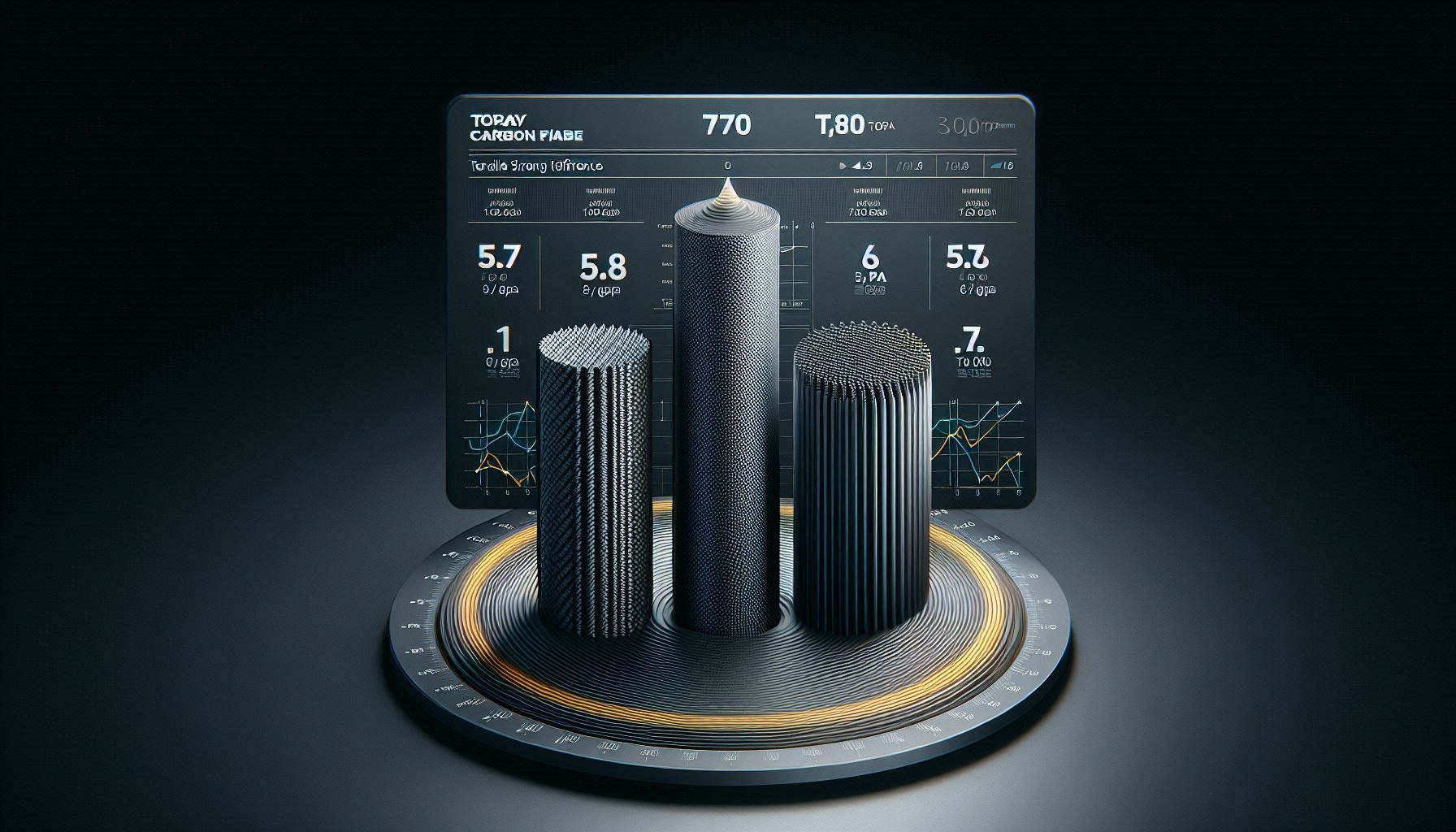
Carbon material cost also varies. T700, T800, T1000 and other carbon grades are not identical. Higher modulus materials can help reduce frame weight and tune stiffness, but they also need careful layup design. Premium carbon alone does not automatically make a better frame. The engineering and quality control process matter just as much.
| Cost Factor | Why It Matters | Buyer Impact |
|---|---|---|
| Carbon grade | Affects stiffness, weight and frame tuning potential. | Higher-grade carbon may improve performance, but design quality still matters. |
| Mold investment | Each model and size needs accurate tooling. | More sizes and new designs increase development cost. |
| Layup labor | Carbon sheets are placed by skilled workers. | Better workmanship improves consistency and safety. |
| Testing | Frames need strength, fatigue and impact checks. | Reliable testing reduces long-term risk. |
Why Two Carbon Bikes Can Have Very Different Prices
A $2,500 carbon bike and a $10,000 carbon bike may both use carbon fiber, but they are not the same product. The difference can come from frame weight, layup complexity, aerodynamic development, component level, wheelset, finishing quality and brand markup.
For many riders, the best value is not the most expensive bike. It is often a well-designed carbon frame with reliable mid-range components. A good frame can be upgraded over time, while an overly cheap frame with poor quality control may become expensive later if it has fit, safety or compatibility problems.
How Components Change Carbon Bike Price
The frame is only one part of the total bicycle cost. Groupsets, wheels, cockpit parts and finishing kits can quickly increase the final price. This is why two bikes with similar carbon frames may be priced very differently.
| Component Area | Lower-Cost Choice | Higher-Cost Choice |
|---|---|---|
| Groupset | Mechanical shifting, mid-range drivetrain. | Electronic shifting and premium braking systems. |
| Wheels | Aluminum wheels or basic carbon wheels. | Lightweight aerodynamic carbon wheelset. |
| Cockpit | Separate bar and stem. | Integrated carbon handlebar and internal routing. |
| Paint | Standard finish. | Custom paint, special effects or OEM branding. |
Is a Carbon Bike Worth the Money?
A carbon bike is worth it when the frame gives you benefits you will actually use. If you ride often, climb hills, race, bikepack or want a smoother ride over long distances, carbon can provide real value. The lower weight, tuned stiffness and vibration damping can make the bike feel faster and less tiring.
If you only ride occasionally, a carbon bike may not be the best first upgrade. In that case, fit, tires, wheels and contact points may make a bigger difference. But if you want a long-term bike platform, a well-made carbon frame is a strong starting point.
How to Choose a Better-Value Carbon Bike Frame
When comparing carbon bike prices, do not judge by weight alone. Look at the full frame system, including geometry, tire clearance, bottom bracket, cable routing, axle standard, hanger type, warranty and testing background.
- Choose geometry that matches your riding style.
- Check tire clearance before buying, especially for gravel and all-road riding.
- Confirm bottom bracket, headset, axle and groupset compatibility.
- Ask whether the frame has passed recognized safety testing.
- Compare factory-direct and brand-label pricing carefully.
For road frames, start with our carbon road bike frame collection. For mixed terrain and bikepacking, compare our carbon gravel bike frames. If you need MTB or electric frame options, see carbon MTB frames and carbon e-bike frames.

Mondince Carbon Frames and Factory-Direct Value
Mondince focuses on carbon bike frames for road, gravel, MTB and e-bike applications. Instead of positioning every frame as a luxury product, we focus on practical engineering, Toray carbon material, modern standards, OEM customization and quality control.
For riders and bike brands, this means the value is not only in a lower price. It is in choosing a frame platform that fits the riding purpose, supports the right components and can be customized for paint, geometry or OEM projects.
- FM126 carbon road bike frame for lightweight road builds.
- Mondince carbon gravel bike frames for racing, bikepacking and all-terrain use.
- Browse all Mondince carbon frames by category.
- Contact Mondince for OEM, custom paint or frame selection support.
Final Thoughts
Carbon fiber bicycle price is shaped by much more than material cost. A good carbon bike reflects mold investment, layup design, skilled labor, component choices, testing and brand model. The right question is not simply "Why is carbon expensive?" but "Does this frame give me the performance, fit, durability and upgrade path I need?"
If the answer is yes, a well-designed carbon frame can be a smart long-term investment. Start with the riding style, choose the right frame category, and compare value based on engineering and quality rather than price alone.