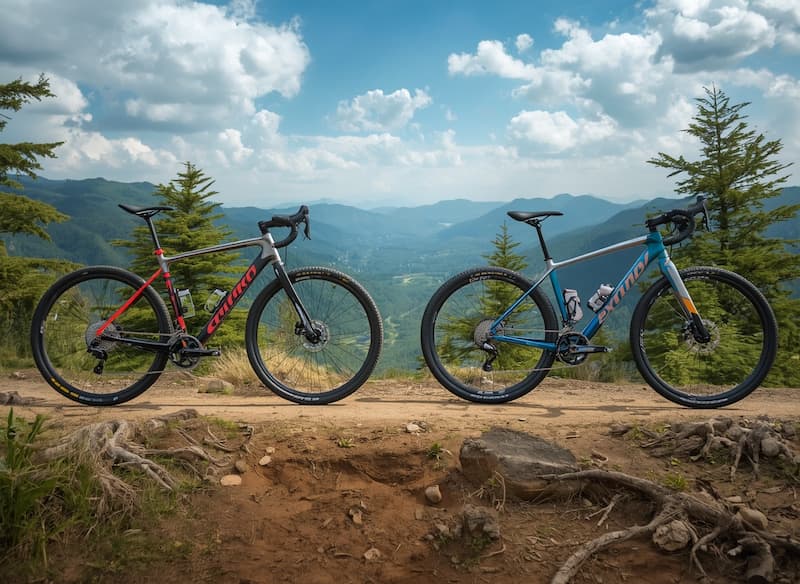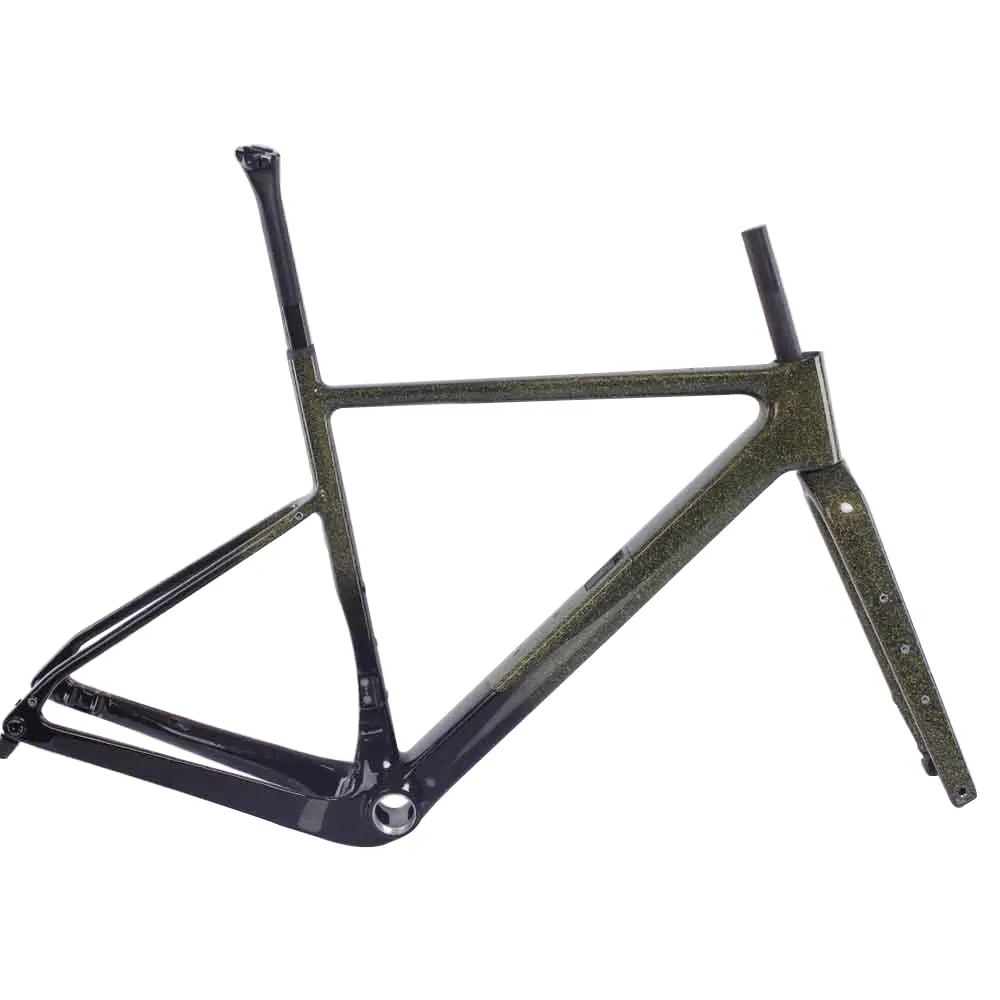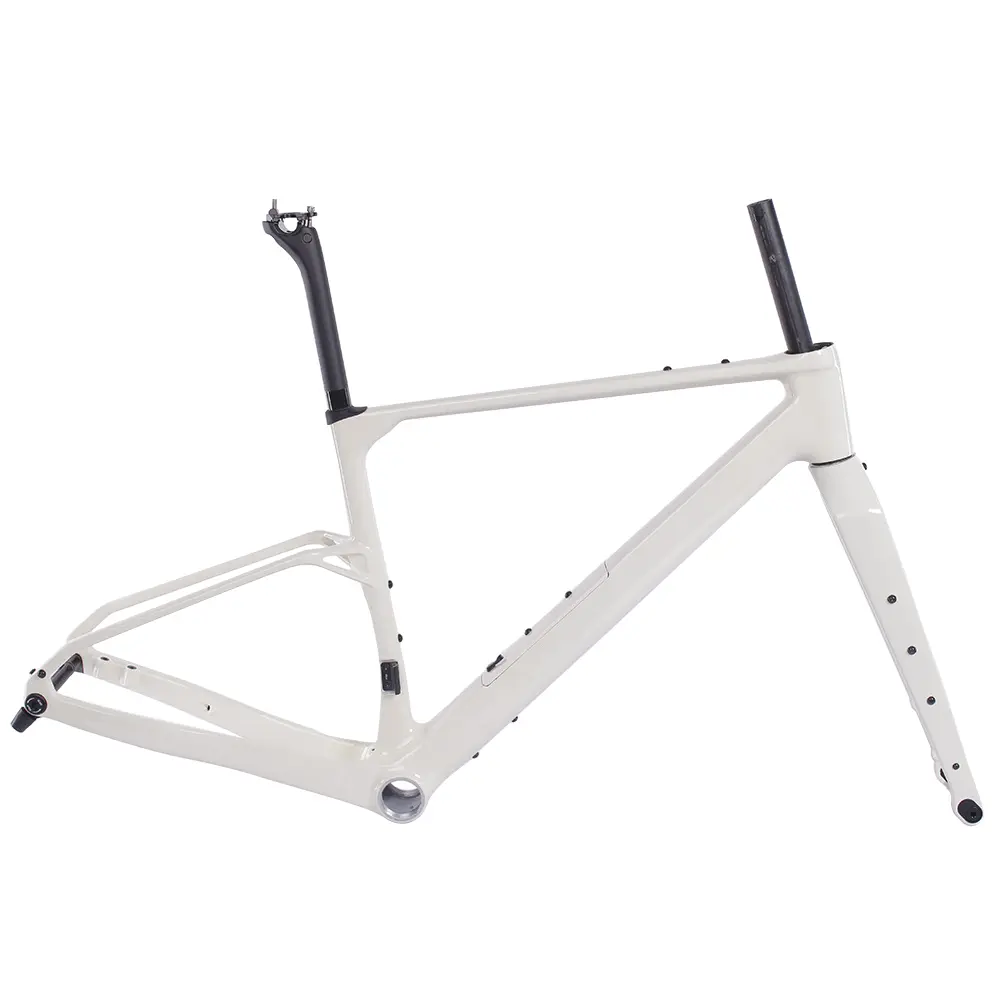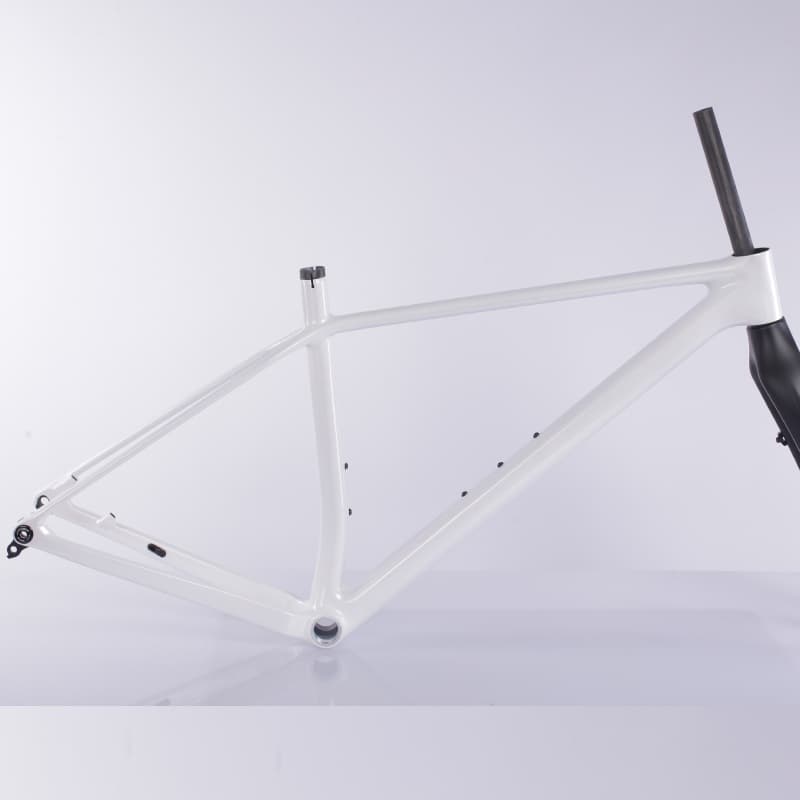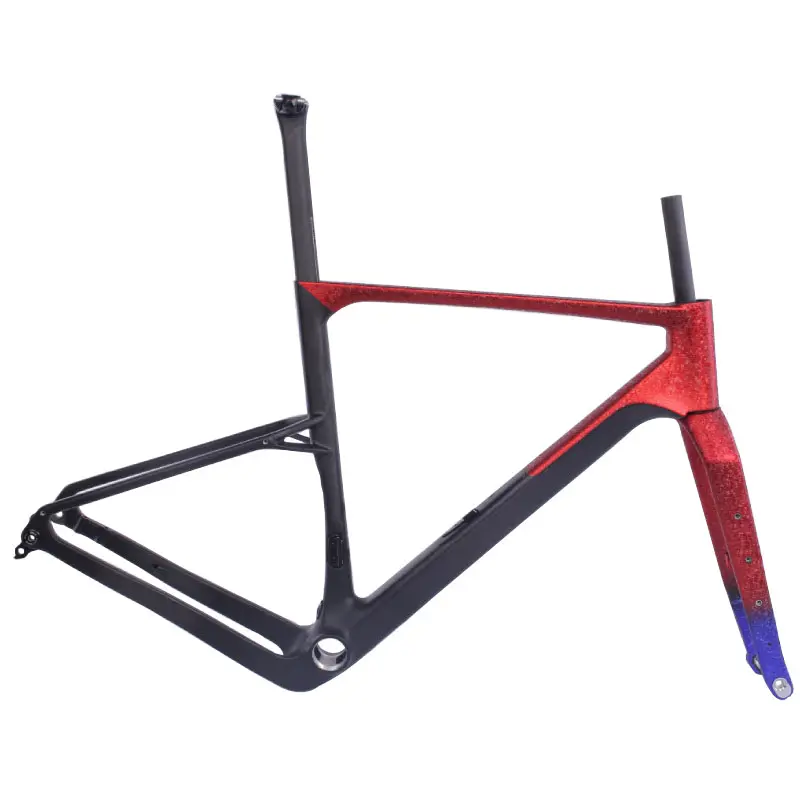

UDH stands for Universal Derailleur Hanger. It is a standardized rear derailleur hanger design created to make replacement easier, improve drivetrain compatibility, and reduce the number of proprietary hanger styles used across modern bike frames. For riders, shops, and OEM bike brands, UDH makes a carbon frame easier to service and more future-proof.
For Mondince, UDH is especially important on modern carbon gravel bike frames and carbon MTB frames, because these bikes are often used on rough terrain where the rear derailleur and hanger are more exposed to impacts.
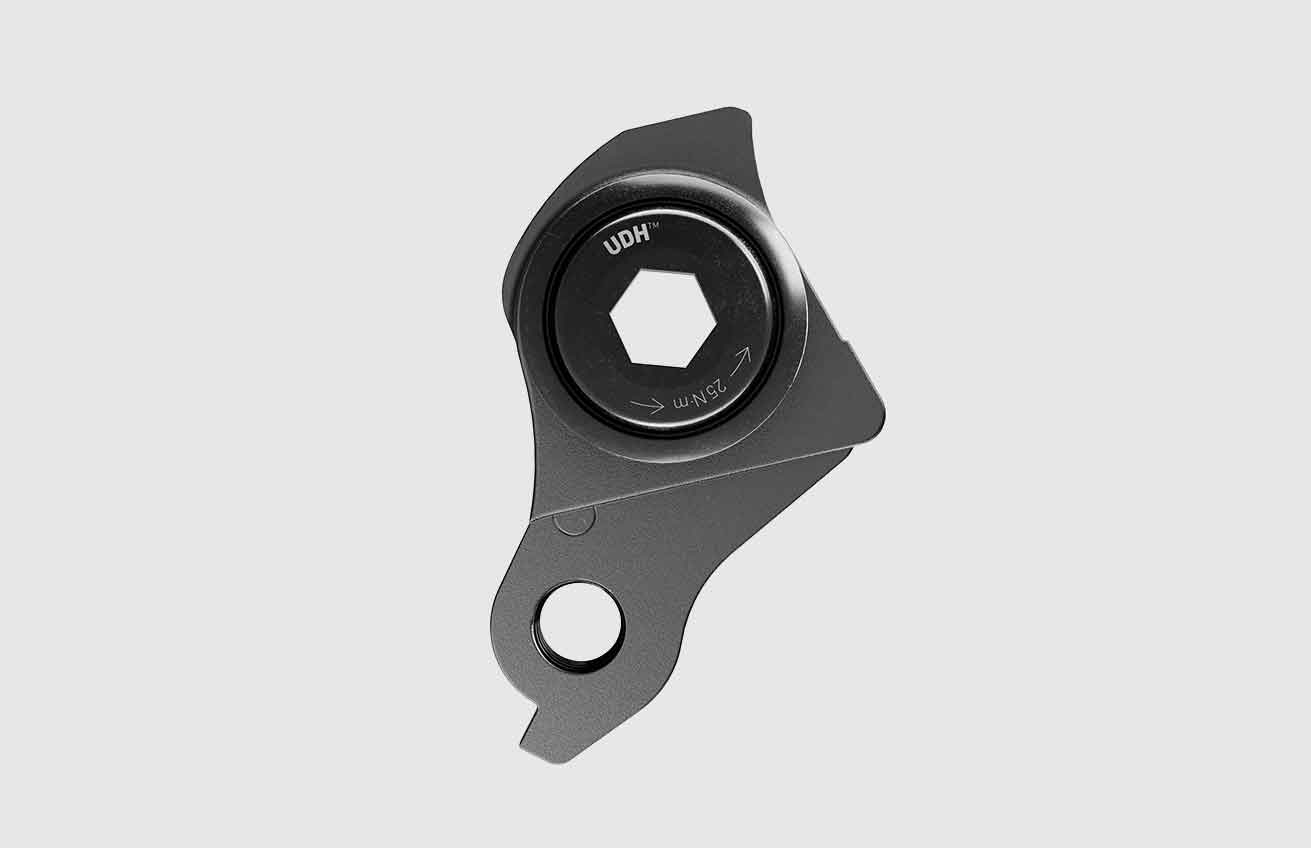
What Is a UDH Hanger?
A UDH hanger is the small replaceable part that connects the rear derailleur to the frame. On a traditional bike frame, every brand may use a different hanger shape. Even the same brand may use several different hanger designs across different models and years. This creates a common problem: when a hanger bends or breaks, finding the correct replacement can be difficult.
UDH solves this problem by using one standardized hanger design. If a rider damages the hanger on a UDH-compatible frame, the replacement is easier to find from bike shops, distributors, or online parts suppliers. This is useful for gravel riders, MTB riders, bike shops, and OEM brands that want simpler service and fewer spare parts to manage.
Why UDH Matters on Gravel and MTB Frames
The rear derailleur is one of the most exposed parts of a bike. On gravel roads, forest tracks, and mountain trails, impacts from rocks, crashes, transport, or bikepacking bags can bend the hanger. A bent hanger may cause poor shifting, chain noise, skipped gears, or even derailleur damage.
UDH helps in several ways:
- Easier replacement: One common hanger standard makes spare parts easier to source.
- Frame protection: The hanger is designed as a replaceable part, helping protect the carbon dropout area from damage.
- Better serviceability: Shops do not need to stock hundreds of different proprietary hangers.
- Modern drivetrain support: UDH-compatible frames can support SRAM Transmission T-Type drivetrains.
- Cleaner OEM planning: Bike brands and custom builders can simplify after-sales service and spare-part inventory.
UDH and SRAM Transmission Compatibility
One of the biggest reasons riders now look for UDH-compatible frames is SRAM Transmission compatibility. SRAM's T-Type Transmission systems mount around the rear axle interface and require a UDH-compatible frame. Without UDH, riders cannot use these direct-mount drivetrains.
This does not mean every rider needs SRAM Transmission immediately. However, choosing a UDH-compatible carbon frame gives more upgrade flexibility in the future. For riders planning a long-term gravel, MTB, or bikepacking build, this is an important detail to check before buying a frame.
Is UDH Only for Mountain Bikes?
UDH started mainly in mountain bike applications, but it is now common on many modern gravel frames and all-road frames. Gravel bikes are often used on rough roads, loose surfaces, and long mixed-terrain rides, so hanger protection and easy replacement are practical advantages.
For example, Mondince gravel models such as the FM296 UDH carbon gravel frame, FM326 carbon gravel frame, and FM376 all-terrain carbon gravel frame use modern frame standards that are better suited for current drivetrain and wheel setups.
What to Check Before Buying a UDH-Compatible Frame
When choosing a UDH-compatible carbon frame, do not only check whether the frame says "UDH" in the title. It is better to confirm the full frame standard and drivetrain setup.
- Rear axle standard: Check the thru-axle size and rear spacing.
- Derailleur compatibility: Confirm whether your current rear derailleur works with a standard UDH hanger.
- SRAM Transmission plans: If you want to use SRAM T-Type in the future, choose a UDH-compatible frame.
- Replacement hanger availability: Ask whether the frame ships with a hanger and whether spare hangers are available.
- Frame category: Match the frame to your riding style, such as gravel racing, bikepacking, MTB, or e-bike use.
Mondince Frames and UDH
Mondince uses UDH-compatible designs on selected modern gravel and mountain bike frames to improve serviceability and drivetrain compatibility. This helps riders, dealers, and OEM customers reduce replacement-part confusion and build bikes around more current component standards.
If you are building a gravel bike, start with the full Mondince carbon gravel bike frame collection. If you are building a mountain bike, compare available carbon MTB frames. For drivetrain setup and gravel component choices, you may also read our Shimano GRX gravel groupset guide.
Final Thoughts
UDH is a small frame detail, but it has a big impact on serviceability, drivetrain compatibility, and long-term frame ownership. For riders, it makes hanger replacement easier. For shops and OEM brands, it reduces spare-part complexity. For modern gravel and MTB builds, it also keeps the frame ready for newer drivetrain systems.
Need help choosing a UDH-compatible carbon frame? Browse Mondince carbon gravel bike frames, compare carbon MTB frames, or contact Mondince for OEM, custom geometry, and drivetrain compatibility advice.