
What You're Paying For
Rather than relying on studio renders or promotional images, this video showcases an actual FM336 carbon gravel bike frame before packaging and shipment. Explore the frame from multiple angles and examine its finish quality, construction and key design details—helping bicycle brands, bike shops and OEM buyers better understand the craftsmanship and value behind the product.
FM336 carbon gravel bike frame before packaging, featuring front, side and close-up views of the frame finish, construction and key design details.
Carbon gravel bike frame prices typically range from under $500 to more than $3,000, depending on the carbon fiber grade, manufacturing process, frame design, and level of customization. Understanding these factors can help riders and bicycle brands choose the right frame without overpaying for unnecessary features.
As a carbon bicycle frame manufacturer since 2007, Mondince has worked with bicycle brands, bike shops, and OEM partners worldwide to develop high-performance carbon frames. Based on our manufacturing experience, this guide explains what really determines the price of a carbon gravel bike frame, how different price ranges compare, and what to consider before making a purchase.
Finding the best bike frame deals requires research. Online retailers and local shops often have discounts. Seasonal sales can also offer great opportunities for savings.
Choosing the right frame involves more than just price. Consider the frame's features, materials, and intended use. This ensures a satisfying cycling experience.
This guide will explore everything you need to know. From price factors to buying tips, we cover it all. Get ready to make an informed decision on your next carbon gravel bike frame purchase.
Carbon Gravel Bike Frame Price Range: What to Expect
Carbon gravel bike frames vary in price, reflecting diverse features and quality levels. Prices usually range from $500 to over $3000. Understanding this range helps in setting a realistic budget for your purchase.
Entry-level carbon frames often start around $500 to $1000. These frames provide essential features, making them suitable for new cyclists on a budget. Despite being less costly, they still offer the primary benefits of carbon materials.
Mid-range options, priced between $1000 and $2000, typically incorporate better technology and a more refined design. These frames may include advanced carbon construction techniques, enhancing durability and performance.
High-end carbon frames can exceed $3000. These premium options boast cutting-edge features, such as enhanced aerodynamics and advanced vibration dampening systems. They are designed for the most discerning cyclists seeking top performance.
Several factors influence the frame's price:
-
Brand reputation and prestige
-
Technological advancements in frame design
-
Additional features and customization options
-
Material grade and quality
When considering a purchase, think about what aligns best with your cycling needs and budget. Explore different brands and models, as well as reviews to identify the best options. This ensures getting the most value and performance out of your investment.
Recommended Carbon Gravel Bike Frames
If you're comparing carbon gravel bike frame prices, it's also important to compare frame specifications. Different riding styles require different frame designs. Below are several popular carbon gravel bike frames manufactured by Mondince for riders, bike shops and bicycle brands.
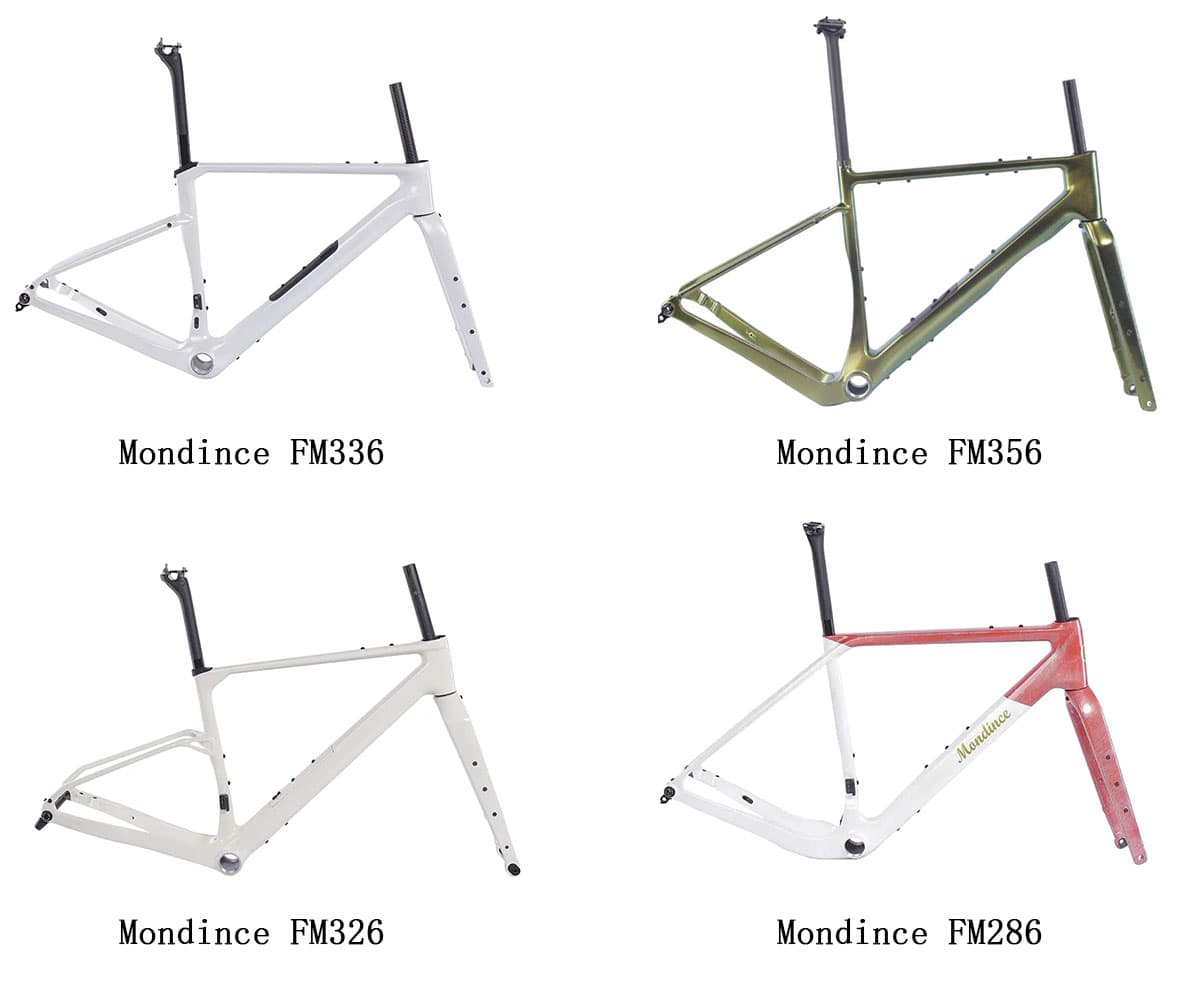
Looking for wholesale pricing or custom OEM development? Mondince manufactures EN-certified carbon gravel bike frames for bicycle brands, bike shops and OEM partners worldwide.
All Mondince gravel frames are manufactured with Toray carbon fiber and support OEM customization, allowing bicycle brands to select the ideal platform for different markets and riding styles.
Explore All Carbon Gravel Bike Frames →
Key Factors Affecting Carbon Gravel Bike Frame Price
The price of a carbon gravel bike frame is determined by much more than the brand name. From a manufacturer's perspective, production cost depends on material selection, frame engineering, manufacturing processes and customization requirements. Understanding these factors helps riders and bicycle brands make informed purchasing decisions.
1. Carbon Fiber Grade
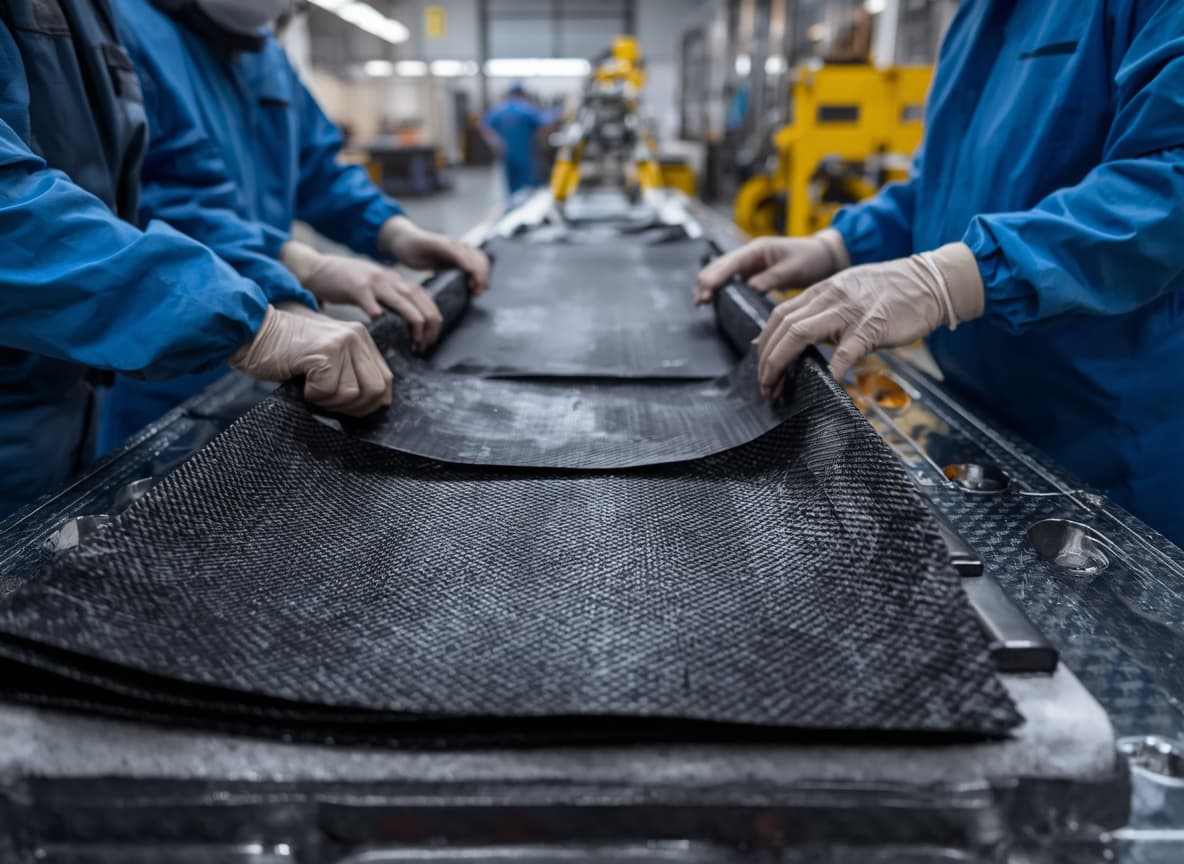
The type of carbon fiber has a direct impact on both performance and cost. Entry-level frames often use Toray T700 carbon fiber, while premium gravel frames combine Toray T800 and T1000 carbon fiber to achieve a better balance of weight, stiffness and durability.
Higher-grade carbon materials are more expensive, but they also allow manufacturers to optimize frame strength without adding unnecessary weight.
2. Frame Engineering & Carbon Layup
Two frames made from the same carbon fiber can have very different prices. One of the biggest reasons is the carbon layup schedule. Proper fiber orientation, reinforcement placement and frame engineering require significant development and testing before production begins.
Well-designed carbon layups improve pedaling efficiency, riding comfort and long-term durability while reducing unnecessary material usage.
3. Manufacturing Process
Manufacturing technology also affects pricing. Precision molding, internal compaction, quality control and production consistency all require additional investment. Higher manufacturing standards typically result in better frame alignment, smoother internal surfaces and improved long-term reliability.
4. Customization Requirements
For bicycle brands and bike shops, OEM customization is another important pricing factor. Custom geometry, private molds, paint schemes, logo graphics and component compatibility all increase development costs but create products that better match a specific market.
5. Production Volume
Order quantity has a significant influence on unit price. Larger production runs generally reduce manufacturing costs by spreading tooling and setup expenses across more frames, making OEM projects more cost-effective for growing bicycle brands.
Comparing Carbon to Other Bike Frame Materials
Choosing the right frame material depends on your riding style, budget and performance expectations. While aluminum, steel and titanium all have their advantages, carbon fiber has become the preferred choice for modern gravel bikes because it offers the best balance of weight, stiffness and riding comfort.
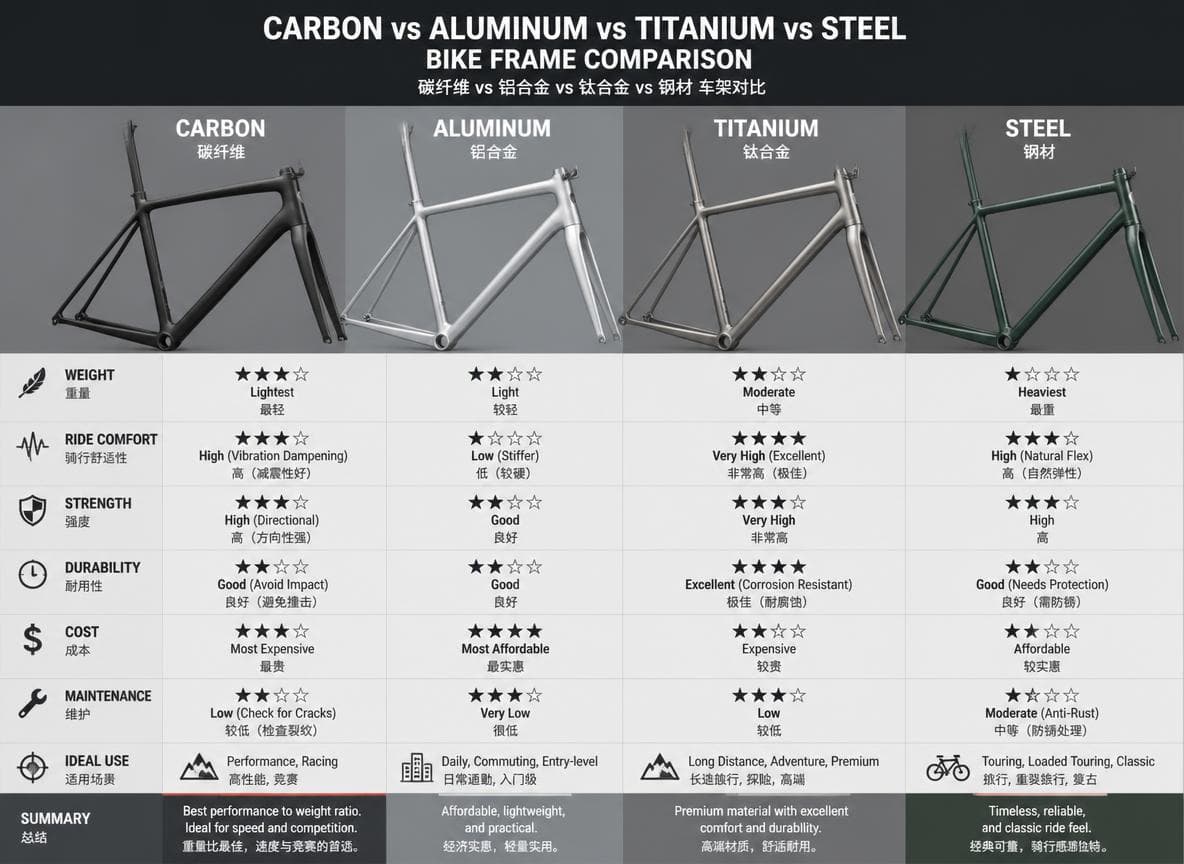
Carbon fiber continues to dominate the premium gravel bike market because it allows engineers to optimize stiffness, compliance and weight through advanced carbon layup design. Unlike metal frames, carbon fiber can be reinforced only where additional strength is needed, resulting in a lighter and more efficient frame.
Compare All Carbon Gravel Bike Frames →
From our OEM manufacturing experience, most bicycle brands today choose Toray T800 carbon fiber for gravel bikes because it provides an excellent balance between performance, durability and production cost. Higher-grade materials such as T1000 are typically used only in specific areas of the frame where additional stiffness or weight reduction is required.
How to Get the Best Value for Your Carbon Gravel Bike Frame Budget
A higher price doesn't always mean a better carbon gravel bike frame. Instead of focusing only on cost, consider the overall value the frame delivers in terms of performance, durability and long-term reliability.
Compare Specifications Instead of Price Alone
When comparing different carbon gravel bike frames, look beyond the price tag. Features such as carbon fiber grade, bottom bracket standard, tire clearance, internal cable routing and frame compatibility often have a much greater impact on riding experience than a small difference in price.
Think About Long-Term Ownership Costs
A well-designed carbon frame with high manufacturing quality typically requires less maintenance and provides more consistent performance over time. Choosing a reliable frame from an experienced manufacturer can reduce future replacement and warranty costs.
OEM Buyers Should Consider Total Project Cost
For bicycle brands and bike shops, the lowest unit price is not always the best solution. Engineering support, production consistency, quality control, custom paint options and after-sales service all contribute to the long-term success of an OEM project.
Tips for Buying a Carbon Gravel Bike Frame
Choosing the right carbon gravel bike frame is about much more than finding the lowest price. The best frame should match your riding style, performance goals and long-term requirements. Whether you're an individual rider, a bike shop or a bicycle brand, asking the right questions before purchasing can save both time and cost.
1. Choose a Frame That Matches Your Riding Style
Not all gravel bikes are designed for the same purpose. Lightweight race-oriented frames focus on speed and efficiency, while adventure and bikepacking frames prioritize stability, comfort and larger tire clearance. Before comparing prices, determine how and where the bike will be used.
2. Pay Attention to Frame Standards
Modern gravel frames should support current industry standards such as T47 bottom brackets, UDH compatibility, flat-mount disc brakes and generous tire clearance. These features improve compatibility with modern components and extend the frame's service life.
3. Evaluate Manufacturing Quality, Not Just Weight
Many buyers focus only on frame weight. However, manufacturing consistency, carbon layup design and quality inspection have a much greater impact on ride quality, durability and long-term reliability. A slightly heavier frame with better engineering often performs better over thousands of kilometers.
4. Consider Future Customization
If you're purchasing frames for a bicycle brand or bike shop, look beyond the standard specifications. OEM services such as custom geometry, paint design, logo graphics and private mold development can help differentiate your products and better serve your target market.
5. Work with an Experienced Carbon Frame Manufacturer
An experienced manufacturer can provide engineering support, quality assurance and reliable production throughout the development process. Choosing the right manufacturing partner often reduces long-term costs while ensuring consistent product quality.
Based on our OEM manufacturing experience, we recommend evaluating a carbon gravel bike frame based on its overall engineering rather than simply choosing the lightest or least expensive option. Carbon material, frame design, production quality and after-sales support together determine the true value of a high-performance gravel frame.
Explore Mondince Carbon Gravel Bike Frames
Mondince manufactures high-performance carbon gravel bike frames for riders, bike shops and bicycle brands worldwide. Our frames feature Toray carbon fiber construction, modern gravel geometry, OEM customization and EN-certified manufacturing.
Why Choose Mondince?
- ✓ Carbon bicycle frame manufacturer since 2007
- ✓ 18+ years of carbon frame manufacturing experience
- ✓ EN ISO 4210 certified production
- ✓ Toray T700 / T800 / T1000 carbon fiber
- ✓ OEM & ODM services for bike brands and bike shops
- ✓ Custom geometry, paint and logo development
- ✓ Global support for distributors and OEM partners
- ✓ Trusted by bicycle brands worldwide
About Mondince Cycle
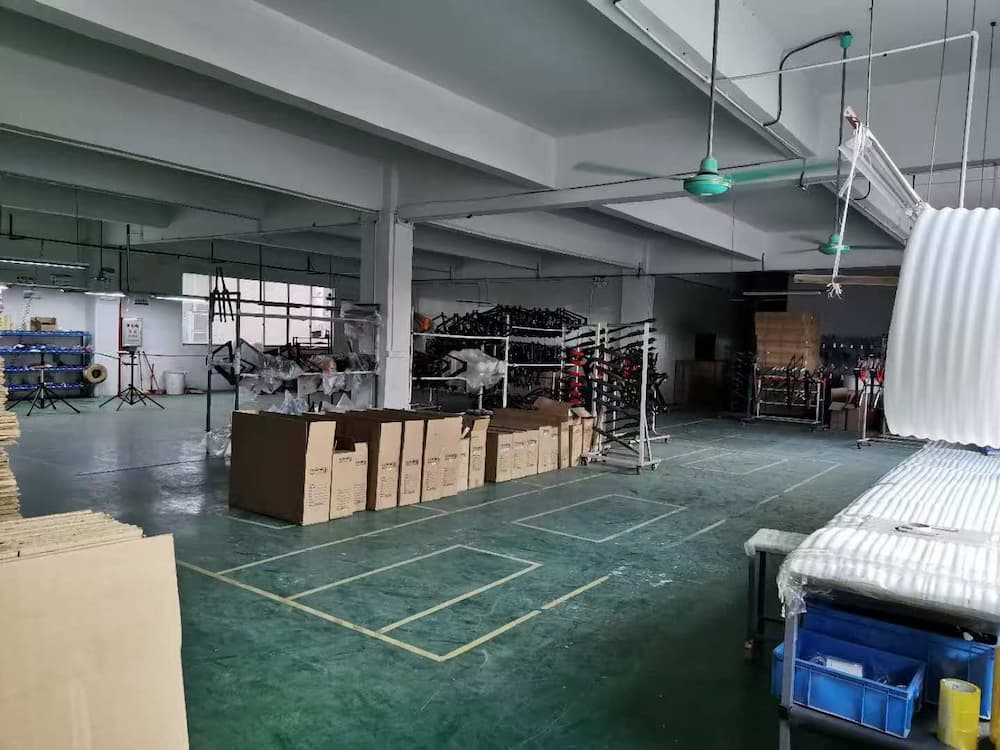
Mondince Cycle has specialized in manufacturing carbon bicycle frames since 2007, serving bicycle brands, bike shops and OEM partners worldwide.
- Carbon gravel bike frames
- Carbon road bike frames
- Carbon MTB frames
- OEM & ODM manufacturing
- Carbon layup engineering
- Custom geometry
- EN ISO 4210 certified production
- Global shipping and technical support
Learn more about our manufacturing capabilities
Frequently Asked Questions About Carbon Gravel Bike Frames
Still have questions about carbon gravel bike frame pricing, OEM customization or technical specifications? Here are answers to some of the most common questions from riders, bike shops and bicycle brands.
Can carbon gravel bike frames be customized?
What is the MOQ for OEM carbon gravel frames?
How long does OEM production take?
Is Toray T800 better than T700?
How much does custom paint cost?
How do I choose the right tire clearance?
Are carbon gravel frames suitable for bikepacking?
What certifications should a carbon frame manufacturer have?
Conclusion
Understanding carbon gravel bike frame pricing is about more than comparing numbers. Carbon material, frame engineering, manufacturing quality and customization all influence the final cost and long-term performance.
Whether you're sourcing OEM carbon gravel bike frames for your bicycle brand, looking for wholesale supply, or searching for a lightweight gravel frame for your next project, understanding manufacturing quality is just as important as comparing prices.
Explore our latest carbon gravel bike frame collection or contact our engineering team to discuss your OEM requirements.
Ready to source high-performance carbon gravel bike frames?
✔ OEM Manufacturing
✔ Custom Geometry
✔ Private Label
✔ Global Shipping