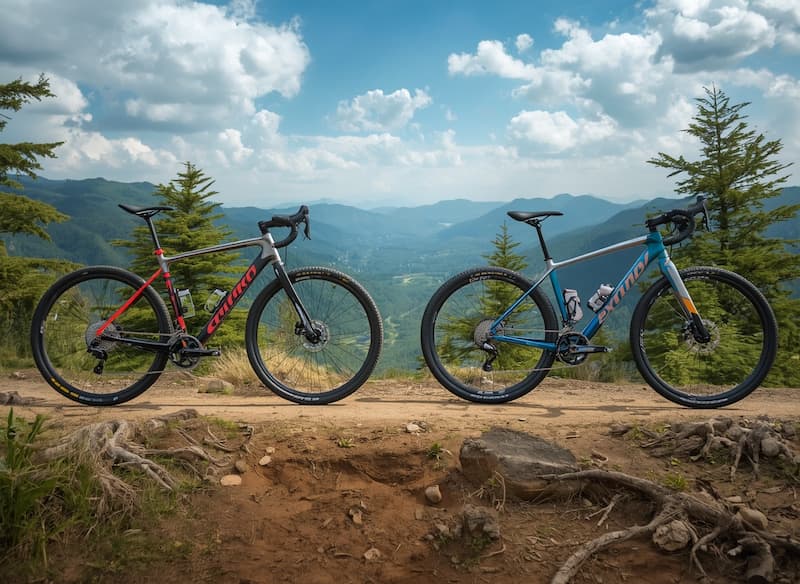

Your carbon gravel setup is built for long miles, rough roads, washboard descents, bikepacking bags, and changing weather. But even the best carbon bike frame performs better and lasts longer when it is cleaned, inspected, and protected the right way.
This page is designed to help you care for your gravel bike frame with confidence, whether you ride dusty summer routes, wet winter gravel, muddy race courses, or mixed pavement and trail. You will find practical maintenance guidance, common mistakes to avoid, warranty-friendly care habits, and recommended products that make frame care easier at home.
Protect the frame that carries every ride
A carbon gravel bike frame offers a strong, lightweight, responsive platform for exploration. Unlike a road frame that may spend most of its life on smooth pavement, a gravel frame faces more impact from rocks, grit, mud, chain slap, transport wear, and frame bag abrasion.
The right care routine helps you:
- Keep your frame looking clean and professional
- Reduce premature wear from mud, sand, salt, and grit
- Spot early signs of damage before they become ride-stopping issues
- Protect high-contact areas from bags, cables, straps, and debris
- Maintain warranty documentation with consistent inspection habits
- Preserve resale value if you upgrade in the future
If you ride a carbon bike frame off pavement, maintenance is not just about appearance. It is part of performance, safety, and long-term ownership.
Recommended care essentials
Build a simple home maintenance kit for your gravel bike frame. You do not need a full workshop to protect your investment, but you do need the right tools and frame-safe products.
Frame-safe cleaning products
Choose gentle, bike-specific cleaners that are safe for painted and clear-coated carbon surfaces. Avoid harsh solvents, degreasers, or abrasive cleaners on the frame finish.
Recommended items include:
- pH-balanced bike wash
- Soft microfiber cloths
- Soft-bristle detailing brush
- Low-pressure rinse bottle or garden hose with gentle flow
- Bike-specific drivetrain degreaser kept away from frame bearings and finishes
- Isopropyl alcohol for select prep tasks, used sparingly and only where appropriate
Protection products
Gravel riding creates constant contact points. Protective accessories can prevent cosmetic damage and reduce the risk of wear in vulnerable areas.
Consider adding:
- Clear frame protection film
- Downtube protection strips
- Chainstay protector
- Head tube cable rub patches
- Frame bag contact patches
- Crank boot protectors
- Fork leg protection film
- Rubberized shuttle or transport pad if you carry the bike in a truck
Inspection and adjustment tools
A carbon gravel bike frame requires correct torque and careful inspection. Guessing bolt tightness can damage components or lead to slipping parts.
Useful tools include:
- Quality torque wrench with common bike hex and Torx bits
- Carbon assembly paste for compatible seatposts, stems, and clamping areas
- Bright inspection light
- Clean nitrile gloves
- Small mirror for hard-to-see frame areas
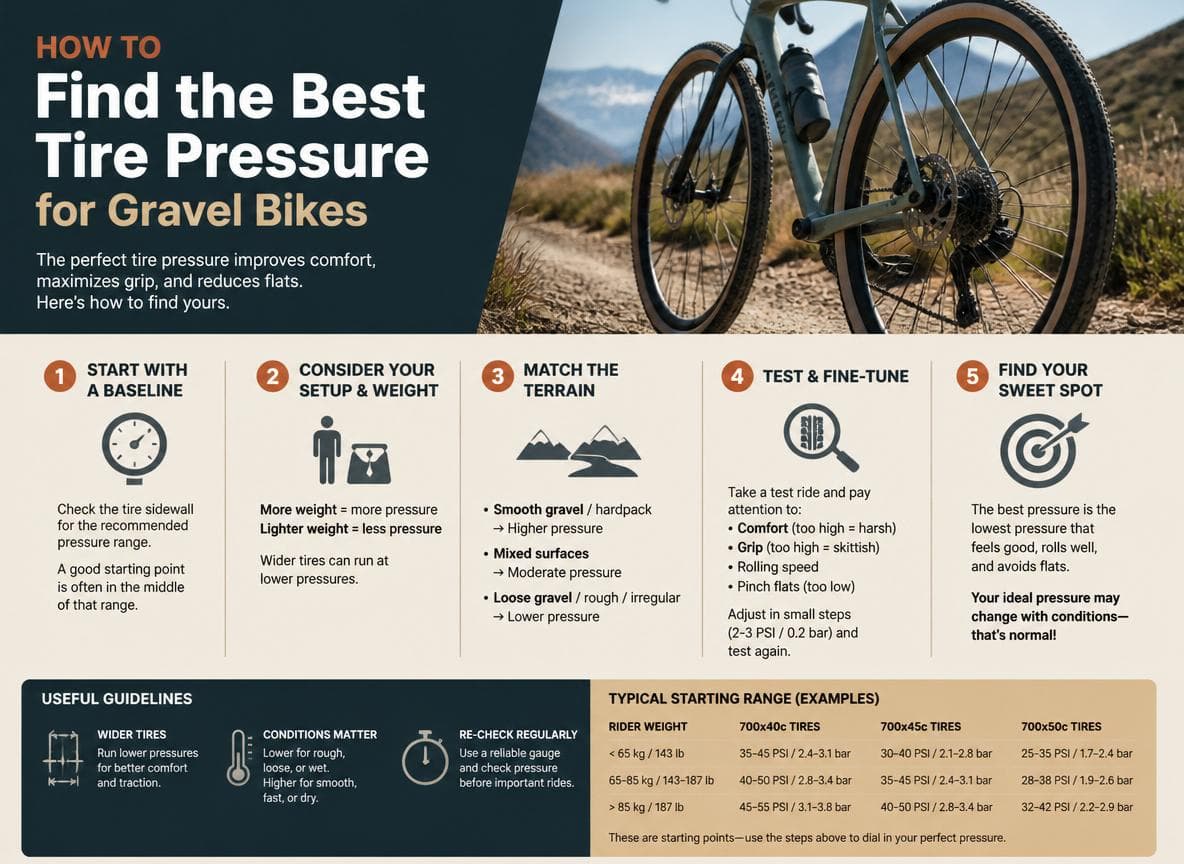
- Digital tire pressure gauge
- Bike repair stand with carbon-safe clamping practices
How to clean your frame after gravel rides
Regular cleaning is one of the easiest ways to extend the life of a carbon gravel bike frame. Dirt may look harmless, but grit can grind into finishes, hide cracks, contaminate moving parts, and accelerate cable or bag rub.
Step 1: Rinse gently
Use low water pressure to loosen mud and dust. Avoid pressure washers, especially around bottom brackets, headsets, suspension components, electronic ports, and bearing seals.
High-pressure water can drive contamination into places it does not belong. A gentle rinse is usually enough.
Step 2: Wash with a soft cloth or brush
Apply a bike-safe cleaner and wipe the frame with a microfiber cloth. Use a soft brush around the bottom bracket area, fork crown, rear triangle, and tire clearance zones where mud often collects.
Pay special attention to:
- Inside the fork legs
- Chainstay and seatstay bridge areas
- Downtube underside
- Bottom bracket shell area
- Rear dropout area
- Cable entry points
- Frame bag contact zones
Step 3: Clean the drivetrain separately
Drivetrain degreaser is useful, but it should not be sprayed heavily across the entire carbon bike frame. Apply degreaser carefully to the chain, cassette, and chainrings, then rinse gently.
Wipe overspray from the frame immediately.
Step 4: Dry thoroughly
Use a clean microfiber towel to dry the frame. Let the bike sit in a ventilated space before storage, especially after wet or muddy rides.
Do not store a wet bike in a closed vehicle, damp garage corner, or bike bag for long periods. Moisture can encourage corrosion on metal hardware and may leave residue around frame fittings.
Step 5: Inspect while cleaning
Cleaning is the perfect time to inspect the frame. Move slowly and look for changes in the finish, unusual marks, crushed areas, or new paint cracks around high-stress locations.
A clean frame makes damage easier to identify.
Key inspection areas on a carbon gravel frame
A gravel bike frame takes repeated vibration and impact. Routine inspection helps you catch issues early.
Downtube
The downtube is exposed to rock strikes from the front tire. Look for chips, deep scratches, dents in the finish, or marks that appear after rough rides.
Add downtube protection if your routes include loose stone, chunky gravel, or high-speed descents.
Chainstays
Chain slap, dropped chains, heel rub, and mud buildup can affect the chainstay area. Check the drive-side chainstay often and make sure your protector is secure.
Bottom bracket area
This area collects grit and water. Inspect for creaking, frame finish changes, loose cable guides, or unusual movement. If you hear persistent creaks, do not assume the frame is the cause. Bottom brackets, pedals, chainrings, seatposts, and thru-axles can all make noise.
Seat tube and seatpost junction
Check the seatpost clamp area for slipping, over-tightening marks, or cracks in the finish. Use the correct torque and carbon assembly paste when recommended by the component manufacturer.
Head tube and cable ports
Cable rub is common on gravel bikes. Even small repeated movement can wear through paint over time. Apply clear protective patches wherever housing or hoses touch the frame.
Fork crown and fork legs
Inspect the fork after rock strikes, transport incidents, or crashes. The fork is a critical component, and damage should be evaluated before the next ride.
Dropouts and thru-axle areas
Make sure thru-axles are clean, lightly greased where appropriate, and tightened to the manufacturer’s recommended torque. Dirt at the dropout can cause noise, poor wheel alignment, or premature wear.
Smart maintenance schedule
Every rider’s schedule depends on conditions, mileage, and terrain. Use this simple routine as a starting point.
After every dusty or muddy ride
- Rinse the frame gently
- Wipe down the downtube, fork, and rear triangle
- Clean and lubricate the chain as needed
- Check for new rock chips or scratches
- Confirm tires are free of embedded sharp debris
Weekly for frequent riders
- Inspect frame protection film for peeling or trapped grit
- Check bolts with a torque wrench where appropriate
- Examine chainstay and cable rub areas
- Inspect bottle cage bolts and accessory mounts
- Listen for new creaks or rattles
Monthly
- Remove frame bags and inspect contact points
- Check tire clearance and mud buildup marks
- Clean around bottom bracket and crank area
- Inspect fork and dropout zones
- Review sealant levels if running tubeless tires
Before major events or bikepacking trips
- Complete a full frame inspection
- Check all mounting bolts and accessory hardware
- Replace worn protection film
- Confirm bags are not rubbing unprotected paint
- Pack a small cleaning cloth for grit removal during the trip
Common mistakes that damage carbon frames
Carbon is strong when used correctly, but poor habits can cause preventable problems.
Using a pressure washer
A pressure washer may be fast, but it can force water and grit into bearings, frame ports, and seals. Use gentle water flow instead.
Clamping the frame in a repair stand
Do not clamp a carbon bike frame tube unless the frame maker specifically allows it. In most cases, clamp the seatpost instead, and use light pressure. If you use a dropper post or aero-shaped post, follow the component guidance carefully.
Over-tightening bolts
Seat collars, stem bolts, bottle cages, accessory mounts, and racks all have torque limits. Over-tightening can crush components, damage inserts, or create stress in the frame.
Use a torque wrench. It is one of the best investments for any carbon gravel bike frame owner.
Ignoring bag rub
Frame bags are useful for gravel racing and adventure riding, but grit trapped under straps can act like sandpaper. Protect every contact point before installing bags.
Riding after a hard impact without inspection
If you crash, strike a large rock, or hear a sharp impact, stop and inspect the frame. When in doubt, have the frame evaluated by a qualified bicycle mechanic or carbon inspection specialist before riding again.
Using harsh chemicals
Automotive solvents, aggressive degreasers, acetone, and abrasive compounds can damage paint, decals, clear coat, or protective finishes. Use bike-safe products unless the frame manufacturer states otherwise.
Warranty-friendly care habits
Warranty coverage varies by brand and model, so always follow the documentation that came with your frame. Good maintenance habits can make warranty conversations easier and help prevent avoidable damage.
Keep proof of purchase
Save your receipt, order confirmation, frame serial number, and any registration details. Store photos in a folder you can access later.
Register the frame if available
Some manufacturers offer frame registration. If your gravel bike frame includes this option, complete it soon after purchase.
Follow torque specifications
Warranty claims may be affected by improper assembly or over-tightening. Use the recommended torque values for seatpost clamps, cockpit parts, brake mounts, bottle cages, and accessories.
Use approved accessories
Before installing racks, fenders, child seats, trainers, or large bikepacking bags, confirm compatibility. Not every carbon gravel bike frame is designed for every accessory or load.
Document unusual issues early
If you notice a new crack, severe paint separation, loose insert, or unexplained noise, take clear photos and stop riding until the issue is checked. Continuing to ride a potentially damaged frame can make the problem worse.
Best accessories for carbon gravel frame care
The right accessories help your frame stay cleaner, quieter, and better protected.
Clear protection film kit
A clear film kit is one of the most practical upgrades for gravel riders. Apply it to high-impact and high-rub areas before your first rough ride.
Best locations include:
- Downtube underside
- Chainstays
- Seatstays near tire clearance zones
- Fork legs
- Head tube cable contact points
- Top tube bag contact area
- Seat tube bag strap zones
Torque wrench
A compact torque wrench helps prevent over-tightening. This is especially important for a carbon bike frame with seatpost, cockpit, and accessory mounting points.
Carbon assembly paste
Carbon assembly paste can help reduce slipping at lower torque on compatible clamping surfaces. Use it only where recommended and avoid applying it to areas where it does not belong.
Soft cleaning brush set
Dedicated brushes make it easier to clean tight areas around the fork crown, bottom bracket, brakes, and rear triangle without scratching the finish.
Microfiber towel pack
Use separate towels for the frame and drivetrain. A towel covered in chain grime can scratch or stain the finish if used on the frame.
Chainstay protector
A quality chainstay protector reduces noise and helps prevent repeated chain slap damage during rough descents.
Bike storage stand
Leaning a carbon gravel bike against rough walls, metal poles, or other bikes can cause scratches and impact marks. A stable storage stand keeps the frame secure between rides.
Product options for every rider
Choose the care setup that matches your riding style.
Essential home care setup
Ideal for casual gravel riders and weekend explorers.
Includes:
- Gentle bike wash
- Microfiber cloths
- Soft brush
- Chainstay protector
- Basic frame protection patches
Adventure protection setup
Recommended for bikepacking, remote routes, and riders using frame bags.
Includes:
- Full frame protection film coverage
- Extra bag rub patches
- Downtube protector
- Torque wrench
- Carbon assembly paste
- Spare accessory bolts
Race-ready maintenance setup
Built for riders who train often, race on rough courses, or need quick pre-event checks.
Includes:
- Premium wash and detail kit
- Inspection light
- Torque wrench
- Drivetrain cleaning supplies
- Tire pressure gauge
- Replacement protective film sections
Pricing and buying guidance
Pricing depends on the products you choose, the size of your frame, and whether you prefer individual items or a complete care bundle. Entry-level cleaning supplies are typically the most affordable place to start, while full protection kits and precision tools cost more upfront but can help prevent expensive repairs later.
For most riders, the best first purchases are:
- A torque wrench
- Clear frame protection film
- A gentle bike wash kit
- A chainstay protector
- Microfiber towels and soft brushes
If you recently purchased a new carbon gravel bike frame, apply protection before your first muddy or rocky ride. If you already own one, clean and inspect the frame before installing any film or protective accessories.
Why buy frame care products now
Gravel damage often starts small. A cable rub mark, a loose bag strap, a rock chip, or an over-tightened bolt may seem minor at first. Over time, those small issues can become costly.
A simple care kit helps you protect the frame you already invested in. It also makes your bike easier to maintain, easier to inspect, and more enjoyable to ride.
Whether you are building a new gravel bike frame from scratch or upgrading your current setup, adding frame protection and maintenance tools is a smart step before your next big ride.
Ready to protect your ride? Choose the care products that match your terrain, riding frequency, and storage setup, then make frame inspection part of your regular routine.
Frequently asked questions
How often should I clean a carbon gravel frame?
Clean your frame after muddy, wet, salty, or dusty rides. If conditions are dry and mild, a quick wipe-down may be enough. The goal is to remove grit before it causes abrasion or hides damage.
Can I use a pressure washer on a carbon bike frame?
It is better to avoid pressure washers. Use a gentle rinse, bike-safe cleaner, and soft cloths or brushes. High-pressure water can push contamination into bearings, seals, and frame openings.
Is carbon strong enough for gravel riding?
Yes, a properly designed carbon gravel bike frame can be built for demanding mixed-surface riding. The key is to use the frame within its intended purpose, follow manufacturer guidelines, and inspect it after crashes or hard impacts.
What should I do if I find a crack?
Stop riding the bike and have it inspected by a qualified mechanic, the frame manufacturer, or a carbon repair specialist. Do not assume a crack is only cosmetic, especially near joints, dropouts, the bottom bracket, fork, or seatpost area.
Should I use frame protection film?
Yes, it is highly recommended for gravel riding. Protection film helps guard against cable rub, bag abrasion, chain slap, and rock strikes. Apply it to clean surfaces and replace it when it becomes damaged or starts peeling.
Can frame bags damage a gravel bike frame?
Frame bags can cause wear if straps trap grit or move during riding. Use protective patches under every strap and contact point. Remove bags periodically to clean and inspect the frame underneath.
Do I need carbon assembly paste?
Carbon assembly paste is useful for certain clamping areas, such as some seatposts, when recommended by the component or frame manufacturer. It can help reduce slipping without excessive torque. Do not use it everywhere unless instructed.
How do I store a carbon gravel bike?
Store it clean and dry in a stable location. Avoid leaning it where the frame can be scratched or knocked over. If hanging the bike, use a method compatible with your wheels and components.
What maintenance products should every carbon gravel rider own?
Start with a torque wrench, microfiber towels, gentle bike wash, soft brushes, frame protection film, and a chainstay protector. These items cover the most common care needs for a carbon bike frame used on gravel.
Will maintenance affect my warranty?
Proper maintenance supports responsible ownership, but warranty terms vary. Keep proof of purchase, follow torque specifications, use compatible accessories, and document concerns early. Always review the warranty details provided by the frame manufacturer.