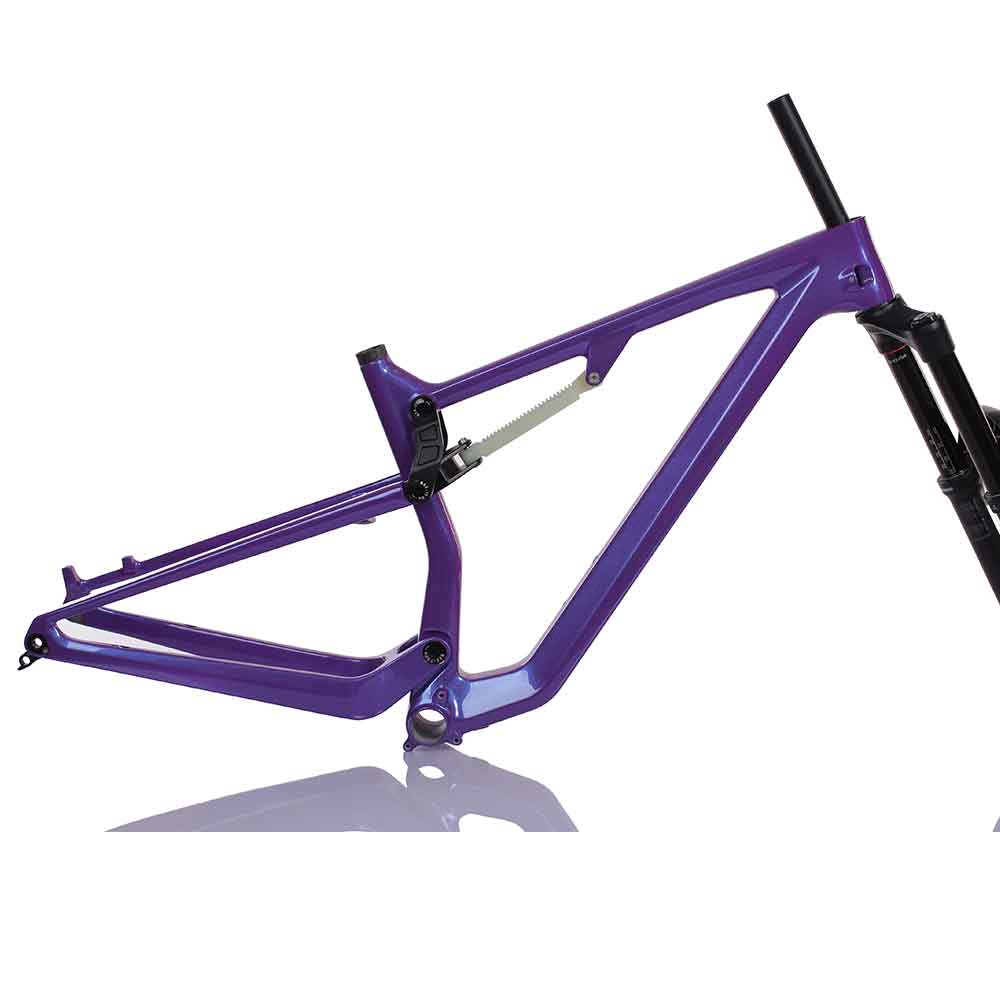

Fixed gear bikes, often called fixies, are popular with urban riders because they are simple, direct, lightweight, and easy to customize. A fixed gear bike has fewer moving parts than a multi-speed road bike, but that simplicity changes how the bike feels, how it is maintained, and where it performs best.
This guide explains the main benefits of fixed gear bikes, the limitations you should know before buying one, and when a modern road bike or carbon frame build may be a better choice. If you are comparing parts for a custom build, you can also read our fixed gear components guide.
What Is a Fixed Gear Bike?
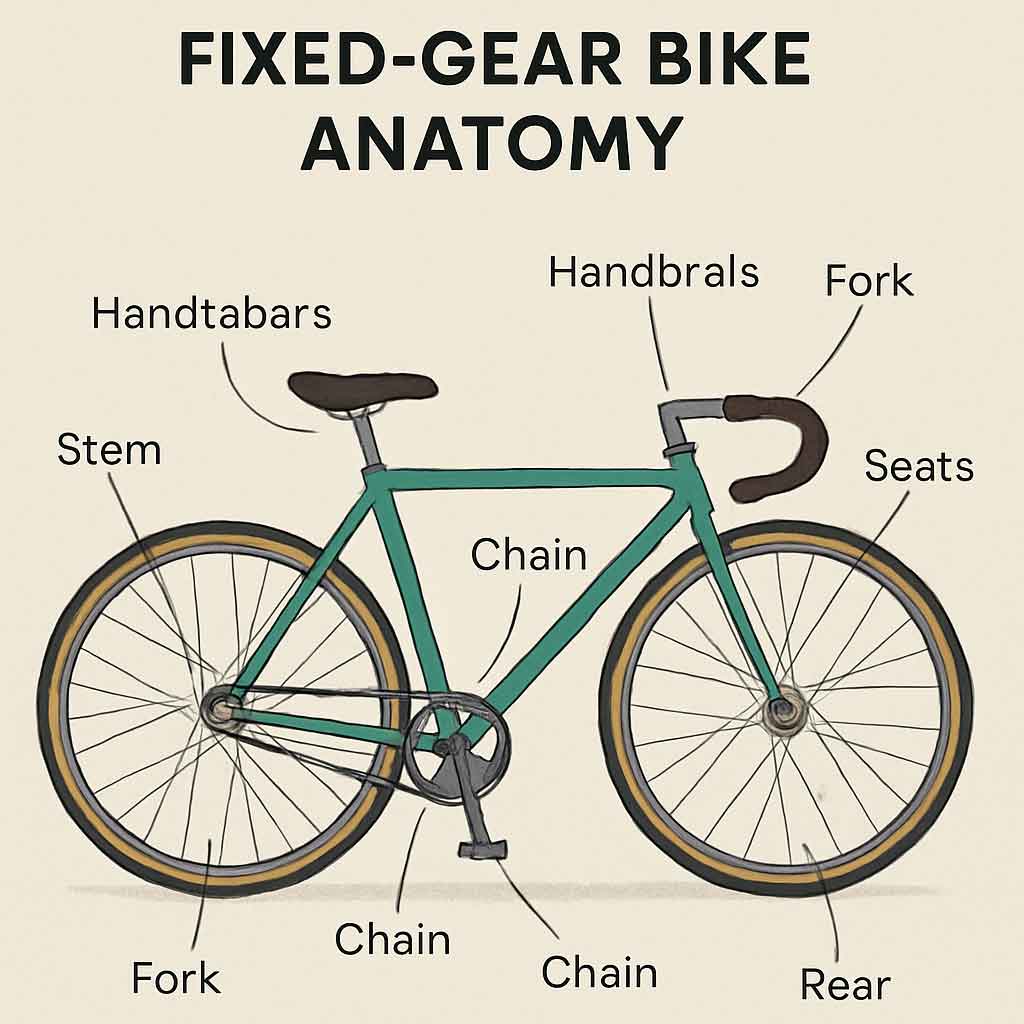
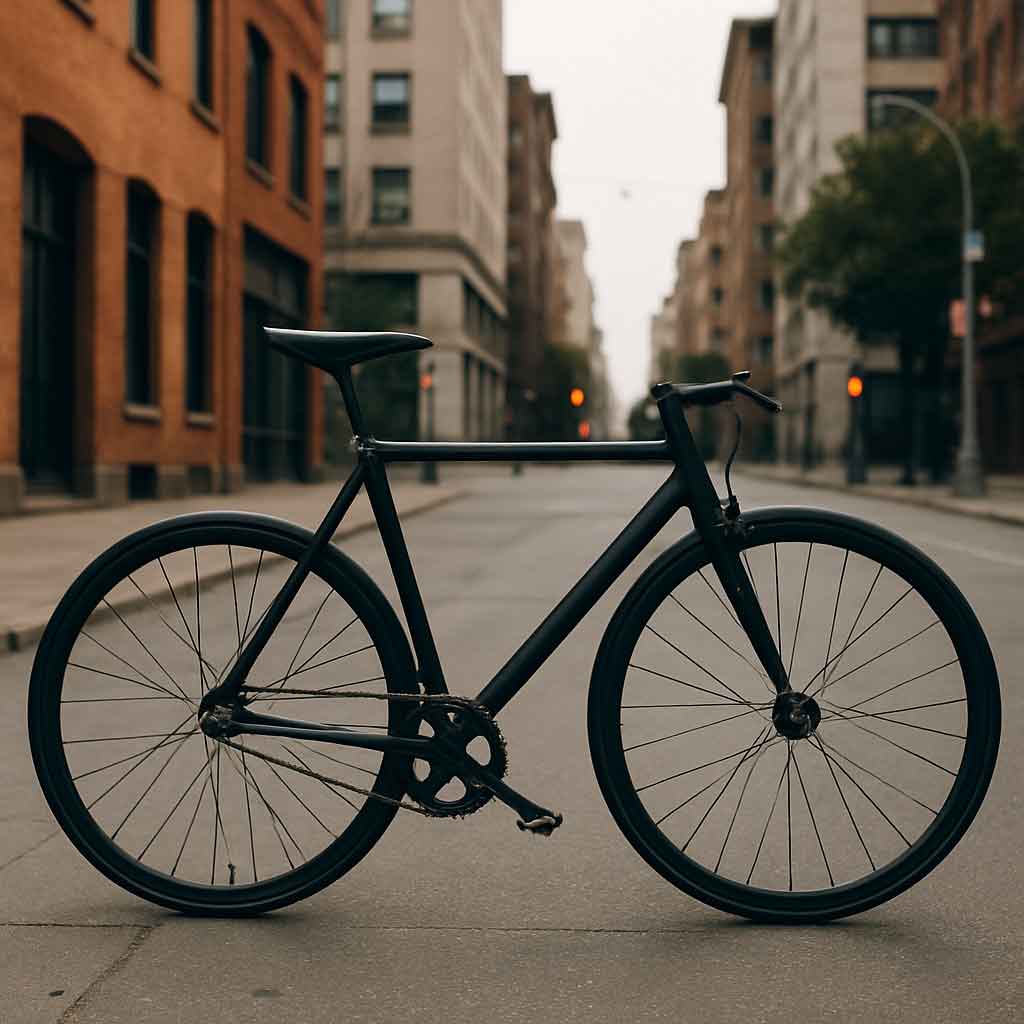
A fixed gear bike uses a drivetrain where the rear cog is fixed to the rear wheel. When the bike moves, the pedals move too. Unlike a freewheel bike, a fixed gear bike does not allow coasting.
This gives the rider a very direct connection to the bike. Every pedal stroke affects speed and control, which is why many riders describe fixies as simple, responsive, and engaging.
Main Benefits of Fixed Gear Bikes
1. Simple Design and Fewer Parts
One of the biggest benefits of a fixed gear bike is simplicity. A fixie usually does not need derailleurs, shifters, multiple cogs, or complicated cable routing. With fewer parts, there are fewer things to adjust, damage, or replace.
This makes fixed gear bikes attractive for riders who want a clean, low-maintenance bike for city riding, training, or short daily trips.
2. Lower Maintenance
Because the drivetrain is simple, fixed gear bikes are usually easier to maintain than multi-speed bikes. Regular maintenance is mostly focused on chain tension, chain lubrication, brake condition, tire pressure, and wheel alignment.
| Area | Fixed Gear Bike | Multi-Speed Bike |
|---|---|---|
| Drivetrain | Single cog and chain | Cassette, derailleurs, shifters, cables |
| Adjustment | Mainly chain tension | Gear indexing and cable tension |
| Maintenance Cost | Usually lower | Usually higher |
3. Direct Pedaling Feel
A fixed gear bike creates a direct connection between the rider and rear wheel. This can make the bike feel responsive, especially in city traffic where quick acceleration and speed control matter.
Because you cannot coast, riding a fixie also encourages smoother pedaling. Many riders use fixed gear bikes for cadence practice and pedal control training.
4. Lightweight and Clean Setup
Without extra drivetrain components, a fixed gear bike can be lighter and cleaner than a geared bike. The simple layout also creates a minimalist appearance that many riders like.
5. Good for Urban Riding
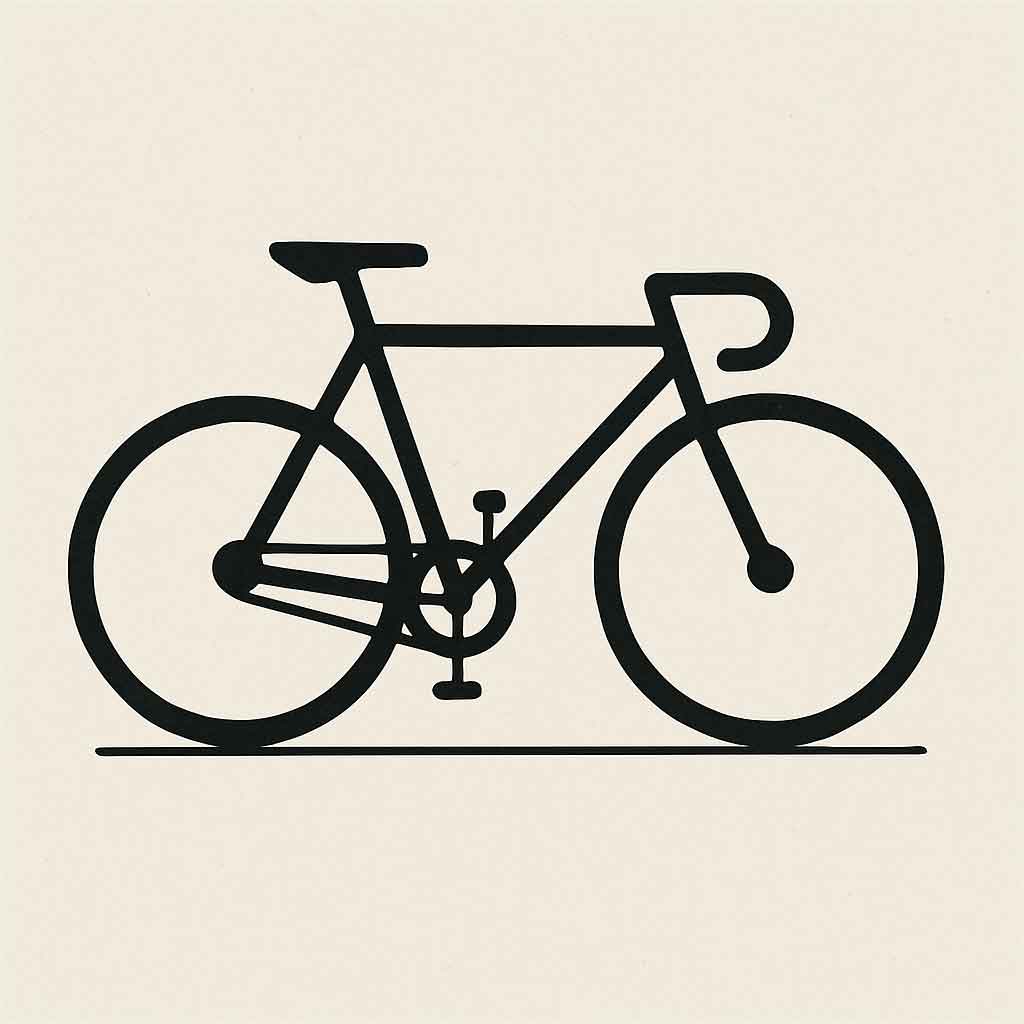
Fixed gear bikes are often used for short city rides because they are simple, responsive, and easy to handle in stop-and-go environments. The bike feels connected, which can help riders become more aware of speed, cadence, and road conditions.
For commuting, a front brake is strongly recommended. Even experienced fixed gear riders benefit from having reliable braking power in traffic, wet roads, or emergency situations.
6. Fitness and Cadence Training
Since the pedals keep moving whenever the bike moves, a fixed gear bike keeps your legs engaged. This can help improve cadence awareness, leg endurance, and overall cycling control.
However, the same feature can also be tiring on long rides or hilly routes. For longer distance riding, climbing, or varied terrain, a road bike is usually more efficient.
7. Easy Customization
Fixies are popular for custom builds because the platform is simple. Riders often customize the frame color, wheels, handlebar, saddle, crankset, cog, tires, and brake setup.
If your project is more performance-focused than urban-focused, compare the frame, fork, wheels, and cockpit choices carefully. Our fixed gear components guide explains the key parts in more detail.
Fixed Gear Bike Limitations
Fixed gear bikes are not ideal for every rider. The same features that make them simple can also make them less flexible than road, gravel, MTB, or e-bike setups.
| Limitation | Why It Matters |
|---|---|
| No coasting | Can feel tiring for beginners or long rides |
| Single gear ratio | Less suitable for steep hills or varied terrain |
| Limited use case | Best for urban riding, training, and simple builds |
| Brake setup matters | A front brake is strongly recommended for street riding |
Fixed Gear Bike vs Road Bike
A fixed gear bike is best for riders who want simplicity, direct control, and a clean urban setup. A road bike is better for speed, climbing, long-distance riding, group rides, and varied terrain.
| Use Case | Better Choice | Reason |
|---|---|---|
| Short city rides | Fixed gear bike | Simple, light, and responsive |
| Long road rides | Road bike | Multiple gears improve comfort and efficiency |
| Hilly terrain | Road bike or gravel bike | Gear range helps climbing and descending |
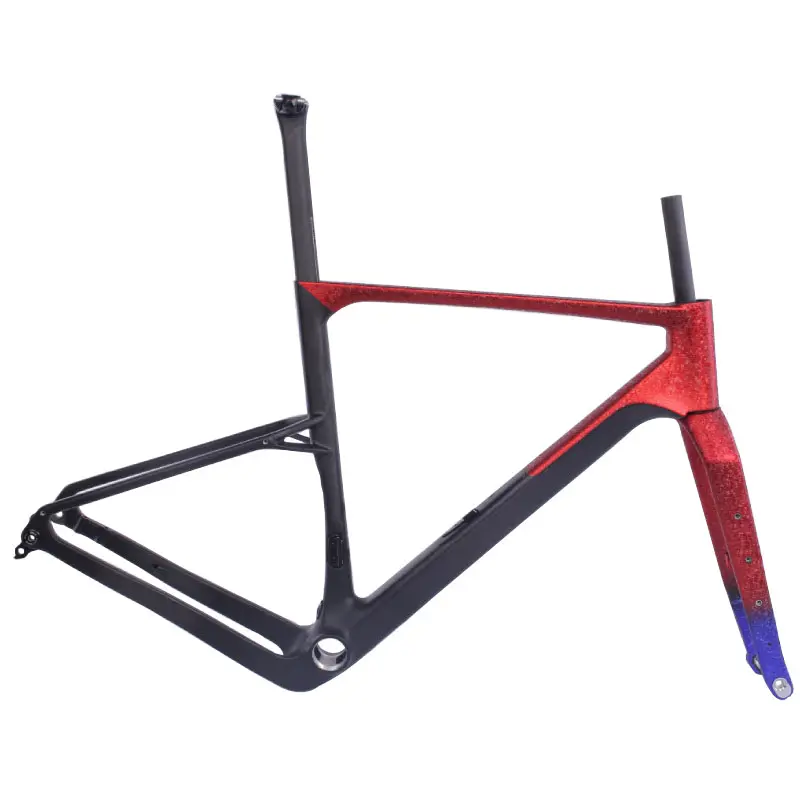
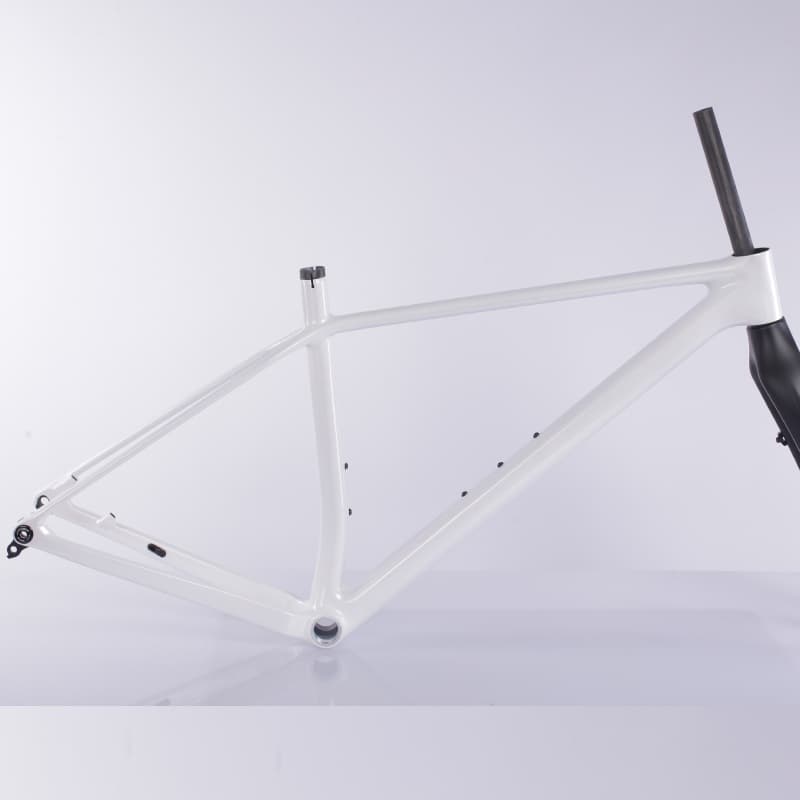
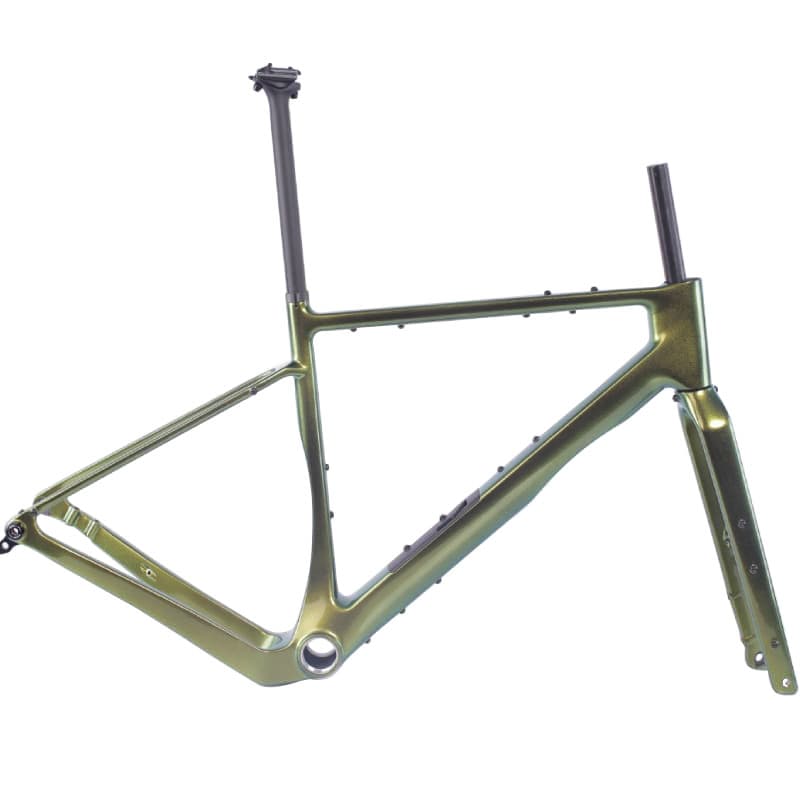
| Custom performance build | Carbon road bike frame | Better geometry, stiffness, and drivetrain compatibility |
If your goal is performance road riding, a dedicated carbon road bike frame will usually be more suitable than a fixed gear frame. If you want broader product options, you can also explore the full Mondince carbon bike frame collection.
Who Should Ride a Fixed Gear Bike?
A fixed gear bike can be a good choice for riders who want a simple urban bike, enjoy a direct pedaling feel, ride mostly on flat roads, and prefer a clean custom setup.
It may not be the best choice if you often ride long distances, climb hills, carry heavy loads, or need a wide gear range. In those cases, a road bike, gravel bike, MTB, or e-bike frame may fit your needs better.
Related Guides
- Fixed Gear Components Guide: Frame, Wheels, Crankset and Fit Tips
- How to Maintain Your Fixed Gear Bike
- Best Road Bikes for Sale: How to Choose the Right Road Bike Frame
- Bike Frame Size Guide
Frequently Asked Questions
Are fixed gear bikes good for beginners?
Fixed gear bikes can be good for beginners who ride on flat city roads and want a simple bike. However, beginners should use brakes and learn how the fixed drivetrain affects stopping, cornering, and speed control.
What are the main benefits of a fixed gear bike?
The main benefits are simple maintenance, direct pedaling feel, lower weight, clean appearance, easy customization, and improved cadence awareness.
Are fixed gear bikes good for commuting?
Fixed gear bikes can work well for short urban commuting, especially on flat roads. For longer routes, hills, or mixed terrain, a multi-speed road bike or gravel bike is usually more practical.
Do fixed gear bikes need brakes?
For street riding and commuting, a front brake is strongly recommended. Brakes improve control and safety, especially in traffic, wet conditions, or emergency stops.
Is a fixed gear bike faster than a road bike?
A fixed gear bike can feel quick in short city riding, but a road bike is usually faster and more efficient for longer distances, hills, and higher-speed riding because it has a wider gear range.
Conclusion
The biggest benefits of fixed gear bikes are simplicity, low maintenance, direct control, clean looks, and a fun urban riding feel. They are best for riders who value minimalism and mostly ride on flat city roads.
If you are building a performance-focused bike, compare your riding style, terrain, frame geometry, and drivetrain needs before choosing the frame. For road performance or OEM carbon frame projects, explore Mondince carbon road bike frames or contact Mondince for frame selection support.