
Searching for the best road bikes for sale can quickly become confusing. Many bikes look similar at first glance, but the ride quality, weight, comfort, speed, and long-term value often come down to one key part: the road bike frame.
For riders, shops, and custom bike builders, choosing the right frame is the foundation of a good road bike. This guide explains how to compare road bikes by frame material, geometry, riding style, components, sizing, and budget, with a special focus on carbon road bike frames for performance and custom builds.
.jpg)
What Makes a Good Road Bike?
A good road bike should match the rider's purpose. A lightweight racing bike, an endurance road bike, and an everyday training bike may all use drop bars and narrow tires, but they are built around different priorities.
- Racing road bikes focus on low weight, responsive handling, and efficient power transfer.
- Aero road bikes use tube shaping and integrated routing to reduce drag at higher speeds.
- Endurance road bikes use more comfortable geometry for long-distance riding and rough pavement.
- All-road bikes offer slightly wider tire clearance for mixed road conditions.
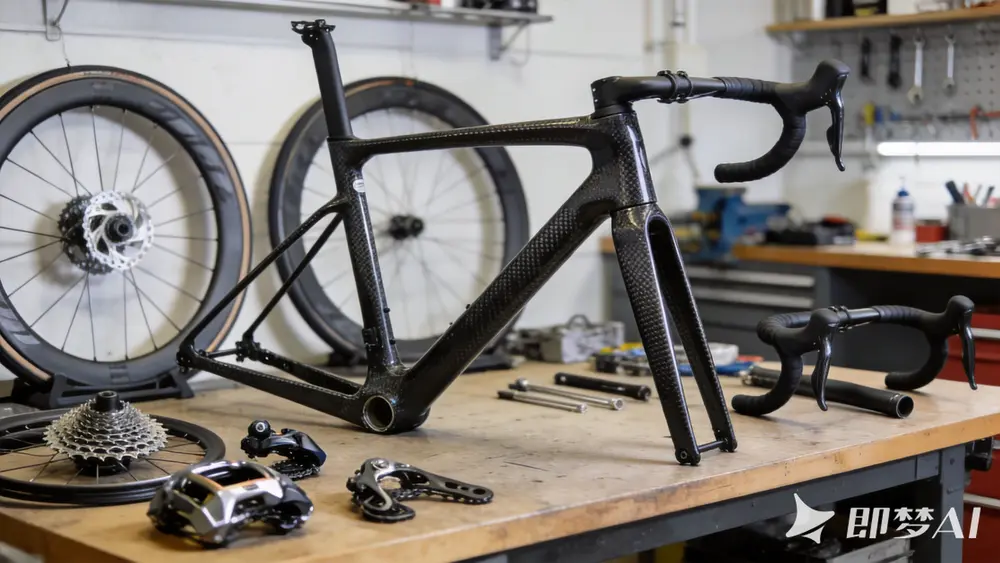
- Custom road bike builds let riders choose the frame, groupset, wheels, cockpit, and finishing kit separately.
If you are comparing complete road bikes for sale, look beyond the brand name and check the frame platform first. The frame determines fit, handling, weight potential, tire clearance, and upgrade flexibility.
Road Bike Frame Material Comparison
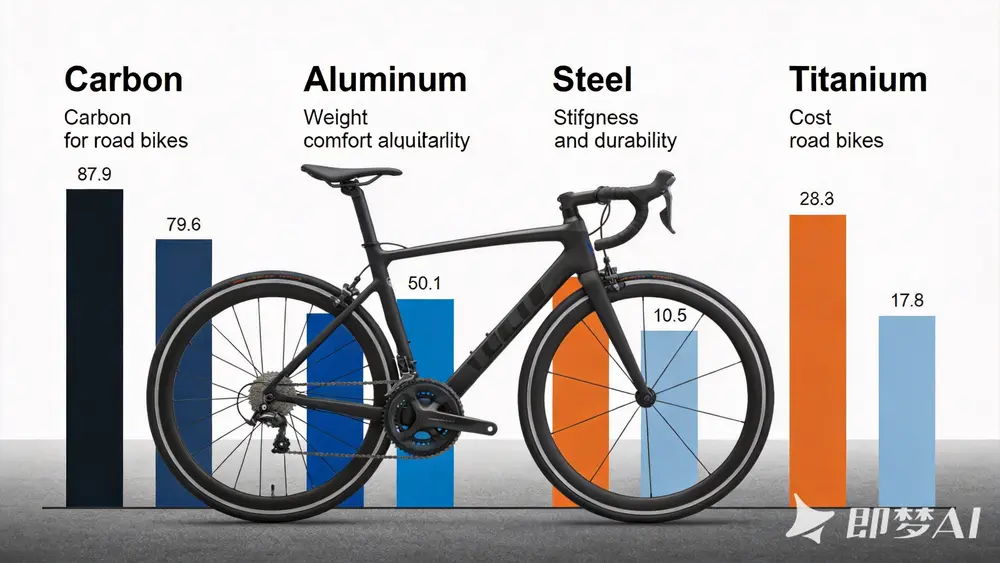
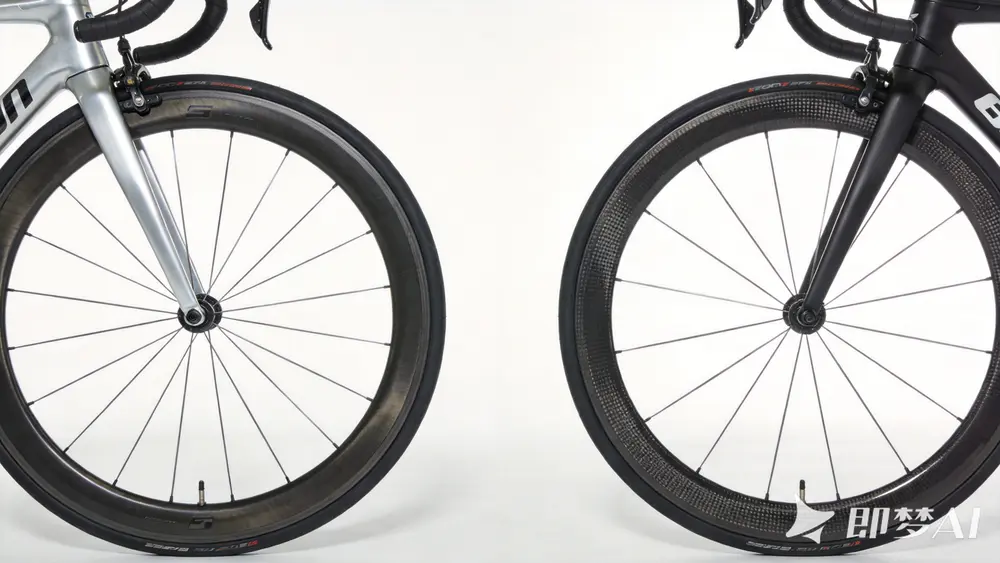
Frame material has a major impact on road bike performance. Carbon fiber is widely used in modern performance road bikes because it can be engineered for low weight, stiffness, vibration control, and aerodynamic tube shapes.
| Frame Material | Best For | Advantages | Considerations |
|---|---|---|---|
| Carbon Fiber | Racing, endurance, custom builds | Lightweight, stiff, tunable ride feel, aerodynamic shaping | Quality depends on layup, testing, and manufacturing control |
| Aluminum | Entry-level and budget road bikes | Affordable, durable, easy to source | Usually heavier and less refined than carbon |
| Steel | Classic road bikes and touring-style builds | Comfortable ride feel and long service life | Heavier than most modern performance frames |
| Titanium | Premium all-road and long-life builds | Corrosion resistant, smooth ride feel, durable | Higher cost and fewer aerodynamic frame options |
Choose the Road Bike Type by Riding Style
Racing Road Bikes
Racing road bikes are built for speed, acceleration, and efficient power transfer. Riders who care about climbing, sprinting, and fast group rides should look for a lightweight frame, responsive geometry, and a stiff bottom bracket area.
Aero Road Bikes
Aero road bikes are designed to reduce wind resistance. They often use deeper tube profiles, integrated cable routing, and aggressive geometry. They are a strong choice for flat racing, fast solo rides, and riders who prioritize speed at higher average speeds.
Endurance Road Bikes
Endurance road bikes are better for long rides, rough pavement, and riders who want a more comfortable position. They usually have a taller stack, slightly shorter reach, and more stable handling than pure race bikes.
Custom Road Bike Builds
A custom build starts with the frame. This approach lets you select the exact groupset, wheels, cockpit, saddle, and tires you want. For many riders and small brands, choosing a reliable carbon road bike frame first is a better long-term strategy than buying a complete bike with parts that may need replacing later.
Road Bike Geometry: What to Check Before Buying
Geometry is one of the biggest reasons two road bikes can feel completely different. Before choosing a bike or frame, check the following numbers:
- Stack: Affects handlebar height and riding posture.
- Reach: Affects cockpit length and how stretched the rider feels.
- Head tube angle: Influences steering response and stability.
- Wheelbase: A longer wheelbase usually feels more stable, while a shorter one can feel quicker.
- Bottom bracket drop: Affects cornering feel and center of gravity.
- Tire clearance: Determines whether the bike can use wider road tires for comfort and grip.
If you are not sure which size fits you, read our road bike frame size guide before choosing a frame.
Frame Standards and Component Compatibility
A road bike frame should also be checked for compatibility with the components you plan to use. This is especially important for custom builds and OEM projects.
- Bottom bracket standard: T47, BSA, BB86, and press-fit systems have different service and stiffness characteristics.
- Brake type: Most modern road bikes use disc brakes for stronger braking and better wet-weather control.
- Cable routing: Fully internal routing gives a cleaner look and can improve aerodynamics.
- Seatpost design: Round seatposts are easier to replace, while aero seatposts can improve integration.
- Tire clearance: Many modern road riders prefer 28mm to 32mm tires for better comfort and grip.
- Groupset compatibility: Check mechanical, electronic, and hydraulic routing before buying.
Complete Road Bike vs Frame-First Build
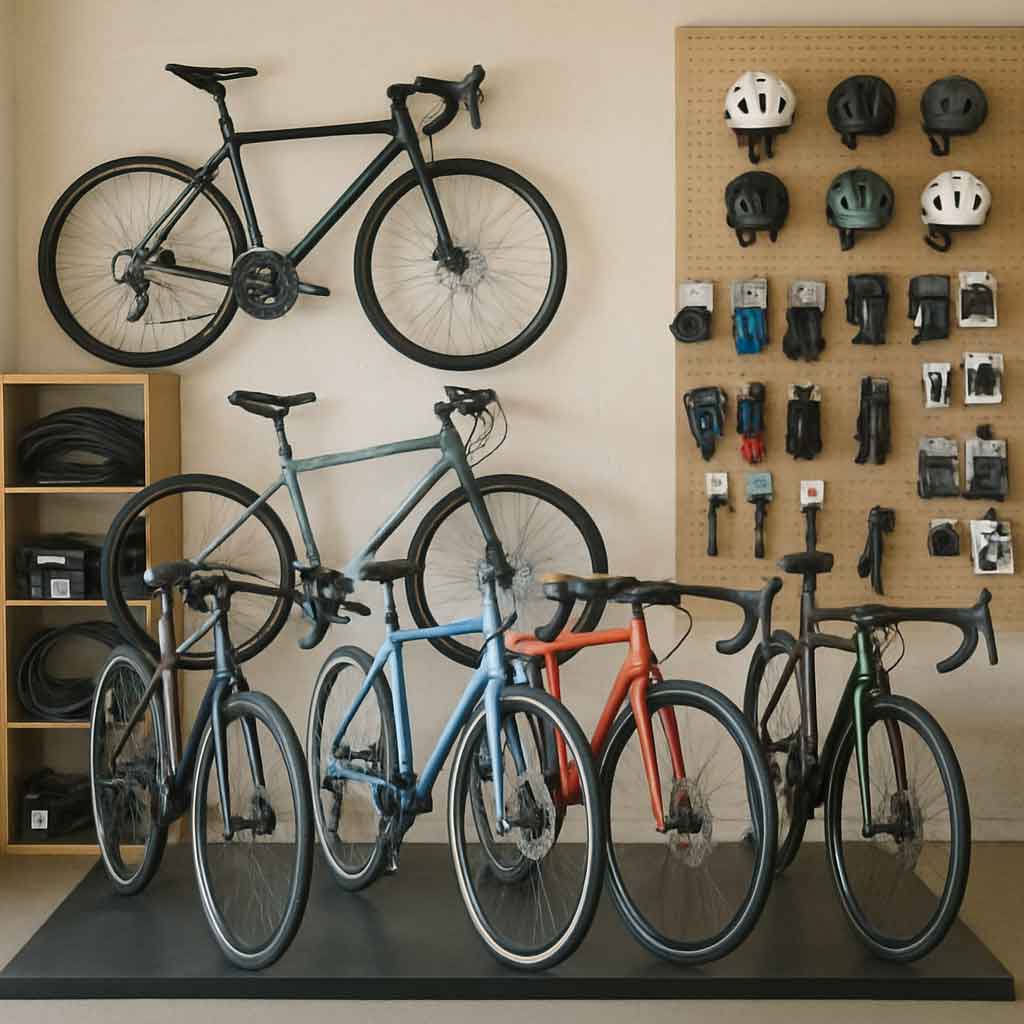
Many riders start by searching for complete road bikes for sale. That is convenient, but it may not always be the best value if you already know your preferred frame style, groupset, and wheel level.
| Option | Best For | Main Benefit | Trade-Off |
|---|---|---|---|
| Complete Road Bike | Riders who want a ready-to-ride setup | Fast and simple purchase process | Parts may not match your exact preferences |
| Frame-First Custom Build | Performance riders, shops, OEM buyers, custom projects | Better control over geometry, components, paint, and budget | Requires more planning and component selection |
How Much Should You Spend?
Road bike prices vary widely because the frame, wheels, groupset, cockpit, and finishing kit all affect the final cost. Instead of choosing only by total price, divide your budget into key areas:
- Frame: The foundation of fit, handling, weight, and upgrade potential.
- Wheels: Strongly affect acceleration, climbing, and ride feel.
- Groupset: Determines shifting performance, braking, and long-term service cost.
- Contact points: Saddle, handlebar, stem, and tires affect comfort more than many riders expect.
If you are building a road bike for long-term use, investing in a good carbon frame first often makes sense. You can upgrade wheels and components over time, but the frame defines the bike's core performance.
Mondince Carbon Road Bike Frame Options
Mondince offers carbon road bike frame options for riders, distributors, and OEM partners who need lightweight construction, modern standards, and customizable frame solutions. Depending on your project, you can compare aero, lightweight, and endurance-oriented road frame designs.
Explore the Mondince carbon road bike frame collection to compare available models, geometry, frame specifications, and custom options. For brand projects or bulk orders, Mondince can also support custom paint, logo, and OEM frame development.
Related Road Bike Guides
Before choosing a road bike or frame, it helps to understand sizing, materials, and upgrade priorities. You may also find these guides useful:
- Road Bike Frame Size Guide: Chart, Inseam, Stack and Reach
- Road Bike Frame Materials: Carbon vs Aluminum vs Steel vs Titanium
- How to Build a Custom Road Bike on a Budget
If you are comparing road and gravel use cases, you can also review Mondince carbon gravel bike frames. Gravel frames use wider tire clearance and more stable mixed-terrain geometry, while road frames focus more on paved-road efficiency.
Frequently Asked Questions
What should I check before buying a road bike?
Check the frame material, geometry, frame size, tire clearance, brake type, groupset compatibility, wheel quality, and long-term upgrade potential. The frame should match your riding style before you compare components.
Is a carbon road bike frame worth it?
A carbon road bike frame is worth considering if you want low weight, efficient power transfer, vibration control, and modern aerodynamic shaping. The quality of the layup, molding, testing, and manufacturing process matters more than the material name alone.
Should I buy a complete road bike or build from a frame?
A complete road bike is simpler if you want a ready-to-ride setup. A frame-first build is better if you want more control over geometry, components, wheels, paint, and budget allocation.
What road bike frame size do I need?
Start with rider height and inseam, then compare stack and reach. Road bike sizing can vary between frame brands, so always check the geometry chart of the specific frame model.
Can Mondince support OEM road bike frame projects?
Yes. Mondince supports carbon road bike frame projects for riders, shops, distributors, and OEM partners, including custom paint, logo options, sample orders, and bulk production support.
Conclusion
The best road bike for sale is not always the one with the most expensive components. The right choice starts with the right frame: correct size, suitable geometry, reliable material, and compatibility with your riding goals.
If you are planning a custom build or road bike product line, start by comparing Mondince carbon road bike frames. For sizing, geometry, or OEM project questions, contact Mondince and share your riding style, target size range, and component plan.