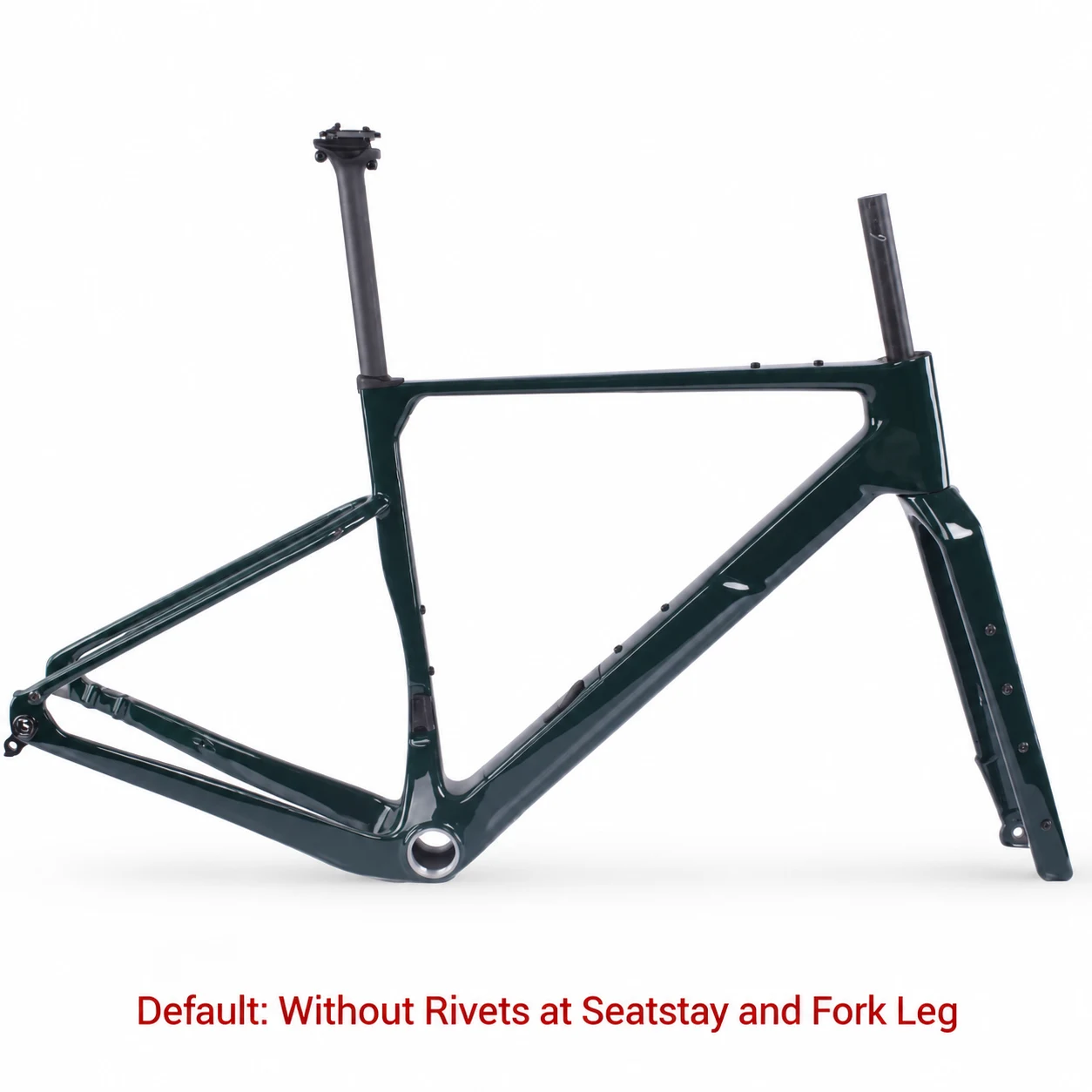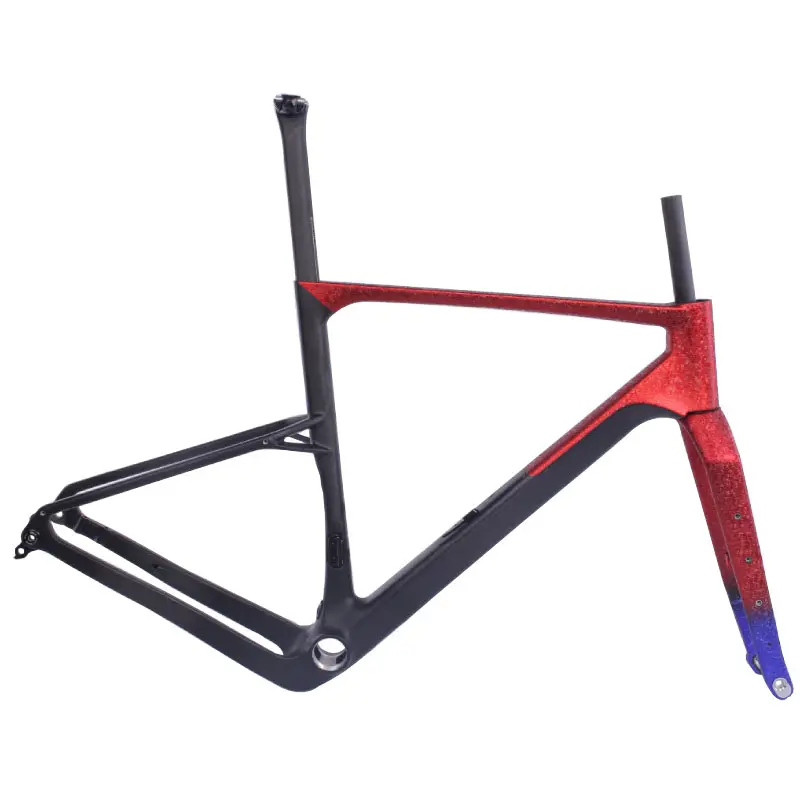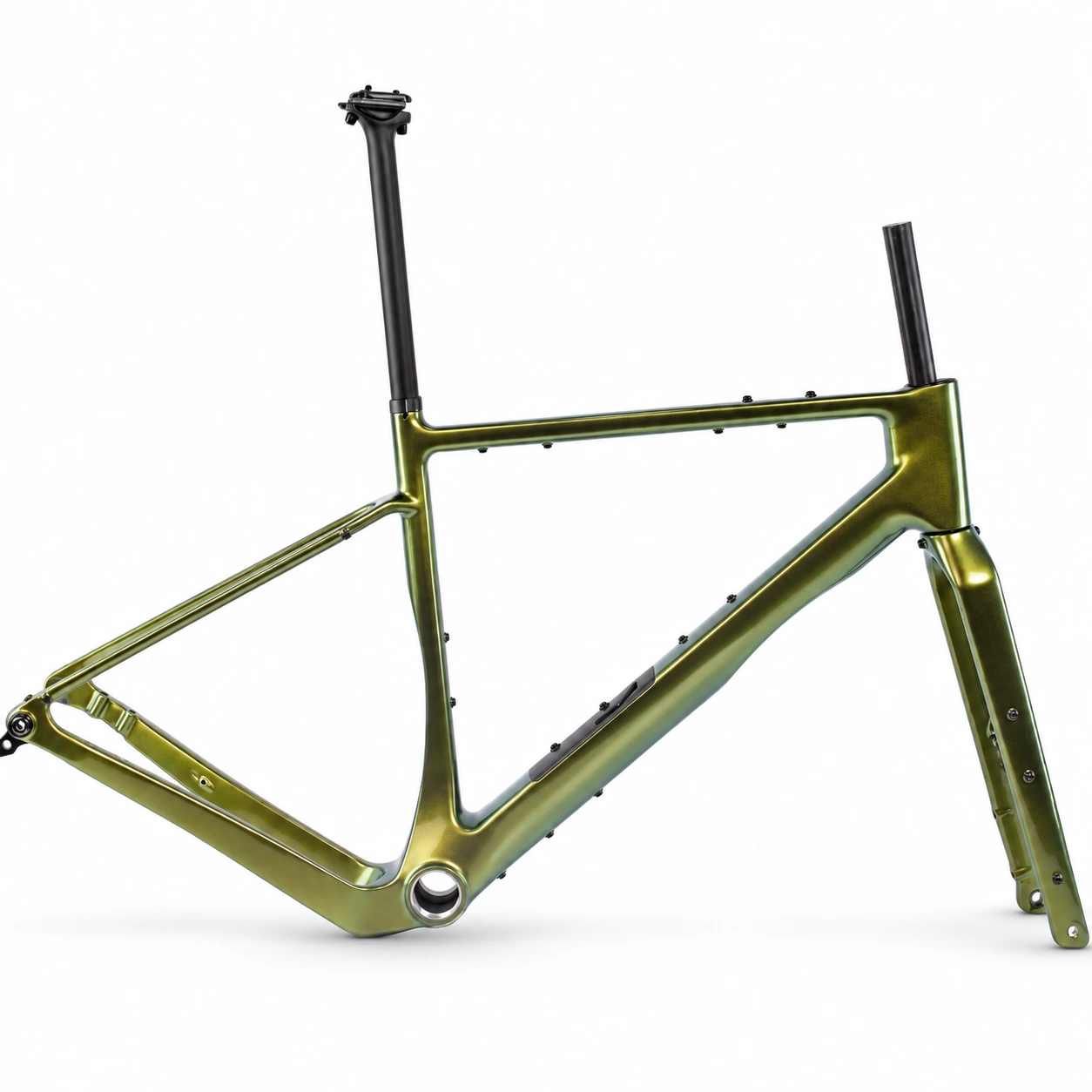

Audience: keen gravel riders and home mechanics
Note: The illustrations are schematic and do not show product tests. Watt figures and manufacturer claims are sourced. No service times or IPX ratings have been invented.
Focus keywords: internal cable routing on gravel bikes · internal cable routing · internal vs. external cables on gravel bikes
1. A clean-looking frame isn't necessarily easy to service
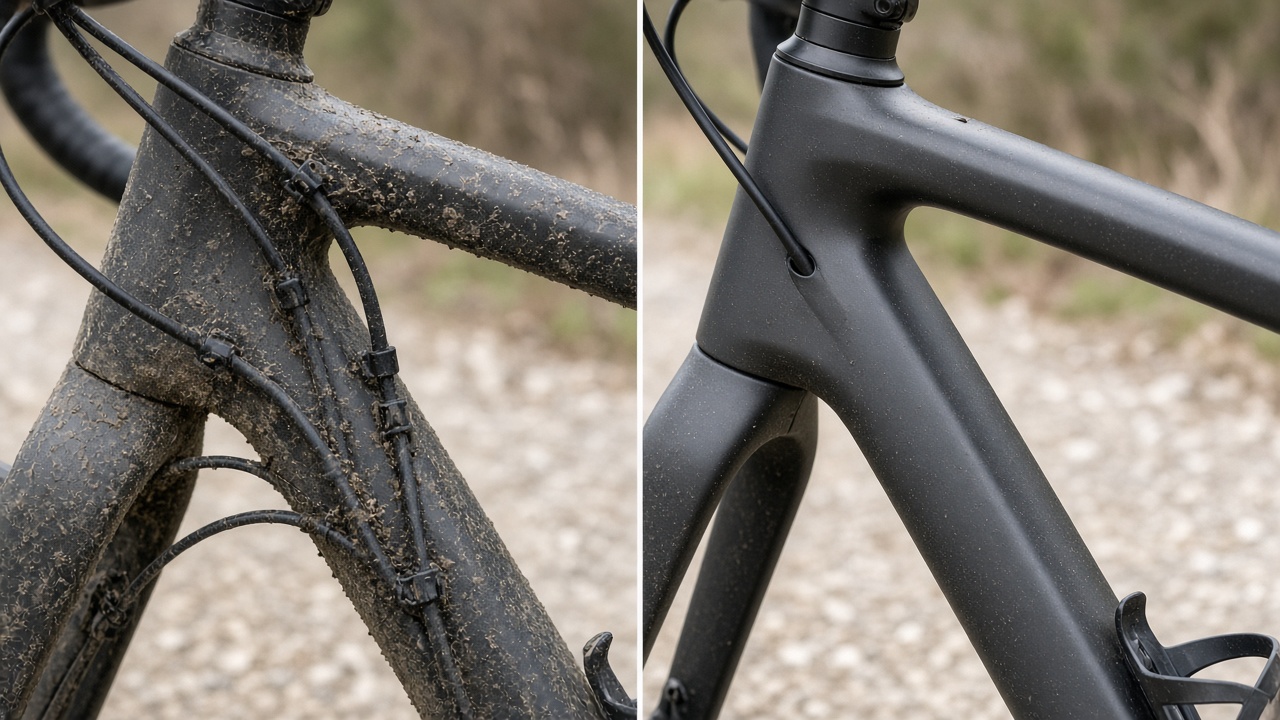
After the first long ride in the rain, your friend comes home with barely any mud on the frame because the lines run inside it.
Sand and grass seeds cling to your external cable guides.
Then he tells you that replacing a shift cable kept him busy until ten that night.
The real question goes beyond whether internal routing looks good:
Does internal cable routing on a gravel bike keep dirt out, or does it hide problems inside the frame and move the repair to the workshop?
Road riders like to talk about watts.
On a gravel bike, three things come first:
- where mud and water get in and how they get back out
- whether you can still do something trailside if a cable snaps or a line binds
- whether tight bends make shifting feel soft and imprecise
The tests and manufacturer statements below can all be checked.
2. Three types of routing and how they differ
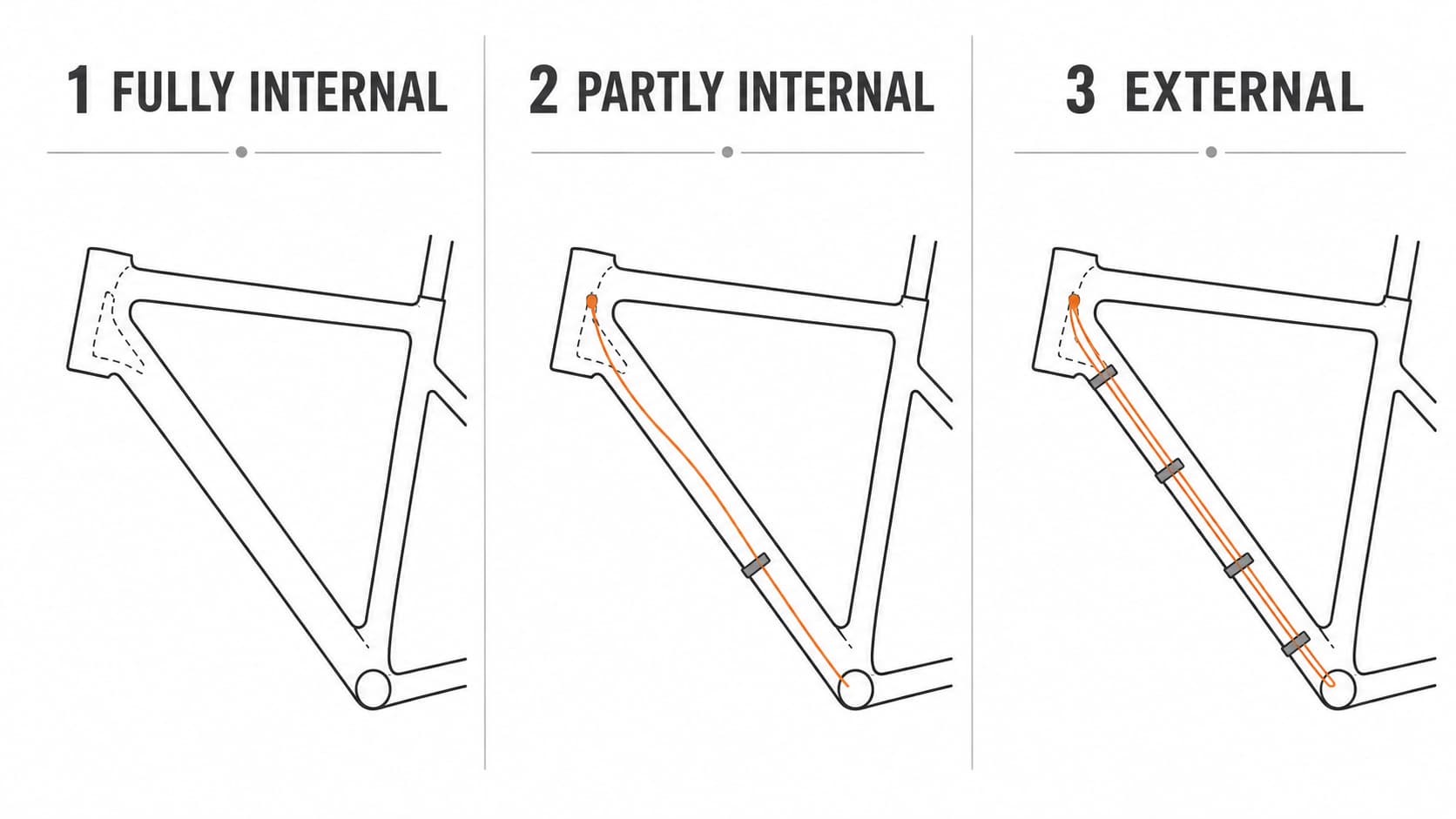
Before asking whether it's worth it, separate the three options. On gravel bikes they're often lumped together, but the differences matter.
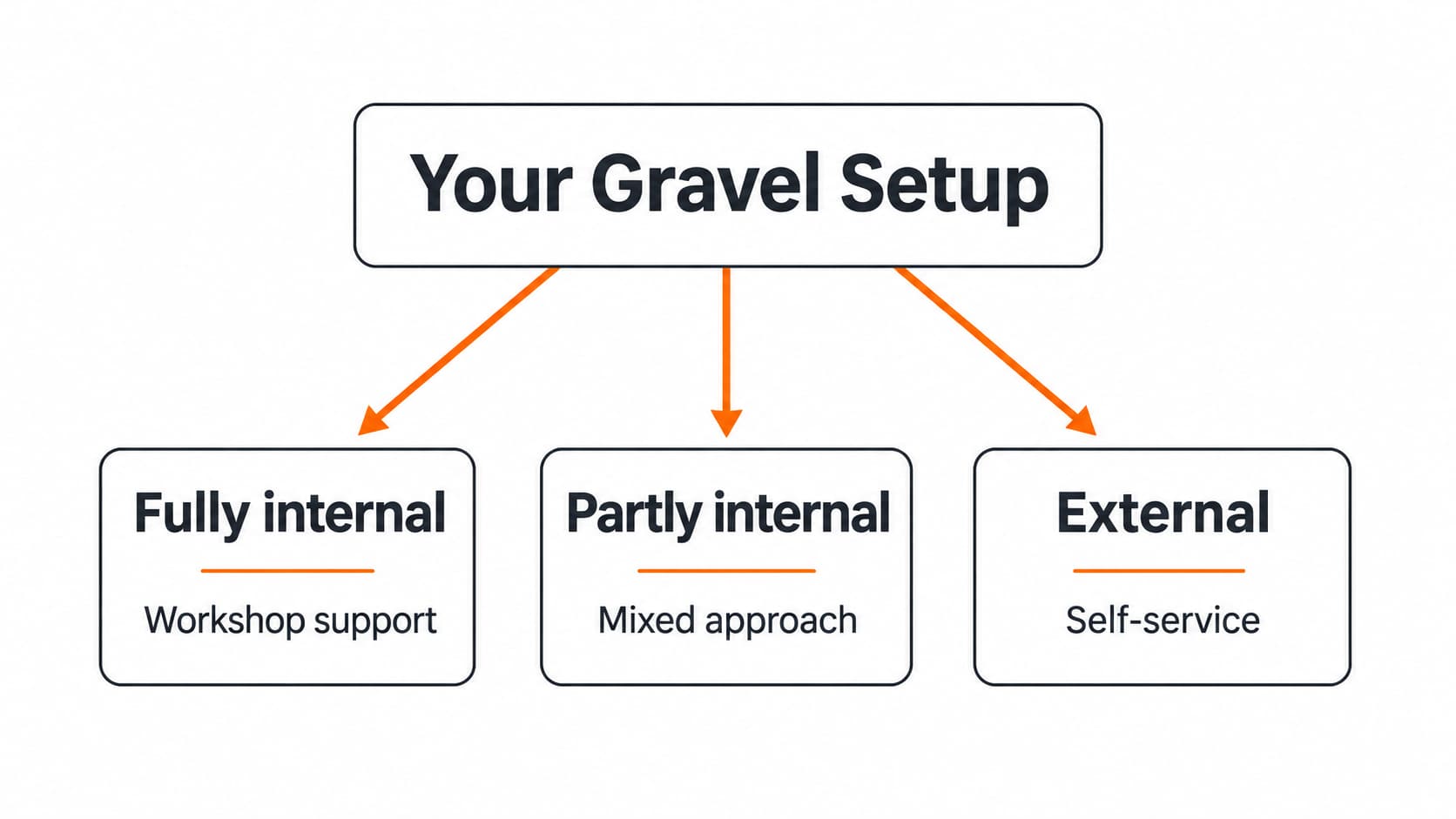
Fully internal
- cables and hydraulic hoses enter the frame through the head tube or stem
- hardly any cables are visible outside
- often paired with an integrated handlebar and a dedicated head tube design
Partly internal
- typically the brake hoses run inside, while mechanical shift cables are partly hidden or still visible
- looks internal, with service work somewhere between the two
- easy for a home mechanic to mistake for fully internal routing
External
- lines run along the frame, secured by clips or using full-length housing
- visible and easy to reach
- muddy rides also leave the dirt visible
Many frames are advertised as having “internal routing,” but the spec sheet says partly internal.
Before buying or building, ask one clear question:
Mechanical shifting, hydraulic brakes, Di2: where does each line go in, and where does it come out?
3. The aero gains are measurable, but speed matters
Internal routing is often described as aero. The measurements exist, but road-racing speeds aren't the same as cruising speeds on gravel.
A measurable ballpark
(Specialized Win Tunnel measurements, as discussed in an interview with road.cc)
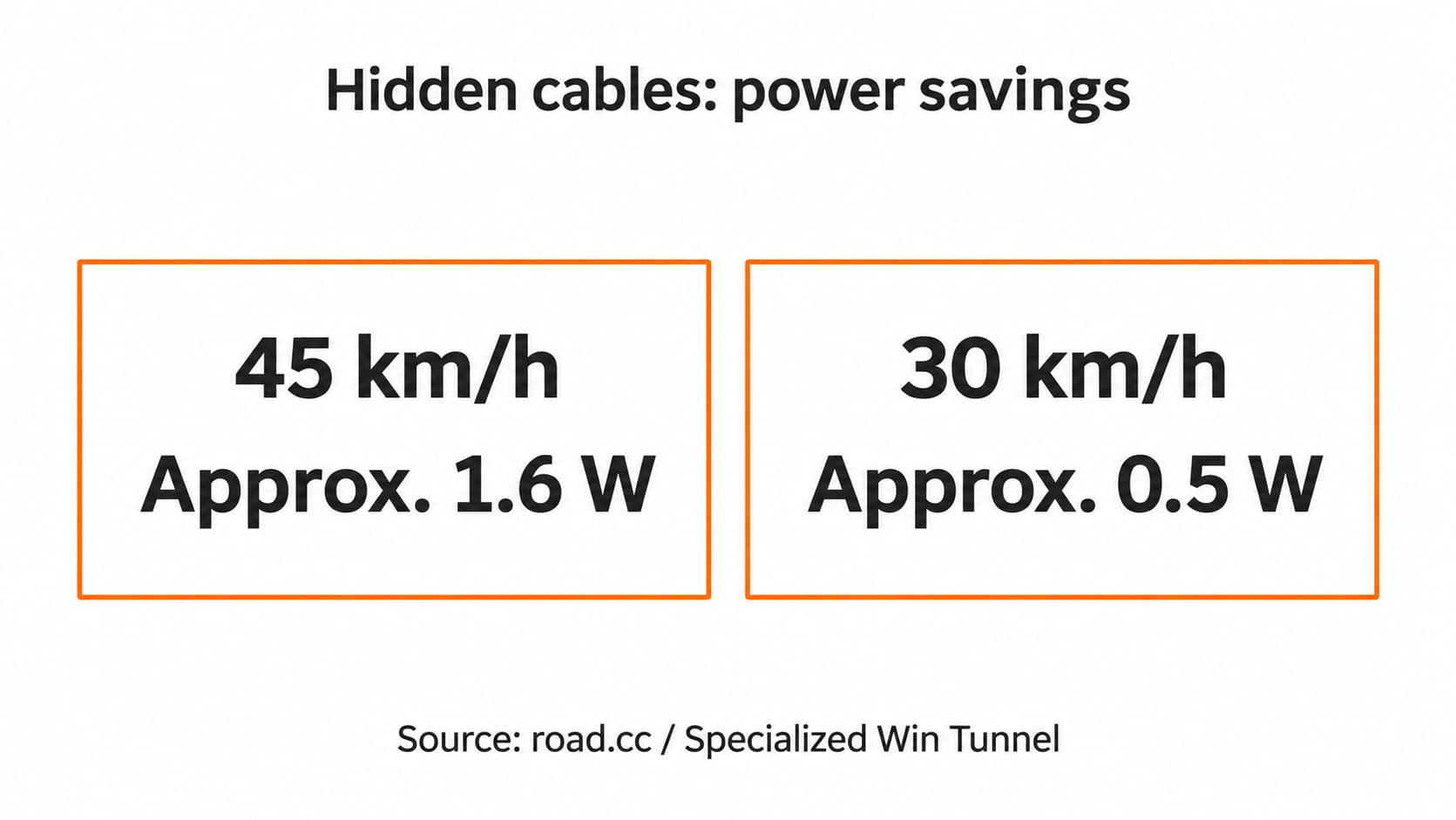
- about 130 mm of exposed brake housing at 45 km/h ≈ 0.4 W
- roughly four exposed lines at the front ≈ 1.6 W in total
- at 30 km/h, the same setup is in the region of 0.5 W
- their measurements generally showed savings of no more than about 2 W
Source: road.cc – Has full internal cable routing been worth it?
What that means on gravel
- recreational gravel speeds are often lower still, which further reduces the aero benefit of hiding the lines
- the losses from wide tires and mud generally outweigh the drag from those lines
- aerodynamics alone makes a weak case for fully internal routing on most home builds and touring setups
Internal routing can make you a little faster. On gravel, it's rarely where you should look for your first two watts.
4. Mud and cleaning: the outside gets cleaner, but water can still get in
With external routing, you can see the dirt. With internal routing, everything looks clean. The risk moves to different places.
What internal routing helps with in mud
- fewer clips and dirt traps on the outside, so washing is quicker
- fewer exposed brake hoses to catch mud or brush
- Cycling Weekly also notes that concealed routing makes cleaning easier and leaves fewer brake hoses exposed to dirt
Source: Cycling Weekly – gravel tech / concealed cockpits
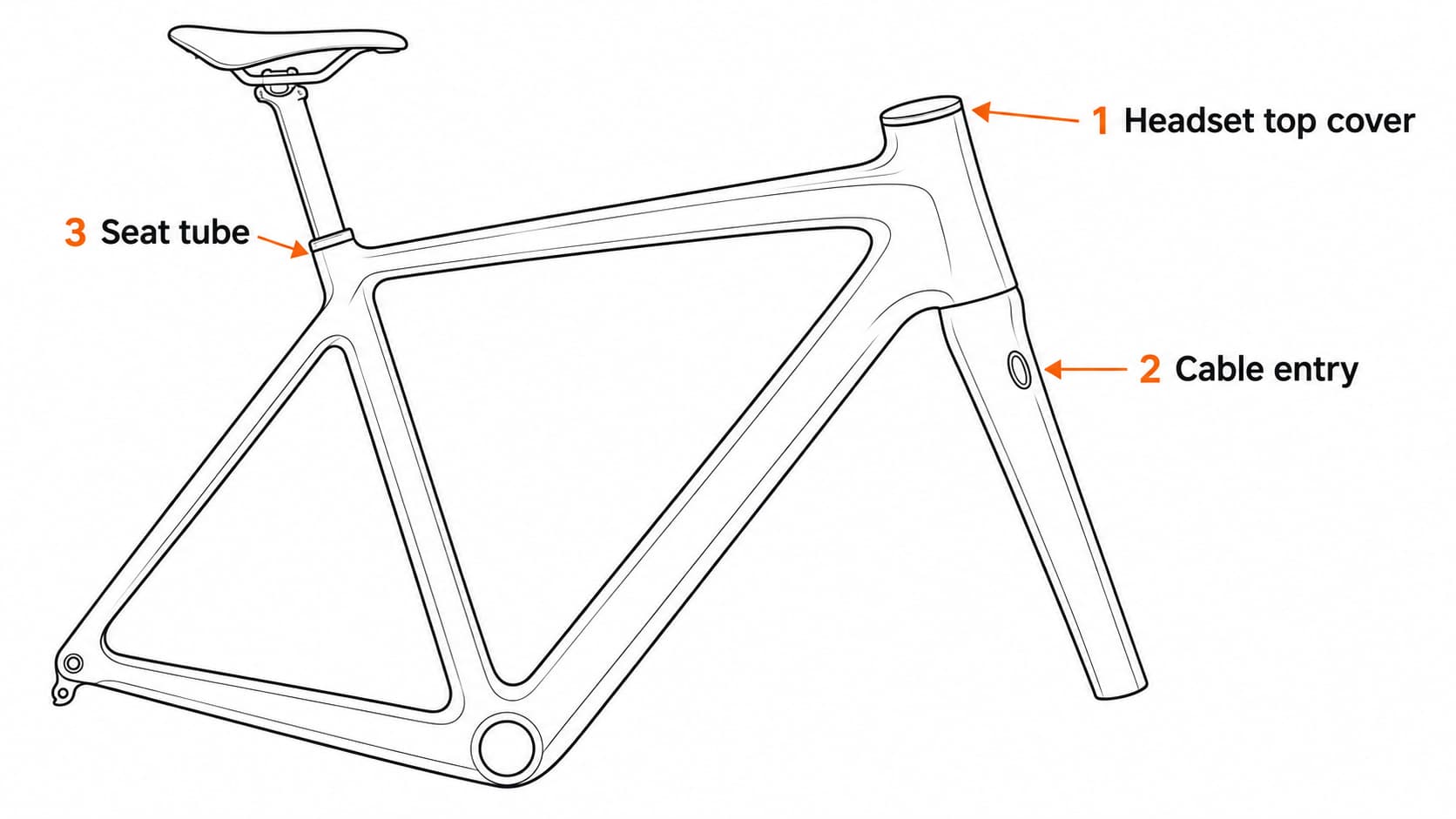
Internal routing can still get wet
- water can still enter through the headset top cover, cable entry points or seat tube
- poor seals can lead to trapped water, noise and corrosion at connections, especially with road salt
- the checks shift from external clips to plugs, drainage and rattles
Internal routing reduces visible dirt. With poor seals, water can collect out of sight inside the frame.
5. Shift feel and friction: the hidden costs of internal routing
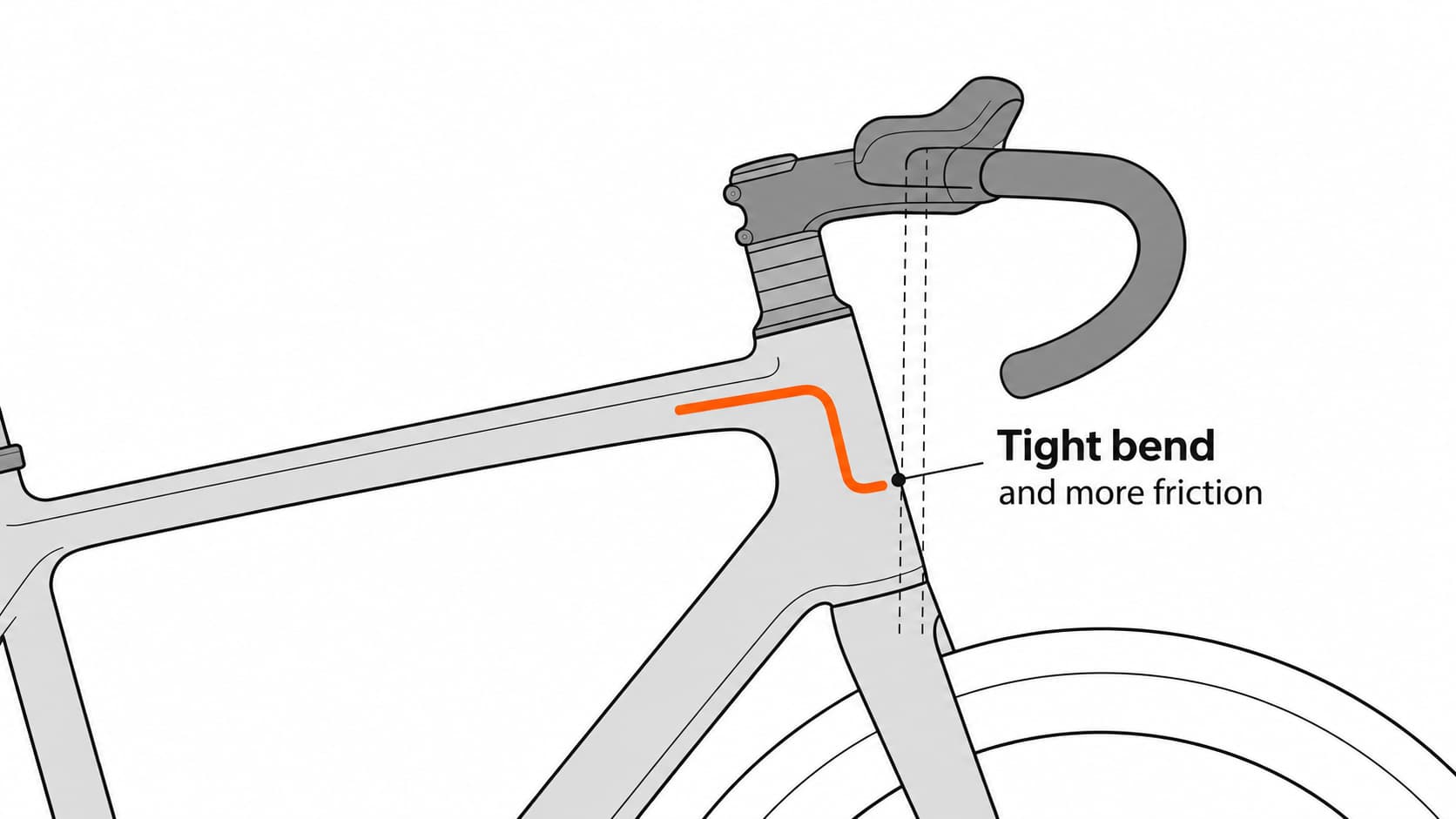
Clean lines don't guarantee crisp shifts. Tight bends can make the shift feel vague.
Common drawbacks
- tight right-angle bends, especially where an integrated handlebar feeds into the head tube, increase friction and slow shifts
Source: Cycling Weekly – integrated cockpits on gravel - guides, sharp edges and multiple points of contact add up to more friction
Background: Cal Poly – Cable Drag Test System (for Specialized) - lines can rattle inside the tube, particularly on gravel, unless held with foam or a guide
- in a ride test of the Grevil F, fully internal routing accounted for much of the claimed aero improvement. The mechanical cable housing wore inside the head tube, and replacing it took more work
Source: Bicycling – Pinarello Grevil F
Good and poor internal routing
- good: controlled bends, a secured route and replaceable housing
- poor: looks clean, but shifting feels sluggish and there is a lot of lever travel before the cable engages
Poor internal routing can be more frustrating on a gravel bike than a tidy external setup.
6. What happens when something breaks on a bikepacking trip
Having a bike shop near the route is a different situation from being alone in the woods.
The difference becomes clear when something fails
- a snapped cable, a binding line or a hydraulic leak
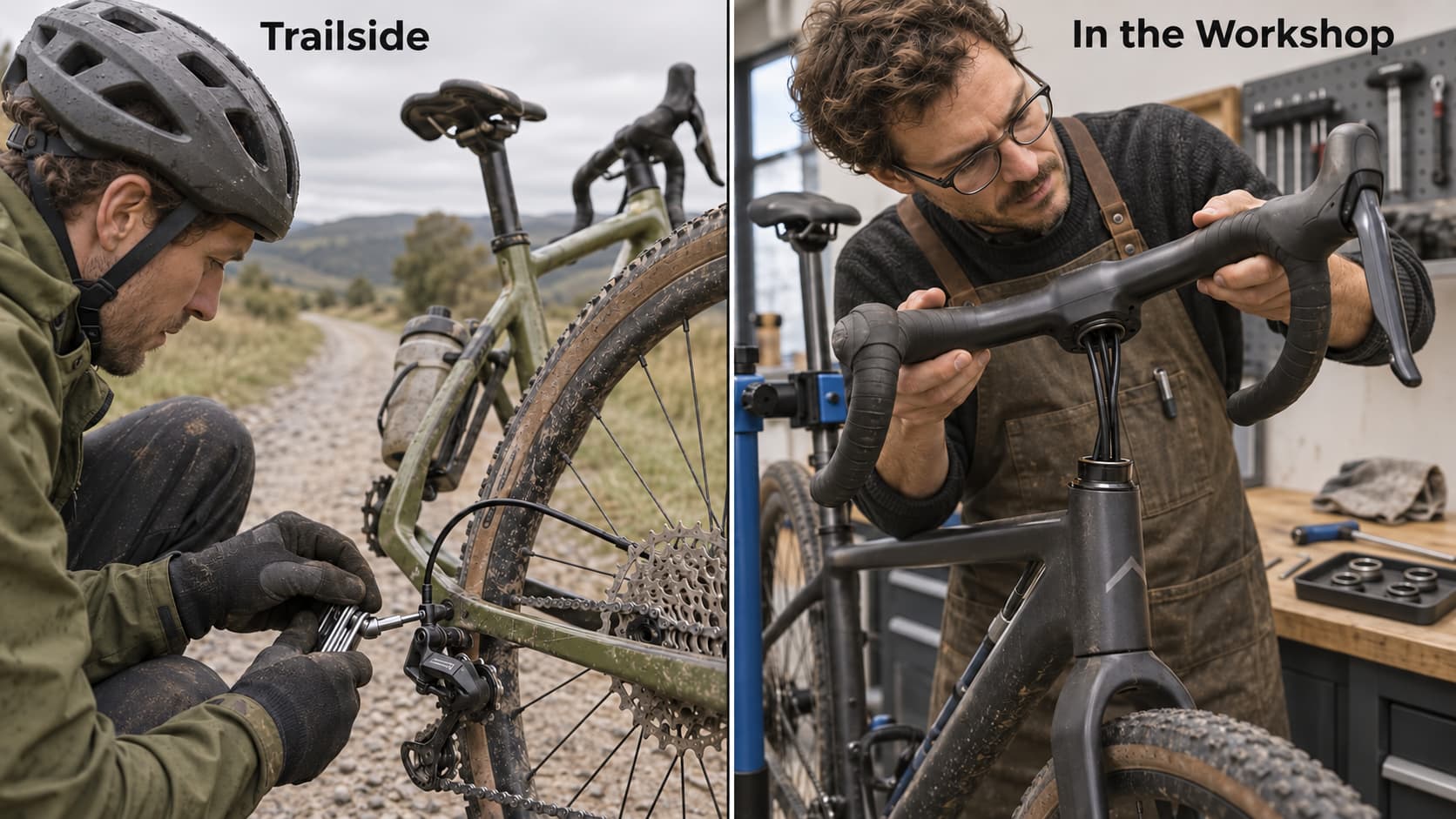
- external: you can see the route and can often deal with the problem trailside if you have the right tools
- fully internal with an integrated handlebar: you often need to unwrap the bar tape, remove plugs and sometimes disconnect a hose. That's usually workshop work
What bike fitters and publications say
- BikeRadar's bike fitters point out that changing the stem or spacers often means disconnecting lines and hoses first, adding labor
Source: BikeRadar – integrated cable routing - Cycling Weekly notes that bleeding brakes and feeding lines through the frame require tools and practice, so many riders are better served by a workshop
Source: Cycling Weekly – integrated cockpits on gravel
How to choose
- for self-supported trips of several days, especially if you do your own repairs, external or partly internal routing is easier to live with
- for racing, if you have a reliable workshop, the extra work of fully internal routing may be manageable
The way your cables are routed helps determine whether you can make a repair on the trail or have to wait until you get home.
7. Electronics and water resistance: what Shimano says
“Waterproof” sounds reassuring. Start with Shimano's own guidance.
Shimano GRX Di2 General Guide
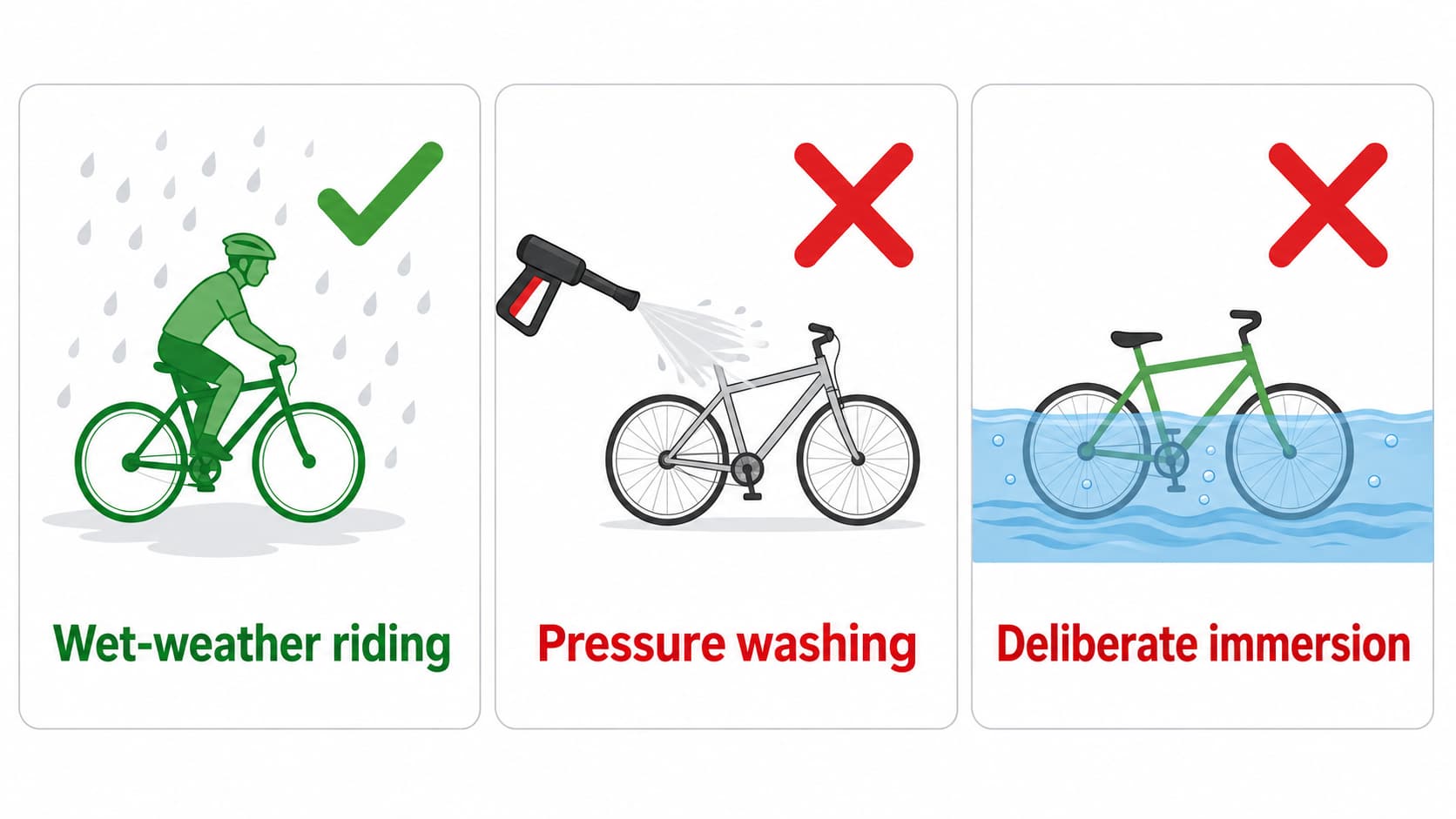
- the connectors are waterproof and designed for wet-weather riding
- do not deliberately immerse them
- do not use a pressure washer because water entering components can cause problems or rust
- secure the EW-SD300-I internal wires with holders so they don't move inside the frame
- close unused E-TUBE ports with dummy plugs
Source: Shimano DM-GAGN001 – Gravel Di2 General Guide (PDF)
What that means for a home build
- waterproof does not mean suitable for pressure washing or immersion
- internal Di2 wiring still needs attention to water paths, securing the wires and keeping ports clean
- the guide gives no IPX rating to cite, so there is no basis for assigning one
Internal Di2 wiring does away with mechanical shift cable replacements. It still needs inspection and care.
8. Choose routing for the way you ride
Use these three sets of considerations when deciding.
Fully internal may suit you if
- you race gravel or often ride fast paved sections between gravel stretches
- you value a clean look and have a dependable workshop
- you accept extra time for a stem or cable change
External or partly internal may suit you if
- you bikepack for several days without support and do your own repairs
- you ride through lots of mud and road salt
- you're building your first carbon gravel bike and are still learning how to service it
Before your first fully internal build with an integrated handlebar
- is there an official routing guide or video?
- does the spec identify the ports for mechanical shifting, hydraulics and Di2?
- missing documentation counts against the setup. You can still buy it, but you'll be the one figuring out the routing
Fully internal routing trades some repairability for a cleaner look and a small aero gain.
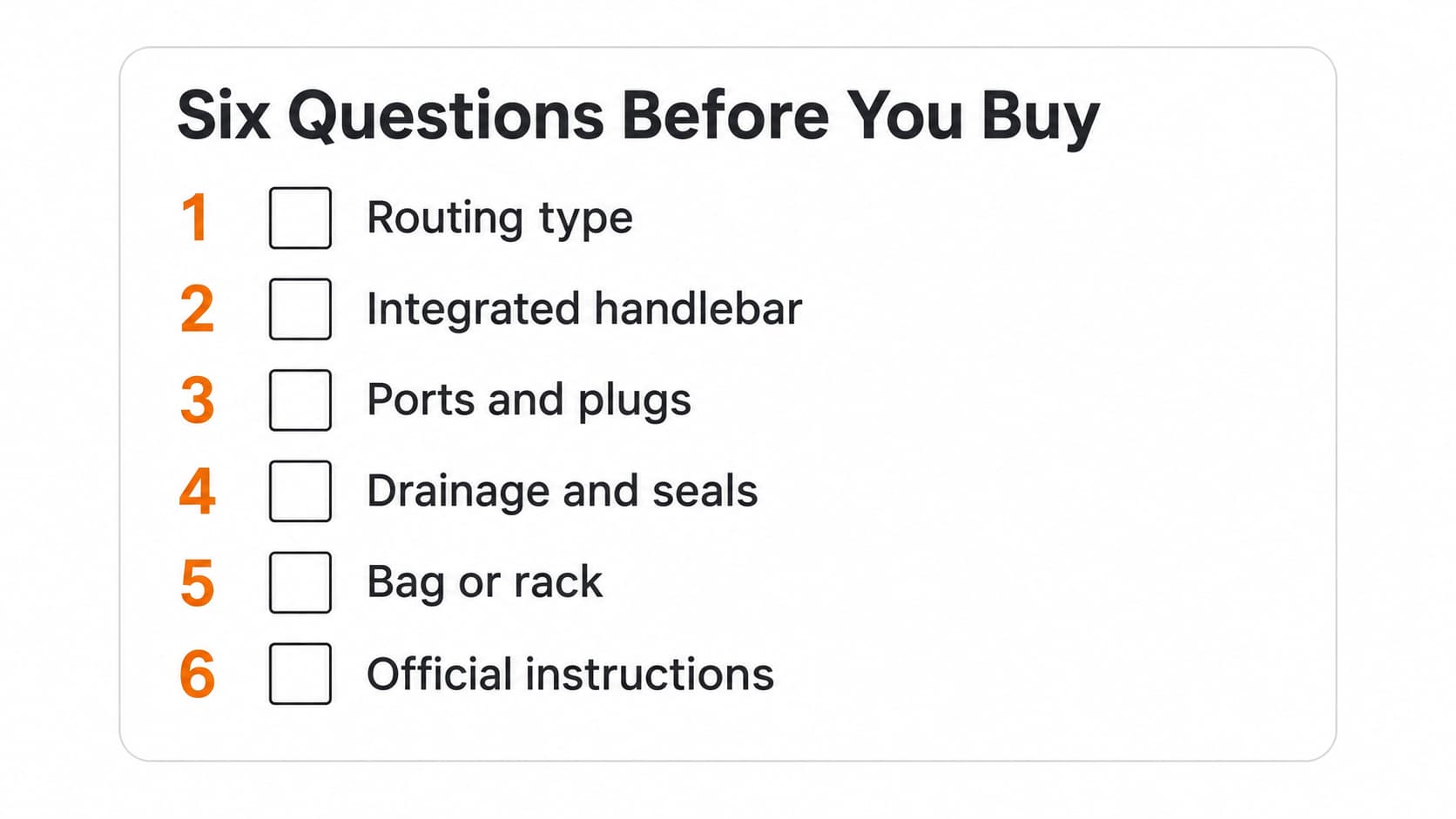
9. Six questions before buying a frame or starting a build
Go through these six points before ordering, or check them against the spec sheet.
- Routing type: fully internal, partly internal or external? Does the spec list mechanical shifting, hydraulics and Di2 separately?
- Is an integrated handlebar required? Can you use a standard stem? What will a handlebar swap cost?
- Ports and fittings: what size are the openings, and are plugs included as standard?
- Drainage and seals: are there drain holes? How well are the covers and ports sealed?
- Accessory interference: will a down tube bag or rack block access to any ports or clips?
- Documentation: is there an official routing guide or video? If there isn't, allow for a more complicated build.
For a carbon gravel frame, check how clearly the spec sheet describes the routing. That matters more than how well the cables are hidden. Browse the Mondince carbon gravel frames and compare each model page against the checklist above.
10. In brief
- On a gravel bike, internal routing mainly keeps dirt off exposed lines and gives a clean look. Aero gains at typical riding speeds are secondary, as the Win Tunnel figures in Section 3 illustrate.
- The real costs are friction and how easy the bike is to repair (Sections 5–6).
- Choose a routing setup based on how you'll maintain it, rather than on a trend.
Next step
Send these four details so we can check your setup against the list:
Gravel model + groupset (mechanical/electronic) + integrated handlebar (yes/no) + frequent self-supported multi-day bikepacking (yes/no)