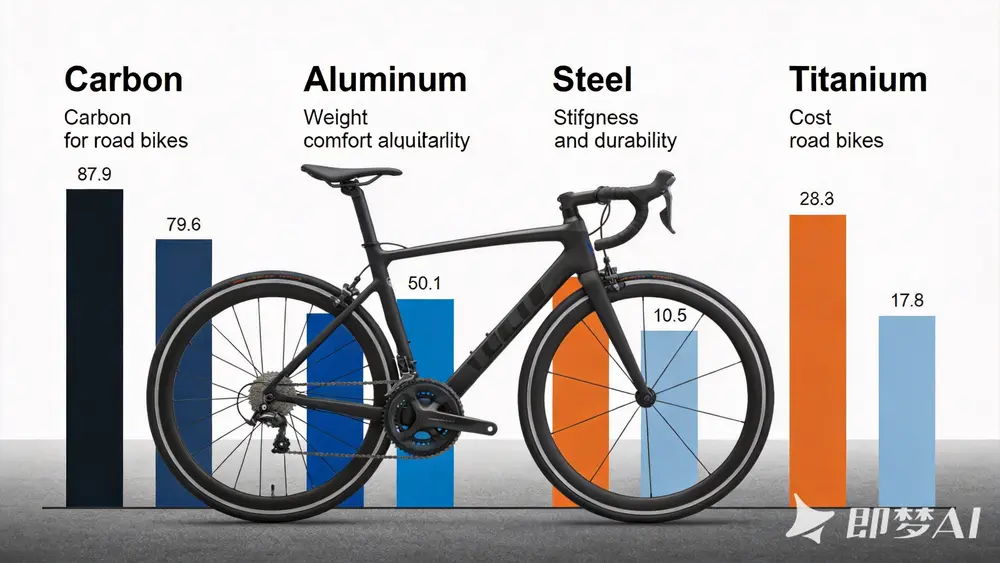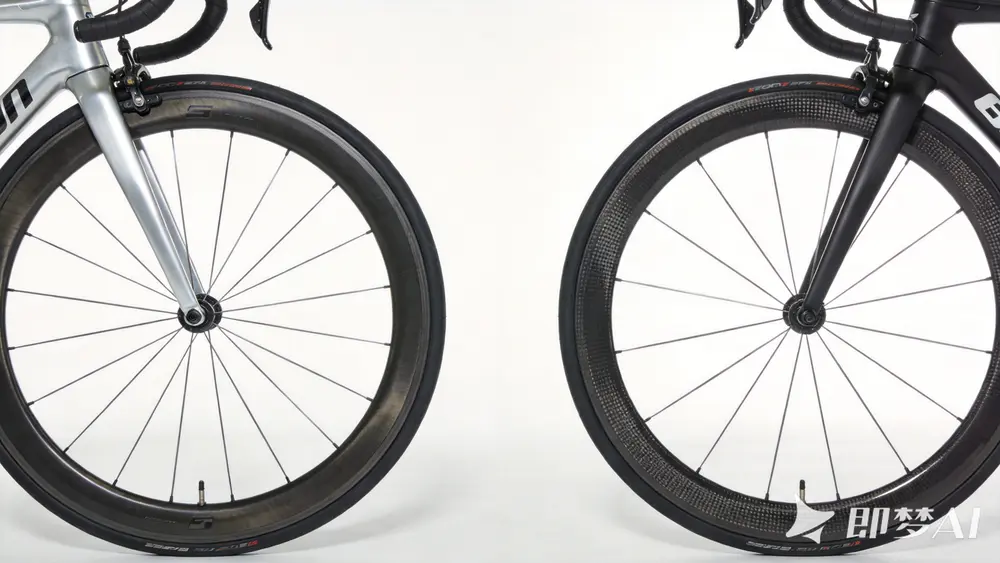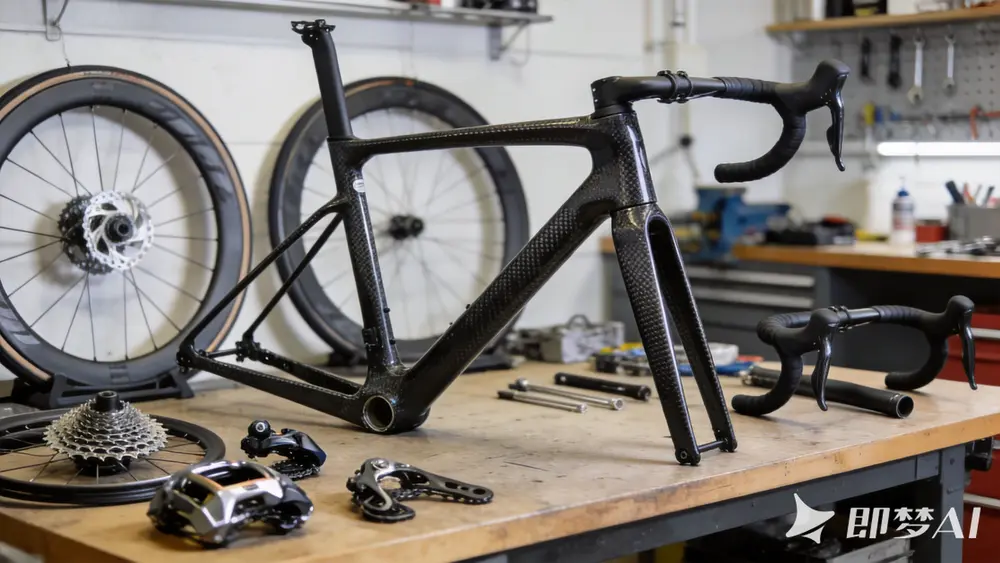

A full carbon road bike can range from entry-level performance builds to premium race machines. To understand the price, you need to separate the cost of the carbon frame, fork, wheels, groupset, cockpit, finishing kit, paint, brand markup, and after-sales support.
Many riders search for full carbon road bike prices because they want to know whether carbon is worth the extra cost. The answer depends on what you expect from the bike. A carbon road bike can be lighter, faster, more comfortable, and more efficient than many aluminum or steel bikes, but price can vary a lot depending on the frame and component choices.
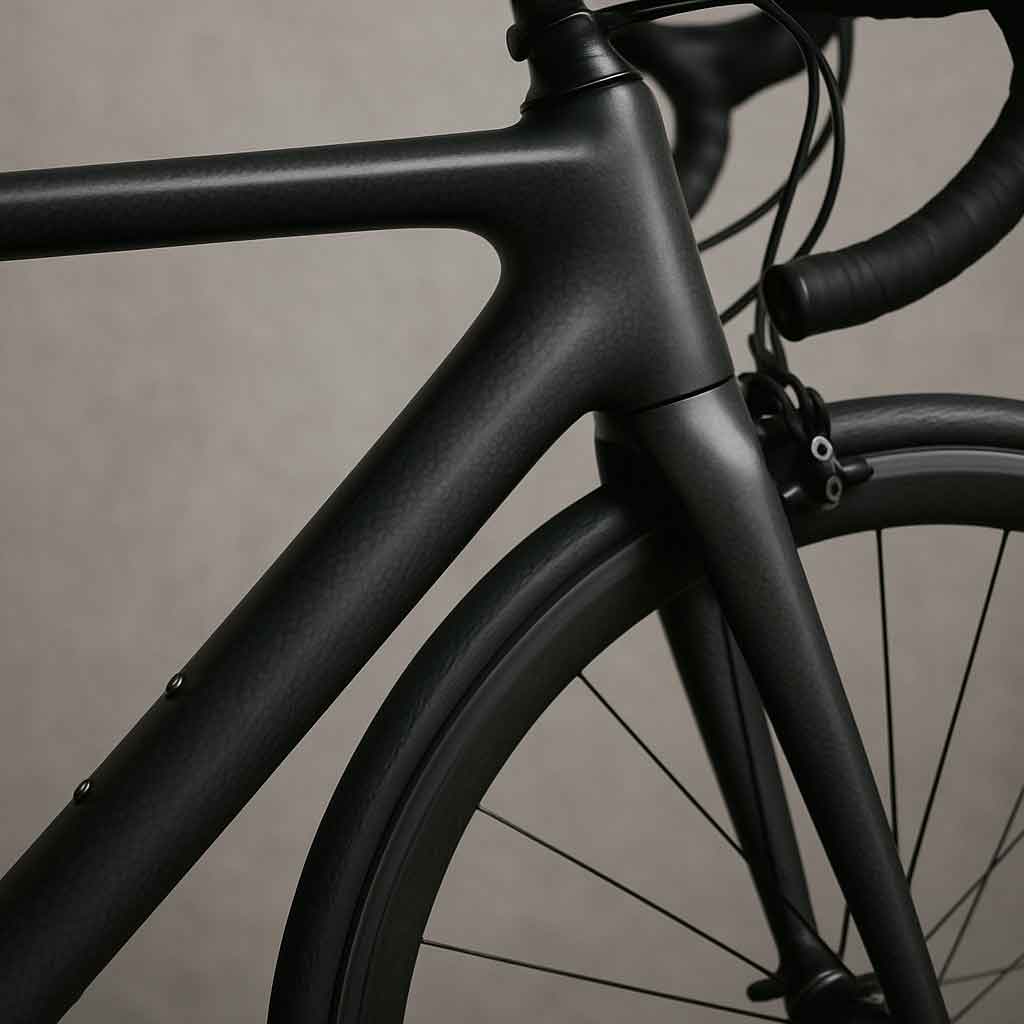
What Is a Full Carbon Road Bike?
A full carbon road bike usually means the frame and fork are made from carbon fiber. Some builds may also include carbon wheels, carbon seatpost, carbon handlebar, or integrated carbon cockpit, but these parts are not always included in the base price.
This is why two full carbon road bikes can have very different prices. One bike may use an entry-level carbon frame with basic mechanical components, while another may use a lightweight aero frame, carbon wheels, electronic shifting, and premium finishing parts.
For material background, read our carbon fiber bike frame guide and carbon fiber bike frame benefits guide.
Main Factors That Affect Full Carbon Road Bike Price
| Price Factor | How It Affects Cost | What to Check |
|---|---|---|
| Carbon Frame | Higher-grade carbon, advanced layup, lighter weight, and aero design increase cost | Frame weight, carbon grade, geometry, tire clearance, and testing |
| Fork | A matched carbon fork adds performance and safety value | Steerer, axle, brake mount, tire clearance, and fork weight |
| Groupset | Electronic and higher-level mechanical groupsets raise the total price | Shifting type, brake system, speed, and crank compatibility |
| Wheels | Carbon wheels can significantly increase the complete bike price | Rim depth, hub quality, weight, and tire compatibility |
| Brand Markup | Big-brand distribution and marketing can raise retail price | Compare frame specs, warranty, and after-sales support |
| Customization | Custom paint, decals, geometry, or OEM work can add cost | Paint complexity, logo work, MOQ, and production lead time |
Carbon Grade and Frame Cost
Carbon grade is one factor behind the price of a carbon road bike frame. Higher-grade fibers such as T800, T1000, or T1100 can help reduce weight or increase stiffness, but the final frame quality depends on more than the material name.
Layup design, resin system, mold precision, curing control, bonding quality, and testing all affect performance and durability. For a deeper explanation, read our T800 vs T1000 carbon fiber bike frame guide.
Manufacturing Process
Carbon frame manufacturing is labor-intensive. Prepreg carbon sheets must be cut, placed according to the layup schedule, molded, cured, finished, painted, inspected, and tested. More complex frame shapes, internal cable routing, aero tube profiles, and lower target weights can increase production cost.
A high-quality carbon frame is not only about being light. It should also have accurate alignment, strong bonding, clean finish, consistent wall thickness, and reliable safety testing.
Brand Price vs Factory-Direct Value
Some full carbon road bikes are expensive because of brand positioning, marketing, distribution, retail margin, and complete bike packaging. This does not mean expensive bikes are bad, but it does mean buyers should compare specifications carefully.
Factory-direct carbon frames can offer strong value when the manufacturer provides clear geometry, reliable testing, customization options, and support. Mondince focuses on carbon frame manufacturing and OEM frame projects, giving riders and brands more direct access to frame options.
Typical Full Carbon Road Bike Price Ranges
| Price Range | Typical Setup | Best For |
|---|---|---|
| Entry-Level Carbon | Carbon frame and fork, basic mechanical groupset, alloy wheels | First carbon road bike, training, recreational riding |
| Mid-Range Carbon | Better carbon frame, disc brakes, upgraded wheels or groupset | Performance riders and serious weekend cyclists |
| High-End Carbon | Lightweight or aero frame, carbon wheels, premium groupset, integrated cockpit | Racing, premium builds, and riders seeking maximum performance |
Frame Price vs Complete Bike Price
If you are price-sensitive, it is useful to separate the frame price from the complete bike price. A good carbon frame can be a long-term platform. You can start with practical components and upgrade wheels, tires, cockpit, and drivetrain later.
This approach is especially useful for riders who want better value or specific parts. It is also useful for bike shops and custom builders who prefer to control each component choice.
What to Check Before Buying
- Frame geometry: Compare stack, reach, wheelbase, head tube angle, and size chart.
- Frame weight: Check the size and whether the number includes paint or hardware.
- Tire clearance: Modern road frames should support practical tire widths for comfort.
- Bottom bracket: Common serviceable standards such as BSA or T47 are easier to maintain.
- Brake standard: Flat-mount disc brakes are common on modern road frames.
- Axle standard: 12mm thru-axle improves modern wheel compatibility.
- Cable routing: Fully internal routing looks clean but may need more careful assembly.
- Testing: Ask about fatigue, impact, strength, and quality control standards.
- Warranty: Understand what is covered and what evidence is needed for support.
If you need help with sizing, use the bike frame size calculator before comparing specific road frame models.
Mondince Carbon Road Frame Option
The Mondince FM126 carbon road frame is designed as a lightweight carbon road platform for riders and OEM customers who want modern road bike standards, carbon performance, and factory-direct frame support.
You can also compare all current models in the Mondince carbon road bike frame collection.
Customization and OEM Pricing
Custom paint, brand decals, geometry discussion, and OEM production can change the final price. For individual riders, custom paint adds personality. For brands and distributors, OEM customization helps create a more distinct product line.
Mondince supports OEM carbon frame customization, including custom paint, decals, frame model selection, and production planning. You can also learn more from the OEM service page.
How to Get Better Value
| Strategy | Why It Helps |
|---|---|
| Buy the right frame first | The frame decides fit, geometry, tire clearance, and upgrade potential |
| Upgrade wheels later | Wheels strongly affect ride feel and speed, but can be changed anytime |
| Avoid paying only for brand name | Compare geometry, testing, standards, and support instead of logo alone |
| Choose serviceable standards | Common parts reduce long-term maintenance and replacement cost |
| Confirm warranty before buying | Good support reduces risk if defects or shipping issues appear |
Conclusion
The price of a full carbon road bike depends on the frame, fork, groupset, wheels, cockpit, brand markup, paint, testing, and support. A higher price does not always mean better value, and a lower price should still be checked carefully for geometry, quality, and warranty.
If you want a strong value road build, start with a reliable carbon frame and choose components based on your riding needs. Browse Mondince carbon road bike frames, compare the FM126 carbon road frame, or contact Mondince for frame and OEM pricing support.