

Why Consider Chinese Carbon Bike Frames?
Chinese carbon bike frames can be attractive for riders and businesses because they often provide a better balance of price, performance, and customization. For individual riders, this can mean access to a lightweight carbon frame at a more reasonable cost. For brands and distributors, it can mean OEM production, custom paint, private labeling, and flexible model selection.
The most important point is to choose a manufacturer carefully. Low price alone is not enough. A reliable supplier should be able to explain frame materials, production process, testing standards, geometry, warranty, and support.
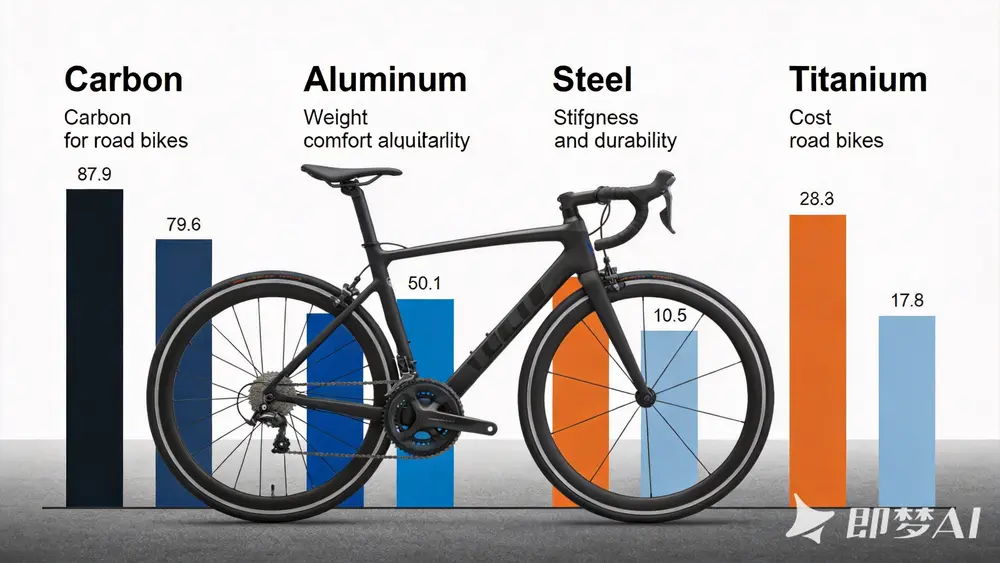
Types of Chinese Bike Frames
Chinese Carbon Bike Frames
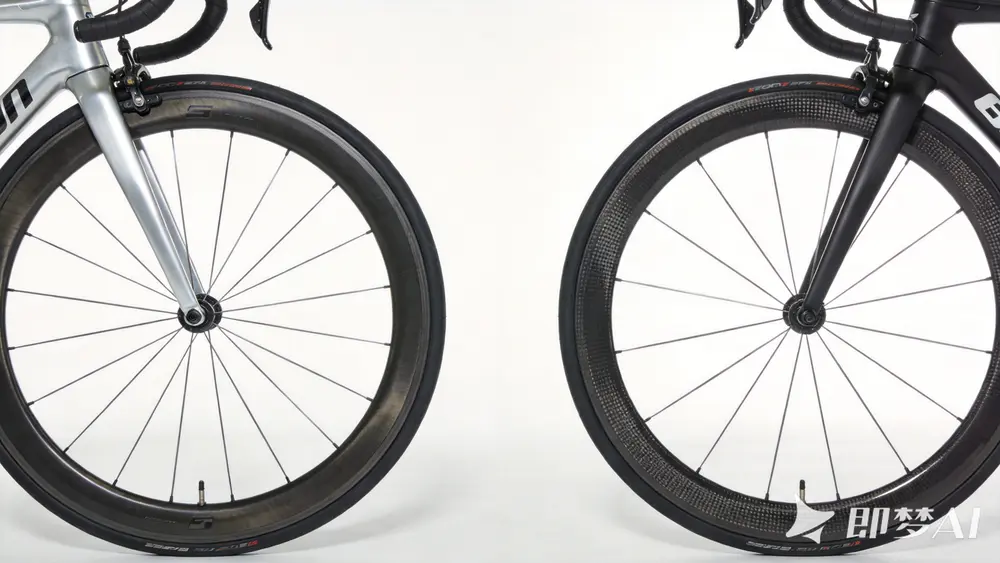
Carbon frames are the most common choice for performance road, gravel, MTB, and e-bike projects. Carbon fiber allows lighter weight, aerodynamic tube shaping, tuned stiffness, and custom layup design for different riding styles.
For buyers, the key is not only whether the frame is carbon, but how it is made. Carbon grade, resin system, layup structure, molding control, bonding quality, and testing all affect the final frame quality. For material background, read our carbon fiber bike frame guide.
Chinese Aluminum Bike Frames
Aluminum frames are usually more affordable and practical for entry-level bikes, commuting, and some MTB builds. They can be durable and cost-effective, but they do not offer the same level of weight reduction, tube shaping, and layup tuning as carbon fiber.
Chinese Steel Bike Frames
Steel frames are valued for comfort, durability, and classic ride feel. They are less common for high-volume modern performance projects, but they can still be useful for touring, city bikes, and certain custom builds.
How to Choose a Chinese Carbon Frame Manufacturer
Choosing a supplier is not only about unit price. A good Chinese carbon frame manufacturer should have clear product specifications, stable production capability, quality inspection steps, and communication support before and after purchase.
| Check Point | What to Ask | Why It Matters |
|---|---|---|
| Frame material | What carbon grade and layup direction are used? | Material choice affects weight, stiffness, strength, and ride feel. |
| Testing standards | Can the supplier provide fatigue, impact, or EN/ISO testing information? | Testing helps confirm safety and consistency before selling or riding. |
| Geometry | Is a geometry chart available for every size? | Geometry affects fit, handling, comfort, and target rider type. |
| Production process | How are molding, bonding, drilling, painting, and inspection controlled? | Process control reduces defects and improves batch consistency. |
| Warranty and support | What is covered, and how are replacement or repair cases handled? | Clear support is important for individual buyers and OEM partners. |
Important Frame Categories to Compare
Before choosing a supplier, decide which type of frame best matches your riding style or business plan. A manufacturer may offer many frame categories, but each category has different geometry, tire clearance, component standards, and customer expectations.
- Road frame options for lightweight, aero, and endurance road builds.
- Gravel frame options for mixed terrain, wider tires, bikepacking, and all-road riding.
- MTB frame options for trail, cross-country, suspension, and off-road riding.
- E-bike frame options for integrated motor and battery systems.
Carbon Frame Quality: What Matters Most?
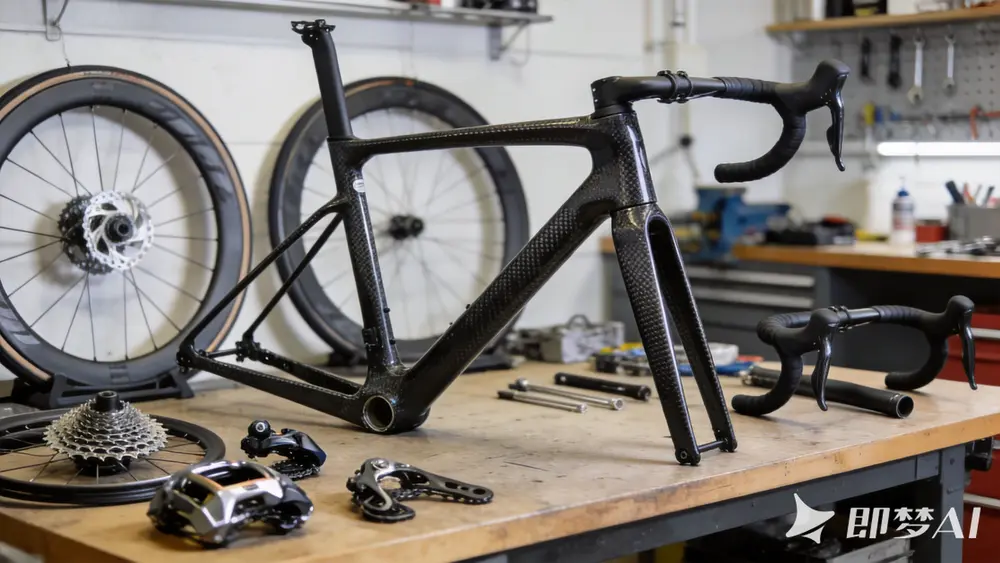
Carbon frame quality depends on more than carbon grade. Good frames require accurate molds, stable layup, proper curing, clean bonding, correct alignment, controlled drilling, and careful final inspection.
For more detail, read our T800 vs T1000 carbon fiber bike frame guide and Toray carbon gravel frame material guide.
OEM Customization Options
For brands, distributors, and shop projects, OEM customization can include paint design, logo application, geometry discussion, model selection, sample orders, and bulk production planning.
Common customization questions include:
- Can the frame be painted in custom colors?
- Can the supplier apply a private-label logo?
- Is sample ordering available before bulk production?
- Can the supplier support packaging, documentation, and product photos?
- Are geometry, component standards, and tire clearance clearly documented?
Chinese Carbon Frame Buying Checklist
| Before You Order | Action |
|---|---|
| Confirm frame category | Choose road, gravel, MTB, or e-bike based on riding style and target market. |
| Check geometry chart | Compare stack, reach, top tube, head tube, wheelbase, and tire clearance. |
| Confirm component standards | Check bottom bracket, headset, axle, seatpost, brake mount, and routing system. |
| Ask about testing | Review available EN, ISO, fatigue, impact, or internal QC information. |
| Review paint details | Confirm paint color, logo file, finish type, lead time, and packaging. |
Why Mondince Cycle?
Mondince Cycle has manufactured carbon bike frames since 2007 and supports road, gravel, MTB, and e-bike frame projects. We focus on carbon frame development, OEM customization, sample orders, custom paint, and frame platform support for riders, brands, and distributors.
You can review testing information on the certification page or contact Mondince for a frame recommendation.
Conclusion
Chinese carbon bike frames can offer strong value, modern design, and flexible OEM customization. But buyers should not choose only by price. The better approach is to compare material, geometry, frame standards, testing, quality control, warranty, and supplier communication.
If you are looking for a Chinese carbon bike frame manufacturer, start by comparing Mondince carbon bike frames, review the category that matches your riding style, or contact Mondince to discuss custom paint and OEM frame options.