
A bike size calculator is a useful first step when choosing a new bike frame. It helps turn your height, inseam and bike type into a practical frame size recommendation. But a calculator is only as accurate as the measurements you enter, and the final choice still depends on geometry, reach, stack and riding style.
For a quick result, use the Mondince bike frame size calculator. Then use this guide to understand how the result works and what to check before choosing a road, gravel, mountain or hybrid bike frame.
How a Bike Size Calculator Works
Most bike size calculators use your height and inseam to estimate a suitable frame size. More advanced calculators also consider bike type, riding style and geometry differences between road, gravel, MTB and hybrid bikes.
| Input | Why It Matters |
|---|---|
| Height | Gives a general frame size range. |
| Inseam | Helps estimate stand-over height and seat tube size. |
| Bike type | Road, gravel, MTB and hybrid bikes use different fit logic. |
| Riding style | Comfort, racing and bikepacking may require different reach and stack. |
How to Measure Inseam for Bike Size
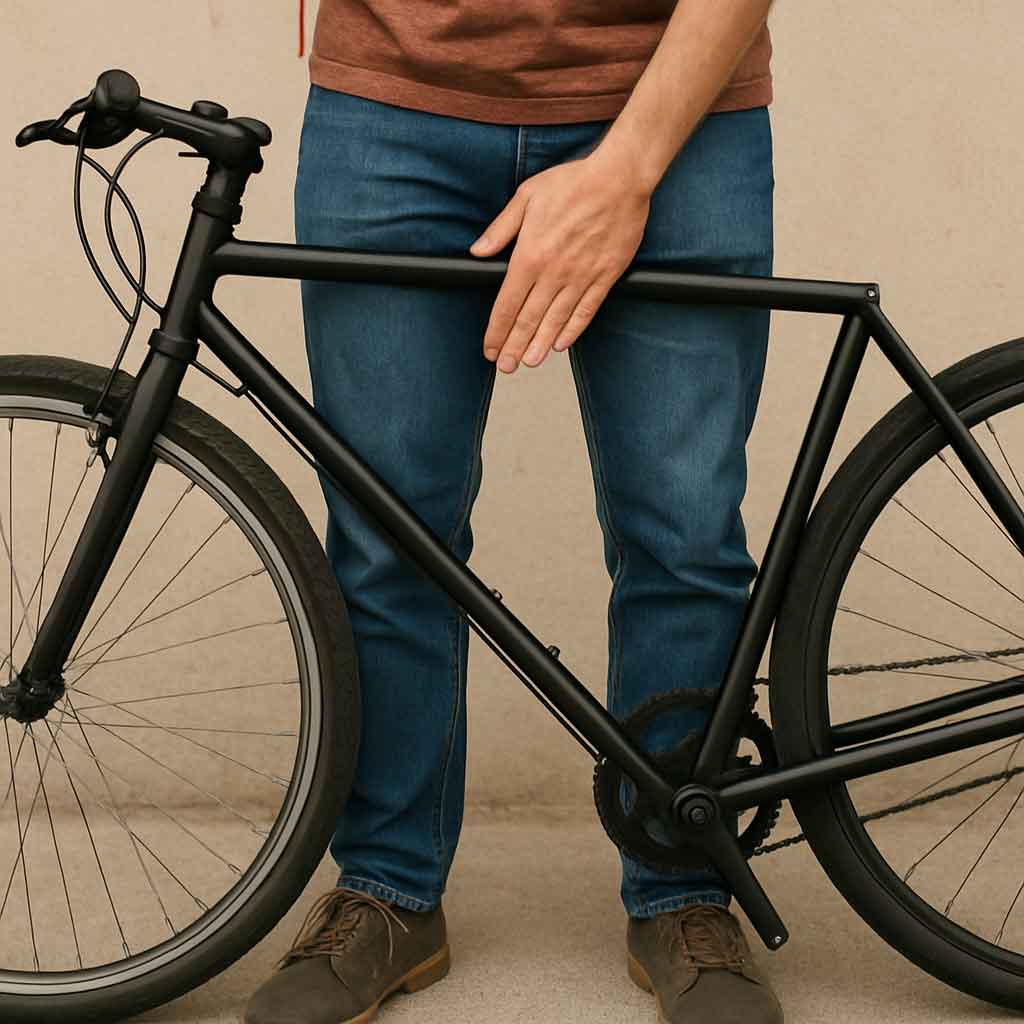
Inseam is the most important body measurement for bike sizing. It is the distance from the floor to your crotch and helps estimate stand-over clearance and frame size.
- Stand barefoot against a wall.
- Keep your feet about 15 cm apart.
- Place a hardcover book between your legs, spine upward.
- Pull the book upward like a saddle.
- Mark the wall at the top of the book.
- Measure from the floor to the mark.
- Repeat twice and use the average.
For a full measuring guide with charts, read how to measure bike frame size.
How to Interpret Calculator Results
A calculator result is a starting point, not a final fit guarantee. After you get a recommended size, check the frame geometry chart and compare these numbers:
- Stand-over height: Make sure you can stand safely over the frame.
- Reach: Controls how stretched you feel toward the handlebar.
- Stack: Controls front-end height and riding posture.
- Seat tube length: Often used in road bike sizing.
- Top tube length: Helps compare cockpit length between frames.
Road, Gravel, MTB and Hybrid Bike Size Differences
| Bike Type | Sizing Style | Fit Priority |
|---|---|---|
| Road bike | Usually measured in centimeters. | Efficient position, reach, stack and road handling. |
| Gravel bike | Often similar to road sizing. | Comfort, stability, tire clearance and long-distance control. |
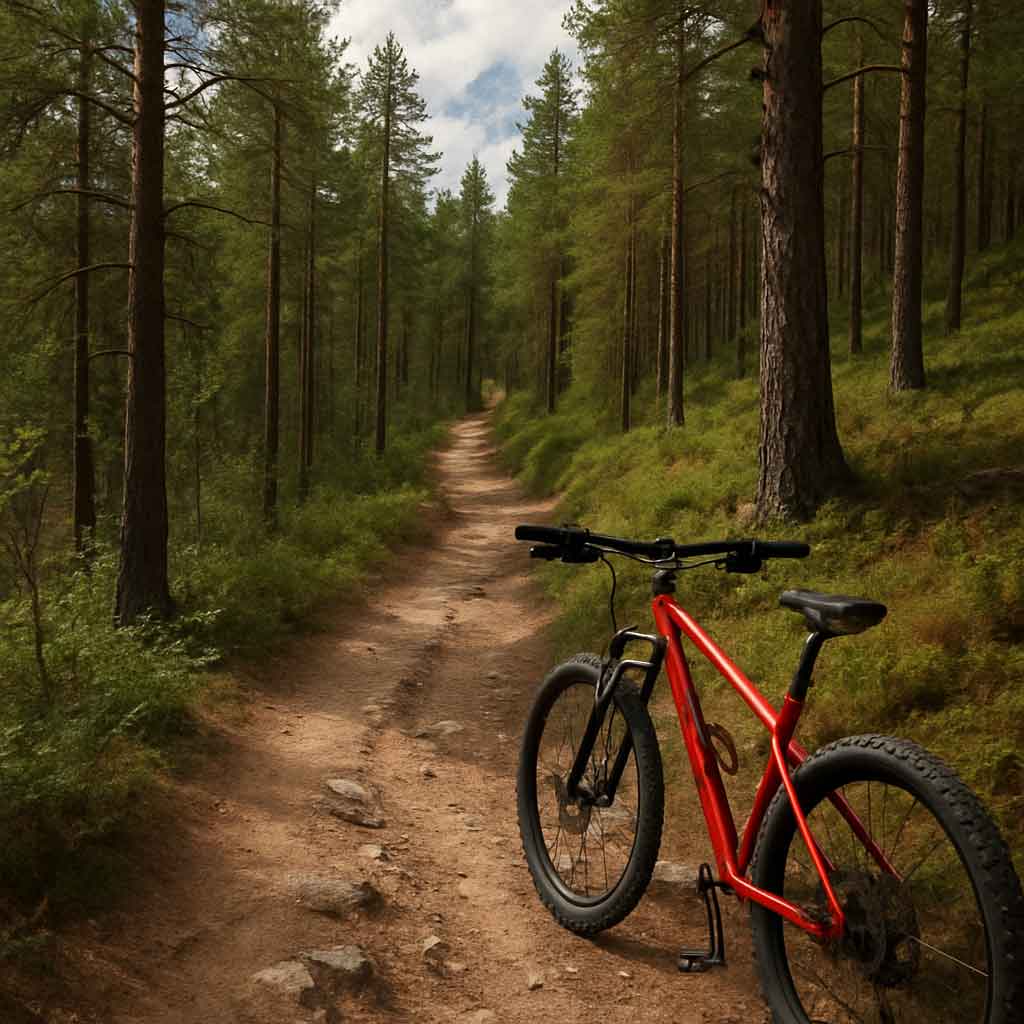
| Mountain bike | Usually S/M/L or inches. | Reach, stand-over clearance and handling control. |
| Hybrid bike | Usually S/M/L or cm. | Upright comfort and easy daily riding. |
When You Are Between Two Sizes
If you are between two sizes, choose based on your riding goal. A smaller frame can feel more responsive and easier to lower into an aggressive position. A larger frame can feel more stable and upright, but may become too long if reach is excessive.
- Choose the smaller size if you want a sportier fit and can use a longer stem if needed.
- Choose the larger size if you want a more relaxed position and the reach is still comfortable.
- For gravel and endurance riding, comfort usually matters more than an aggressive racing posture.
Calculator Limitations
A bike size calculator cannot fully judge flexibility, injury history, riding posture, handlebar preference or personal comfort. It also cannot replace a geometry chart. Always compare the calculator result with the actual frame's stack and reach.
If you are investing in a custom carbon frame, an OEM project or a performance bike build, it is worth checking fit more carefully before finalizing the frame size.
Recommended Next Steps
- Measure your height and inseam accurately.
- Use the bike frame size calculator.
- Compare the result with the frame geometry chart.
- Check stand-over height, reach and stack.
- Choose the frame category that matches your riding style.
Choose a Frame by Bike Type
After you have a size range, compare frames by category:
- Carbon road bike frames for paved-road speed, climbing and fitness riding.
- Carbon gravel bike frames for mixed terrain, bikepacking and wider tires.
- Carbon MTB frames for off-road riding and trail control.
- Ebike frames for assisted riding and electric bike projects.
Final Thoughts
A bike size calculator helps reduce guesswork, but the best frame choice still comes from combining body measurements with geometry and riding style. Use the calculator to find your starting size, then confirm reach, stack, stand-over height and tire clearance before buying.
Start with the Mondince bike frame size calculator, then compare the right frame category for your build. For custom geometry, OEM frame projects or sizing support, contact Mondince.