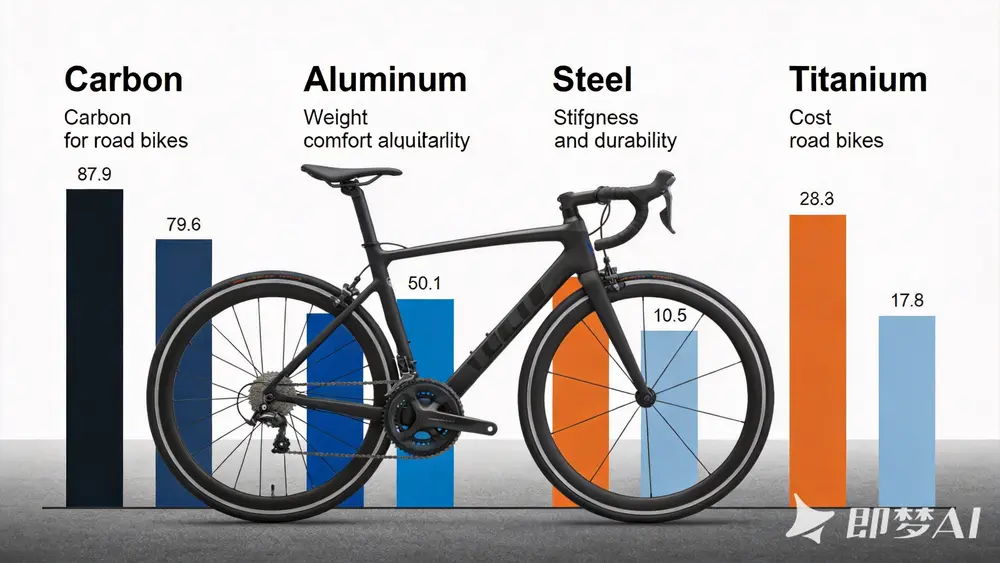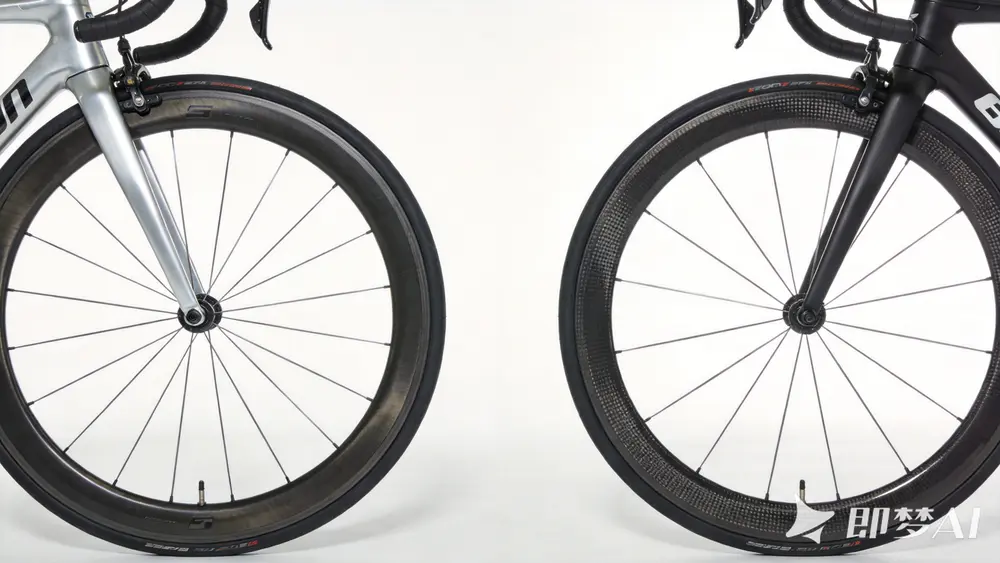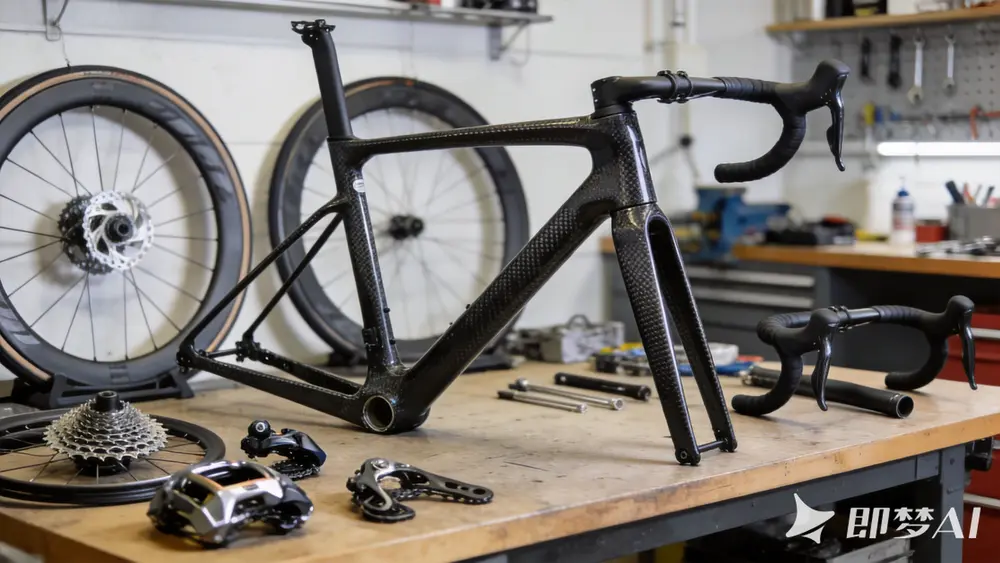

Many riders compare carbon fiber road bike frames by weight or brand name first, but a strong frame should also be judged by carbon layup, geometry, stiffness, comfort, aerodynamics, tire clearance, and long-term serviceability.
Carbon fiber road frames are popular because they can be light, stiff, aerodynamic, and comfortable when designed correctly. Premium road frames often share the same design goals: efficient power transfer, stable handling, clean cable routing, and a ride feel that works for racing or long-distance riding.
Instead of choosing only from a ranking list, it is better to understand what makes a carbon road frame worth buying. This guide explains the key standards and how to compare road frames more clearly.
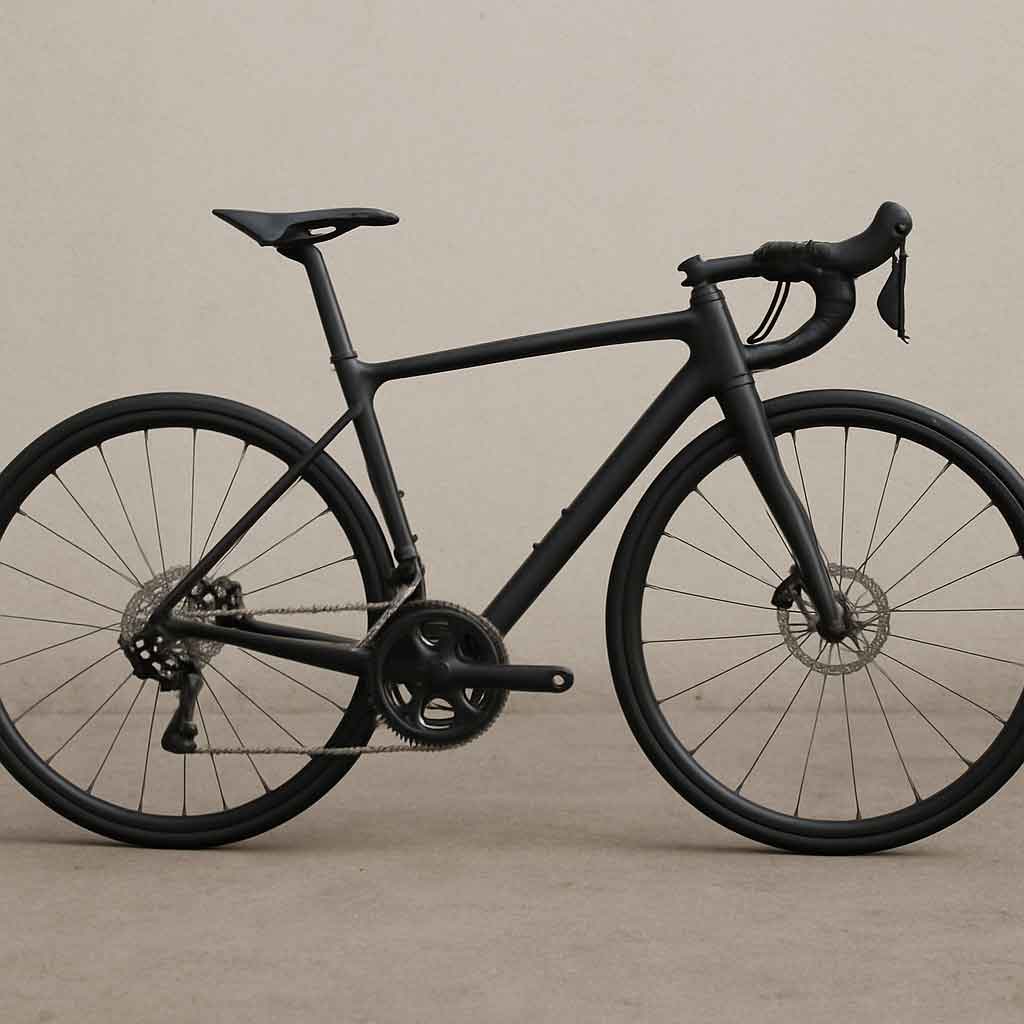
What High-Quality Carbon Road Frames Have in Common
High-quality carbon road frames usually perform well in several areas at the same time. They are not only light. They also need stable geometry, strong bottom bracket stiffness, predictable handling, good comfort, and reliable manufacturing quality.
| Standard | What It Means | Why It Matters |
|---|---|---|
| Low weight | Efficient carbon layup and optimized tube shapes | Helps climbing, acceleration, and overall ride feel |
| Stiffness | Strong bottom bracket, chainstay, and head tube areas | Improves power transfer and handling response |
| Comfort | Controlled compliance in seat stays, fork, and top tube | Reduces fatigue on longer rides and rough pavement |
| Aerodynamics | Shaped tubes, hidden cables, and clean integration | Helps maintain speed with less effort |
| Serviceability | Clear standards for headset, bottom bracket, routing, and seatpost | Makes assembly, maintenance, and replacement easier |
1. Lightweight Climbing Frames
Lightweight climbing frames focus on low frame weight, responsive acceleration, and stable descending. They are suitable for riders who spend more time on climbs or prefer a lively, efficient road bike.
2. Aero Road Frames
Aero road frames use deeper tube profiles, internal cable routing, integrated cockpits, and shaped forks to reduce drag. They are useful for fast group rides, racing, sprinting, and flat or rolling terrain.
3. Endurance Road Frames
Endurance road frames place more emphasis on comfort, stability, and long-distance efficiency. They usually have a slightly more relaxed fit, stable handling, and enough tire clearance for wider road tires.
4. All-Rounder Carbon Road Frames
All-rounder carbon road frames try to balance weight, stiffness, comfort, and aerodynamics. They are a practical direction for riders who want one bike for training, climbing, group rides, and long-distance road use.
How to Compare Carbon Road Frames
When comparing carbon road frames, avoid looking at frame weight alone. A slightly heavier frame with better geometry, stronger stiffness, easier maintenance, and clearer testing information may be a better long-term choice.
Important details to compare include:
- Frame weight and fork weight
- Carbon fiber grade and layup design
- Stack, reach, wheelbase, and head tube angle
- Bottom bracket standard
- Maximum tire clearance
- Cable routing system
- Seatpost and cockpit compatibility
- Testing and quality control standards
- Paint, logo, and OEM customization options
For material background, read our carbon fiber bike frame guide and T800 vs T1000 carbon fiber bike frame guide.
Carbon Frame Categories Compared
| Frame Type | Main Priority | Typical Rider | Trade-Off |
|---|---|---|---|
| Lightweight climbing frame | Low weight and acceleration | Climbers, racers, riders who want quick response | May be less aero than deeper tube designs |
| Aero road frame | Speed and drag reduction | Fast riders, sprinters, racers | Can be heavier or more complex to service |
| Endurance road frame | Comfort and stability | Long-distance riders and rough-road users | Usually less aggressive than race geometry |
| All-rounder road frame | Balanced performance | Riders who want one versatile road bike | Does not specialize as strongly in one area |
Should You Buy a Famous Brand Frame or an OEM Carbon Frame?
Famous brand frames usually offer strong recognition, mature design language, and established retail support. OEM carbon frames can be a practical choice when buyers need factory-direct pricing, custom paint, logo support, sample orders, or private-label production.
For riders, shops, and small brands, the decision depends on budget, branding needs, geometry preference, after-sales support, and customization requirements.
Mondince has manufactured carbon bike frames since 2007 and supports road, gravel, MTB, and e-bike frame projects. You can compare current options in the Mondince road frame options.
Mondince Carbon Road Frame Option
Mondince road frame platforms are designed for modern road builds with lightweight carbon construction, clean routing, practical geometry, and OEM customization support. Buyers can compare geometry, tire clearance, routing, bottom bracket standard, paint options, and sample order requirements before choosing a platform.
What About Gravel or MTB Frames?
If your riding includes mixed terrain, rough roads, or wider tires, a road frame may not be the best fit. In that case, compare a carbon gravel bike frame instead. If you need off-road suspension, tire clearance, and trail geometry, review carbon MTB frames.
Final Buying Checklist
- Does the geometry match your riding position?
- Is the frame type suitable for climbing, aero racing, endurance riding, or all-round use?
- Is the tire clearance enough for your road conditions?
- Is the bottom bracket standard easy to service?
- Does the cable routing match your groupset and cockpit plan?
- Is the seatpost standard clear?
- Can the supplier provide testing or quality control information?
- For OEM projects, are paint, logo, sample, and bulk order options available?
You can review Mondince testing information on the certification page or learn more about OEM carbon frame customization.
Conclusion
A strong carbon fiber road bike frame is not simply the most famous or most expensive option. A good choice should match your riding style, fit, component plan, budget, and long-term maintenance needs.
Start by comparing geometry, weight, tire clearance, bottom bracket, cable routing and testing standards. Then review the Mondince road frame collection or contact Mondince for frame recommendations and OEM support.