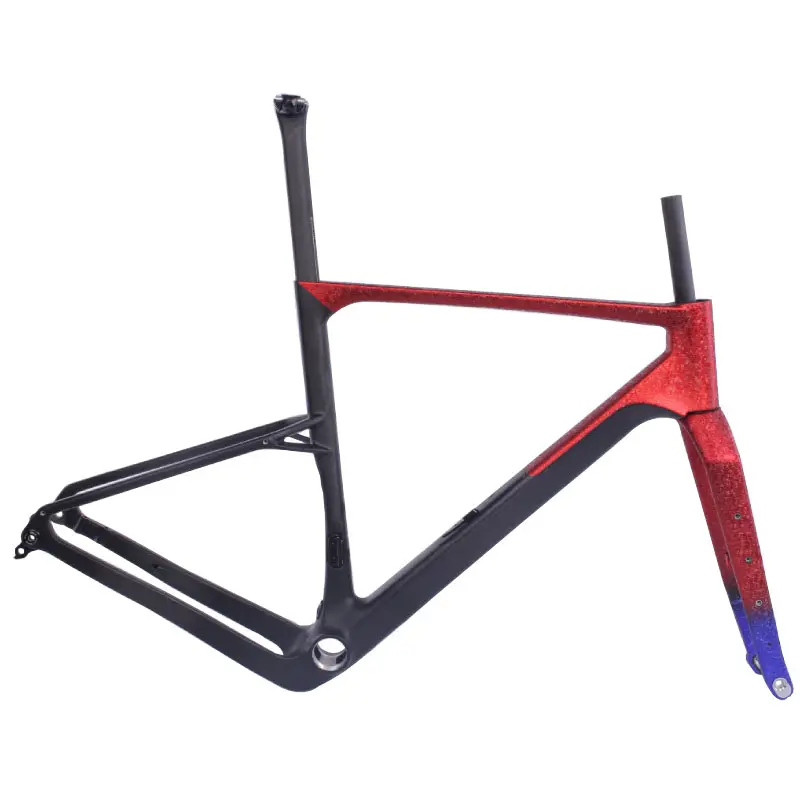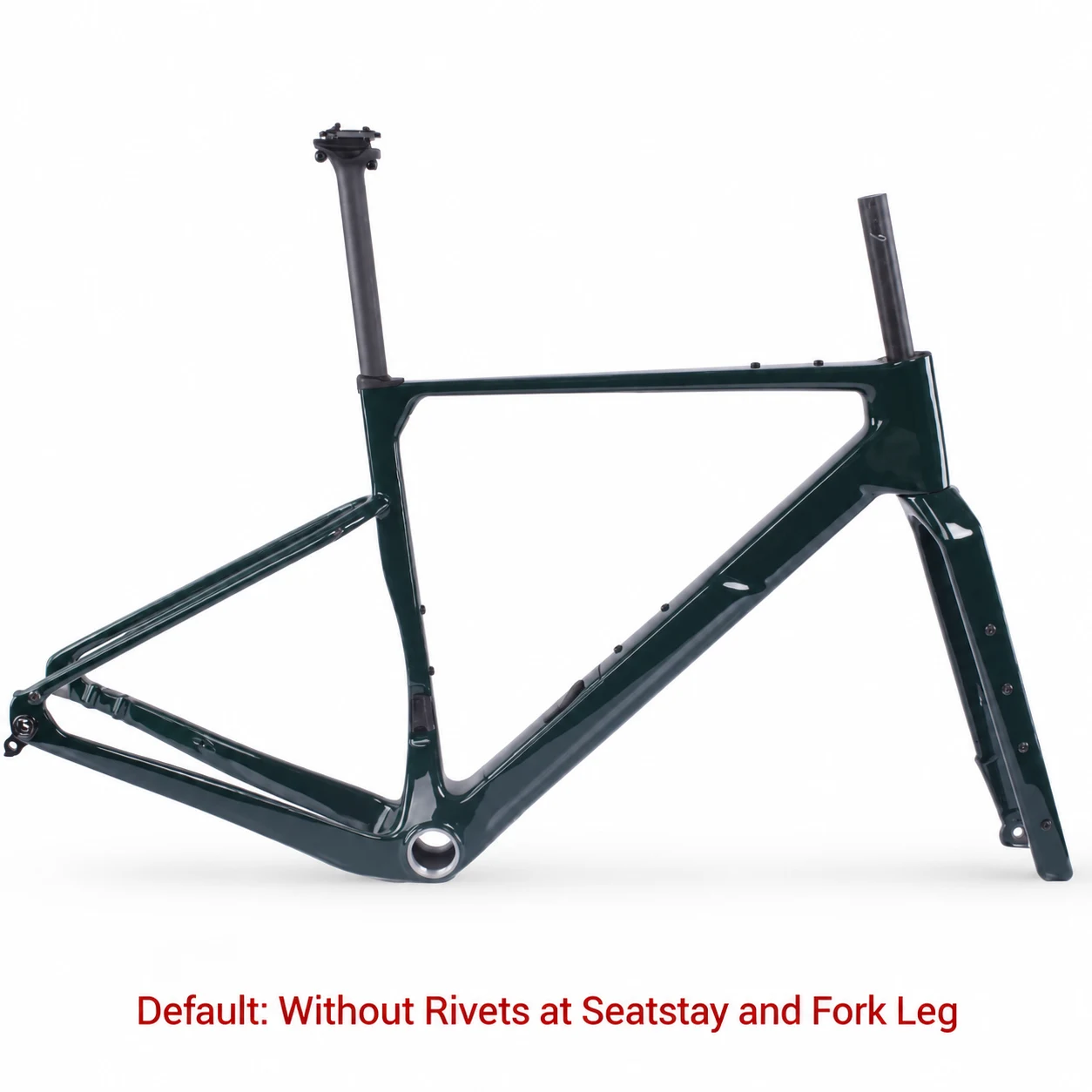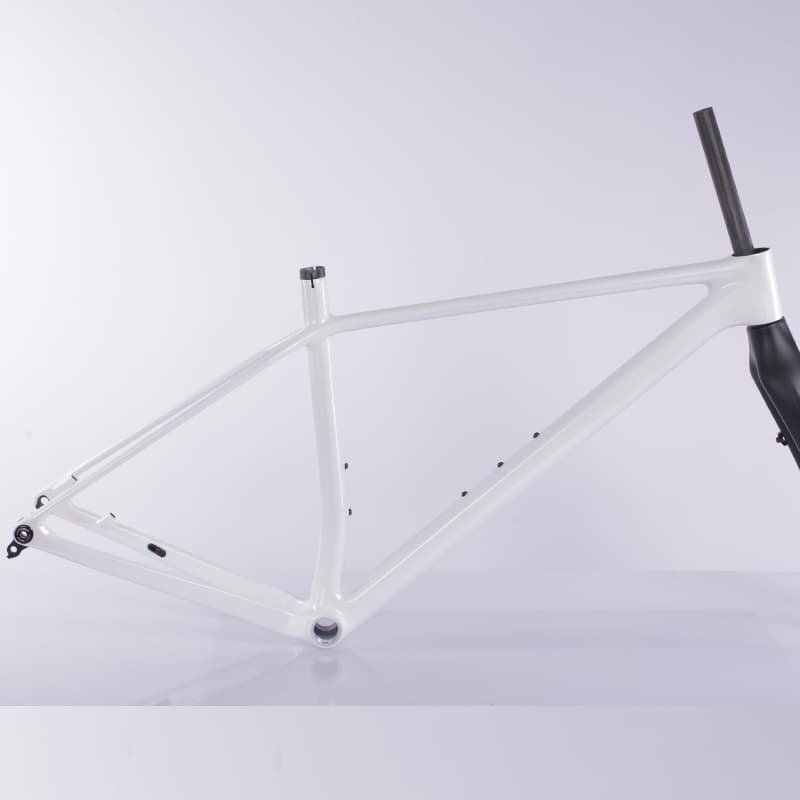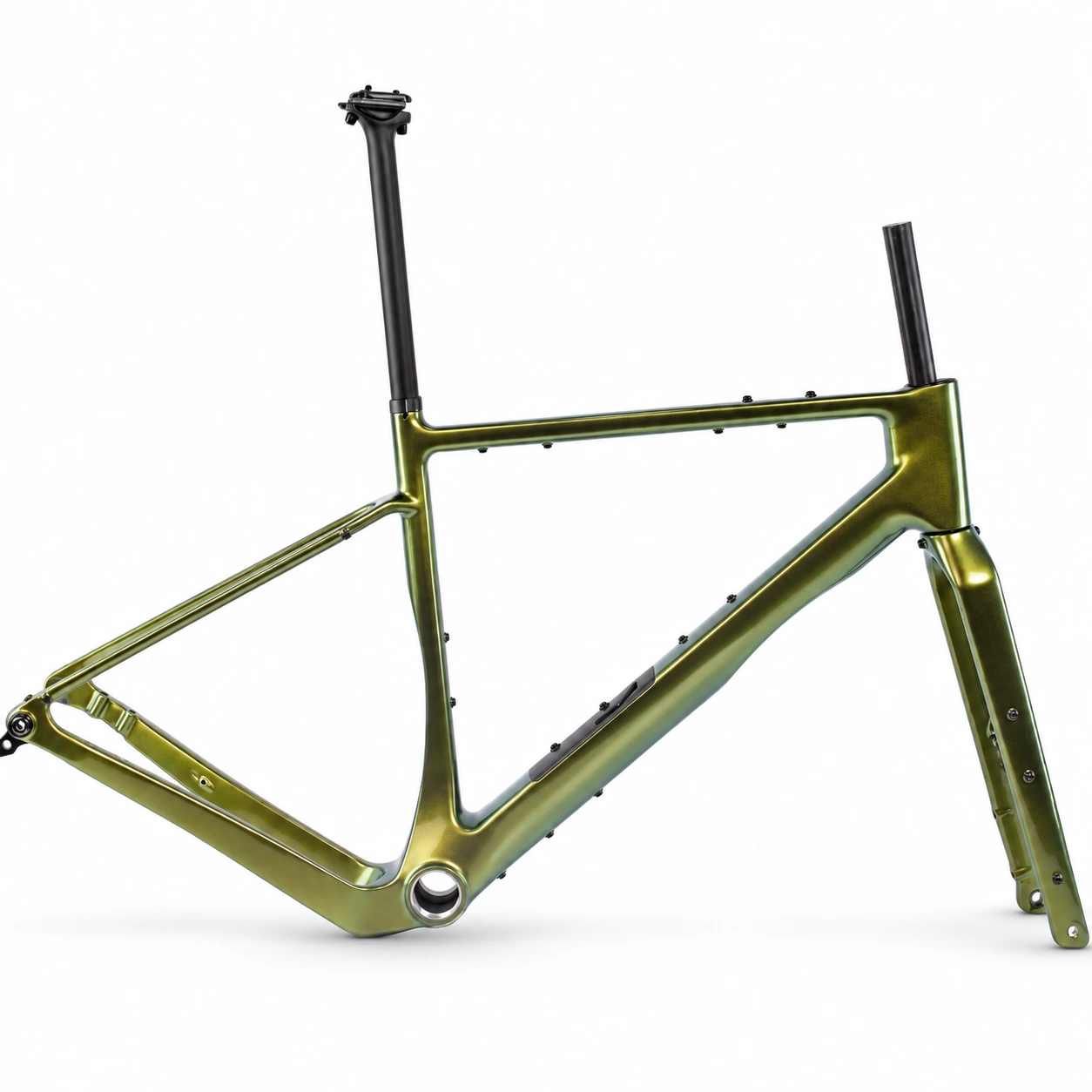

T1000 is used in carbon fiber grade names. It is not, by itself, the name of a complete bicycle, a drivetrain or a connected-bike system. A frame description that lists T1000 still needs a model name and a full specification.
This distinction matters when comparing frames. A material label can help explain a design choice, but it cannot tell you how a complete bike will fit or perform.
Read the exact grade, not just a large number
Toray publishes data for specific grades, including T1000G. Its data sheet reports properties under stated conditions. A seller should identify the material clearly rather than imply that every product carrying a similar label has the same construction.
Fiber tensile strength and tensile modulus describe different properties. Neither is the same as a complete frame passing a fatigue or impact test. Avoid treating a fiber data-sheet value as a frame load limit.
Mixed grades can be a design choice
A frame may combine more than one grade in different areas. The designer also chooses ply direction, local reinforcement, resin and curing conditions. Ask which material claim applies to the particular model; do not assume one grade is used in every tube.
Compare weight only when size, paint and included parts match. A bare frame figure is not directly comparable with a frameset total that includes the fork, seatpost and hardware.
Check the frame before planning the build
Confirm the bottom bracket, headset, seatpost, brake mounts and axle standards. For a gravel build, check front and rear tire clearance separately. A material label cannot establish fork compatibility or clearance for your chosen tire and rim.
Request test information for the actual frame platform, plus warranty and inspection support. A clear model specification and traceable documentation are more useful than an unsupported claim that one grade makes a bike best for every rider.
See how to read T700, T800 and T1000 frame specifications, then compare the current gravel frame specifications.


by streetsh (https://unsplash.com/@streetsh)
By opting for the T-1000 bike, riders contribute to reducing their carbon footprint. Cycling is already a green mode of transportation, and choosing a bike that prioritizes eco-friendly practices amplifies this positive impact.