

Gravel forks affect comfort, control, weight, steering feel, tire clearance, and how the bike handles rough terrain. The right choice depends on whether you prioritize speed and simplicity or comfort and control on rougher routes.
Gravel riding sits between road cycling and mountain biking. Some routes are mostly smooth pavement and hardpack, while others include washboard gravel, rocks, roots, and broken roads. This is why fork choice matters. A rigid carbon fork keeps the bike light and efficient, while a suspension gravel fork can reduce fatigue and improve control on rough terrain.
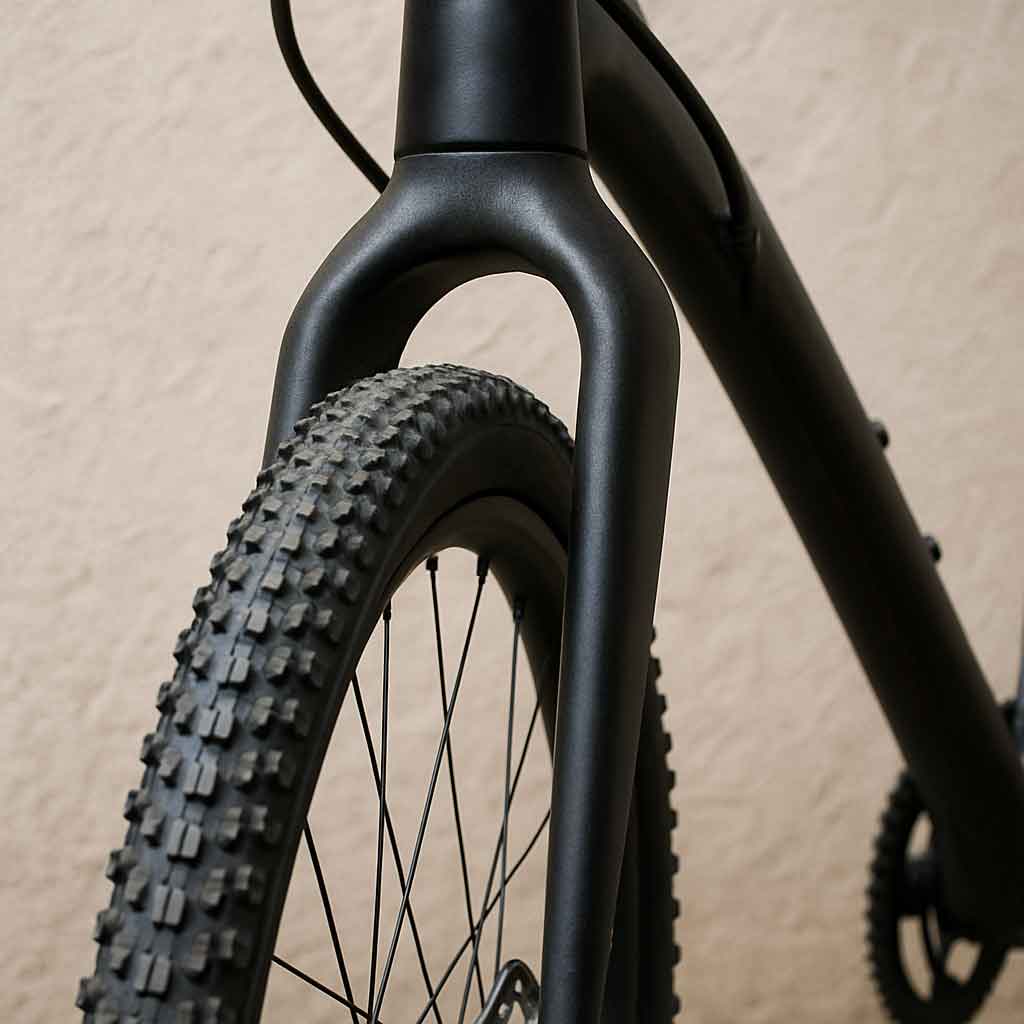
Rigid vs Suspension Gravel Forks: Quick Comparison
| Factor | Rigid Gravel Fork | Suspension Gravel Fork |
|---|---|---|
| Weight | Lighter and simpler | Heavier due to moving parts and damping system |
| Comfort | Good with wide tires and correct pressure | Better on rough, rocky, or washboard terrain |
| Efficiency | More efficient for climbing and fast gravel | Can lose some efficiency unless locked out |
| Control | Direct steering feel | More traction and confidence on rough descents |
| Maintenance | Very low maintenance | Requires periodic service for seals and internals |
| Best For | Fast gravel, road-to-gravel rides, bikepacking simplicity | Rough gravel, trail-like routes, comfort-focused adventure riding |
What Is a Rigid Gravel Fork?
A rigid gravel fork has no suspension system or moving parts. Most modern rigid gravel forks are made from carbon fiber because carbon can keep weight low while helping reduce road vibration. Rigid forks are common on performance gravel bikes, all-road bikes, and bikepacking builds.
The biggest advantages are low weight, direct handling, simple maintenance, and efficient power transfer. If your gravel routes include pavement, hardpack, smooth dirt roads, and moderate rough sections, a rigid carbon fork is usually enough.
Advantages of Rigid Gravel Forks
- Lower weight: Good for climbing, acceleration, and long-distance riding.
- Simple maintenance: No seals, dampers, or suspension service intervals.
- Direct handling: The front end feels precise and responsive.
- Better efficiency: No suspension movement when sprinting or climbing.
- Bikepacking practicality: Many rigid forks include cargo mounts or fender mounts.
For many riders, tire choice and tire pressure create enough comfort. A wider gravel tire at the right pressure can absorb a surprising amount of vibration. For more on tire setup, read the gravel tire clearance guide.
Limitations of Rigid Gravel Forks
A rigid fork gives more feedback from rough terrain. On washboard roads, rocky descents, or long technical routes, this can increase hand, wrist, shoulder, and upper-body fatigue. Riders who frequently ride rough trails may want more front-end compliance than a rigid fork can provide.
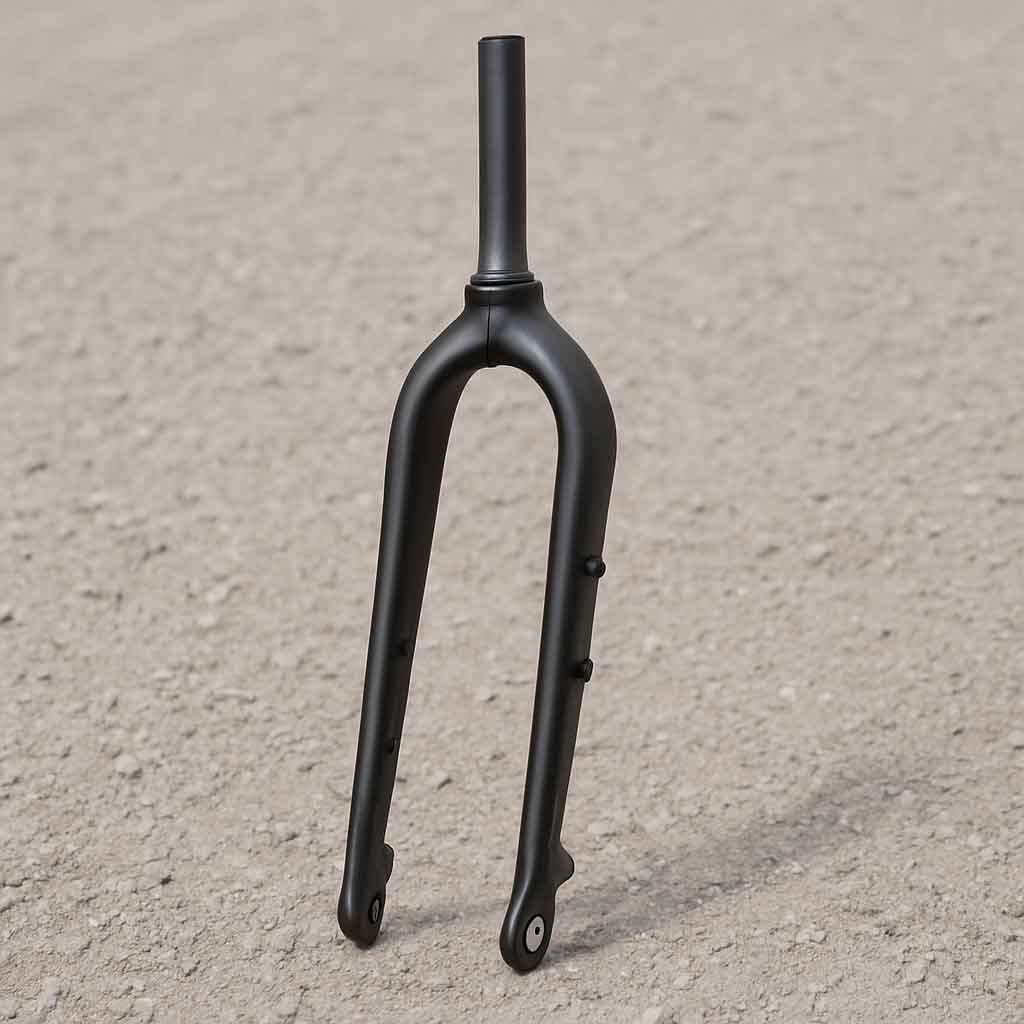
What Is a Suspension Gravel Fork?
A suspension gravel fork uses a small amount of travel, usually less than a mountain bike fork, to absorb impacts and reduce front-end vibration. It is designed for rough gravel roads, light trails, long adventure rides, and riders who want more comfort and control.
Suspension gravel forks can help keep the front wheel in contact with the ground on rough terrain. This can improve traction, braking control, and confidence on descents.
Advantages of Suspension Gravel Forks
- More comfort: Reduces hand and arm fatigue on rough roads.
- Better traction: Helps the front wheel track rough surfaces.
- More control: Useful on rocky descents and broken terrain.
- Confidence for adventure riding: Allows riders to take rougher routes with less fatigue.
Limitations of Suspension Gravel Forks
Suspension forks are heavier, more expensive, and more complex. They require maintenance, including seal service and periodic checks. They can also change bike geometry if the axle-to-crown length does not match the frame design.
Before installing a suspension fork, check compatibility carefully. Important factors include tapered steerer size, axle standard, brake mount, maximum rotor size, tire clearance, axle-to-crown length, fork offset, and whether the frame manufacturer approves suspension fork use.
Compatibility Checks Before Choosing a Fork
| Compatibility Point | Why It Matters |
|---|---|
| Steerer Tube | Must match the frame headset standard, often tapered 1-1/8 to 1.5 inch |
| Axle Standard | Most modern gravel forks use 12x100mm thru-axle, but always confirm |
| Axle-to-Crown Length | Too much difference can change handling, stack height, and head angle |
| Fork Offset | Affects steering feel, trail, and front-end stability |
| Tire Clearance | Must fit your target tire width with safe mud clearance |
| Brake Mount | Check flat mount or post mount, rotor size, and caliper compatibility |
Which Fork Is Better for Fast Gravel?
For fast gravel, mixed road rides, and racing on smoother terrain, a rigid carbon fork is usually the better choice. It keeps the bike light, responsive, and efficient. Pair it with suitable tire width and pressure for comfort.
This setup fits riders who care about speed, climbing, and simple maintenance.
Which Fork Is Better for Rough Gravel?
For rough gravel, rocky roads, long descents, or light trail-style routes, a suspension gravel fork may be better. It can reduce fatigue and improve front-end control. This can be useful for riders who value comfort and confidence more than minimum weight.
However, suspension is not always necessary. Wider tires, lower tire pressure, compliant handlebars, and a well-designed carbon fork may already solve most comfort issues.
How Fork Choice Affects Frame Choice
The fork and frame should be considered together. A gravel frame is designed around a specific fork length, offset, tire clearance, axle standard, and handling target. Changing to a suspension fork can alter geometry, so it should not be treated as a simple universal upgrade.
If you are choosing a new frame, review the geometry chart and fork specification first. You can browse Mondince carbon gravel bike frames and compare model details before deciding your build direction.
Recommended Setup by Riding Style
| Riding Style | Recommended Fork | Reason |
|---|---|---|
| Fast gravel racing | Rigid carbon fork | Lower weight, better efficiency, sharper handling |
| Bikepacking on mixed roads | Rigid fork with mounts or wide tire setup | Simple, reliable, easier to maintain on long trips |
| Washboard gravel | Suspension fork or wider tire setup | Reduces hand fatigue and vibration |
| Rocky adventure routes | Suspension gravel fork if frame-compatible | Improves control and traction on rough terrain |
| Road-to-gravel riding | Rigid carbon fork | Efficient on pavement and still capable on light gravel |
Conclusion
Rigid and suspension gravel forks both have a place. A rigid carbon fork is lighter, simpler, more efficient, and better for fast gravel or road-to-gravel riding. A suspension gravel fork can improve comfort and control on rougher routes, but it adds weight, cost, maintenance, and compatibility requirements.
Before choosing, think about your terrain, riding style, tire width, comfort needs, and frame compatibility. If you are building a gravel bike from the frame up, start by comparing the Mondince carbon gravel frame collection, then contact Mondince for frame and fork compatibility guidance.

.jpg)