
A 10 speed road bike can still be a practical choice for many riders, especially if you want a simple, affordable and reliable drivetrain. However, when comparing 10-speed bikes, the number of gears is only one part of the decision. Frame size, geometry, material, brake type and upgrade potential often matter more for long-term value.
This guide explains how to compare 10 speed road bikes, when a 12-speed drivetrain may be worth considering, and why the frame should be the foundation of any road bike build. Riders planning a custom build can also explore Mondince carbon road bike frames as a lightweight platform for 10-speed or future drivetrain upgrades.
What Is a 10 Speed Road Bike?
A 10 speed road bike usually refers to a road bike with a 10-speed rear cassette, often paired with one or two front chainrings. In many cases, riders use the term to describe a simple road drivetrain that offers enough gear range for training, commuting, fitness rides and everyday road cycling.
While newer performance road bikes may use 11-speed, 12-speed or electronic drivetrains, a well-maintained 10-speed road bike can still ride efficiently. The key is choosing a frame and drivetrain setup that match your riding style, terrain and upgrade plans.
10-Speed vs 12-Speed Road Bikes
The main difference between a 10-speed and 12-speed road bike is the number of gear options at the rear cassette. A 12-speed drivetrain usually provides smaller jumps between gears and may offer a wider usable range. This can help riders maintain cadence more smoothly during racing, climbing or fast group rides.
A 10-speed drivetrain is usually more affordable and easier to maintain. Replacement chains, cassettes and shifters can also be easier to source at lower cost. For many beginner, commuter and recreational riders, 10-speed gearing is enough.
10 Speed Road Bike Buying Checklist
| Factor | 10-Speed Road Bike | 12-Speed Road Bike | Frame Upgrade Consideration |
|---|---|---|---|
| Gear Range | Enough for many beginner and recreational riders | More refined gear steps and wider options | Frame must support the drivetrain and wheel standards you plan to use |
| Cost | Usually more affordable | Usually higher cost | A better frame may provide more long-term value than chasing more gears |
| Maintenance | Simple and easier to maintain | More precise setup and component matching required | Check cable routing, brake type and axle standards before building |
| Best For | Training, commuting and budget road riding | Performance road riding and racing | A carbon road bike frame can support future drivetrain upgrades |
Why Frame Size and Geometry Still Matter Most
Many riders compare 10-speed bikes by drivetrain first, but frame fit has a bigger impact on comfort and control. A bike with the right number of gears will still feel wrong if the frame is too small, too long or too aggressive for your body.
Before choosing a 10-speed or 12-speed setup, confirm frame size, reach, stack and riding position. For road-specific sizing help, see our road bike frame size guide.
Frame Material: Aluminum, Steel or Carbon?
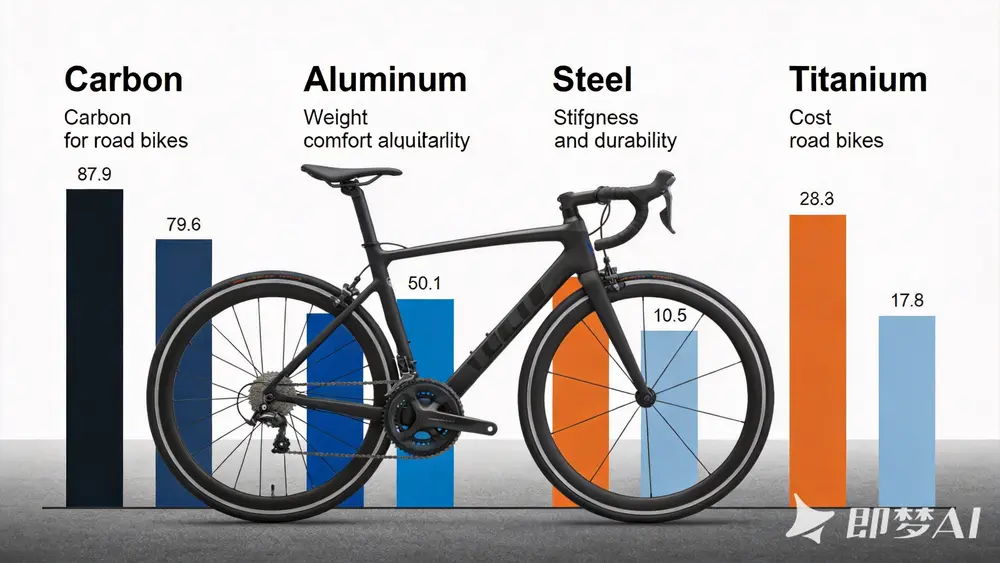
Aluminum road bikes are common in lower-cost 10-speed builds because they are affordable and durable. Steel can offer a smooth ride feel but is usually heavier. Carbon fiber frames are generally lighter and can provide better vibration damping, stiffness tuning and long-term upgrade value.
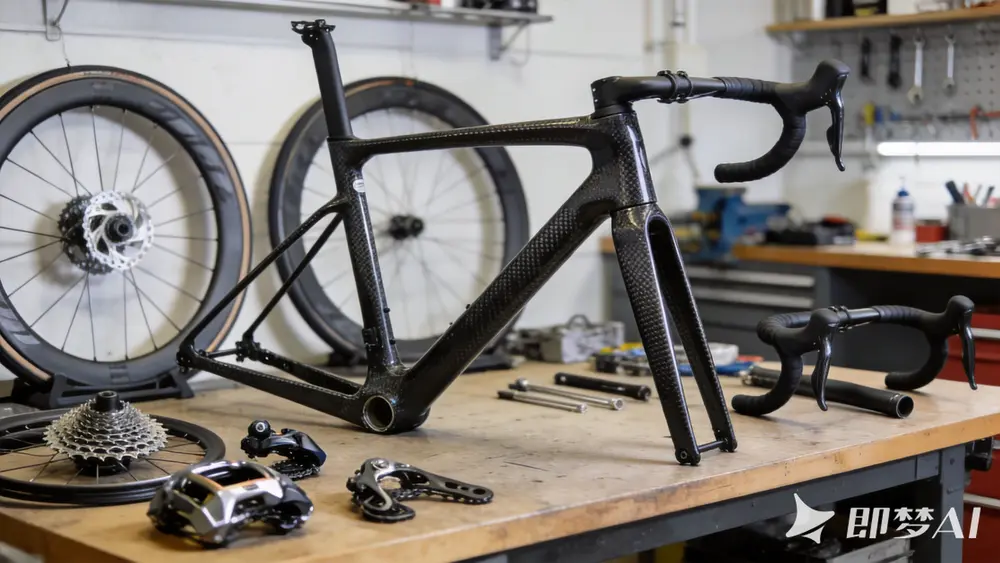
If you plan to upgrade wheels, drivetrain or cockpit later, the frame becomes even more important. A reliable carbon road bike frame can support different build levels, from simple mechanical drivetrains to higher-end performance components.
When to Upgrade from a 10-Speed Bike to a Better Frame
You do not always need more gears to improve your road bike. Sometimes the better upgrade is a lighter, better-fitting frame. If your current 10-speed bike feels heavy, uncomfortable or limited by outdated standards, upgrading the frame may create more long-term value than replacing only the drivetrain.
This is especially true for riders building a custom road bike. Starting with a quality frame allows you to choose the drivetrain, wheels, brakes and cockpit around your riding goals. For budget planning ideas, read our affordable road bike buying guide.
Conclusion
A 10 speed road bike can be a smart choice for riders who want a simple, affordable and reliable setup. A 12-speed drivetrain may offer smoother gear steps and more performance options, but the frame still determines fit, handling, comfort and long-term upgrade value.
Planning a 10-speed or 12-speed road bike build? Explore Mondince carbon road bike frames, compare fit in our road bike frame size guide, or contact Mondince for frame compatibility and OEM support.