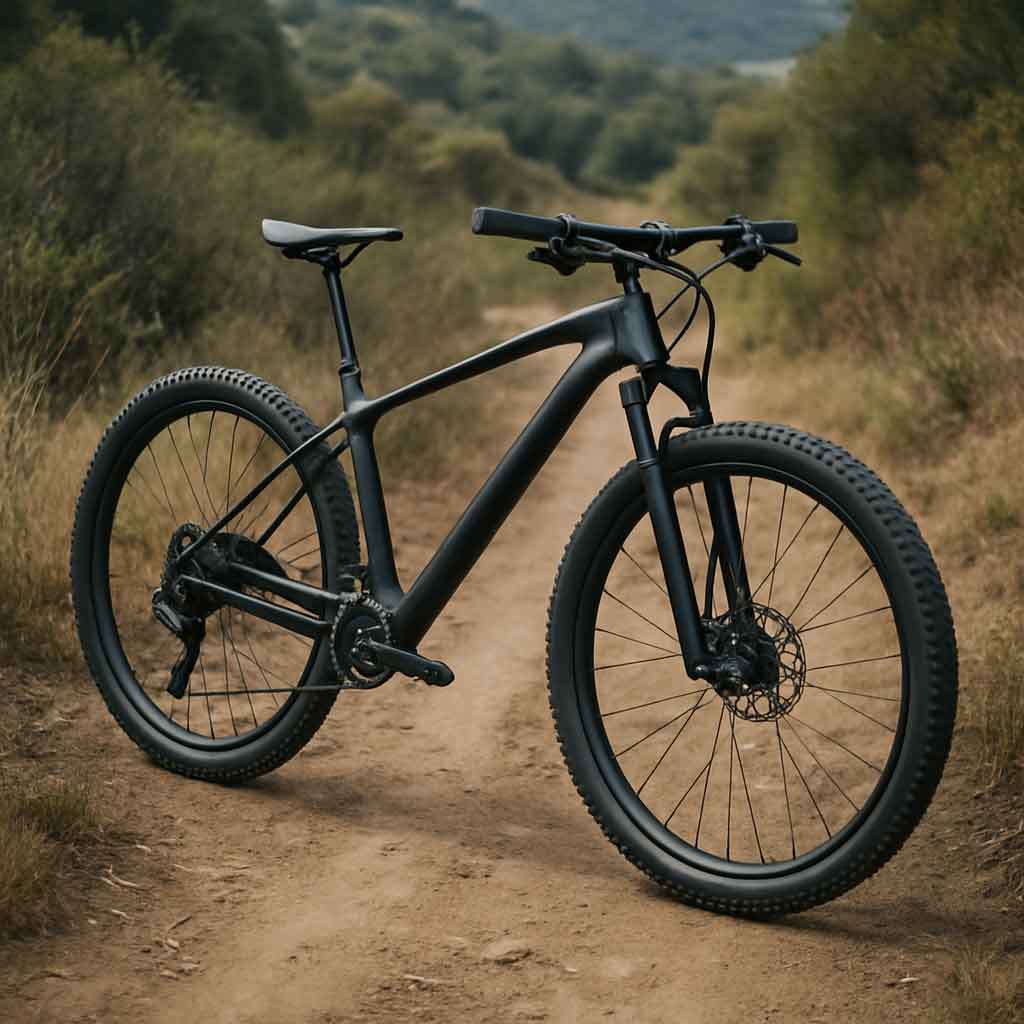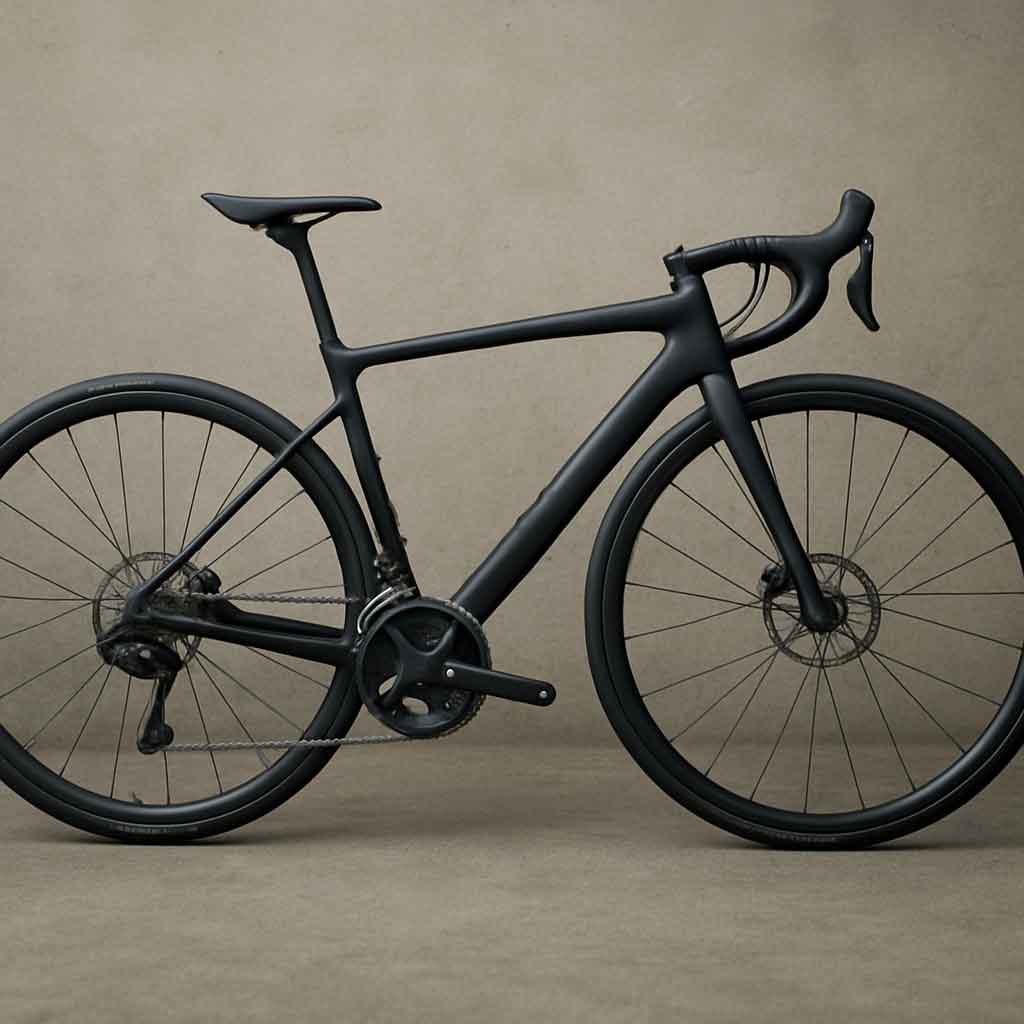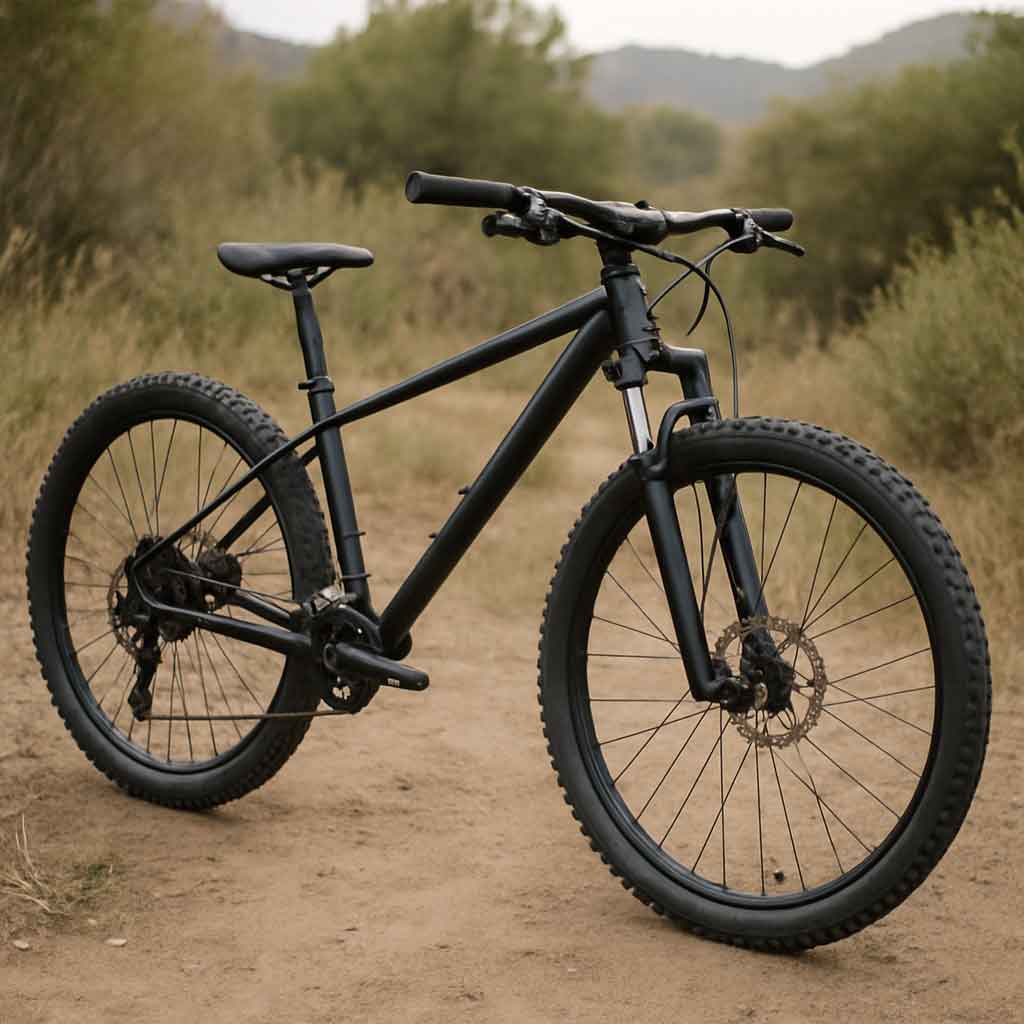

Choosing a hardtail mountain bike frame can feel like a lot of work when there are so many options available. Whether you are a seasoned rider or just getting started, the right frame affects both comfort and how the bike performs on the trail. This guide walks through the checks that matter so you can make a clear decision.
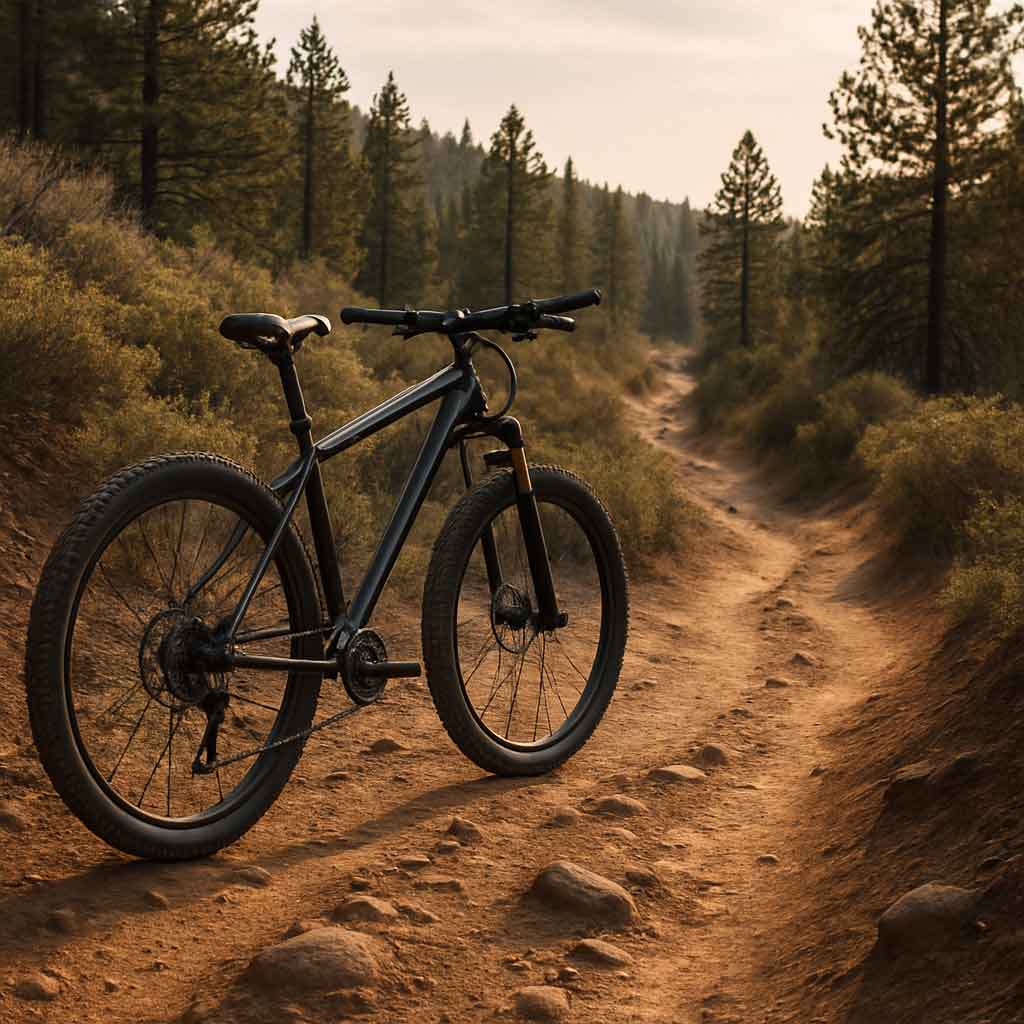
A hardtail mountain bike has no rear suspension. Unlike a full-suspension bike, it uses a rigid rear end, which brings several practical benefits: the bike is generally lighter, needs less maintenance, and is often more affordable. Those qualities are why hardtails remain a popular choice for cross-country riders and beginners. If you later want to compare a full-suspension or fat-bike platform instead, see Carbon MTB Frames.
Benefits of a Hardtail
- Weight and efficiency: Hardtails are typically lighter than full-suspension bikes, which makes them more efficient for climbing and faster on smoother trails.
- Maintenance: With fewer moving parts, a hardtail usually needs less servicing, which can save time and money.
- Affordability: A hardtail mountain bike is often more budget-friendly, so you can put more of the budget into components if you want to.
Key Considerations When Choosing a Hardtail Frame

When you are choosing a hardtail frame, these factors have the biggest effect on how the bike feels.
Frame Material
The material of the frame affects weight, durability, and price. The most common options are:
- Aluminum: Lightweight and relatively affordable, aluminum is a popular choice for a hardtail frame. It offers a good balance of strength and weight.
- Carbon fiber: A hardtail in carbon is valued for low weight and vibration damping. It usually costs more, but many XC riders choose it for the performance benefit.
- Steel: Heavier than aluminum or carbon fiber, steel is durable and can feel smooth because of its natural flex.
- Titanium: Titanium can be light like aluminum and durable like steel, but it typically comes at a higher price.
Geometry
The geometry of a bike frame affects how it handles. The points to check include:
- Head tube angle: A slacker angle is usually more stable at speed and more confidence-inspiring on descents, while a steeper angle typically gives quicker handling for climbing and tight trails.
- Reach: This is the horizontal distance from the bottom bracket to the head tube. A longer reach generally feels more stable, while a shorter reach can feel more agile.
- Chainstay length: Shorter chainstays often make a bike feel more nimble, whereas longer chainstays can improve stability.
Wheel Size
- 27.5-inch wheels: These offer a useful balance of speed, maneuverability, and control, and they suit a wide range of trails.
- 29-inch wheels: Larger wheels roll over obstacles more easily, which many cross-country riders prefer for speed and efficiency.
If you are comparing Mondince carbon hardtails for XC or trail use, FM218, FM228, and FM238 are listed together on the Carbon Hardtail MTB Frames category page. Use that page to check current specifications rather than treating this article as a product comparison.
Example Hardtail Frames

by Tymur Kuchumov (https://unsplash.com/@svinina)
The examples below are useful reference points when you apply the checks above. They are not a ranked list, and details can change from one model year to the next.
Santa Cruz Chameleon
The Santa Cruz Chameleon is known for its versatility. It is an aluminum option that can be adapted to different riding styles, and it has been offered in more than one wheel size, which makes it a flexible reference for both trail and cross-country setups.
Trek Roscoe
The Trek Roscoe is aimed at fun, stable trail riding. It is an aluminum hardtail, often built with plus-size tires for extra grip and cushioning, and its geometry is generally slack and forgiving. That makes it a useful example if you want a more playful trail bike rather than a race-oriented XC frame.
Specialized Fuse
The Specialized Fuse pairs an aluminum frame with modern trail geometry, aiming for a balance of speed and control. It is a widely available example and is often chosen for more aggressive trail riding.
Tips for Choosing a Hardtail for XC and Trail
- Define your riding style: Decide whether you will spend most of your time on cross-country routes or more varied trails, and let that guide geometry and wheel size.
- Set a budget: Decide how much you are willing to spend, and be clear about the trade-offs between frame material and the components you can fit.
- Test ride when you can: Sitting on different frames is still the most direct way to feel differences in geometry and responsiveness.
- Read more than one source: Reviews and advice from experienced riders can help you check whether a frame matches the way you actually ride.
Conclusion
Choosing a hardtail mountain bike frame starts with your own riding, not with a ranked list. Work through material, geometry, and wheel size first, then use well-known examples as reference points. Hardtail mountain bikes offer a useful blend of performance and simplicity for both new and experienced riders.
Once those checks are clear, you will be in a better position to pick a frame that suits your trails. To compare Mondince carbon options, open the Carbon Hardtail MTB Frames category and review the current models there.