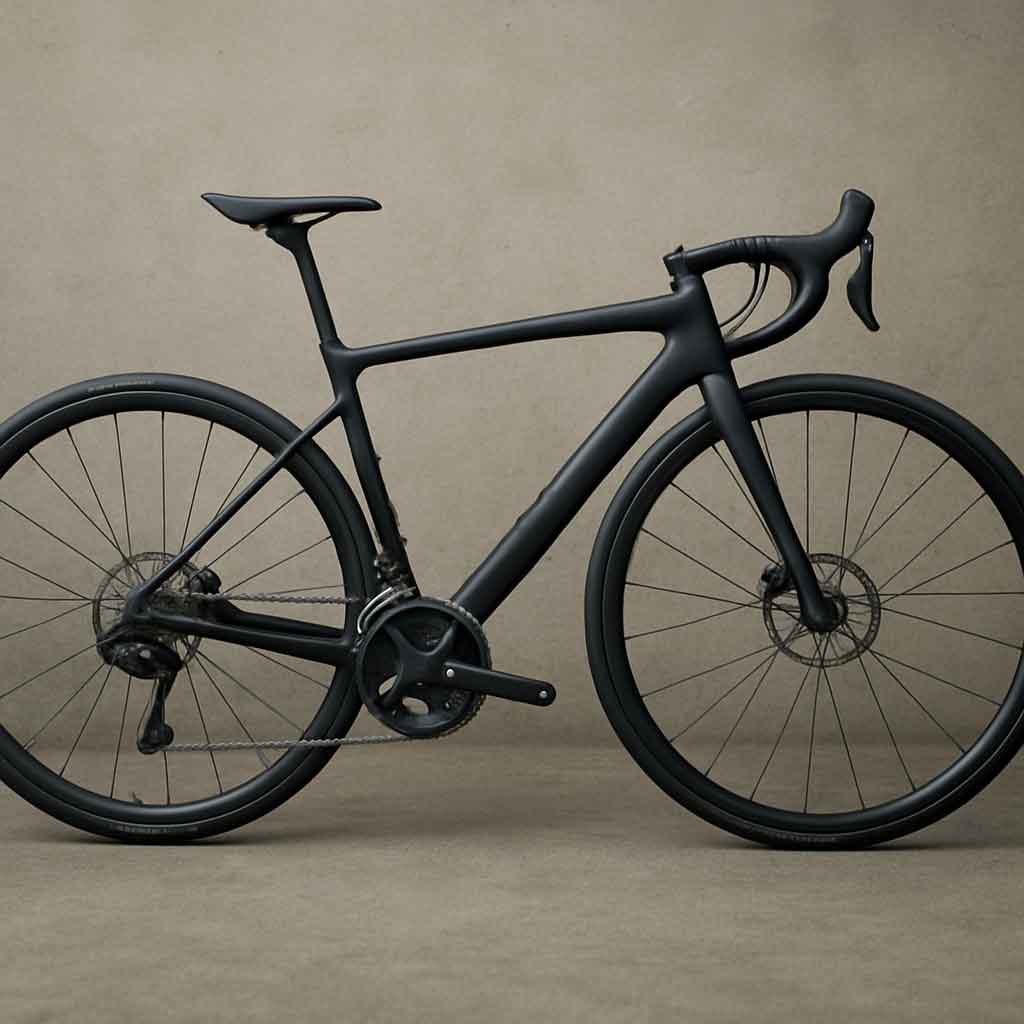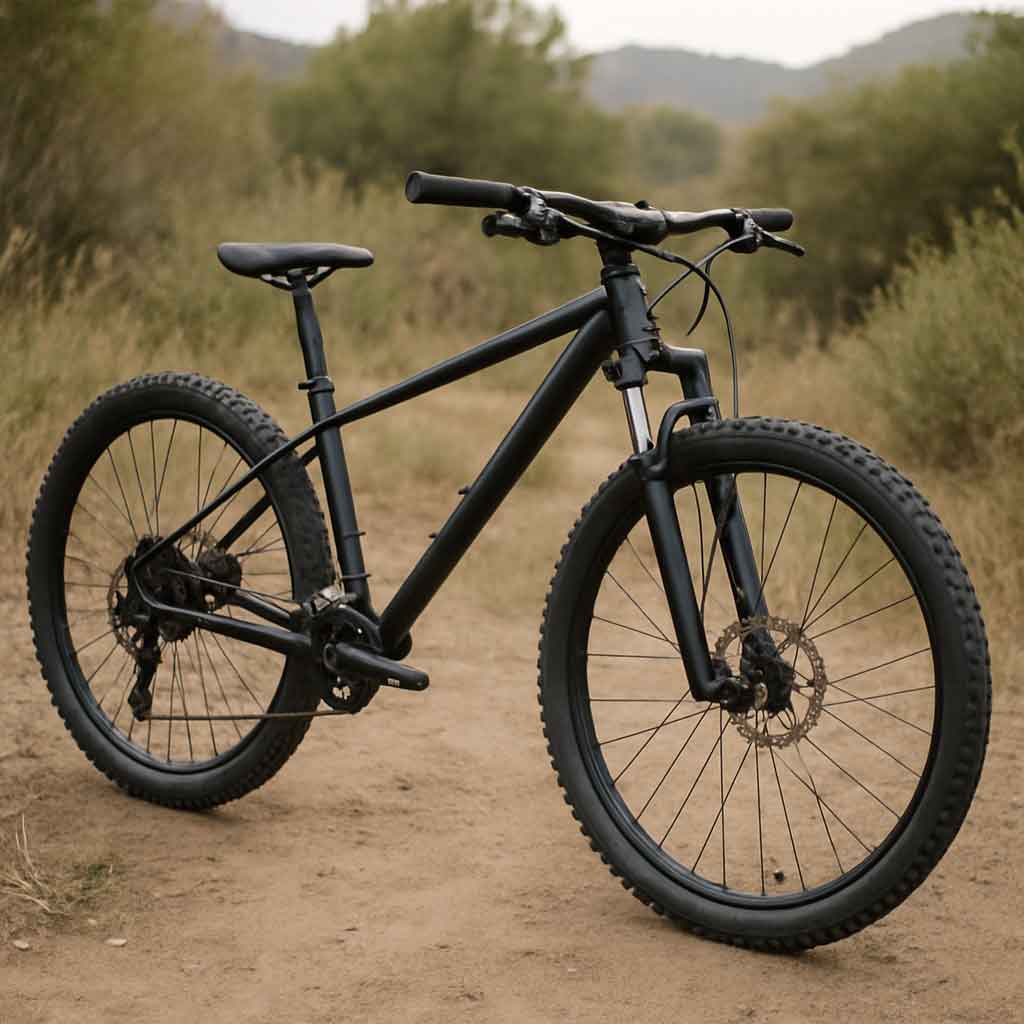

To compare current hardtail framesets, start on Carbon Hardtail MTB Frame.
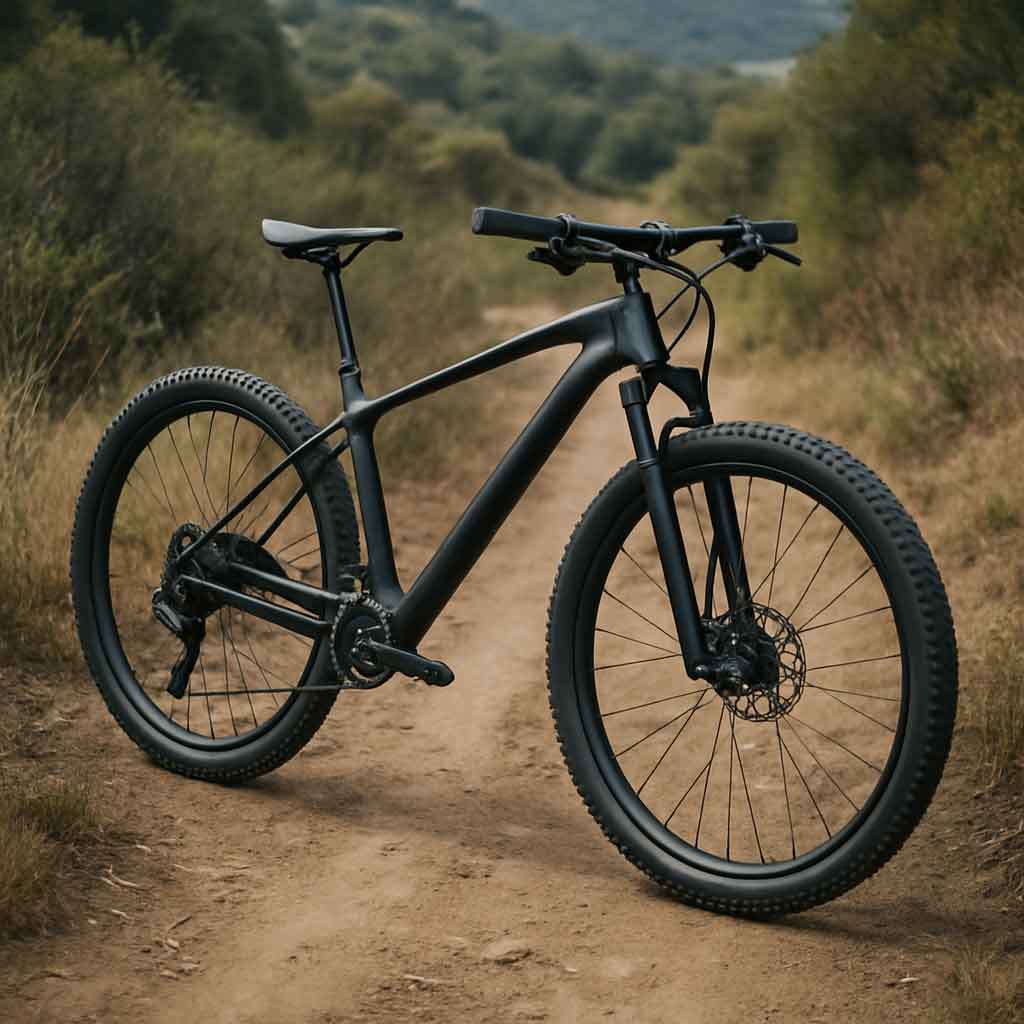
When it comes to mountain biking, your bike frame is the backbone of your ride. If you are looking at a hardtail mountain bike, you are choosing a frame with a rigid rear end. That layout suits cross-country and trail riding: it is lighter than a full-suspension bike and transfers pedaling power efficiently, which is why both beginners and experienced riders still choose it.
This article explains what to compare before you buy a hardtail frame, then looks at a few well-known examples. If you want to review Mondince carbon options side by side, use the Carbon Hardtail MTB Frames category. Full-suspension and fat-bike platforms are listed separately under Carbon MTB Frames.
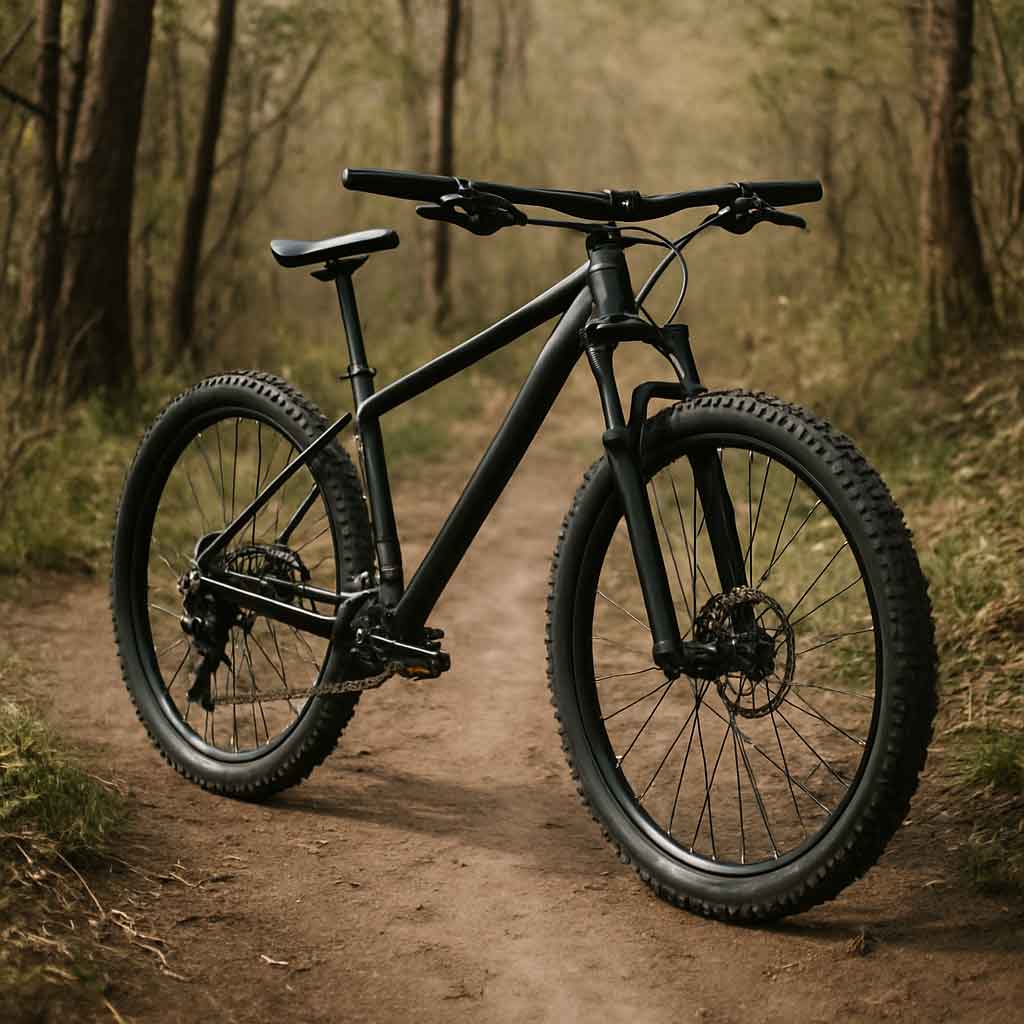
Hardtails are known for their simplicity and efficiency. Without rear suspension, these bikes tend to be lighter, which makes them faster on climbs and more responsive on smoother trails. They are also usually less expensive to buy and to maintain than a full-suspension bike.
Riders who want a straightforward bike for cross-country routes often prefer a hardtail frame. There are fewer moving parts to service, and the ride feel stays direct. If you want a reliable, easy-to-maintain trail bike, a hardtail is still a strong choice.
Hardtail Frame Examples Worth Comparing
The frames below are useful reference points, not a ranked list. Each one takes a slightly different approach to material, wheel size, or handling, which is the kind of difference worth comparing before you decide.
1. Santa Cruz Chameleon

The Santa Cruz Chameleon is a versatile, adaptable hardtail. It is offered as an aluminum option and can be set up around more than one wheel size, which is useful if you want flexibility between a quicker trail bike and a more planted cross-country setup.
What stands out is how readily the bike can be adapted to the way you ride. Whether you are building it for a faster XC loop or a more rugged trail day, this kind of flexibility is worth comparing against more specialized frames.
2. Trek Procaliber
The Trek Procaliber is aimed at riders who want a smoother hardtail without giving up a direct, efficient feel. It is available as a hardtail in carbon, which helps keep the bike light while staying stiff under power.
That combination suits competitive riders who want speed on the trail. If you are comparing high-performance cross-country frames, look at how the Procaliber balances comfort features with a race-oriented layout.
3. Specialized Fuse
The Specialized Fuse is built around playful trail handling. It is an aluminum option with room for wider tires, which helps with traction and stability on mixed terrain.
This is a useful example if you care more about exploring trails than about a pure race setup. Compare its more playful character with a tighter cross-country frame before you decide which direction fits your riding.
4. Niner Air 9
The Niner Air 9 is a long-running cross-country hardtail. It has been offered as an aluminum option with geometry aimed at a responsive, agile XC ride.
Riders who want a blend of speed and control often look at this kind of frame. Use it as a reference point for a traditional cross-country layout when you compare other hardtails.
What to Compare on a Hardtail Frame

by Manny Becerra (https://unsplash.com/@mannyb)
When you are comparing hardtail frames, these are the points that matter most:
Frame Material
The material of your frame can change the ride and the cost. Aluminum frames are popular for their balance of weight, strength, and price. A hardtail in carbon is usually lighter and can feel more precise, but it typically costs more. Steel and titanium are less common, but some riders still choose them for durability or ride feel.
Wheel Size
Decide between 29-inch and 27.5-inch wheels based on your riding style and the terrain you use most. Larger wheels generally roll over obstacles more easily, while smaller wheels can feel more maneuverable.
Geometry
Geometry affects handling and comfort. Frames with a slacker head angle tend to feel more stable at speed, while steeper angles usually offer quicker steering.
Budget
Keep your budget in mind, but treat it as a constraint rather than the main decision. An affordable aluminum hardtail can be a very capable trail bike; a carbon option is worth it if you need the lower weight or the ride feel. Compare the whole build, not just the frame price.
Mondince riders comparing carbon options can start with FM218, FM228, and FM238 on the Carbon Hardtail MTB Frames category page. That is the place to review current specifications side by side, rather than treating this article as a product list.
Conclusion
Choosing the right hardtail frame is an important step in building a mountain bike you will actually enjoy. Decide first whether you want adaptability, a race-oriented feel, or a more playful trail bike, then use examples such as the Santa Cruz Chameleon, Trek Procaliber, Specialized Fuse, and Niner Air 9 as reference points.
Once you have compared material, wheel size, geometry, and budget, you will be in a better position to pick a frame that matches the way you ride. If you are ready to compare Mondince carbon hardtails, open the category page and review the current models there.