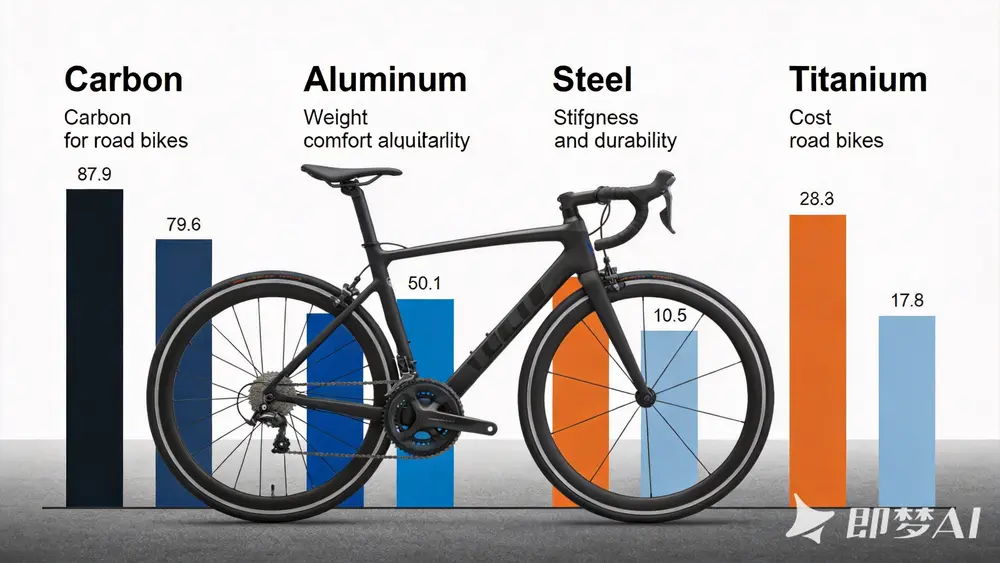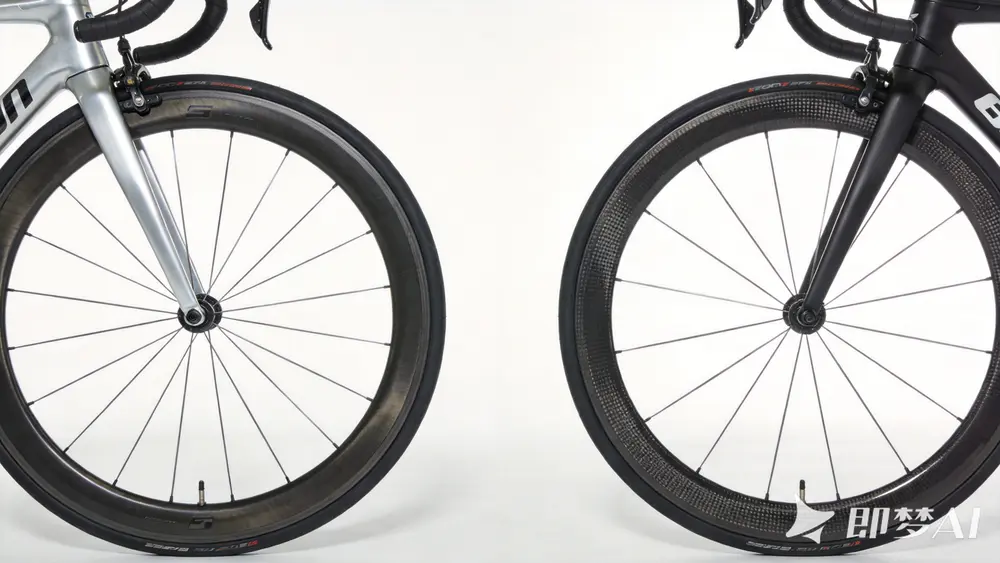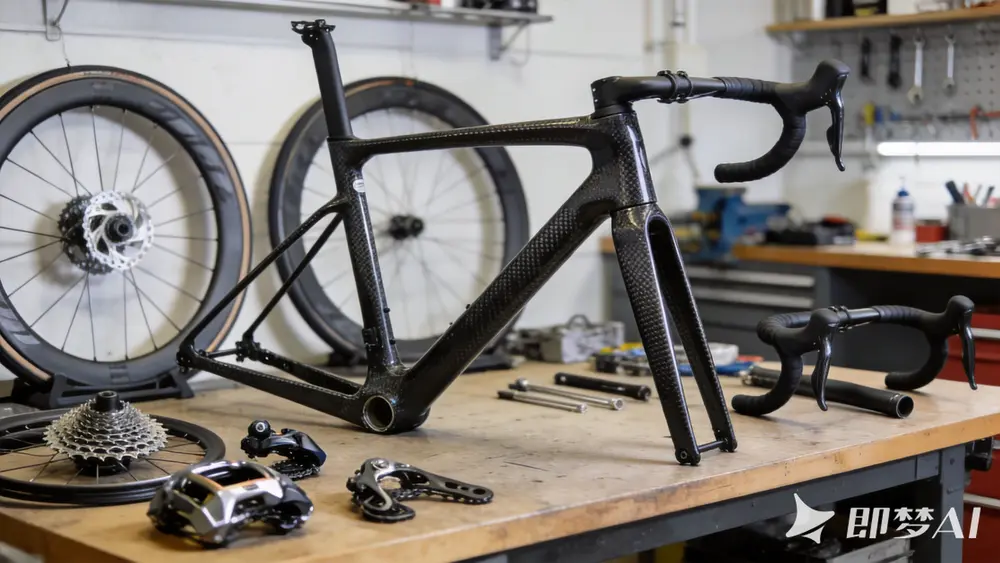

This guide keeps the focus on how different carbon road bike frame types perform, so riders and OEM buyers can narrow down the right direction before comparing specific models. If you are ready to view available options, browse the Mondince carbon road bike frame collection.
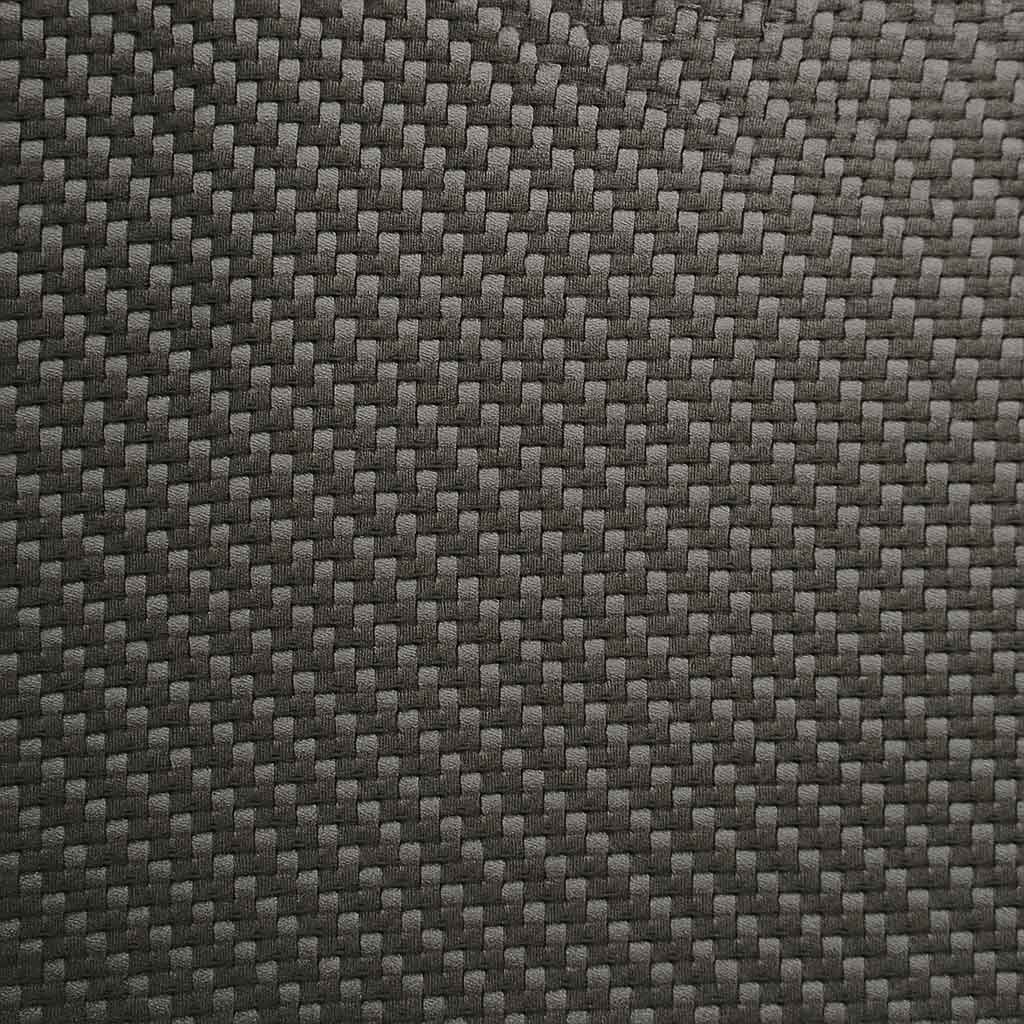
Why Carbon Road Bike Frame Design Matters
Carbon fiber is a composite material known for its impressive strength and light weight. These features make it an ideal choice for road bike frames, where every gram counts. Carbon frames offer a smooth ride, efficiently absorbing road vibrations and making long rides more comfortable. They also allow for advanced tube shaping and layup design, which can improve aerodynamics, stiffness and ride quality.
The Science Behind Carbon Fiber
Carbon fiber is made of thin strands of carbon atoms bonded together in a crystalline formation. This structure gives carbon fiber its strength. Each strand is thinner than a human hair, yet incredibly strong when woven together. The fibers are embedded in a resin matrix to create a composite that is both durable and lightweight.
Benefits of Lightweight Design
One of the most significant advantages of carbon frames is their lightweight nature. A lighter bike can accelerate faster, climb more efficiently and reduce fatigue over long distances. For competitive cyclists, this can translate to better race results; for recreational riders, it can make daily rides more enjoyable.
Comfort and Ride Quality
Carbon can be engineered to flex in specific areas while remaining stiff in others. This makes it possible to reduce road vibration without losing too much power transfer. Compared with many alloy frames, a well-designed carbon road frame can feel smoother on rough pavement and more comfortable during long rides.
Innovative Designs and Aerodynamics
The moldability of carbon fiber allows manufacturers to create tube profiles that improve aerodynamics. Features such as internal cable routing, shaped head tubes, aero seatposts and integrated cockpit designs can help reduce drag and create a cleaner, faster road bike build.
Key Considerations When Selecting a Road Bike Frame
Before choosing a road frame, compare the factors that affect fit, performance and long-term usability.
Weight
Frame weight is important for climbing and acceleration. However, the lightest frame is not always the best option. A good road frame should balance weight with stiffness, durability and handling stability.
The Impact of Weight on Performance
Weight has the greatest impact during climbs, repeated accelerations and long-distance rides. A lighter frame can make the bike feel more responsive, but the overall build also depends on wheels, cockpit, drivetrain and rider position.
Material Composition and Weight
The weight of a carbon frame depends on the carbon fiber grade, resin system, layup schedule and frame design. High-modulus carbon can reduce weight and improve stiffness, but it must be used carefully to maintain impact resistance and durability.
Balancing Weight and Durability
A road frame should be light enough for efficient riding but strong enough for daily use, sprinting, cornering and descending. For OEM buyers and custom builders, consistent production quality and testing support are just as important as headline frame weight.
Stiffness
Stiffness affects power transfer and ride response. A stiffer bottom bracket and chainstay area can improve acceleration, while controlled compliance in other areas can improve comfort.
Power Transfer and Efficiency
When a frame transfers power efficiently, more of the rider’s effort moves the bike forward instead of being lost through frame flex. This is especially important for sprinting, climbing and high-speed riding.
The Balance Between Stiffness and Comfort
Too much stiffness can make a bike feel harsh during long rides. A well-designed road frame should provide enough stiffness for performance while still offering comfort for the intended riding style.
Advanced Stiffness Technologies
Modern carbon frames use tuned layup design to place stiffness and compliance where they are needed. Different areas of the frame can use different carbon orientations and reinforcement patterns to balance weight, strength and ride feel.
Aerodynamics
Aerodynamic road frames reduce drag and help riders maintain speed with less effort. Aero performance is especially important for racing, fast group rides and flat or rolling terrain.
The Role of Aerodynamics in Cycling
At higher speeds, aerodynamic drag becomes one of the biggest forces a rider must overcome. Frame tube shapes, cable routing and cockpit integration all influence how cleanly the bike moves through the air.
Features Enhancing Aerodynamics
Tapered head tubes, hidden cables, aero seatposts and integrated handlebar systems can reduce drag and improve the visual cleanliness of the bike. When comparing aero frames, also consider serviceability and component compatibility.
Testing and Measuring Aerodynamics
Some brands use wind tunnel testing or computational design tools to refine frame shapes. Even without detailed test data, buyers can compare tube profiles, cable routing, fork integration and rider position to understand the likely aero direction of a frame.
Fit and Geometry
Frame geometry affects comfort, handling and power output. Stack, reach, head tube angle, seat tube angle and wheelbase all help determine whether a frame feels aggressive, stable or endurance-oriented.
Importance of Proper Fit
A properly fitting road frame helps riders maintain an efficient position without unnecessary discomfort. Poor fit can cause fatigue, reduce control and make long rides less enjoyable.
Understanding Frame Geometry
Frame geometry should match the riding purpose. Aero racing frames often have a more aggressive position, lightweight climbing frames focus on responsiveness, and endurance frames usually offer a more stable and comfortable fit.
Custom Fitting Solutions
Some riders and OEM projects require a more specific fit or geometry direction. For bike brands, geometry choice should match the target market, riding style and expected component setup.
Road Bike Frame Types Compared
Instead of looking for one universal “best” frame, it is more practical to compare road frame types by riding purpose. Aero, climbing and endurance frames can all be made from carbon fiber, but each design focuses on a different priority.
Lightweight Climbing Frames
Lightweight climbing frames are built for acceleration, long climbs and responsive handling. They usually focus on low frame weight, efficient power transfer and stable descending performance. Riders who regularly climb or prefer a lively bike feel often choose this type of frame.
Aero Road Racing Frames
Aero road racing frames use shaped tubes, internal cable routing and integrated cockpit designs to reduce drag at speed. They are suitable for fast road races, sprints and riders who prioritize speed on flat or rolling terrain.
Endurance Road Frames
Endurance road frames prioritize comfort, stability and long-distance efficiency. They often provide a slightly more relaxed riding position and room for wider road tires, making them suitable for long rides and rough pavement.
Value-Focused Road Frame Choices
Not every strong carbon road frame needs to be positioned as a professional race frame. Value-focused road frame choices should still be judged by geometry, carbon layup, tire clearance, cable routing, bottom bracket standard and testing support.
For custom builders and OEM buyers, value means choosing a frame platform that can be produced consistently, painted according to brand requirements and supported with clear specifications. This is where a factory-direct carbon road bike frame supplier can be more practical than comparing only retail bike brands.
Custom Carbon Road Frames

Custom carbon road frames are useful for bike brands, distributors and riders who need a more specific build direction. Customization may include paint, logo application, geometry discussion, component compatibility and OEM production planning.
Mondince supports carbon road frame projects for lightweight climbing, aero road racing and endurance builds. Buyers can compare available frame platforms first, then discuss sample orders, custom paint and bulk production requirements.
Explore available options in the Mondince carbon road bike frames category.
Conclusion
Choosing the right carbon road bike frame starts with understanding the type of riding you want to support. Aero frames focus on speed, climbing frames focus on low weight and acceleration, while endurance frames focus on comfort and stability for long-distance riding.
Once you know which frame type fits your riding style or product plan, compare geometry, weight, tire clearance, stiffness, cable routing and testing support. For available OEM and custom options, visit the Mondince road bike frame collection and choose the frame platform that best matches your build.