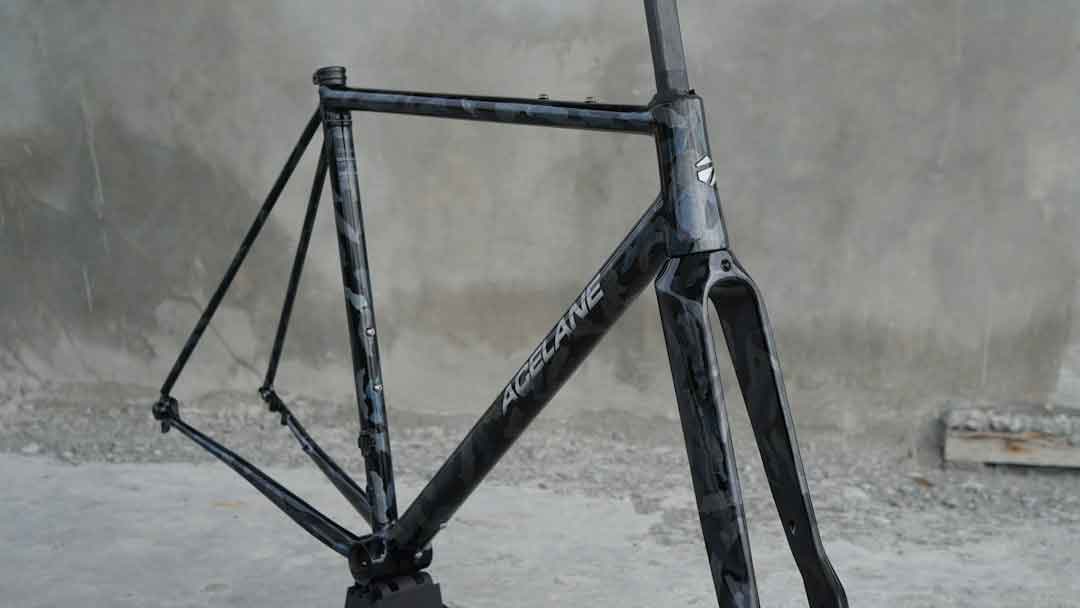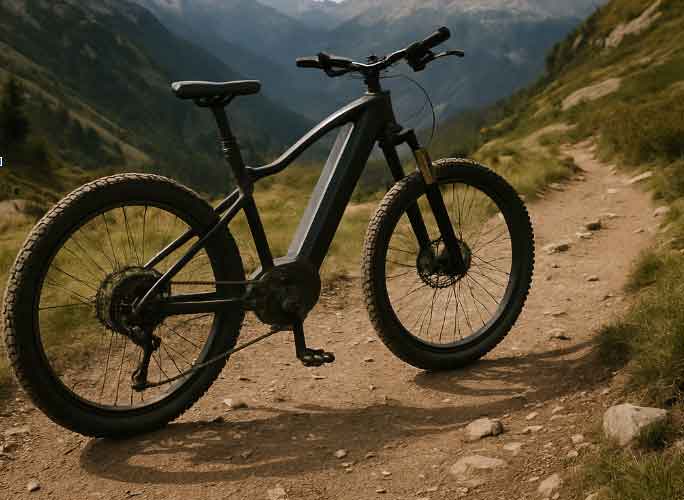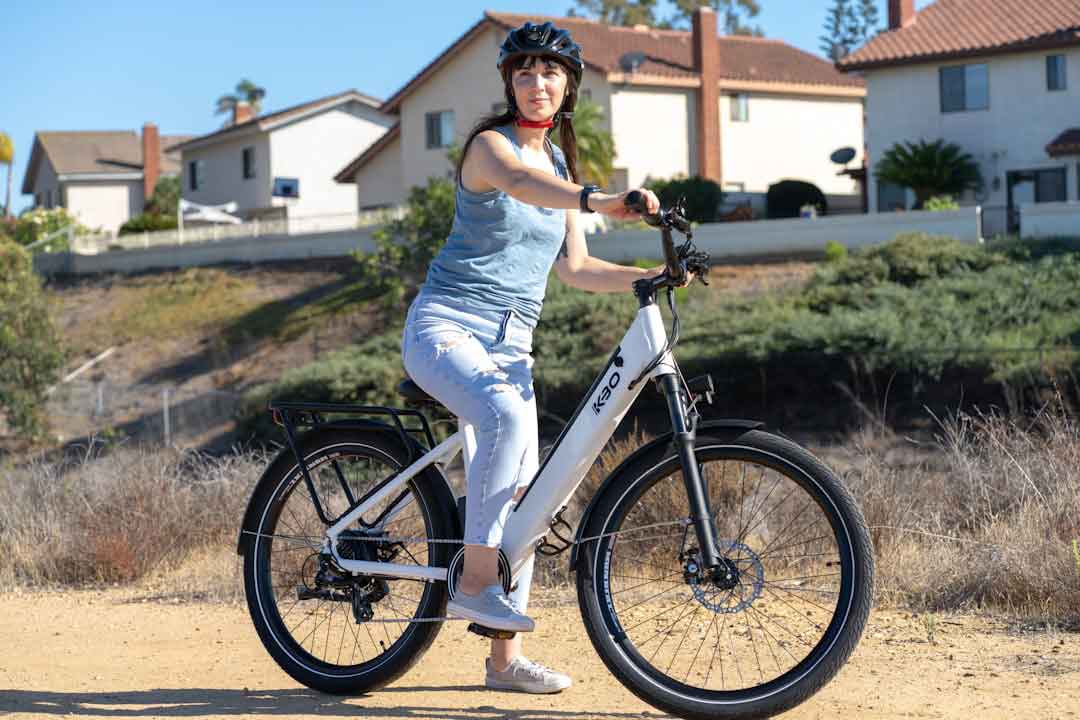

Choosing a carbon e-bike frame is not only about weight. A good e-bike frame must match the motor system, battery layout, riding style, frame strength requirements, and long-term service needs. This guide explains what to check before choosing a carbon electric bike frame for e-MTB, e-gravel, urban commuter, or OEM bike projects.
For available models, you can browse the Mondince e-bike frame collection. If you are comparing carbon materials and frame construction, our T800 vs T1000 carbon fiber guide can also help you understand how carbon layup choices affect stiffness, weight, and durability.
Why Carbon Fiber Works Well for E-Bike Frames
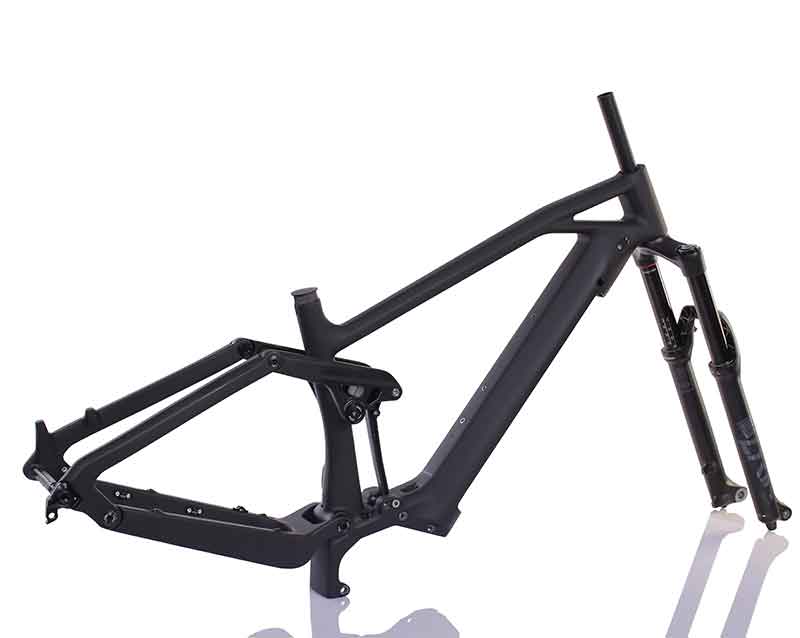
Carbon fiber is widely used in high-performance e-bike frames because it offers a strong balance of low weight, stiffness, vibration damping, and design flexibility. Compared with aluminum or steel, carbon allows engineers to reinforce high-stress areas while keeping other parts of the frame lighter.
This matters more on an e-bike than on a normal bike. Motors, batteries, wiring, and reinforced mounting areas all add weight. A well-designed carbon e-bike frame helps offset that extra weight while maintaining stable handling and a cleaner integrated appearance.
Carbon fiber also gives manufacturers more freedom to shape the downtube, motor area, chainstays, and cable routing. For OEM bike brands, this makes it easier to design e-bike frames around specific motor systems, battery sizes, tire clearance requirements, and riding categories.
Motor Compatibility Comes First
The first thing to check is motor compatibility. An e-bike frame must be designed around a specific motor interface. A frame made for one motor system usually cannot be changed easily to fit another system without redesigning the mounting area.
Common motor systems include Bosch, Bafang, Shimano EP series, Fazua, and other mid-drive systems. Each system has different mounting points, clearance needs, chainline considerations, battery requirements, and wiring routes.
- Bosch-compatible frames: Often used for premium e-MTB and trekking e-bike builds.
- Bafang-compatible frames: Popular for powerful e-MTB, fat e-bike, and OEM projects.
- Shimano EP-compatible frames: Common in trail and mountain e-bike applications.
- Fazua-compatible frames: Suitable for lighter e-gravel, road, and urban electric builds.
Before choosing a frame, confirm the motor model, battery type, controller position, wiring path, and whether the frame supplier can provide matching hardware or drawings for assembly.
Battery Integration and Downtube Design
Battery integration is one of the most important design points on a carbon e-bike frame. A well-integrated battery improves appearance, protects the battery, and helps keep the center of gravity low and stable.
Most modern carbon e-bike frames use an enlarged downtube to house the battery. The frame must be strong enough around the battery opening, charging port, mounting area, and lower downtube, because these areas carry more structural load than a normal bike frame.
When reviewing an e-bike frame, check these battery details:
- Battery size: Make sure the frame supports the required battery capacity and shape.
- Access method: Confirm whether the battery is removable from the top, bottom, or side.
- Charging port: Check the location and protection from water, mud, and impact.
- Heat and cable routing: Make sure wiring and connectors are easy to route and service.
- Frame reinforcement: The battery opening should be reinforced to maintain stiffness and strength.
Frame Strength and Carbon Layup
E-bike frames face higher loads than regular frames because of motor torque, extra system weight, higher average riding speed, and heavier rider-bike combinations. This is why carbon layup design is critical.
Important reinforcement areas include the motor mount, bottom bracket area, chainstays, head tube, suspension pivot zones, rear dropout, and battery opening. A lightweight carbon frame is useful, but it should not sacrifice strength in these high-stress areas.
For OEM projects, ask whether the supplier can provide testing information, layup options, and reinforcement choices for different use cases. A commuter e-bike frame, a full-suspension e-MTB frame, and a lightweight e-gravel frame should not use the same structural design.
Choose the Frame by Riding Style
The best carbon e-bike frame depends on how the bike will be used. A frame that works well for an urban commuter may not be strong or capable enough for mountain trails. A full-suspension e-MTB frame may be unnecessary for a lightweight city or gravel build.
- Urban e-bike frame: Prioritize comfort geometry, internal battery, fender/rack mounts, and clean cable routing.
- E-MTB frame: Prioritize motor strength, suspension design, tire clearance, rear triangle stiffness, and impact resistance.
- E-gravel frame: Prioritize lower weight, efficient geometry, internal routing, tire clearance, and long-distance comfort.
- OEM e-bike frame: Prioritize motor standard, battery customization, size range, paint options, and stable production support.
If you are not sure which style fits your project, compare the available carbon e-bike frames and match the frame type to the customer use case before choosing a motor system.
Geometry, Tire Clearance and Handling
Geometry has a major effect on how an e-bike feels. Because e-bikes are heavier than regular bikes, stable geometry is important. A longer wheelbase, suitable head tube angle, and balanced reach can make the bike feel more controlled at speed and on rough surfaces.
Tire clearance also matters. Urban e-bikes may use narrower tires, while e-MTB and e-gravel frames need more space for larger tires. More tire clearance gives riders better comfort, grip, and versatility, especially on mixed terrain or loose surfaces.
For mountain e-bike projects, also check suspension travel, shock size, pivot layout, and rear axle standard. For commuter and gravel e-bike projects, check fender mounts, bottle mounts, rack options, and cable routing.
What OEM Buyers Should Check
For bike brands, importers, and distributors, choosing a carbon e-bike frame is also a manufacturing and after-sales decision. The frame must be compatible with the selected motor and battery, but it also needs reliable supply, stable quality control, and customization support.
- Motor and battery drawings: Confirm all dimensions before sample production.
- Testing: Ask for frame strength and fatigue testing information.
- Paint and branding: Check custom paint, logo, and finish options.
- Spare parts: Confirm hanger, axle, battery cover, motor cover, and small hardware availability.
- MOQ and lead time: Make sure production timing fits your launch plan.
Mondince supports OEM and custom carbon frame projects. You can also review our OEM carbon frame service for customization options, painting, geometry support, and production cooperation.
Mondince Carbon E-Bike Frames
Mondince offers purpose-built carbon e-bike frames for different motor systems and riding categories. Available options include carbon e-MTB frames, Bosch-compatible e-bike frames, Bafang-compatible e-bike frames, and lightweight electric frame platforms for custom projects.
Key features can include reinforced motor mounting zones, internal battery routing, clean cable integration, carbon layup customization, and custom paint. For brands and shops, Mondince can help match the frame platform to the motor system, target market, and riding style.
To compare available options, visit the Mondince carbon e-bike frame collection. For safety and testing background, you can also review our certification and testing information.
Final Thoughts
A carbon e-bike frame should be chosen around the complete system: motor, battery, wiring, tire clearance, geometry, strength, and serviceability. Weight is important, but it is only one part of the decision. The best frame is the one that fits the motor system, riding style, and long-term support needs.
Need help choosing a carbon e-bike frame? Browse Mondince e-bike frames or contact Mondince for OEM frame recommendations, custom geometry, motor compatibility, and painting options.