Motor interfaces
Mounting points, axle or dropout dimensions and cable exits depend on the drive platform. Confirm these against the exact system model.
Performance Carbon Frames for Your Next Ride

Carbon e-road frames have to accommodate a drive system, battery and road-bike components while preserving the fit and handling goals of the complete build. Compare the Mondince FM406 FSA hub-motor road platform with the FM396 Fazua Ride 60 road and gravel platform. The specifications below are model-listing figures; confirm the final configuration and supporting documents before ordering.
Browse all carbon ebike frames →Adding electric assist changes the packaging and load paths a frame designer must consider. The motor, battery, wiring, axle interfaces and rider loads all need to work together within the frame layout. Carbon composite construction gives designers control over fiber direction and local reinforcement, but the material name alone does not prove that a particular frame is safe or suitable for a particular use.
For an OEM project, the useful questions are specific: which motor and battery are being integrated, where their interfaces sit, what riding category the frame is intended for, and what test evidence applies to the finished model. Neither the FM406 nor the FM396 should be assumed to accept a different drive unit solely because it is also a carbon e-bike frame.
Mounting points, axle or dropout dimensions and cable exits depend on the drive platform. Confirm these against the exact system model.
Battery dimensions, capacity, charging access and retention method affect frame packaging. The listed battery capacities do not establish cross-model compatibility.
Road, all-road and gravel builds can have different tire, geometry and component needs. Define the intended use before choosing a platform.
ISO 4210-6 describes test methods for bicycle frames and forks, including impact and fatigue procedures. A standard describes how tests are conducted; it does not by itself show that a particular frame model has passed. Ask for the report or certificate that names the model, applicable standard and edition, test configuration, laboratory and result.
The material currently available for this page does not include a model-specific FM406 or FM396 test report, fatigue-cycle result, rider-weight limit or system-payload rating. Those values are therefore not stated here. For a launch into a regulated market, confirm applicable e-bike requirements for the complete bicycle with the responsible compliance specialist.
Useful buyer check: request the test document for the exact frame and configuration under consideration. A general factory statement or a report for another model is not a substitute for model-level evidence.
Mondince provides general certification and testing information; ask the team which documents cover the specific model and target market.
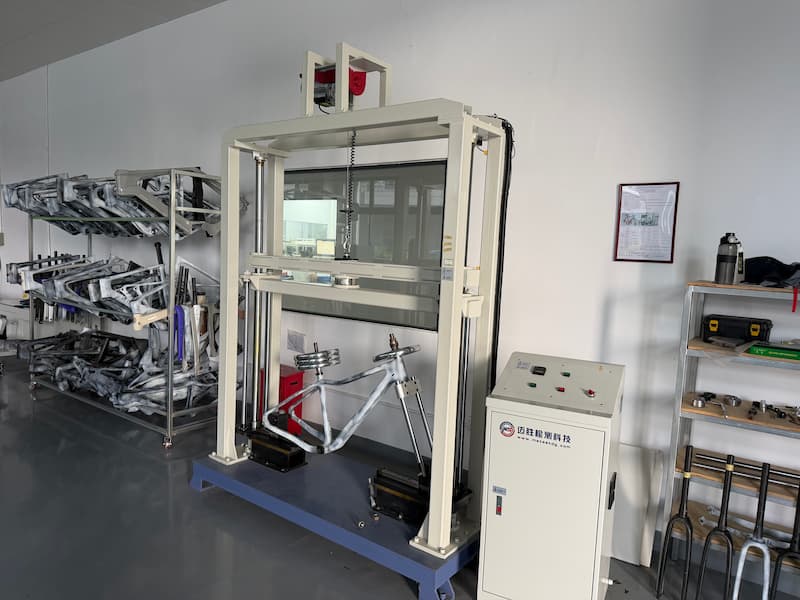
The listed bare-frame weights offer a model-level comparison, but they are measured at different nominal sizes. They are not complete-bike weights and do not reveal how a finished bike will handle. Motor, battery, wheels, components, paint and size all affect the assembled bike's total weight and balance.
| Model | Listed frame weight | Reference size | What the figure means |
|---|---|---|---|
| FM406 | 1,150 g ±30 g | Size S | Frame figure from the model listing; does not include the complete drive system or full bicycle build. |
| FM396 | 1,450 g ±30 g | Size 53 cm | Frame figure from the model listing; compare only with size and included-parts basis confirmed for your quote. |
The supplied product information does not establish complete-bike weights or measured front-to-rear weight-distribution ratios for either model. Those depend on the final build and should be measured on the configured bicycle.
A hub motor and a mid-drive place the drive system in different parts of the bicycle and use different frame interfaces. Choose the platform that matches your intended system instead of treating the two frames as interchangeable. Confirm the current build specification with Mondince and the drive-system supplier.
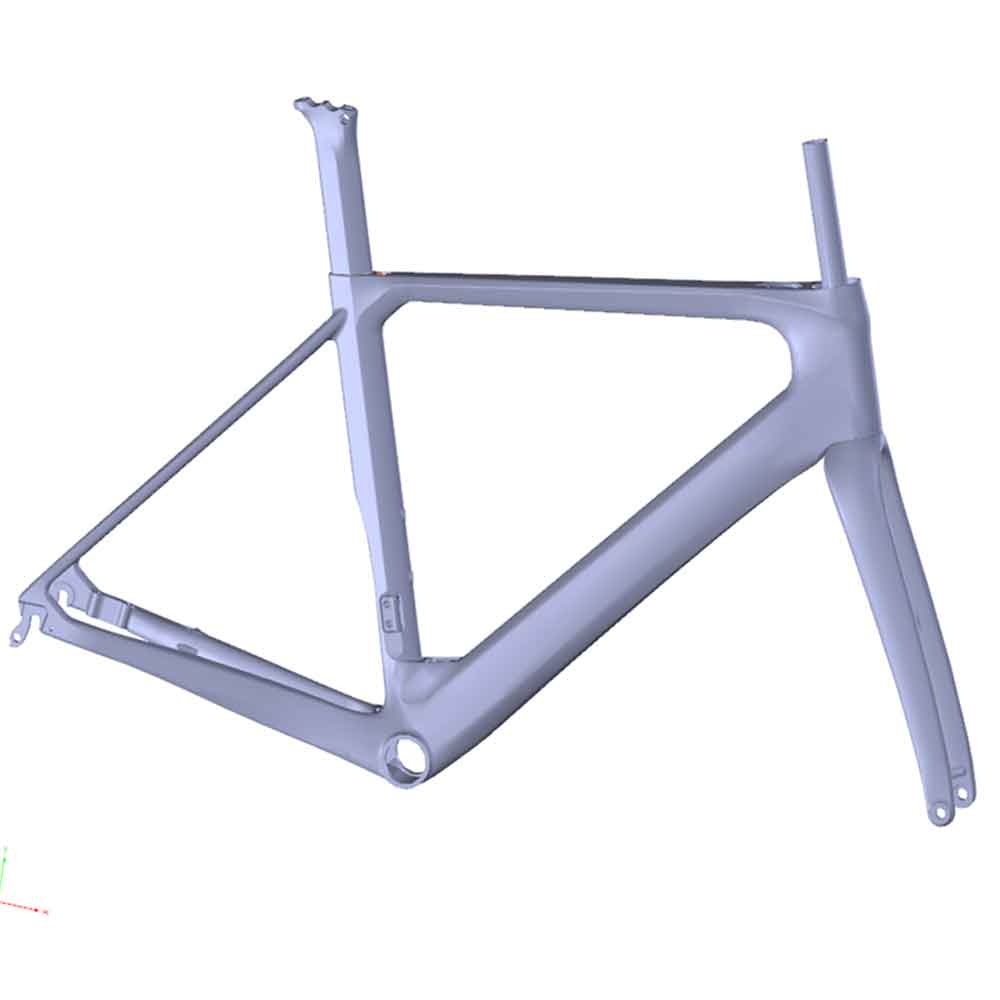
A carbon electric road frameset platform with an FSA HM 1.0 hub motor, integrated downtube battery and quick-release rear spacing.
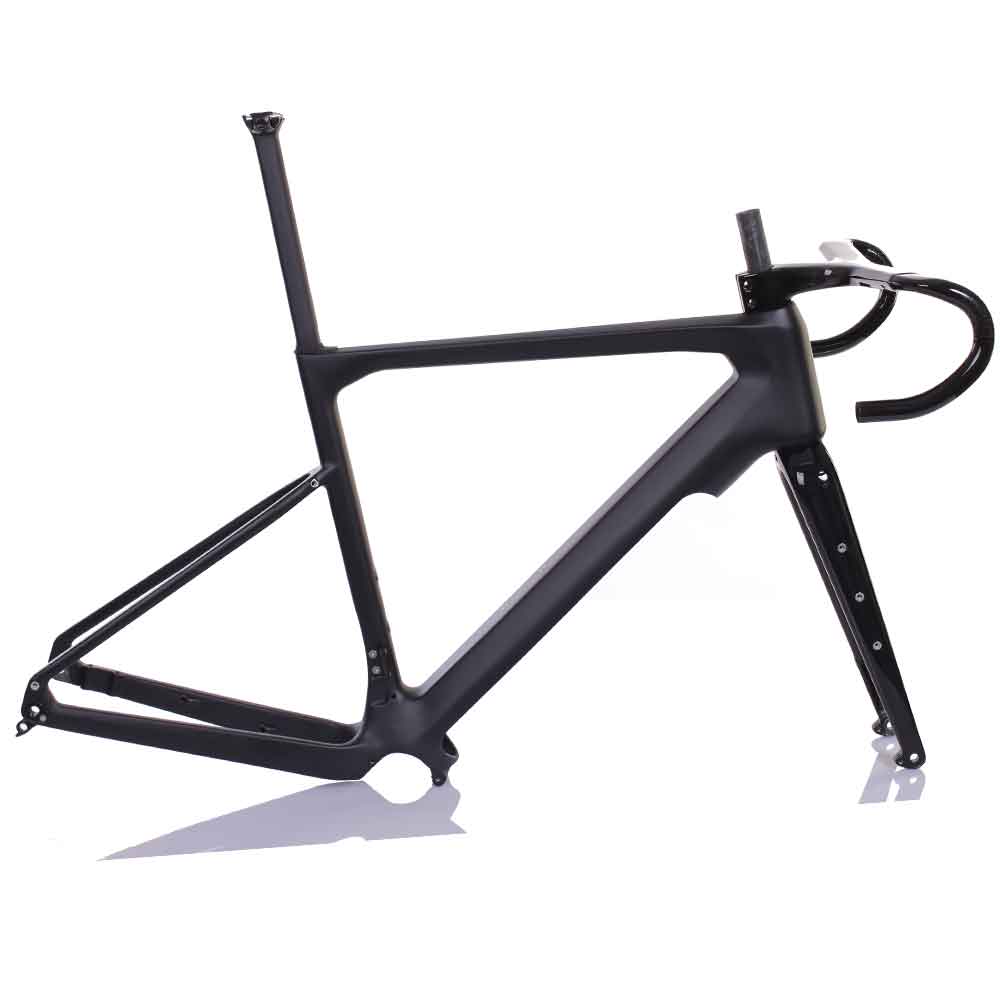
A carbon electric gravel frame platform for road and mixed-surface builds, with the listed 45 mm tire clearance and Fazua Ride 60 drive system.
Weights and component specifications are reproduced from the respective model listings and refer to the stated frame sizes. Confirm the latest specification, included parts and compatibility with Mondince before ordering.
These models use different drive layouts and rear standards. They are not interchangeable frame options for one motor system.
| What you are planning | Start with | Why to check |
|---|---|---|
| Road-focused build with hub drive | FM406 | Listed with FSA HM 1.0 hub motor, 250 Wh battery, 700 × 32 mm tires and 9 × 135 mm rear spacing. |
| Road and gravel use with mid-drive | FM396 | Listed with Fazua Ride 60, 430 Wh battery, up to 45 mm tire clearance and 12 × 142 mm rear spacing. |
| A complete-bike or OEM launch | Confirm the full system first | Share your target market, motor and battery supplier, wheel and tire choice, brake setup, sizes and applicable compliance plan before design freeze. |
Motor and battery choices affect frame interfaces and build compatibility. A short requirements brief helps the engineering and sales teams identify the right existing platform or the questions a custom project must resolve.
Specify the exact motor model and confirm its mount, wiring, controller and component ecosystem. The FM406 and FM396 use different drive layouts.
Confirm battery model, capacity, dimensions, charging access and removal requirements. Do not assume a battery from one platform fits the other.
Share wheel size, intended tire width, brake configuration, frame size range and target sales markets so fit and regulatory requirements can be reviewed together.
See all carbon ebike frames, OEM services and certification information.
How an e-bike feels when assistance is switched off or the battery is depleted depends on the exact motor, clutch or freewheel design, drivetrain and complete-bike setup. The materials available for this page do not verify a “zero drag” claim for either FM406 or FM396.
If unassisted riding is important to your project, request the drive-system supplier's technical information and, where possible, evaluate a complete bike using the intended motor and drivetrain configuration.
Frame geometry is only one part of a compatible e-road build. The product listings provide selected motor, battery, wheel and axle information; they do not document every headset, brake, cable-routing, groupset or accessory interface. Confirm the complete specification sheet for the exact frame size and production configuration before buying parts.
| Interface to confirm | FM406 listing | FM396 listing | Before build approval |
|---|---|---|---|
| Drive system | FSA HM 1.0 hub motor | Fazua Ride 60 mid-drive | Confirm exact system model, mount, wiring, controller and supplied parts. |
| Battery | 250 Wh integrated downtube battery | 430 Wh integrated battery | Confirm battery model, dimensions, charging access and service procedure. |
| Front / rear spacing | 12 × 100 mm / 9 × 135 mm | 12 × 100 mm / 12 × 142 mm | Match fork, hub, wheel and brake components to the final specification. |
| Seatpost listed | Aero type | D type | Confirm the exact post profile, dimensions and included hardware. |
| Brake and cable interfaces | Confirm with model specification | Confirm with model specification | Request the current drawing or component-compatibility sheet. |
This table separates information present in the model listings from interfaces that still need confirmation. It does not claim universal compatibility with Shimano, SRAM or third-party motor systems.
The FM406 listing specifies 700 × 32 mm tires. The FM396 listing specifies 700 × 45 mm or 650B × 2.1 in. These listed limits make FM396 the wider-tire option in this pair, while FM406 is the narrower road setup.
Actual clearance depends on the tire's measured width on the selected rim, wheel alignment, frame production tolerances and the clearance required for the intended riding conditions. Confirm the wheel-and-tire combination with Mondince before committing to a build.
Buyers and OEM partners should review the documents that apply to the chosen model: inspection records, test reports where available, warranty terms, replacement-part support and the process for reporting damage. The current source material does not specify a two-year warranty, ultrasonic inspection on every frame or a model-specific certificate, so this page does not make those claims.
For an OEM quotation, ask which quality checks are recorded for the order and what the warranty covers, including exclusions, duration and claim procedure. Written, model-specific information is more useful than a general quality statement.
See available certification information or contact Mondince to request model-level documentation.
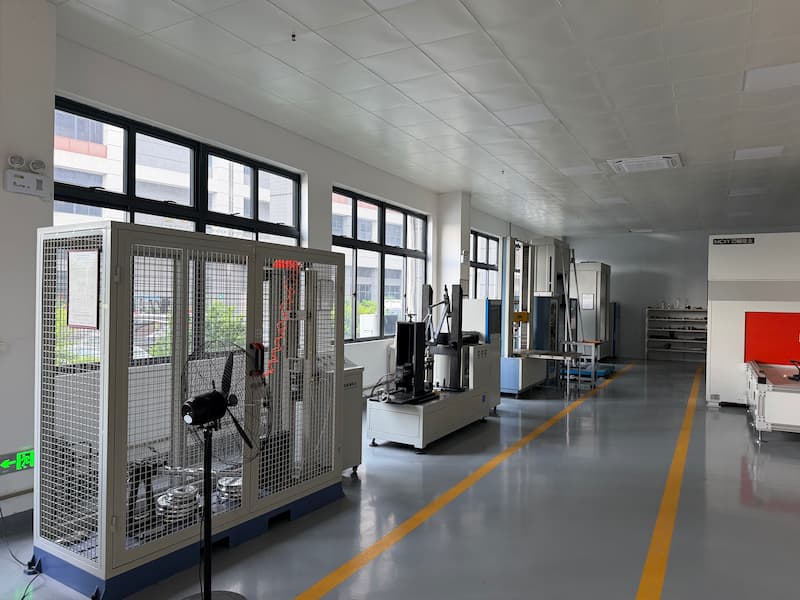
The listed FM406 is a road frame platform with an FSA HM 1.0 hub motor and 250 Wh integrated battery. The FM396 is a road and gravel platform listed with a Fazua Ride 60 mid-drive and 430 Wh integrated battery. They also differ in tire capacity and rear spacing.
Do not assume so. The FM406 and FM396 are designed around different drive systems. Confirm motor, battery, controller, wiring and mounting compatibility with Mondince and the system supplier before selecting a frame.
The FM396 listing specifies 700 × 45 mm or 650B × 2.1 in tire sizing. The FM406 listing specifies 700 × 32 mm. Actual tire fit can vary with tire casing, rim width and required clearance, so confirm the intended wheel and tire combination.
Include the model of interest, motor and battery details, target market, wheel and tire specification, frame sizes, brake setup, paint or logo requirements and estimated order quantity. Mondince can then discuss the fit of the existing platform and any open engineering requirements.
No model-specific report showing that result was available in the materials reviewed for this page. Ask Mondince for the report that identifies the exact model, test method, edition and outcome before relying on a test claim.
A verified model-specific rider or system-weight limit was not present in the available product information. Request the current written limit for the selected frame and intended use.
The materials reviewed for this page did not confirm a two-year warranty for these models. Ask for the current written warranty terms, including coverage period, exclusions and the claims process.
Follow the instructions supplied for the frame, motor and battery. Use the specified torque values for each fastener and component; do not infer torque limits from another frame or motor. Keep electrical connectors and battery interfaces serviced as directed by the system supplier.
After a crash, significant impact or suspected carbon damage, stop riding and have the frame assessed by a qualified service professional. Composite damage may not be obvious from a surface check. The exact inspection or repair process should come from the frame manufacturer or qualified carbon repair specialist.
Tell us which drive system you are considering and share your key fit, market and OEM requirements. We can review whether FM406, FM396 or a custom platform is the right starting point.