
Mountain Bike Frames – Complete Guide & Buyer‘s Resource
A quality mountain bike frame is the heart of your off‑road setup, determining how the bike climbs, corners, and absorbs impacts. Whether you are looking for a lightweight carbon hardtail for XC racing, a full‑suspension carbon MTB frame for trail and enduro, or a durable carbon frame for an e‑MTB build, the right frame transforms every ride. This guide covers modern geometry, sizing, and Mondince’s complete mountain bike frame lineup.
⚡ Quick Navigation
➡️ Why Carbon for Mountain Bikes? | Hardtail vs Full‑Suspension
➡️ Mountain Bike Geometry Explained | MTB Size Chart
➡️ Mondince Carbon MTB Frames | E‑MTB Frames
➡️ Custom Paint & Geometry | FAQ
Why Carbon Fiber for Mountain Bikes?
Carbon fiber has transformed mountain biking. The material allows engineers to create frames that are lightweight, stiff, and impact‑resistant – qualities that directly improve trail performance. Here is why a premium carbon MTB frame is a worthwhile investment for serious riders:
- Exceptional strength‑to‑weight ratio – A carbon XC hardtail can weigh as little as 850–880 g (size S) – roughly three times lighter than the average aluminum hardtail. Most full‑suspension carbon trail frames weigh 2,000–2,500 g, still significantly lighter than alloy alternatives.
- Impact resistance with strategic layup – Contrary to old concerns, modern carbon frames are remarkably durable. Impact testing shows carbon frames can be as tough as aluminum when designed with proper reinforcement around high‑stress zones (bottom bracket, head tube, chainstays).
- Tuned stiffness and compliance – Carbon allows engineers to create frames that are stiff where power is applied (bottom bracket, head tube) yet compliant in areas that should absorb trail chatter (seat stays). The result is a bottom bracket that stays rigid when you sprint and a rear end that tracks the trail smoothly.
- Vibration damping – Carbon naturally absorbs high‑frequency trail chatter, reducing hand and arm fatigue on long, rocky descents. This is especially beneficial for marathon and enduro riders who spend hours on demanding terrain.
- Infinite fatigue life – Unlike aluminum (which has a finite fatigue life of 10–15 years), carbon has no fatigue limit when properly designed and kept free from severe impacts. A well‑cared‑for carbon frame can last for decades.
Independent Certification Matters – Every Mondince carbon frame is independently tested to 1.3 Times ISO 4210 standards. This includes rigorous impact, fatigue, and rigidness tests that exceed the industry baseline, giving you peace of mind on every ride. Third‑party test reports are available upon request.
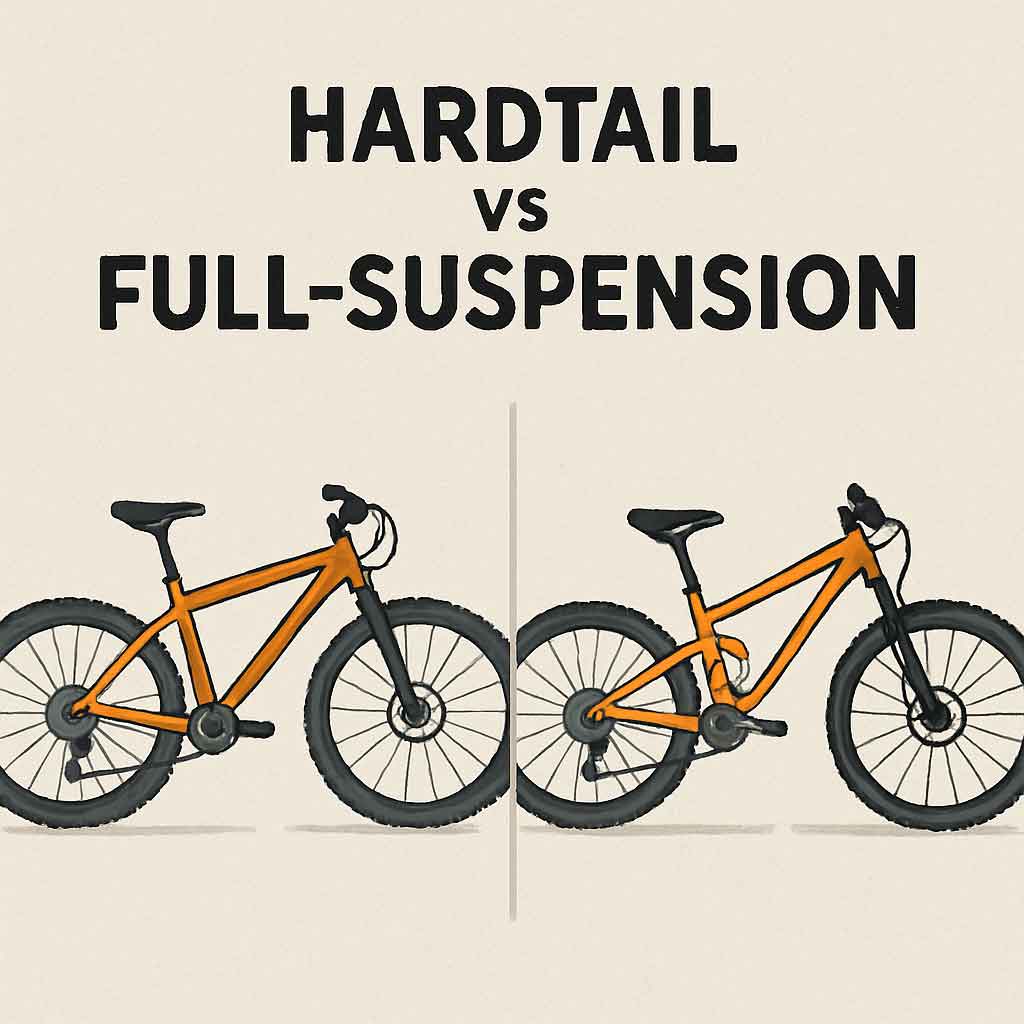
Hardtail vs Full‑Suspension – Which Is Right for You?
Understanding the difference between these two categories is the first step in choosing a mountain bike frame. The table below summarizes the key trade‑offs.
| Weight | Very light (850–1,200 g) | Heavier (2,000–2,500 g) |
| Maintenance | Simpler, fewer moving parts | Requires rear shock service, pivot maintenance |
| Pedaling efficiency | Excellent power transfer | Good, with lockout options |
| Climbing ability | Shines on smooth climbs and fire roads | Better on technical, loose climbs (more traction) |
| Descending / rough terrain | Limited – rear wheel can chatter | Superior – rear wheel tracks ground closely |
| Best for | XC racing, marathon, bikepacking, budget builds | Trail, enduro, park riding, technical descents |
When to choose a hardtail: If you primarily ride smooth singletrack, fire roads, or groomed XC trails, a carbon hardtail MTB frame offers outstanding efficiency and weight savings. Hardtails also require less maintenance and cost less to build, making them ideal for riders who want a fast, simple, and reliable machine.
When to choose full‑suspension: If your local trails are rocky, rooty, or chunky, a full‑suspension carbon MTB frame provides significantly better traction, comfort, and control. The rear suspension keeps the tire planted on uneven ground, allowing you to ride faster and with less fatigue. For enduro, trail, or bike park use, full‑suspension is the better choice.
Mountain Bike Geometry – Numbers That Matter
Modern mountain bike geometry has evolved dramatically. Understanding these terms helps you decode any geometry chart and predict how a bike will handle on the trail.
- Head tube angle (HTA) – A slacker angle (64–66°) increases stability at speed and on steep descents, ideal for enduro and trail riding. A steeper angle (67–69°) offers quicker steering response, preferred for XC and marathon bikes.
- Seat tube angle (STA) – A steeper seat tube angle (75–78°) positions the rider more centrally over the bottom bracket, improving climbing traction and power transfer. Modern geometry has trended toward steeper seat tubes.
- Reach – The horizontal distance from the bottom bracket to the head tube. Longer reach (450–500 mm for medium frames) provides a more stable, stretched‑out position for descending. Shorter reach offers a more upright, agile feel for tight trails.
- Chainstay length – Short chainstays (420–430 mm) make the bike feel playful and quick to manual, ideal for trail riding. Longer chainstays (435–450 mm) improve climbing traction and high‑speed stability, often found on enduro bikes.
- Bottom bracket drop – A lower BB drop (down to 25–35 mm below axle height) lowers the center of gravity, improving cornering confidence and stability. XC bikes often have slightly higher BBs for pedal clearance over rocks.
All Mondince mountain frames are designed with modern, progressive geometry – longer reach, steeper seat tubes, and slacker head angles than earlier generations – ensuring confident handling on both steep climbs and rapid descents.
Mountain Bike Size Chart – How to Find Your Perfect Fit
Unlike road bikes, mountain bikes are typically labeled S, M, L, XL rather than in centimeters. Use this chart as a starting point, then fine‑tune with personal preference. For the most accurate fit, measure your inseam (see step‑by‑step instructions below).
| Rider Height | Inseam (cm) | Typical MTB Size | Approx. Reach (mm) |
|---|---|---|---|
| 152–160 cm (5'0"–5'3") | 66–71 cm | XS – S | 400–430 |
| 160–168 cm (5'3"–5'6") | 71–76 cm | S – M | 425–445 |
| 168–175 cm (5'6"–5'9") | 76–81 cm | M | 440–465 |
| 175–183 cm (5'9"–6'0") | 81–86 cm | L | 460–485 |
| 183–190 cm (6'0"–6'3") | 86–91 cm | XL | 480–510 |
| 190+ cm (6'3"+) | 91+ cm | XXL / custom | 500–530 |
How to Measure Your Inseam Properly: Stand barefoot against a wall. Place a hardcover book between your legs, spine upward, pressing it firmly against your crotch as if sitting on a saddle. Mark the wall at the top of the book’s spine, then measure from the floor to that mark. Repeat twice and take the average.
If you are between sizes: Choose the smaller size for a more playful, maneuverable feel (ideal for tight singletrack). Choose the larger size for more stability and confidence on high‑speed descents. Many modern riders prefer sizing up for the added reach and stability – a common practice in enduro and trail riding.
Mondince Carbon MTB Frames – Compare the Range
Mondince engineers a complete lineup of premium carbon mountain bike frames, from lightweight XC hardtails to robust full‑suspension trail frames. All frames feature premium Toray carbon (T800 / T1000), Boost spacing (12x148mm rear / 15x110mm front), internal cable routing, Universal Derailleur Hangers (UDH) for future‑proof drivetrain compatibility, and are 1.3 Times ISO 4210 tested.
Below is a detailed comparison of our most popular mountain frames, designed to help you quickly identify the frame that best matches your riding style and goals.
| Model | Discipline | Weight | Travel / Type | Key Specs | Tire Clearance |
|---|---|---|---|---|---|
| FM238 | XC / Marathon | ~850–880 g | Hardtail | T47 BB, full internal routing, UDH | Up to 27.5"x3.0" |
| FM228 | XC / Light Trail | ~880–920 g | Hardtail | T1000 carbon, Boost 148, internal routing | 27.5"x3.0" / 29"x2.4" |
| FM218 | XC / Trail Hardtail | ~950–1,050 g | Hardtail | BB92 option, T47 optional, Boost 148 | 27.5"x3.0" |
| FM248 | Trail / All‑Mountain | ~2,200–2,500 g (frame) | Full‑suspension (120 mm travel) | T47 BB, fully internal cable routing, Boost 148 | 27.5"x2.8" / 29"x2.5" |
| FM198 | Trail / All‑Mountain | ~2,100–2,400 g (frame) | Full‑suspension (120 mm travel) | BB92 bracket, Boost 148, disc brake mount | 27.5"x2.6" / 29"x2.5" |
| FM120 (Fat) | Fat bike / Snow & Sand | ~1,700–1,900 g | Rigid / Hardtail | 197mm rear spacing, BSA 120mm BB | 27.5"x4.5" |
🚀 FM238 – Ultralight XC Hardtail
The FM238 is Mondince’s flagship XC hardtail. Weighing as little as 850 g (size S), it uses Toray T1000 carbon with full internal cable routing and a T47 threaded bottom bracket – a rare combination at this weight. The modern geometry (slacker head tube, steeper seat tube) makes it capable on technical climbs and fast descents alike.
- Weight: 850–880 g (depending on size)
- Material: Toray T1000 carbon
- BB Type: T47 threaded (creak‑free, serviceable)
- Max tire clearance: 27.5"x3.0"
- Best for: XC racing, marathon, lightweight builds
🚵 FM228 – Lightweight XC / Trail Hardtail
The FM228 shares the same ultralight DNA as the FM238 but offers more tire flexibility (27.5"x3.0" or 29"x2.4") and a slightly more forgiving geometry for all‑day trail riding. Weighing approx. 880 g, it remains one of the lightest hardtails in its class.
- Weight: Approx. 880 g (size S)
- Material: Toray T1000 carbon
- BB Type: BB92 or T47 option
- Max tire clearance: 27.5"x3.0"
- Best for: XC racing, light trail, bikepacking
🏔️ FM218 – Versatile Carbon Hardtail
The FM218 is a versatile hardtail platform with multiple BB options (BB92 or T47). Weighing 950–1,050 g, it balances lightweight performance with impact resistance, making it a great choice for riders who want a do‑it‑all hardtail for XC, trail, and light bikepacking.
- Weight: 950–1,050 g
- Material: Toray T800 / T1000 carbon
- BB Type: BB92 or T47 option
- Max tire clearance: 27.5"x3.0"
- Best for: XC, trail, bikepacking
⛰️ FM248 – 120mm Full‑Suspension Trail Frame
The FM248 is a modern trail full‑suspension frame with 120 mm of rear travel. Fully internal cable routing (including dropper post), T47 bottom bracket, and Boost 148 spacing deliver a clean, stiff, and responsive platform. The suspension design balances climbing efficiency with descending confidence – ideal for all‑day trail riding.
- Travel: 120 mm rear
- Material: Toray T800 / T1000 carbon
- BB Type: T47 threaded
- Max tire clearance: 27.5"x2.8" / 29"x2.5"
- Best for: Trail riding, all‑mountain, enduro light
🏞️ FM198 – 120mm Full‑Suspension All‑Mountain Frame
The FM198 offers a similar 120 mm travel platform with a BB92 bottom bracket option. Designed for aggressive trail and all‑mountain use, the frame features modern geometry (slack head angle, long reach) and generous tire clearance. A great choice for riders seeking a durable, capable full‑suspension frame.
- Travel: 120 mm rear
- Material: Toray T800 / T1000 carbon
- BB Type: BB92
- Max tire clearance: 27.5"x2.6" / 29"x2.5"
- Best for: Trail riding, all‑mountain, enduro light
❄️ FM120 – Carbon Fat Bike Frame
The FM120 is a full‑carbon fat bike frame designed for snow, sand, and year‑round adventure. With clearance for 27.5"x4.5″ tires, 197 mm rear spacing, and a threaded BSA 120 mm bottom bracket, it provides unmatched float and control in soft conditions.
- Weight: Approx. 1,700–1,900 g
- Material: Toray T700 / T800 carbon
- BB Type: BSA 120 mm threaded
- Max tire clearance: 27.5"x4.5"
- Best for: Winter riding, sand dunes, beach cruising
E‑MTB Frames – Integrated Power for Mountain Trails
For riders who want assisted climbing and extended adventure, Mondince offers purpose‑built carbon e‑MTB frames that integrate motor and battery systems seamlessly. These frames feature reinforced high‑stress areas to handle the increased torque and weight of an electric drivetrain, while maintaining a natural ride feel. Compatible with major systems including Bosch Gen4, Bafang M620, Fazua Ride 60, and Shimano EP8 / EP801.
Custom Paint & Geometry – Make It Your Own
As a trusted OEM / ODM partner since 2007, Mondince offers complete customization beyond the standard product lineup:
- Any Pantone / RAL color – Choose from matte, gloss, satin, metallic, or chameleon (color‑shift) finishes. Custom logos applied via water‑transfer decals under the clear coat for a seamless, durable finish – no peeling or scratching.
- Full custom geometry – For brand partners and riders with unique proportions, we can build a frame tailored precisely to your body and riding style (reach, stack, chainstay length, and suspension kinematics).
- Low MOQ from 1 set – Sample frames available for private customers. Custom paint MOQ: 30 sets. OEM wholesale pricing available for bulk orders.
👉 Request custom geometry or a quote →
Frequently Asked Questions About Mountain Bike Frames
How do I choose between a hardtail and a full‑suspension mountain bike frame?
What is the real weight of Mondince carbon MTB frames?
Are carbon mountain bike frames safe and durable for hard trail riding?
What is the warranty on Mondince carbon MTB frames?
Does Mondince offer OEM or custom frame production for brands?
Ready to Build Your Dream Mountain Bike?
Whether you are a racer chasing podiums, a trail rider seeking adventure, or a brand looking for a reliable OEM partner, Mondince Cycle has a carbon mountain bike frame that fits your needs. Every frame is crafted from premium Toray carbon, tested to 1.3 Times ISO 4210 standards, and fully customizable – from paint color to custom geometry.
👉 Explore all carbon mountain bike frames →
👉 Request a quote or custom geometry →
Related Articles
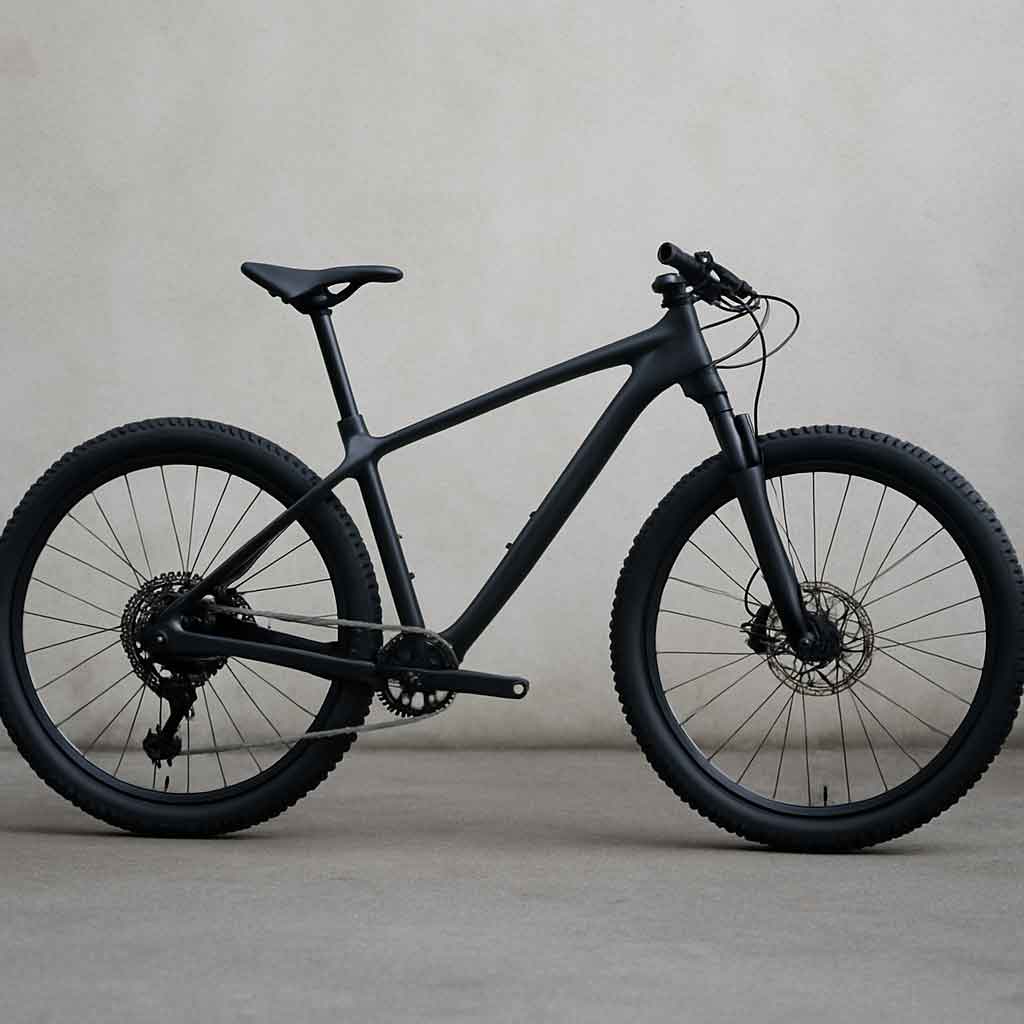
Choosing the Best Carbon Frame Hardtail
When it comes to mountain biking, choosing the right bike can make all the difference. One popular option among cyclists is the carbon frame hardtail ...
.jpg)
Choosing the Best Carbon Hardtail MTB Frame
Selecting the right carbon hardtail mountain bike (MTB) frame can make a significant difference in your cycling experience. Whether you're a seasoned ...
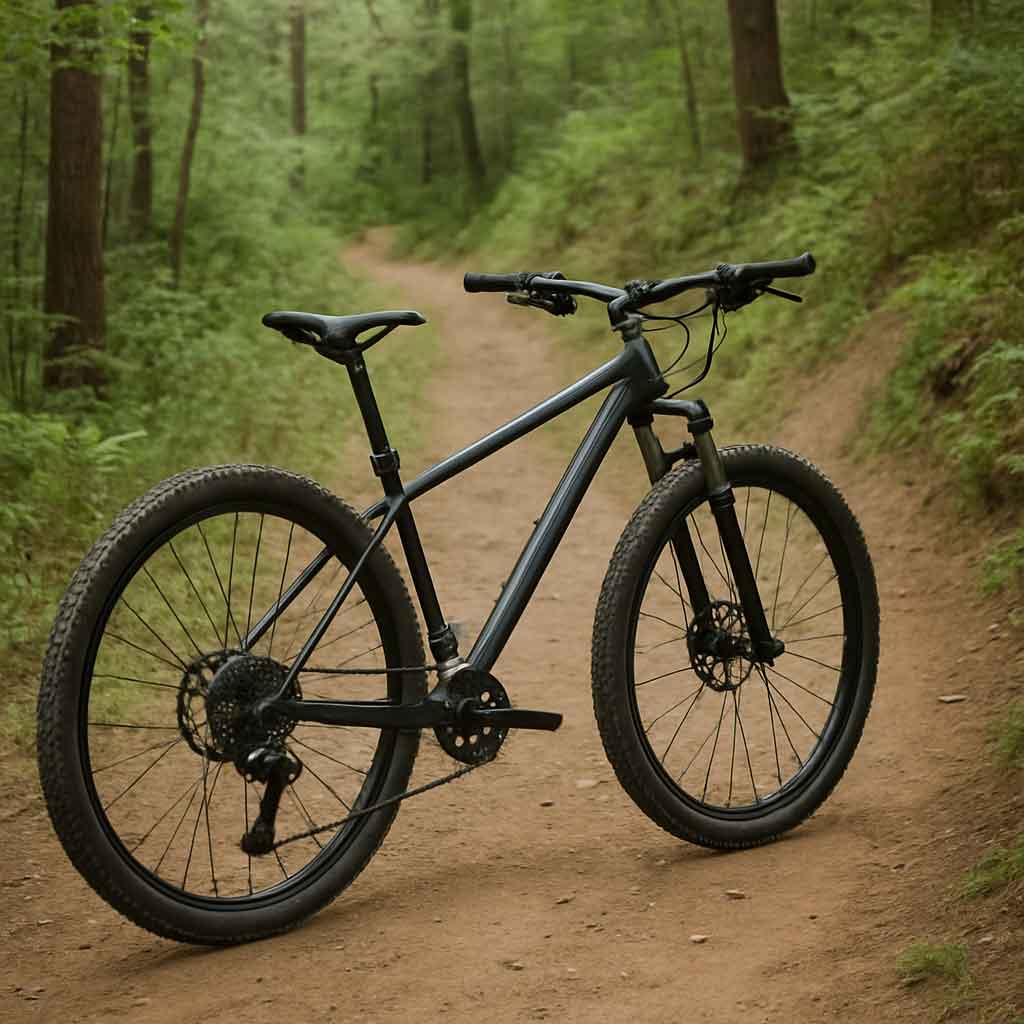
Benefits of Carbon Frame Hardtail Mountain Bikes
When it comes to mountain biking, the choice of bike plays a pivotal role in shaping your riding experience. From tackling rugged terrains to cruising...
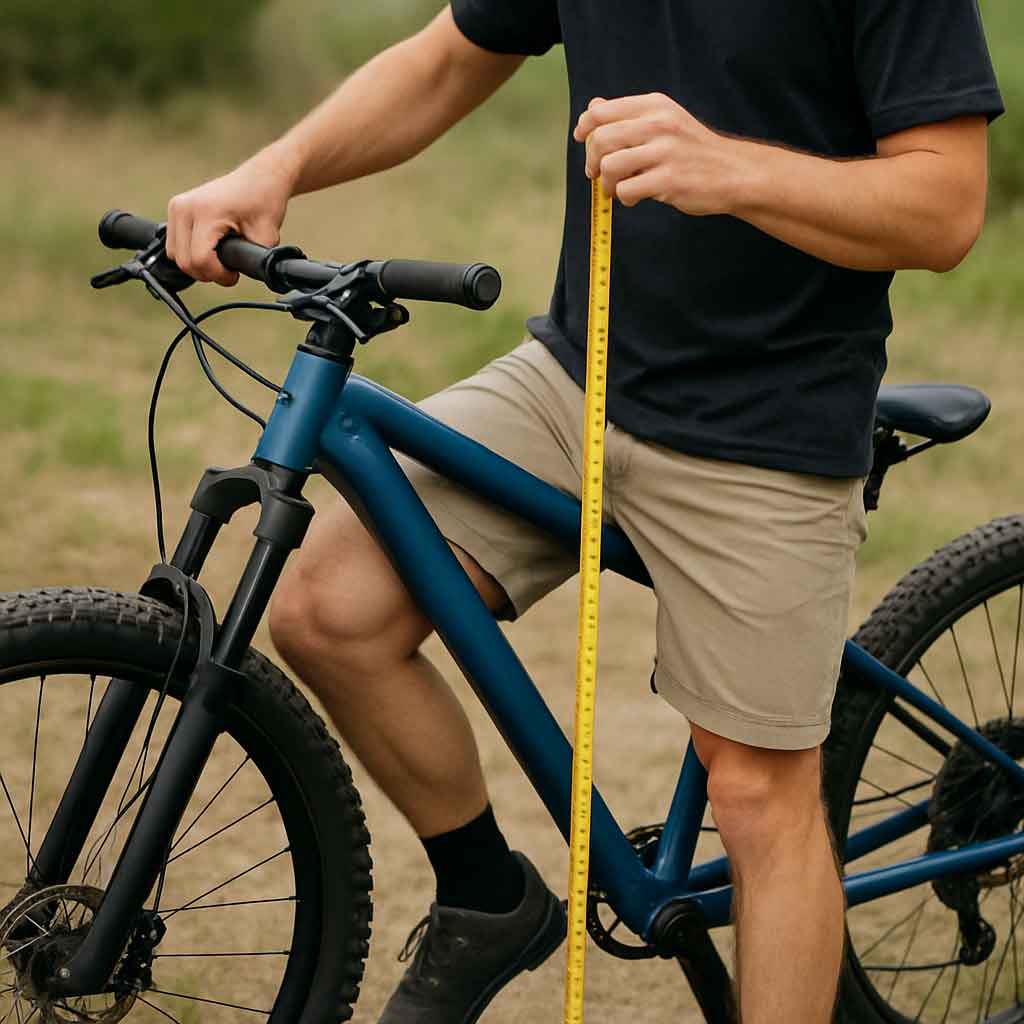
Choosing the Right Size Mountain Bike Frame
Selecting the correct mountain bike frame size is crucial for comfort, performance, and safety. Whether you're a seasoned rider or a beginner, underst...
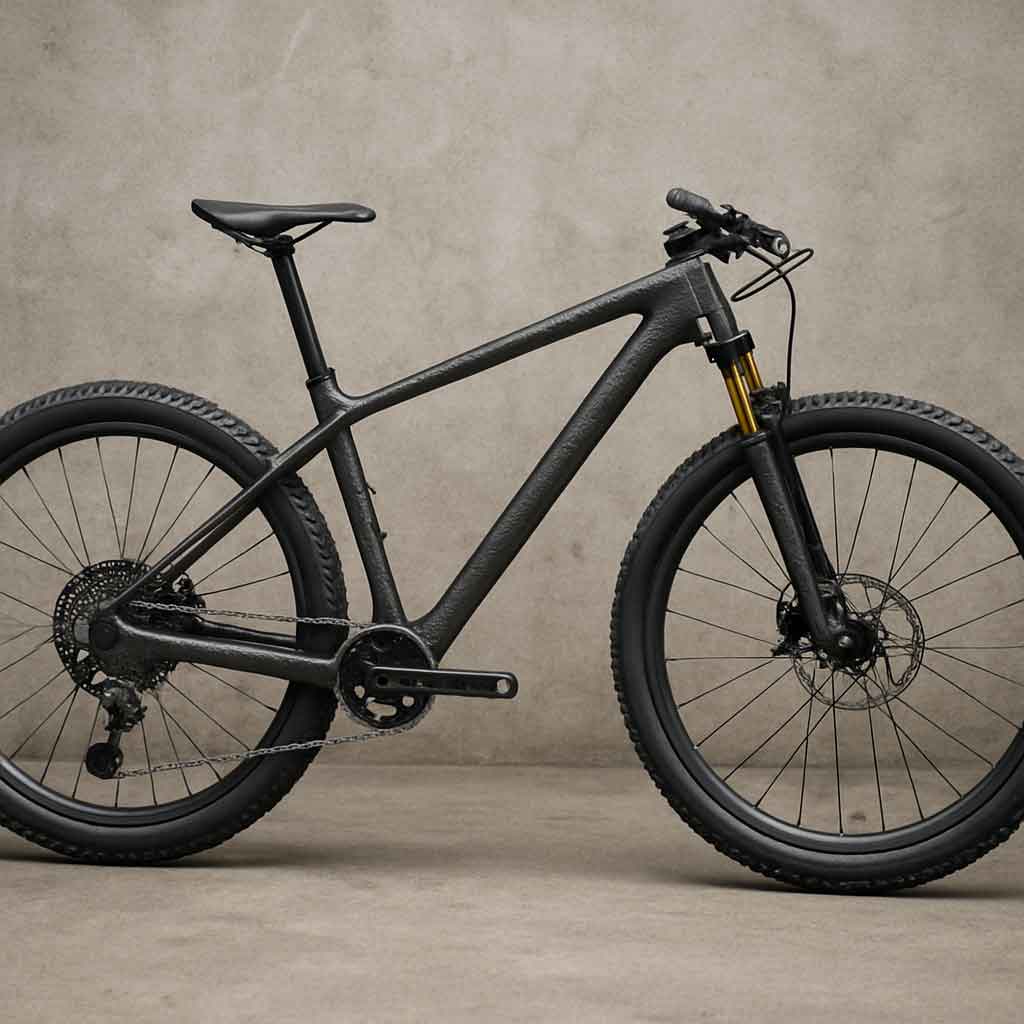
Benefits of Carbon Fiber MTB Bike Frames
When it comes to mountain biking, the choice of frame material can make a significant difference in your riding experience. Among the various material...
Hard Tail vs. Full Suspension Bikes
When it comes to mountain biking, the choice of bike can significantly impact your riding experience. One of the most debated topics among mountain bi...
29er MTB Frames – Tagged Hardtail – Canfield Bikes
When it comes to mountain biking, choosing the right bike frame is crucial for your performance and enjoyment on the trail. Among the various options,...
Hardtail vs. Full Suspension: Key Differences
When it comes to choosing a mountain bike, one of the biggest decisions you'll face is whether to go with a hardtail or a full suspension model. Each ...
Choosing the Right Hardtail MTB Frame
Selecting the perfect hardtail MTB (mountain bike) frame can be a daunting task, especially when there are so many options available. Whether you are ...
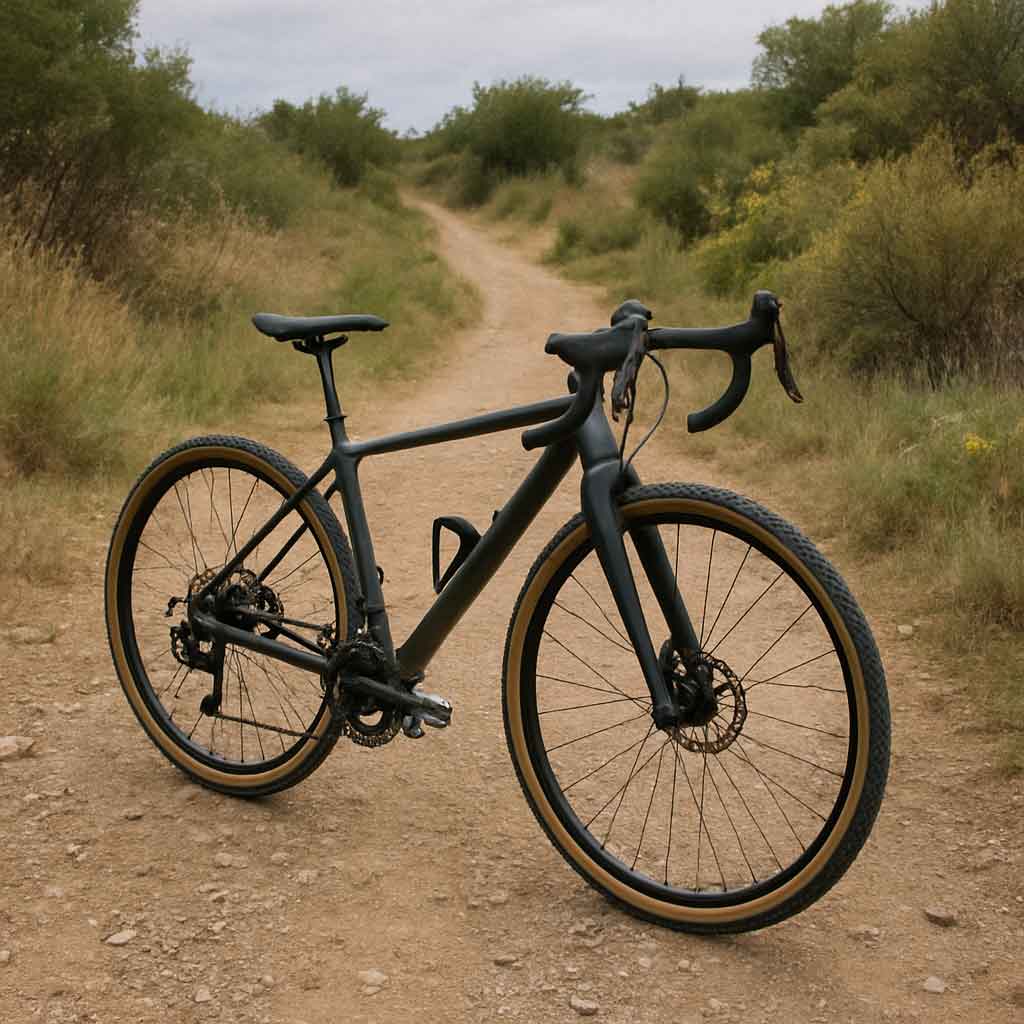
Choosing the Right Hardtail Bike Frame
Understanding the intricacies of bike frames can be daunting, but it is a worthwhile endeavor. A well-chosen frame can transform your ride, making cli...
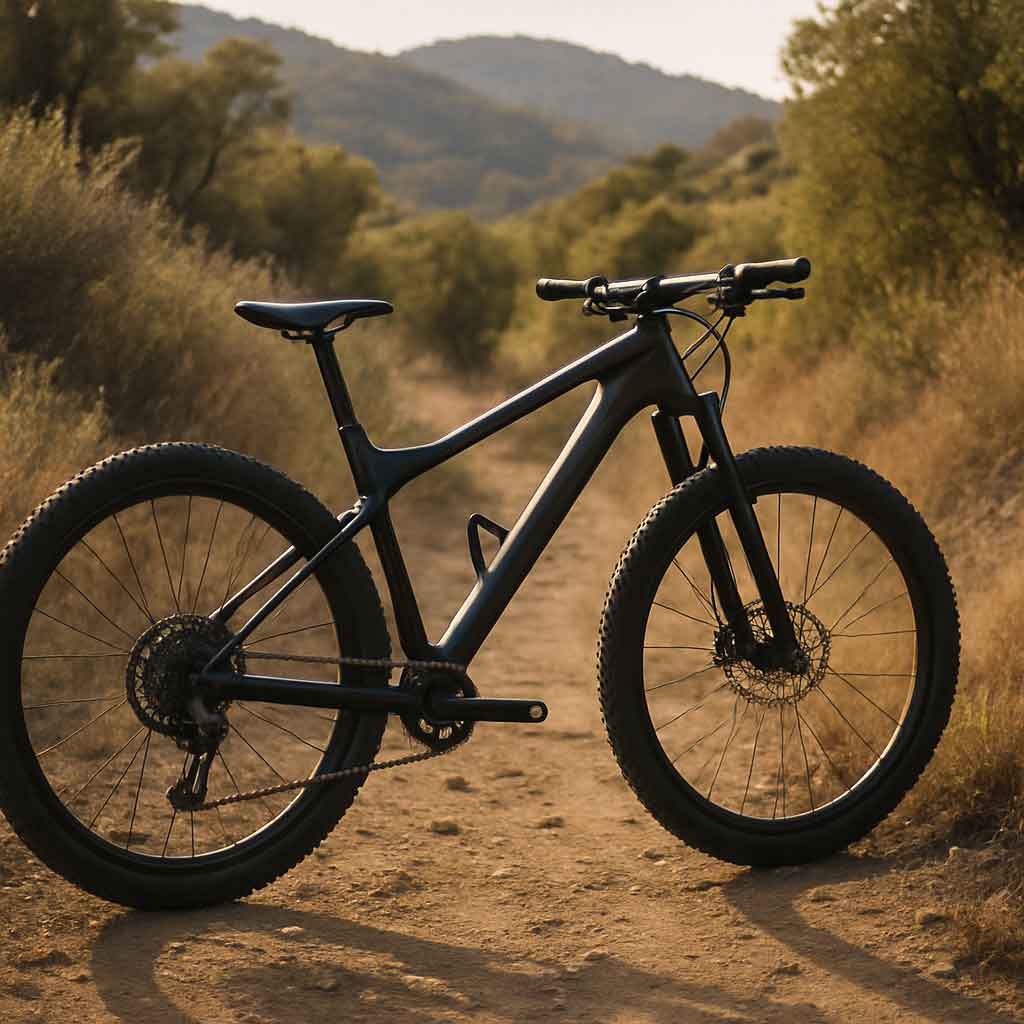
Advantages of Carbon Fiber MTB Frames
When it comes to mountain biking, choosing the right frame material can significantly impact your riding experience. Carbon fiber MTB frames have beco...
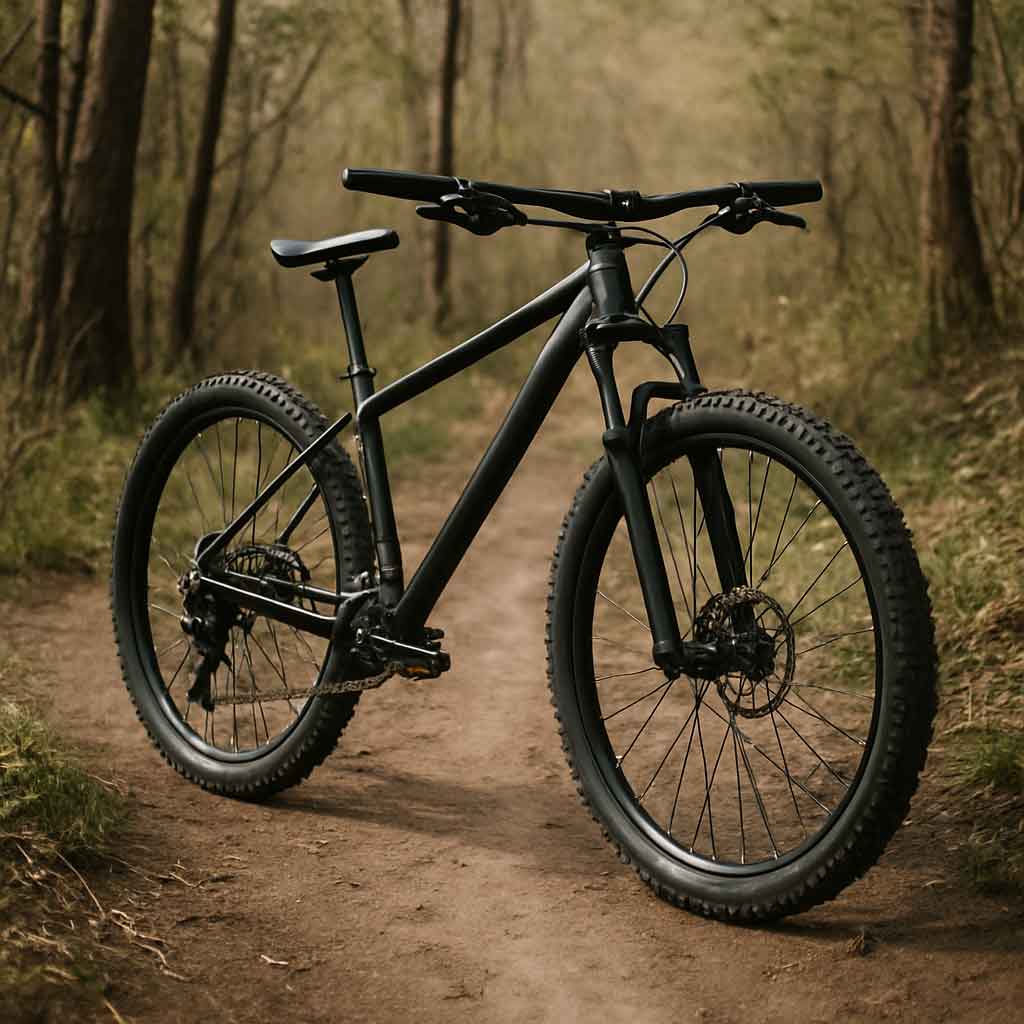
Top Hardtail MTB Frames You Can Buy
When it comes to mountain biking, your bike frame is the backbone of your ride. If you're in the market for a hardtail mountain bike (MTB) frame, you'...