
T800 vs T1000 Carbon Fiber: What's the Difference for Bike Frames?
Carbon fiber is the gold standard for high-performance bike frames, offering exceptional strength and light weight. Among the various grades, Toray T800 and T1000 are the two most commonly used in premium bicycle manufacturing. But what exactly sets them apart? In this article, we’ll compare T800 and T1000 carbon fiber across key properties — tensile strength, stiffness, density, cost, and real-world riding feel — to help you understand which grade suits your needs, whether you're a racer, an adventurer, or a brand looking for OEM frames.
For a complete overview of carbon fiber technology, including T700 and T1100 grades, read our Carbon Fiber Technology Guide.
1. Composition & Manufacturing
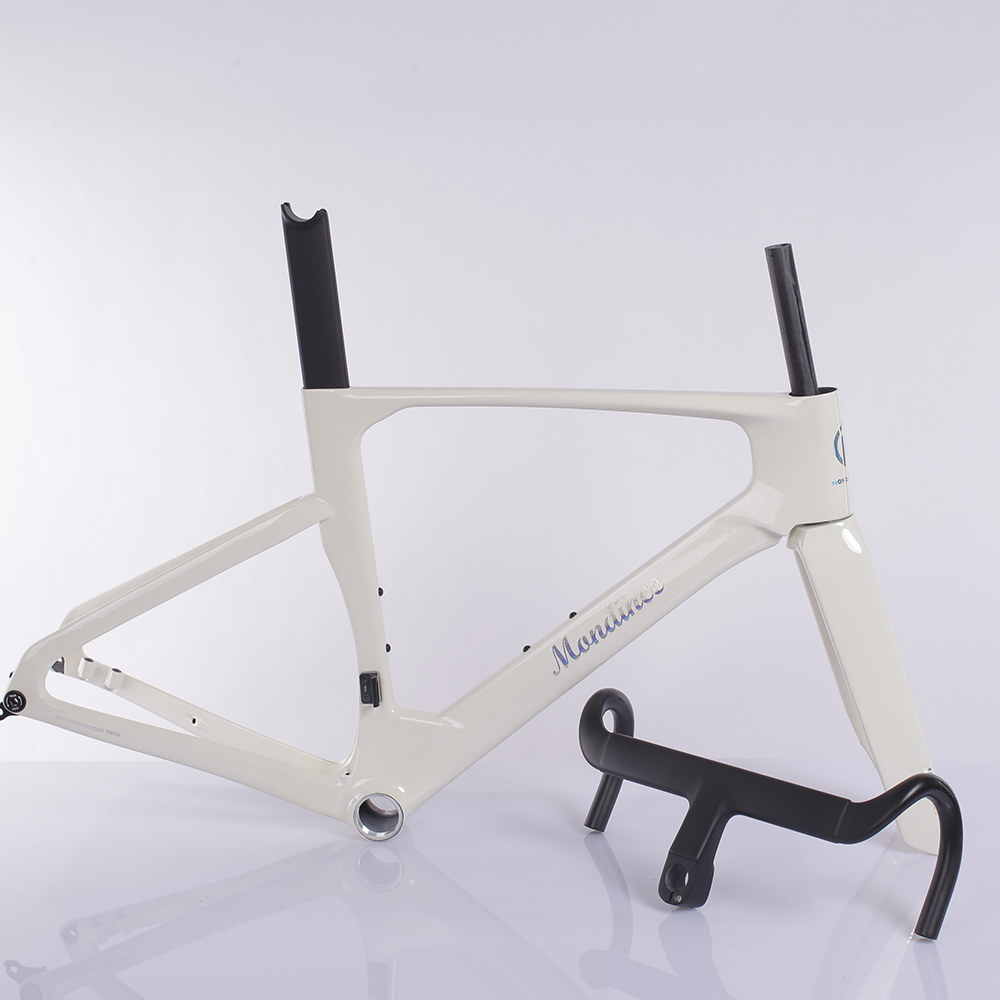
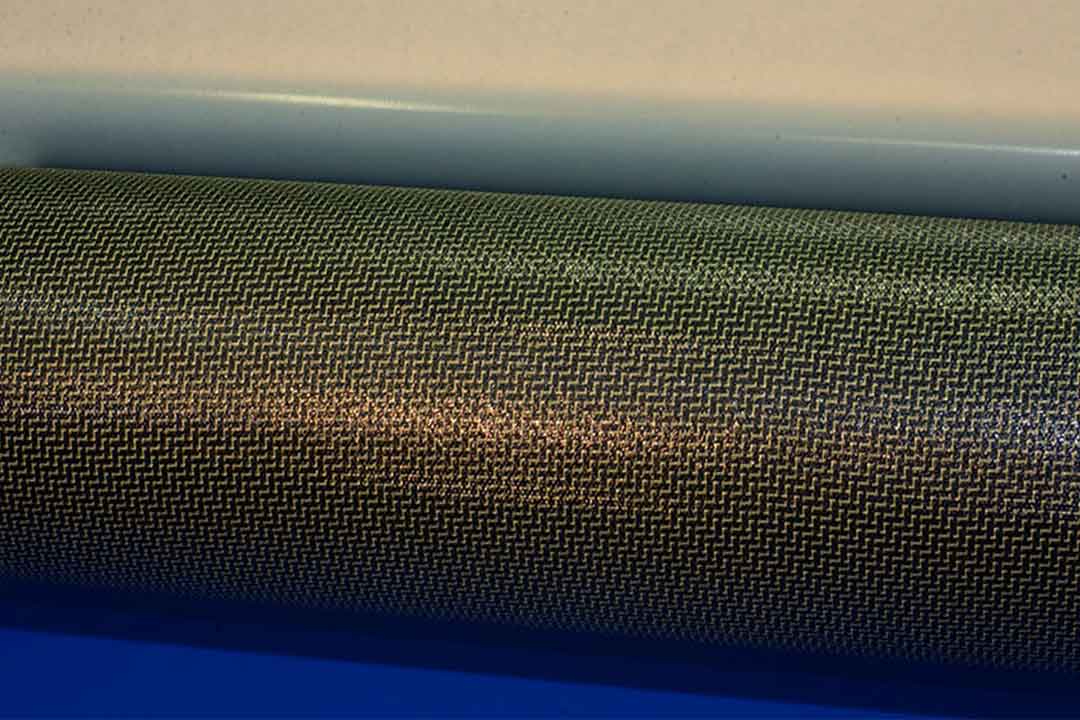
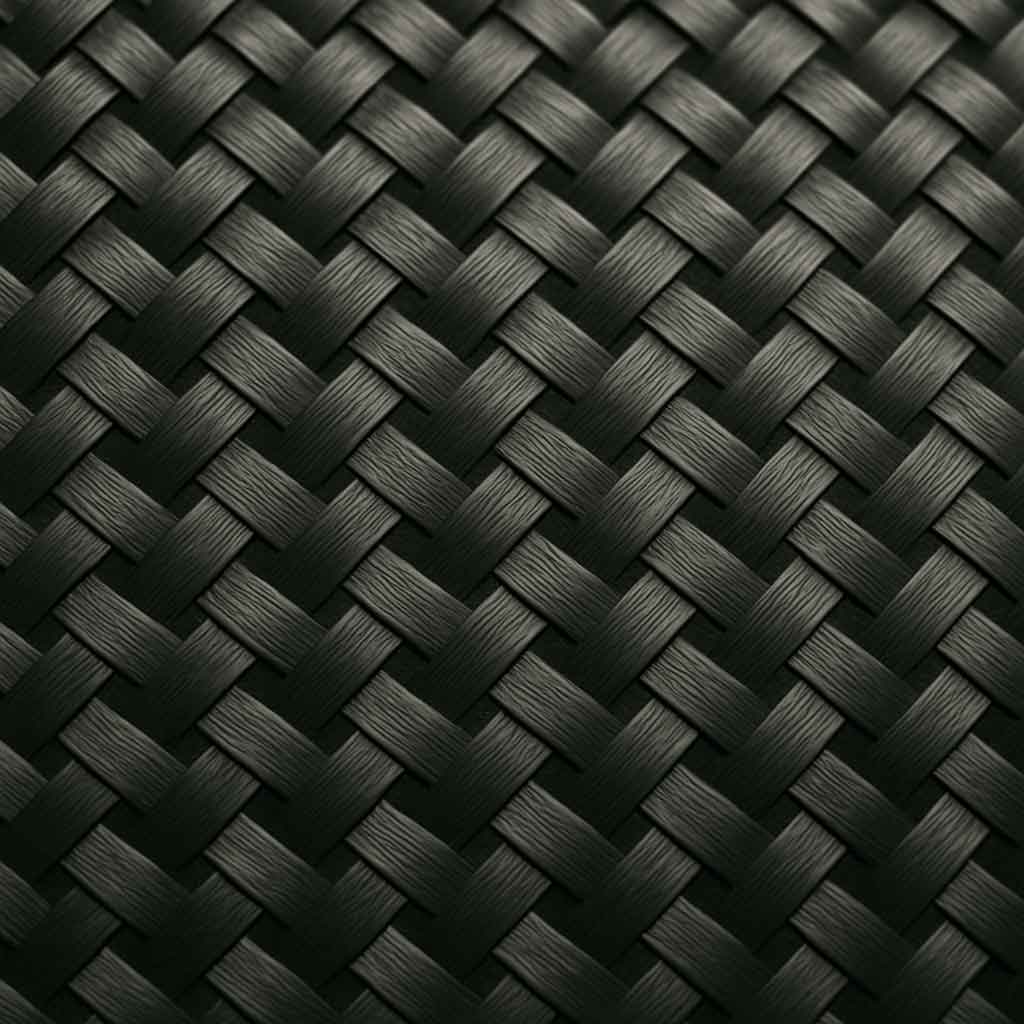
Toray T1000 is an ultra-high modulus carbon fiber, whereas T800 is a high modulus grade. The prefix "T" stands for tensile strength. The higher the number, the greater the fiber's ability to withstand pulling forces. T1000 uses a more advanced precursor and higher heat-treatment temperature, resulting in a more aligned crystalline structure. This makes T1000 both stiffer and stronger, but also more expensive and slightly less common. Mondince uses both T800 and T1000 in different frame models, and often blends them strategically (T800 for primary structure, T1000 for high-stress zones like bottom bracket and head tube).
2. Tensile Strength (Raw Power)
Tensile strength measures how much pulling force a material can withstand before breaking. According to Toray's official data sheets:
- T800 – Tensile strength: 5.8 GPa (gigapascals)
- T1000 – Tensile strength: 6.4 GPa (approximately 10% stronger than T800)
The higher tensile strength of T1000 allows engineers to use less material to achieve the same structural performance, resulting in lighter frames. For example, a Mondince T1000 frame can weigh as little as 890–980 g, while a comparable T800 frame might weigh 1,050–1,150 g. Read more about how carbon frame weight compares to aluminum and steel.
3. Stiffness (Modulus)
Stiffness is measured by tensile modulus (resistance to deformation under load).
- T800 – Tensile modulus: 294 GPa
- T1000 – Tensile modulus: 294 GPa (same as T800)
Contrary to some claims, T800 and T1000 have nearly identical modulus (stiffness). The main difference is strength, not stiffness. For ultra-high modulus grades like T1100 (324 GPa), stiffness does increase. So, when comparing T800 vs T1000 for bike frames, the ride feel difference comes from weight savings and layup design, not from raw stiffness. Proper engineering (layup schedule) has a greater impact on frame stiffness than whether the fibers are T800 or T1000.
4. Density
Carbon fiber density is generally 1.6–1.8 g/cm³. T1000 has a slightly higher density (about 1.82 g/cm³) than T800 (about 1.79 g/cm³). However, because T1000 is stronger, you can use less material to achieve the same strength, so the final frame can be lighter overall. The tiny density difference is negligible in real-world frame design.
5. Cost & Application
T1000 carbon fiber is significantly more expensive than T800 — roughly 50–80% higher cost per kilogram. This is due to the more complex manufacturing process and higher energy requirements.
- T800 frames – Excellent balance of performance and cost. Ideal for endurance road bikes, adventure gravel bikes, and entry-level race bikes. Weight typically 1,050–1,150 g.
- T1000 frames – Premium race-focused frames where every gram counts. Used in professional racing, ultralight climbing bikes, and high-end aero frames. Weight can drop below 950 g, with some T1000/T1100 blends reaching 760 g.
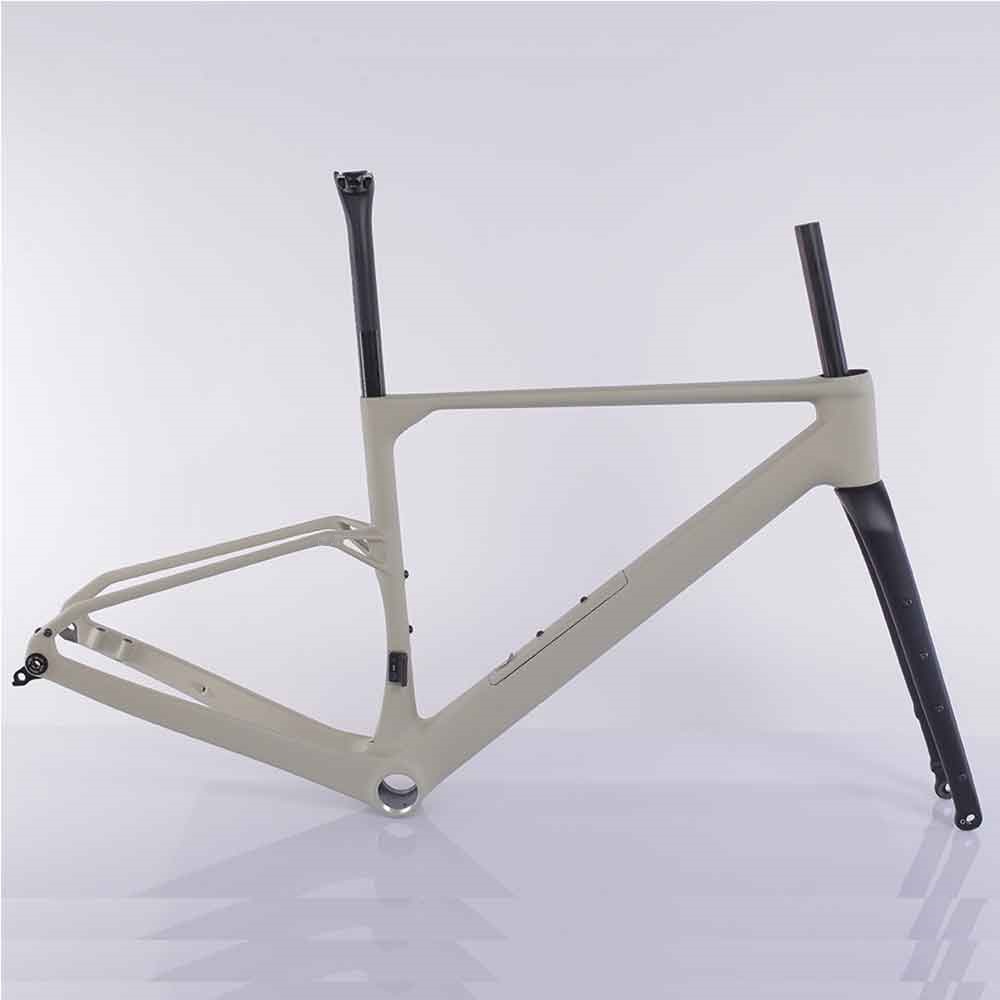
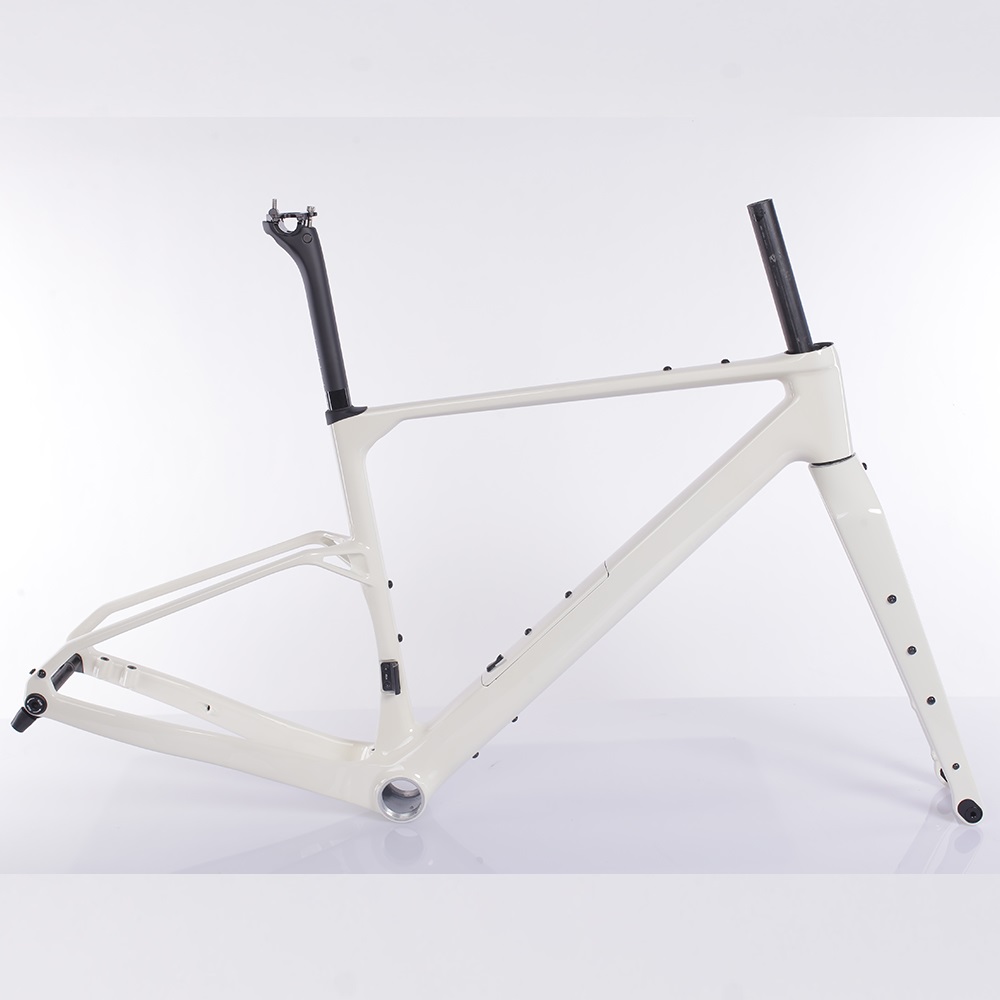
Mondince offers frames in both T800 and T1000, as well as hybrid layups that combine the two. For example, the FM126 aero road frame uses T800/T1100 blend, while the FM316 gravel frame uses T800/T1000 to balance weight and durability.
Summary Comparison Table
| Property | Toray T800 | Toray T1000 |
|---|---|---|
| Tensile Strength (MPa) | 5,800 | 6,400 |
| Tensile Modulus (GPa) | 294 | 294 |
| Density (g/cm³) | ~1.79 | ~1.82 |
| Typical Frame Weight (carbon, painted) | 1,050–1,150g | 890–980g |
| Stiffness-to-Weight | Excellent | Superior |
| Cost (relative) | Moderate | High |
| Best For | Endurance, adventure, value | Racing, lightweight builds, pro teams |
| EN Certification Level | Tour / XC | Gravity (higher impact resistance) |
Which One Should You Choose?
Choose a T800-based frame if you prioritize value, durability, and all-around performance. T800 frames are exceptionally strong, comfortable, and more affordable. They are perfect for gran fondos, endurance road riding, gravel adventures, and entry-level racing.
Choose a T1000-based frame if you are a weight-conscious racer, a competitive climber, or you simply want the absolute best strength-to-weight ratio. T1000 frames are noticeably lighter and often come with higher EN certification (Gravity level), making them suitable for aggressive riding and racing. However, they command a premium price.
Real-world examples from Mondince:
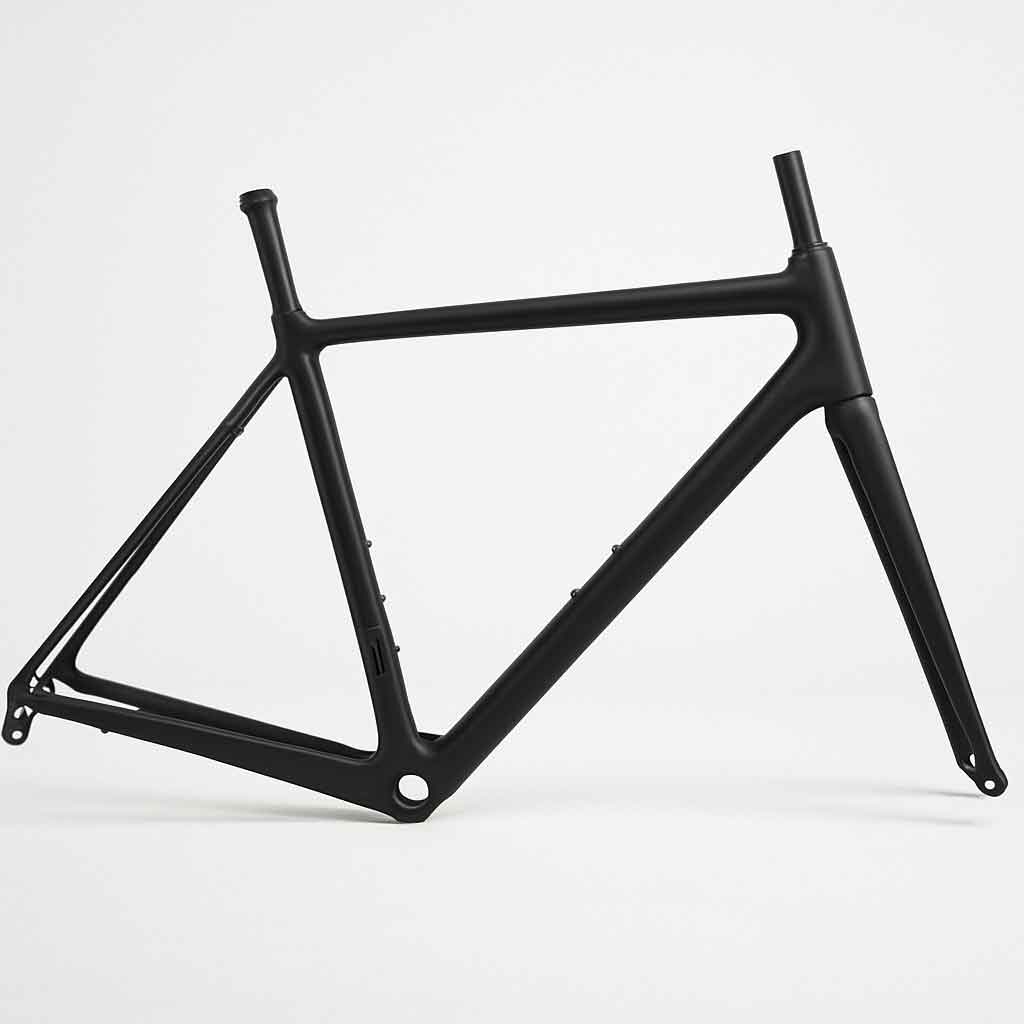
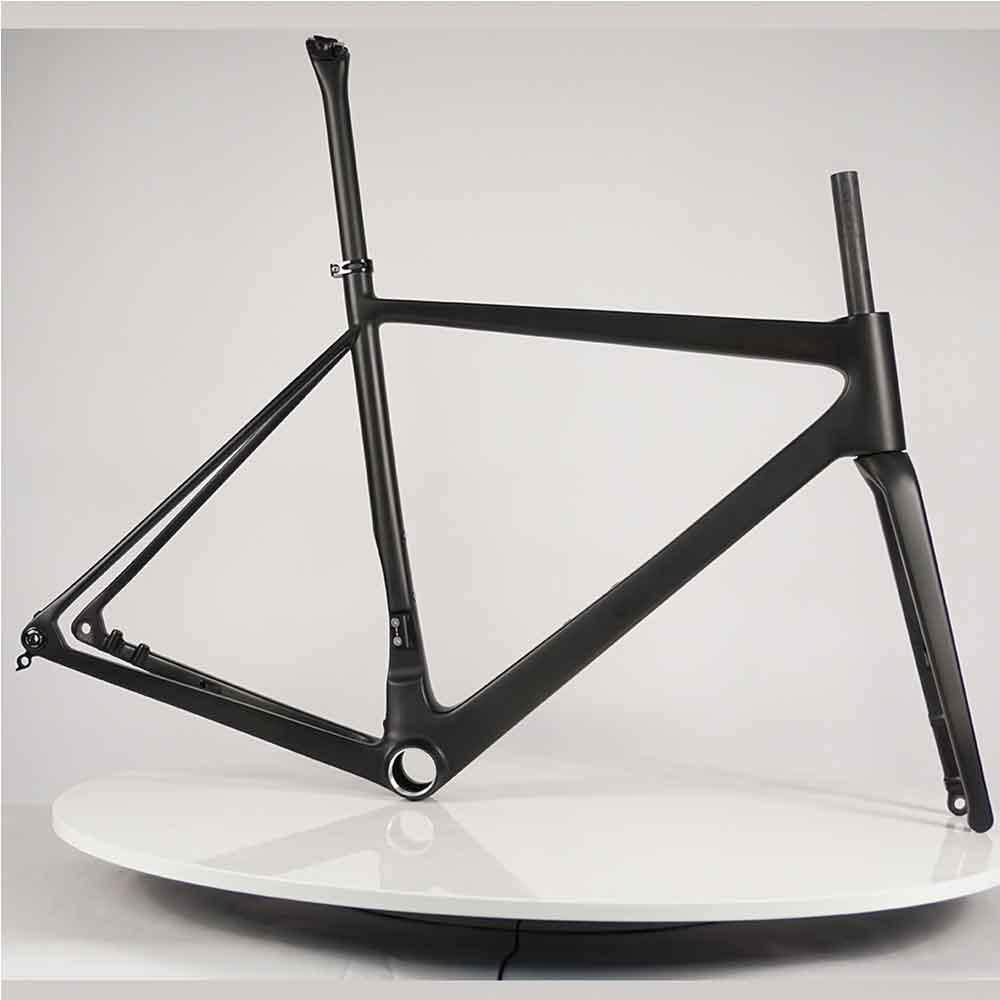
- FM296 gravel frame (T800/T1000 blend, 1,050g) – excellent for mixed terrain.
- FM086 road frame (T800/T1100, 840g) – lightweight race-ready.
- FM326 expedition gravel frame (T1000, 1,180g) – built-in storage and robust for bikepacking.
For a deeper comparison of frame materials, including carbon vs aluminum vs steel, read our complete material guide. And if you're a brand looking for custom OEM frames, learn about Mondince's OEM/ODM services.
Ready to choose your carbon frame? Contact Mondince for expert advice, custom geometry, or a quote.