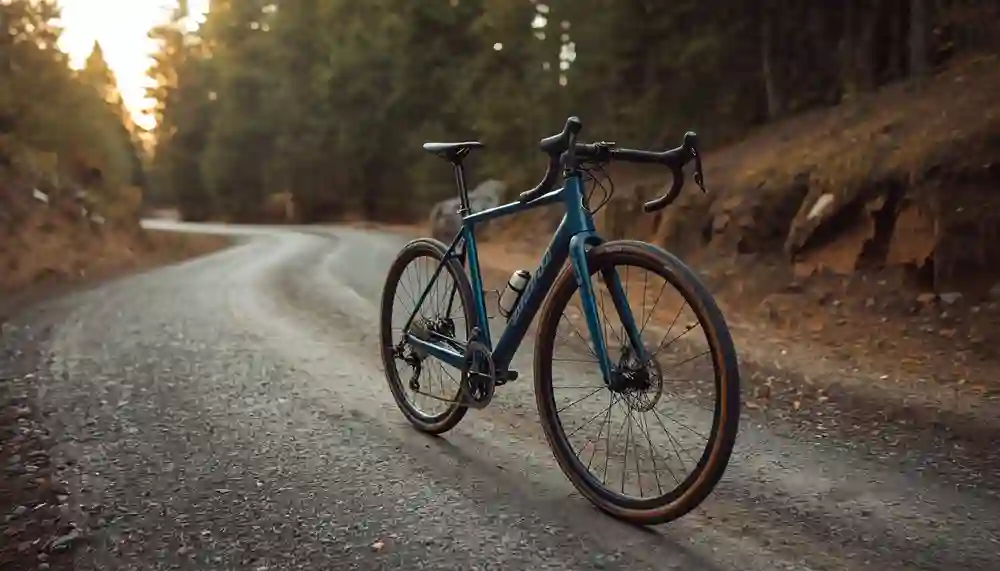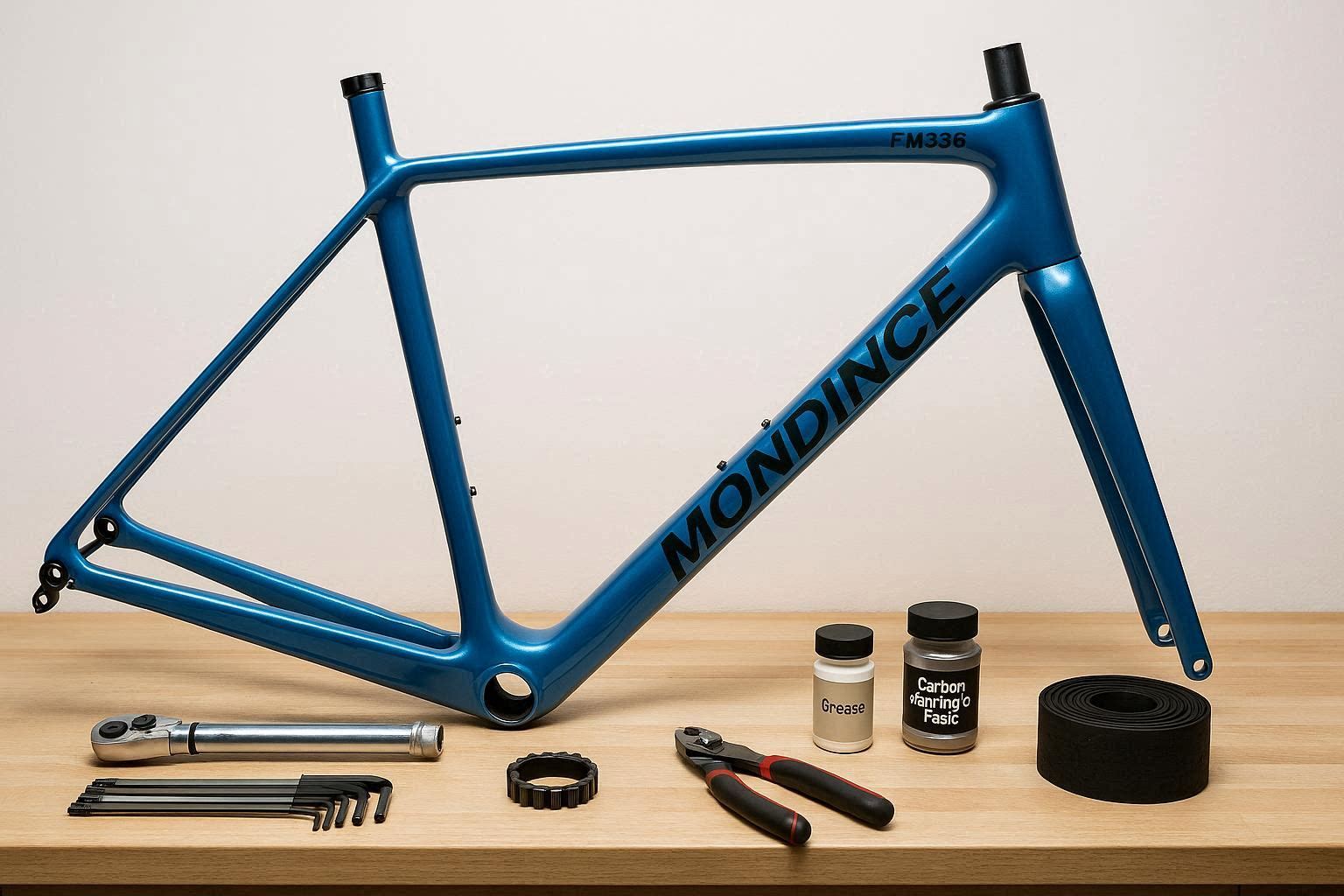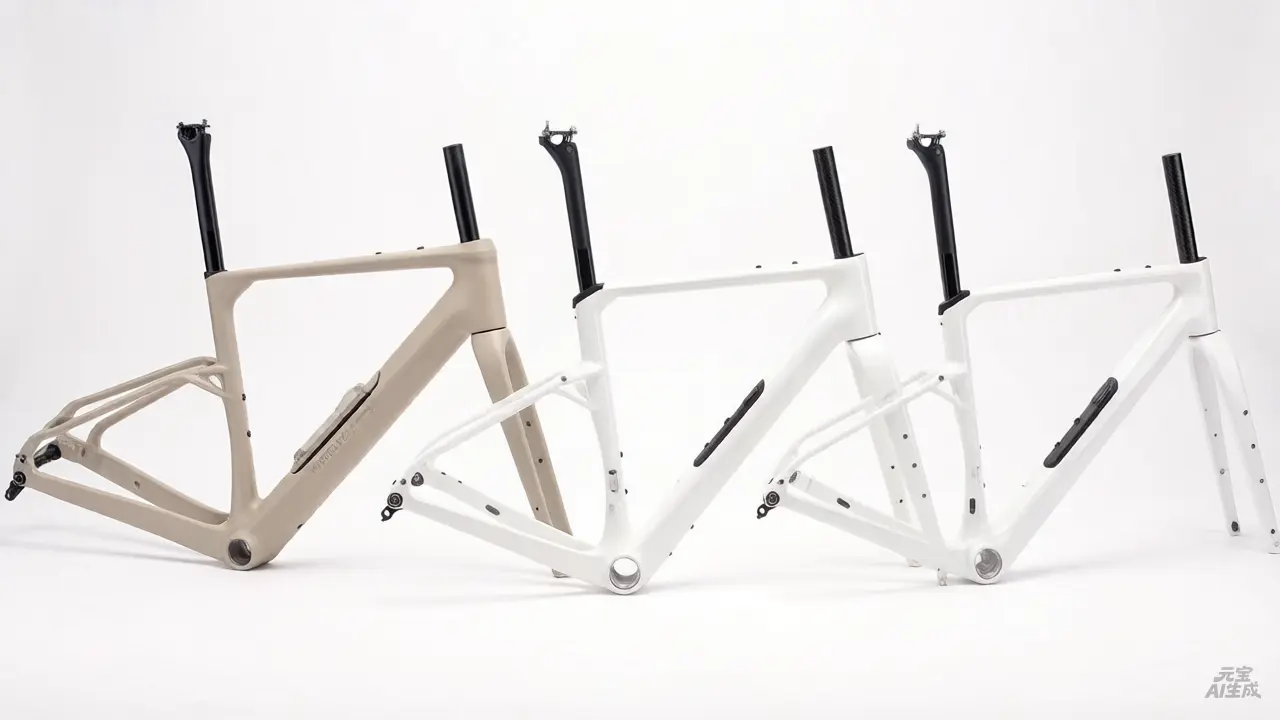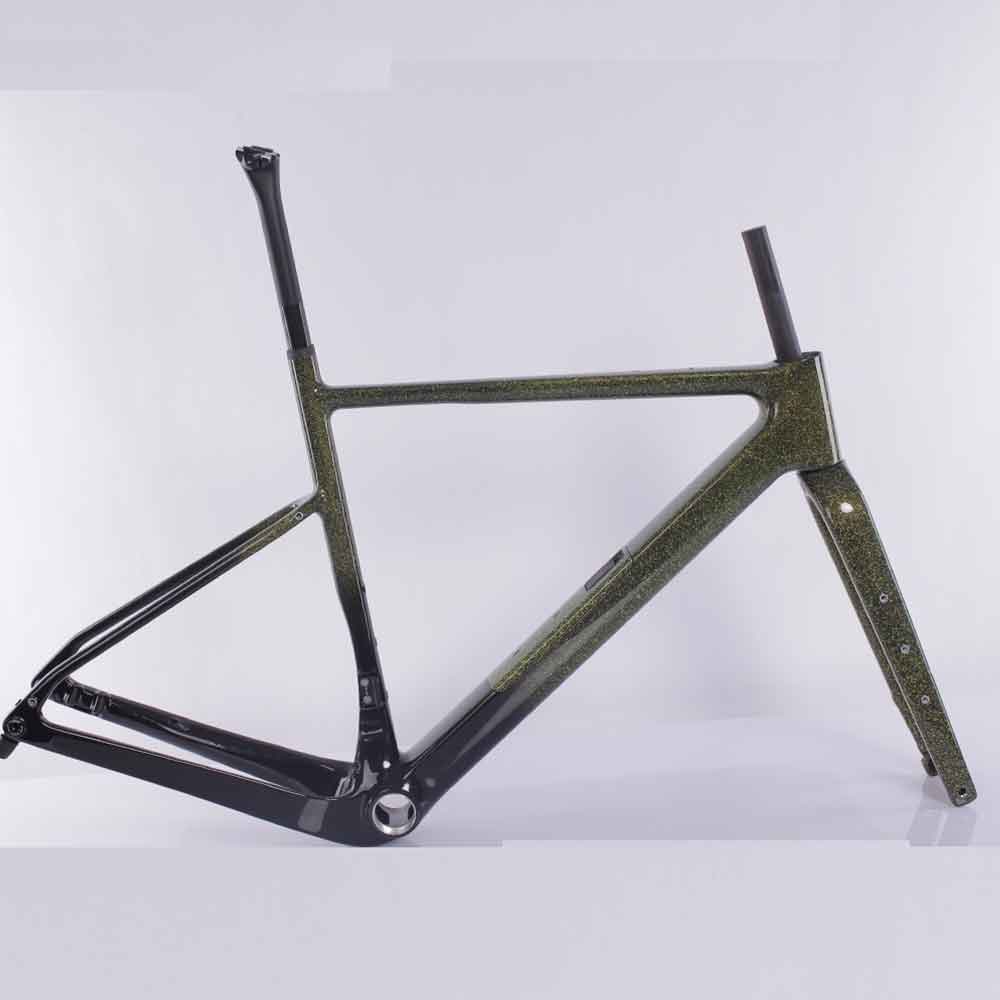

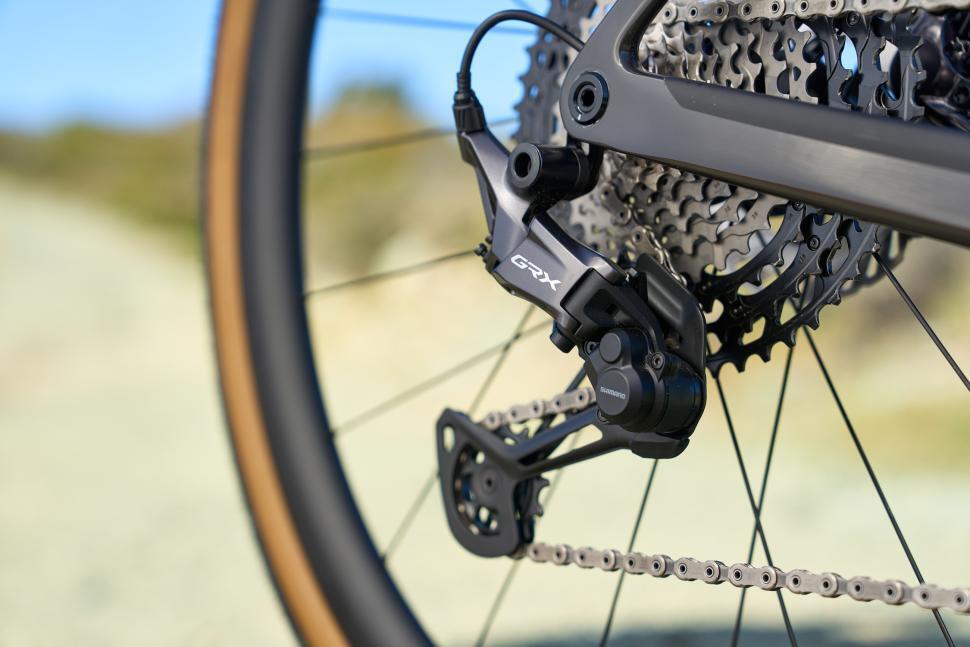
In 2019, Shimano announced GRX, the "world's first dedicated gravel component group" which combines key technologies and components from road and mountain bike groupsets with some added brand new parts that should be ideal for your gravel bike. Whether you are building a new bike or upgrading an existing frame, choosing the right groupset is crucial. For an overview of all bike components, check out our Complete Guide to Bike Components & Parts.
Below we've tried to compile everything you need to know about the groupset giant's gravel-specific drivetrains. If you're looking for advice on Shimano's road bike components then fear not, just head over to our complete guide to Shimano road bike groupsets instead (coming soon). For now, let's dive into GRX.
GRX Levels: RX800, RX600, RX400
Firstly, GRX is divided into three different levels:
RX800 series
- Equivalent to the Shimano Ultegra road bike groupset
- 12-speed and 11-speed
- Mechanical and electronic (Di2) shifting
RX600 series
- Equivalent to the Shimano 105 road bike groupset
- Mainly 11-speed and 12-speed (although there is a 10-speed RX600 chainset too)
- Mechanical shifting only
RX400 series
- Equivalent to the Shimano Tiagra road bike groupset
- 10-speed
- Mechanical shifting only
Mixing and Matching GRX Components
That's all simple enough, but things are complicated by the fact that you can't get every component at every level. You can't have a complete RX600 groupset because there's no such thing as an RX600 rear derailleur. For instance, if you want an 11-speed mechanical rear derailleur you need to go for the RX800 level. In other words, you sometimes have to mix and match.
Things are further complicated by the fact that, at the time of writing, you can only get the new 12-speed GRX with mechanical shifting. We assume a Di2 version will follow, but for now GRX Di2 is 11-speed only.
With all that said, if GRX is for you it's easiest to decide first whether you want 12-speed mechanical, 11-speed Di2, 11-speed mechanical or 10-speed mechanical. This is the way that Shimano structures everything on its website, and we've followed this in our guide to each groupset and their variants below.
What to Look for in a GRX-Compatible Gravel Frame
To get the most out of Shimano GRX, your gravel frame should have:
- Internal cable routing – GRX mechanical and Di2 wiring benefit from clean internal routing.
- Flat-mount disc brake compatibility – GRX uses flat-mount calipers.
- Tire clearance – GRX is designed for wide tires (40-50mm).
- Threaded bottom bracket (BSA or T47) – GRX cranks use 24mm spindles, compatible with both standards.
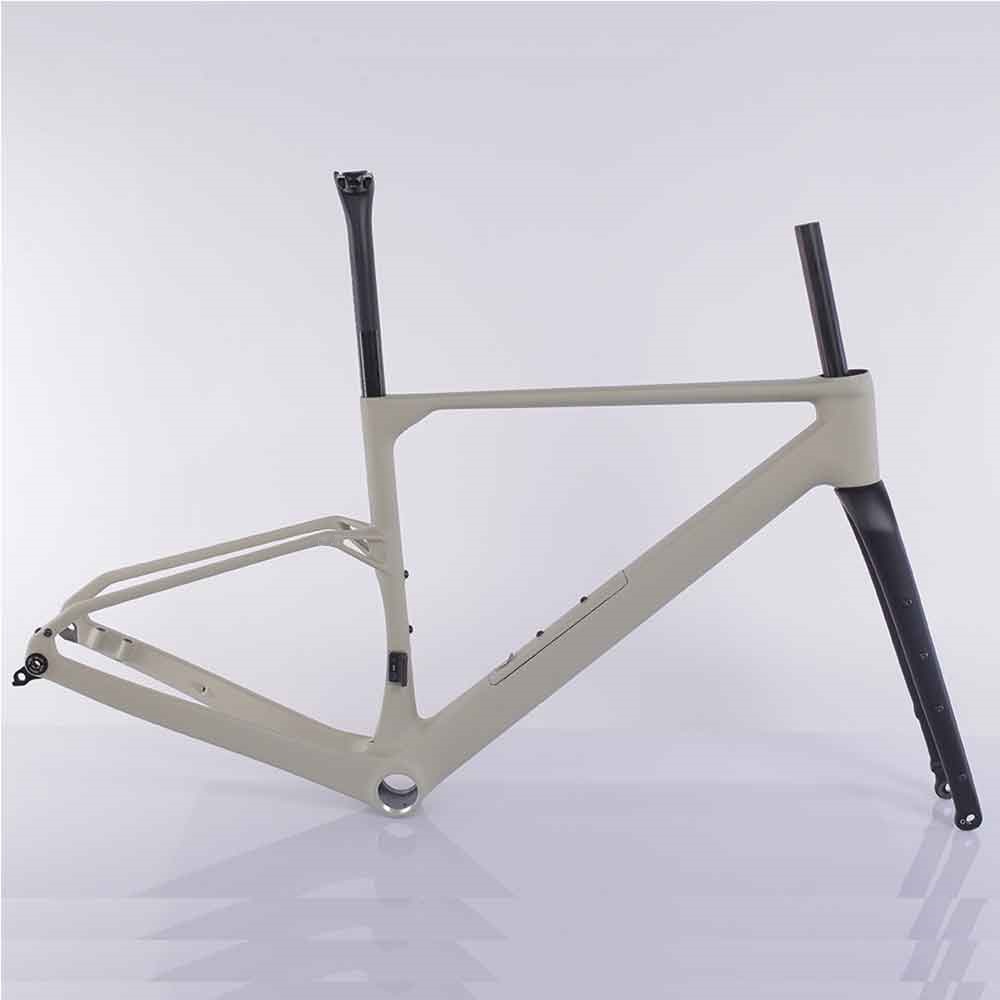
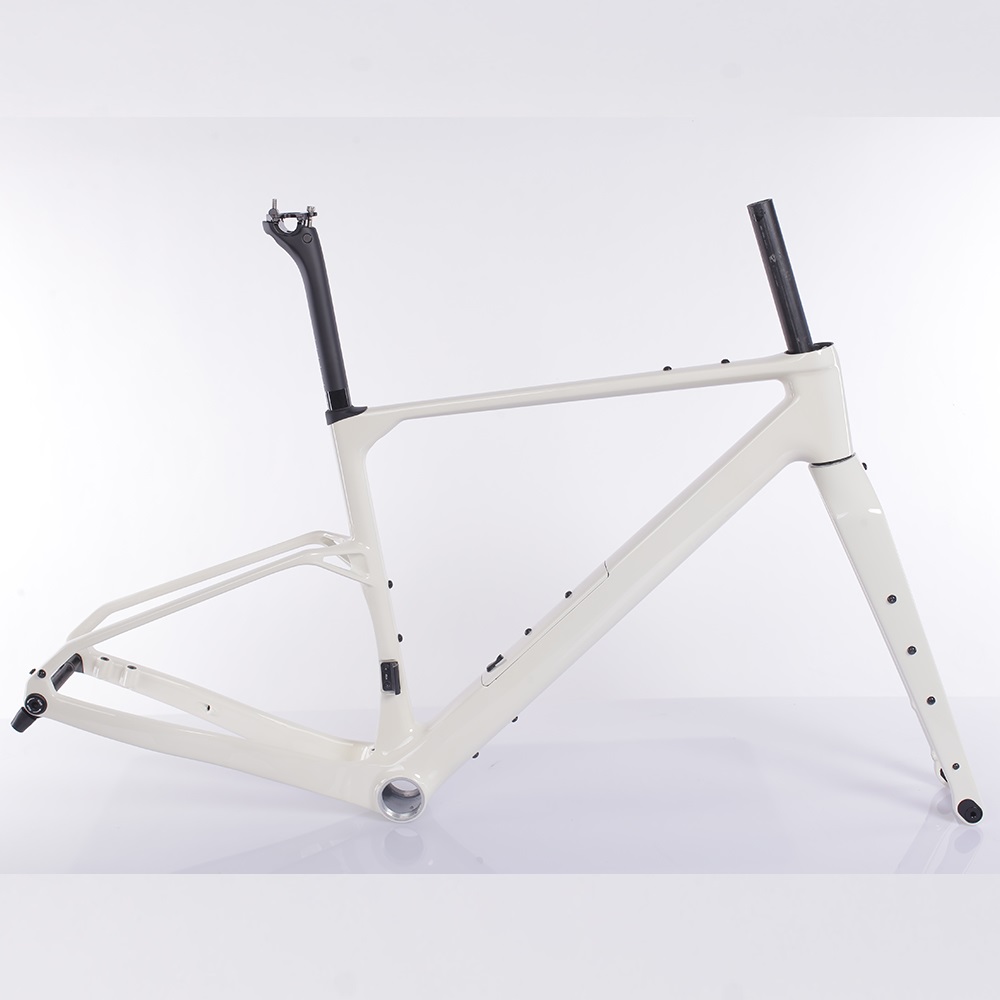
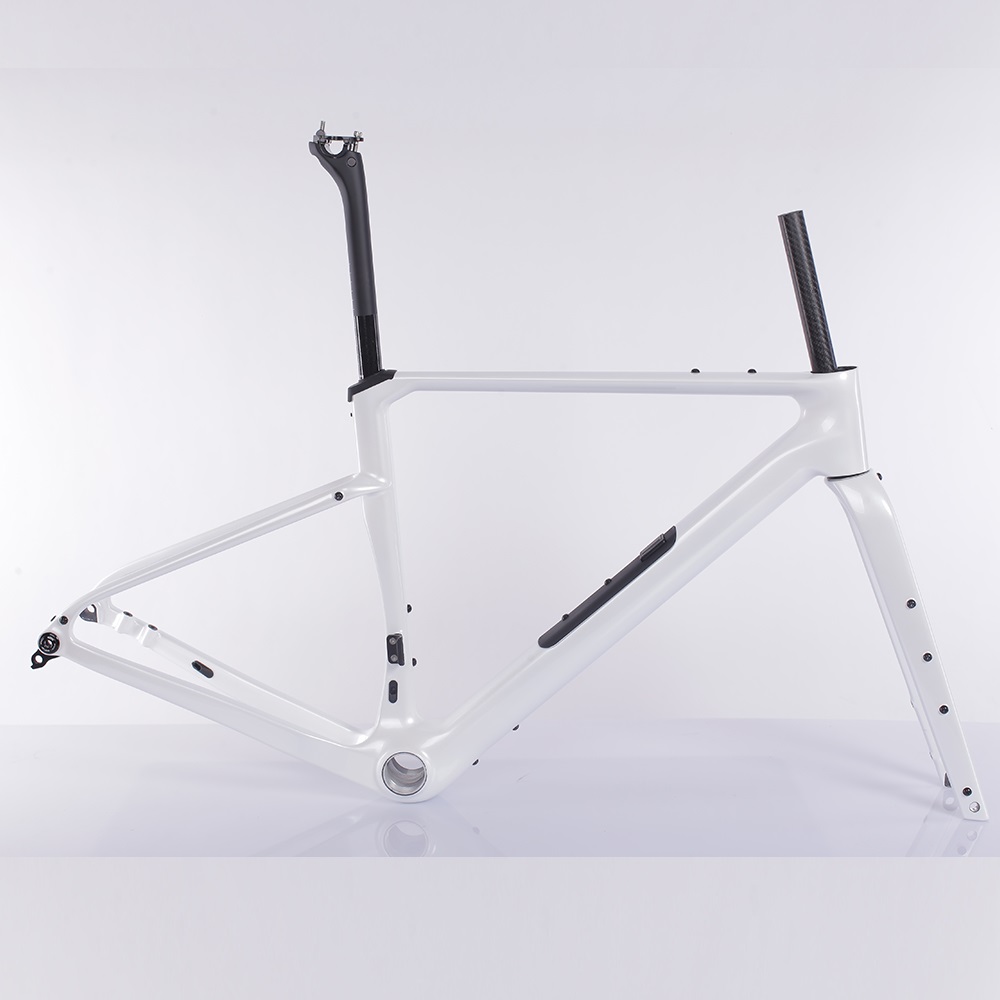
Mondince offers several gravel frames that are perfectly compatible with Shimano GRX groupsets. For example, the FM296 gravel frame features internal routing, flat-mount brakes, and T47 bottom bracket – ideal for GRX builds. For those seeking internal storage, the FM326 expedition frame also works seamlessly with GRX. To learn more about gravel frame geometry and tire clearance, read our Ultimate Guide to Gravel Bike Frames.
Conclusion: GRX is the Gold Standard for Gravel
Shimano GRX offers a dedicated solution for gravel riders, with options ranging from budget-friendly 10-speed to race-ready 12-speed Di2. When paired with a quality carbon gravel frame from Mondince, you get a bike that excels on mixed terrain, from smooth pavement to rocky backroads.
Ready to build your dream gravel bike? Contact Mondince for custom frame geometry, paint, and OEM solutions. Check out our full range of carbon gravel frames compatible with GRX and other groupsets.