
Carbon Fiber Technology – The Complete Guide to Premium Bicycle Frames
Carbon fiber technology has revolutionized bicycle manufacturing, allowing engineers to create frames that are lighter, stiffer, and more comfortable than ever before. But what exactly makes carbon fiber so special? How do different carbon grades like T800, T1000, and T1100 affect ride quality? And what should you look for when investing in a high‑performance carbon frame? This comprehensive guide answers all those questions and more.
⚡ Quick Navigation
➡️ What Is Carbon Fiber?
➡️ Toray Carbon Fiber Grades (T700, T800, T1000, T1100)
➡️ EPS Monocoque Manufacturing – How Frames Are Made
➡️ Mondince Testing Standards – 1.3 Times ISO 4210
➡️ Pros & Cons of Carbon Fiber Frames
➡️ Carbon vs Aluminum vs Steel vs Titanium
➡️ FAQ
What Is Carbon Fiber?
Carbon fiber is a polymer that is exceptionally strong and lightweight. Technically, it is a carbon fiber reinforced polymer (CFRP) – a composite material consisting of thin crystalline filaments of carbon (each 5‑10 microns in diameter) bonded together with a plastic resin matrix.
The result is a material with an outstanding strength‑to‑weight ratio. Under the same weight, carbon fiber is up to five times stronger than steel, yet at the same strength, it is significantly lighter than both steel and aluminum. This unique combination makes it the material of choice for aerospace, automotive, and high‑performance cycling applications.
Inside a carbon bicycle frame, the fibers are precisely oriented to handle specific forces. Areas that require high stiffness – such as the bottom bracket and head tube – receive fibers aligned to resist pedaling flex. Areas that benefit from compliance – such as the seat stays – receive fibers oriented to allow controlled flexibility, improving rider comfort without sacrificing efficiency.
Toray Carbon Fiber Grades: T700, T800, T1000, and T1100
Toray is the world's largest and most respected manufacturer of carbon fiber. Their Torayca® carbon fiber is the industry benchmark, supplying materials to aerospace giants like Boeing and Airbus, automotive leaders like BMW, and premium bicycle brands worldwide. Mondince sources exclusively from Toray, using Grades T700, T800, T1000, and T1100 across our frame lineup.
What do the numbers mean? The "T" stands for tensile strength – the material‘s resistance to pulling forces. The higher the number, the stronger the fiber. Toray has developed a systematic grading scale: T300 (entry), T700 (standard), T800 (intermediate), T1000 (high), and T1100 (ultra‑high).
| Toray Grade | Tensile Strength (MPa) | Tensile Modulus (GPa) | Typical Application |
|---|---|---|---|
| T700 | ~4,900 | ~230 | Mid‑range frames, entry‑level high performance |
| T800 | ~5,800 | ~294 | High‑strength frames, premium performance |
| T1000 | ~6,370 | ~294 | Ultra‑high strength, race‑optimized frames |
| T1100 | ~7,000 | ~324 | Aerospace grade, elite‑level performance |
Note: Values are industry‑reported approximations. T1100 tensile strength reaches approximately 7,000 MPa with a modulus of 324 GPa – a significant advancement that allows engineers to achieve the same stiffness with less material, directly reducing weight.[reference:0][reference:1]
T800 offers a 28% higher tensile strength compared to T700, with roughly the same elastic modulus. It is the standard grade for premium frames and an excellent balance between performance and cost. T1000 takes strength even further, enabling thinner tube walls for the same stiffness. T1100 represents the cutting edge – its increased modulus (324 GPa, up from 294 GPa) means T1100 fiber is both stronger and stiffer, allowing engineers to create frames that are lighter without any compromise in performance[reference:2].
It is important to note that no bicycle frame uses a single carbon grade. Skilled engineering teams blend T800 for primary structural layers, strategically overlay T1000 or T1100 in critical stress zones, and use specific weaves for impact resistance. This careful material selection, combined with precise layup design, is what separates high‑quality frames from ordinary ones.
EPS Monocoque Manufacturing – Inside the Molding Process
The term “carbon fiber frame” might sound simple, but the manufacturing process is remarkably sophisticated. Mondince uses EPS monocoque (Expanded Polystyrene) technology, a molding process that ensures uniform internal pressure, eliminates voids, and delivers superior structural integrity.
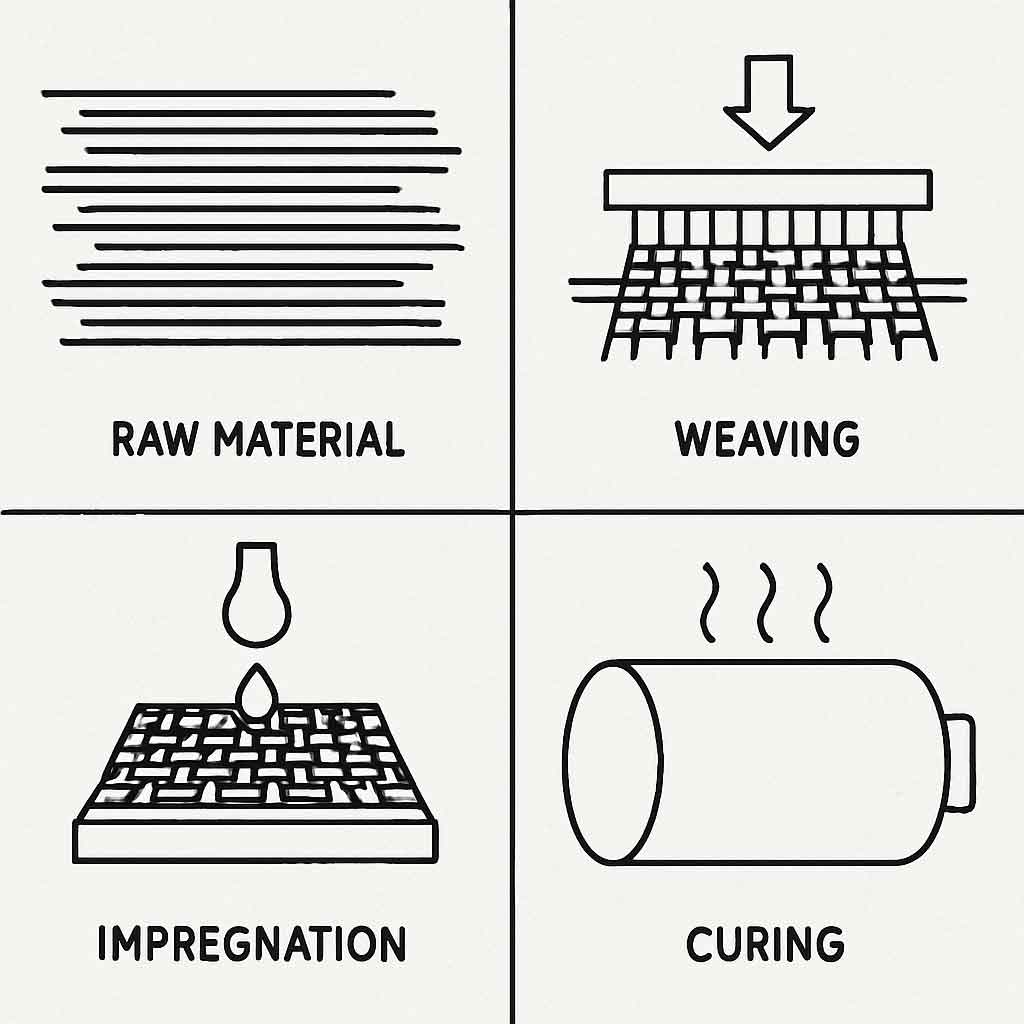
What is EPS Monocoque? Traditional carbon frame molding uses an inflatable air bladder to press the carbon layers against the mold walls. This method can create internal wrinkles or uneven pressure, potentially leading to weak spots. EPS technology replaces the bladder with a precision‑shaped Expanded Polystyrene core – a rigid foam core that perfectly matches the desired internal shape of the frame. Carbon fiber sheets (pre‑impregnated with resin, known as prepreg) are layered around this EPS core. The entire assembly is placed into a steel mold and heated. As the resin cures, the EPS core expands, applying uniform pressure from the inside out[reference:3]. This process results in perfectly smooth internal surfaces, consistent wall thickness, and no resin pooling or voids – critical factors in creating a frame with predictable strength and minimal weight.
Once cured, the EPS core is dissolved and removed, leaving behind a flawless, one‑piece monocoque structure with no glued joints. This integrated construction eliminates weak points typically found in multi‑piece frames and ensures optimal fiber continuity across the entire frame.
Mondince combines EPS monocoque molding with our proprietary High‑Pressure Vacuum Bagging process, which removes excess resin and air bubbles from the layup before curing. The result is a frame with a higher fiber‑to‑resin ratio – meaning more carbon, less epoxy – translating directly into superior rigidity and reduced weight.
Mondince Testing Standards – 1.3 Times ISO 4210
Performance claims mean little without independent validation. That is why every Mondince frame is subjected to rigorous third‑party testing – not just to meet the industry baseline, but to significantly exceed it.
What is ISO 4210? ISO 4210 is the global safety standard for bicycles, covering everything from frame strength and fork integrity to brake performance and steering components. Baseline compliance is required for any bicycle sold in regulated markets. Mondince takes certification further by testing every frame to 1.3 Times ISO 4210 load requirements. Every frame survives fatigue cycles, impact tests, and static load applications at loads 30% higher than what the standard demands. This provides a significant safety margin that goes beyond regulatory minimums[reference:4].
What does “1.3 Times” actually mean for riders? If you weigh 80 kg, you are riding a frame that has been validated to handle stresses equivalent to a 104 kg rider under extreme conditions. If you occasionally ride with a loaded bikepacking setup, exceed the manufacturer's weight limit, or simply want peace of mind that your frame is built to last, that extra margin matters. Third‑party reports and EN certification are available upon request for wholesale customers and OEM partners.
Every Mondince frame is also subjected to continuous batch sampling during mass production. From each production run, 1–2% of frames are randomly selected and retested to the same 1.3 Times ISO 4210 standard. This ensures that quality does not decline as production scales.
Pros and Cons of Carbon Fiber Frames
✅ Advantages of Carbon Fiber
- Exceptional strength‑to‑weight ratio – A high‑quality carbon frame can weigh as little as 720–850 g (size medium), significantly lighter than aluminum or steel.[reference:5]
- Superior vibration damping – Carbon naturally absorbs high‑frequency road chatter, reducing rider fatigue on long rides. Engineers can also tune the layup to fine‑tune compliance in specific areas.[reference:6]
- Aerodynamic shaping – Carbon can be molded into complex aerodynamic tube shapes (Kamm tail, truncated airfoils) that are impossible to achieve with metal extrusions.
- Infinite fatigue life – Unlike aluminum (which has a finite fatigue lifespan), carbon has no fatigue limit when properly designed. It can last indefinitely if kept free from severe impacts.[reference:7]
- Tunable ride quality – Engineers can design specific zones of the frame to be stiff (bottom bracket, head tube) while allowing other zones to flex (seat stays, fork), offering a balanced performance that metal frames cannot match.
❌ Limitations of Carbon Fiber
- Higher upfront cost – Premium Toray carbon fiber, combined with labor‑intensive layup processes, makes carbon frames more expensive than aluminum or steel alternatives. The price difference is most pronounced at the top grades (T1000/T1100).[reference:8]
- Impact sensitivity – Carbon frames are extremely strong along their engineered load paths but can be vulnerable to sharp, high‑force impacts outside those paths – such as a direct rock strike to the downtube. A crash that would dent an aluminum frame could potentially crack a carbon frame.[reference:9]
- Repair complexity – While carbon repair is possible, it requires specialized skills and equipment, and not all damage is repairable. Damage that penetrates the clear coat or structural layers often requires replacement, which can be costly.[reference:10]
- Environmental challenges – Carbon fiber production is energy‑intensive, and end‑of‑life recycling remains difficult compared to metal frames. However, the industry is actively developing sustainable solutions.[reference:11]
Carbon vs Aluminum vs Steel vs Titanium – Which Is Right for You?
| Frame Material | Weight | Comfort | Stiffness | Durability | Cost |
|---|---|---|---|---|---|
| Carbon Fiber | Very light (720‑950g) | Excellent (tunable) | Very high | Indefinite (unless impacted) | High ($1,000‑$4,000+) |
| Aluminum | Light (1,100‑1,500g) | Moderate (stiffer ride) | High | Finite fatigue life (10‑15 years) | Low‑medium ($300‑$800) |
| Steel | Heavy (1,500‑2,200g) | Very good (“springy” ride) | Moderate | Very good (20‑30+ years) | Low‑medium |
| Titanium | Light (1,200‑1,600g) | Excellent | High | Essentially unlimited | Very high |
Carbon fiber’s primary advantage is its unique ability to be engineered for direction‑specific properties. Metal frames have uniform stiffness in all directions; carbon allows designers to create frames where each tube section has tailored stiffness and compliance. Combined with carbon’s superior vibration damping compared to aluminum, this creates a ride experience that metal frames cannot replicate[reference:12].
Frequently Asked Questions About Carbon Fiber Frames
What is the actual difference between T800 and T1100 carbon?
Are carbon frames only for racing?
How do I inspect my carbon frame for damage?
Does Mondince offer OEM or custom frame production?
What is the warranty on Mondince carbon frames?
Ready to Experience Advanced Carbon Fiber Technology?
Whether you are a performance‑focused cyclist, a bikepacking adventurer, or a brand looking for a reliable OEM partner, Mondince Cycle has a carbon fiber frame tailored to your needs. Every frame is crafted from premium Toray carbon, tested to 1.3 Times ISO 4210 standards, and fully customizable – from paint color to geometry.
👉 Explore all carbon frames →
👉 Request a quote or custom geometry →
Related Articles
{if $articles}
how to tell if carbon fiber is real
Carbon fiber is a remarkable material prized for its strength, lightweight properties, and sleek appearance. It has become a popular choice in industr...
is carbon fiber stronger than steel
When it comes to choosing materials for construction, automotive, aerospace, or even sports equipment, the debate often centers around carbon fiber ve...
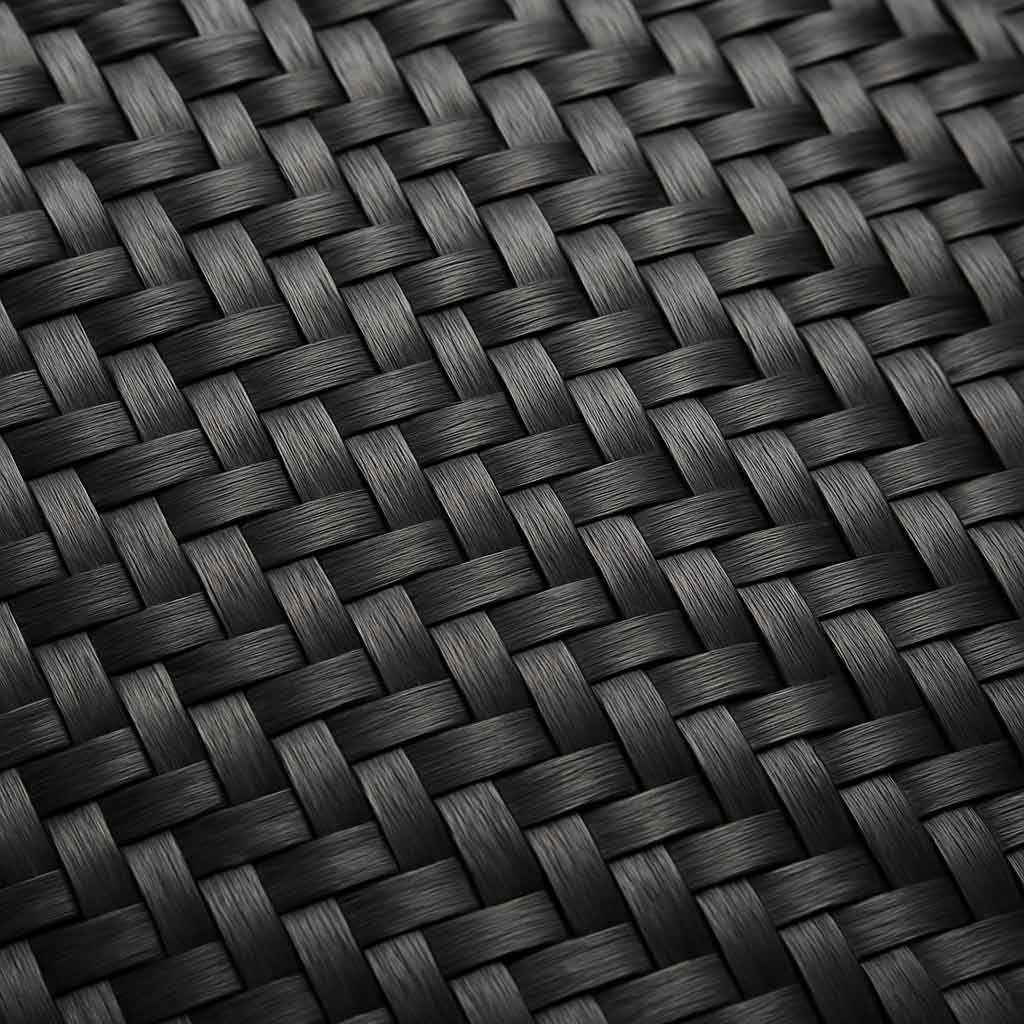
Bike Frames Carbon Fiber Bicycle Frameset
The world of cycling has witnessed a remarkable evolution in bicycle frame technology.&nbs...
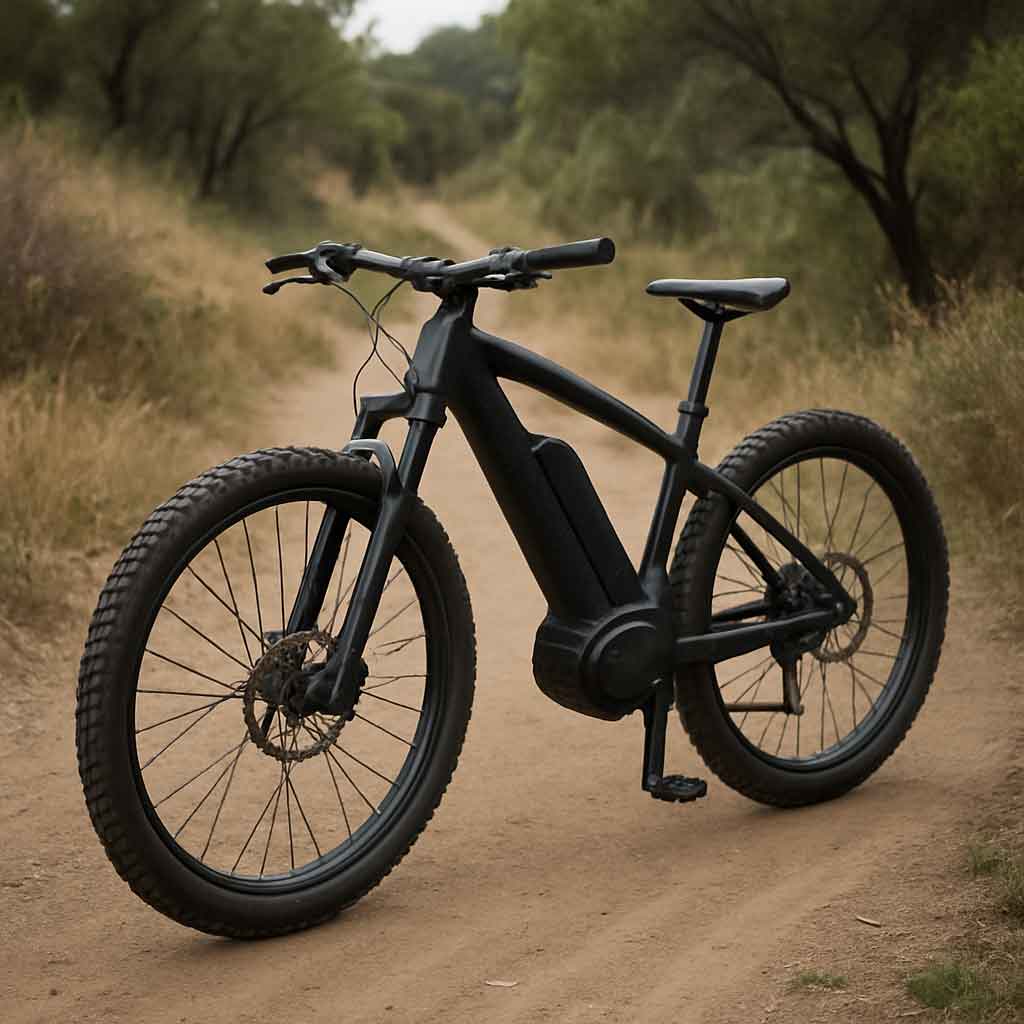
Exploring the Benefits of Carbon Fiber Electric Bikes
Electric bikes, commonly known as e-bikes, have been making waves in the cycling community. With advancements in technology, these bikes have become m...
Exploring the Benefits of Carbon Fiber Bike Frames
In recent years, the cycling industry has undergone a notable transformation, particularly in the materials used for bike frames. Carbon fiber has eme...
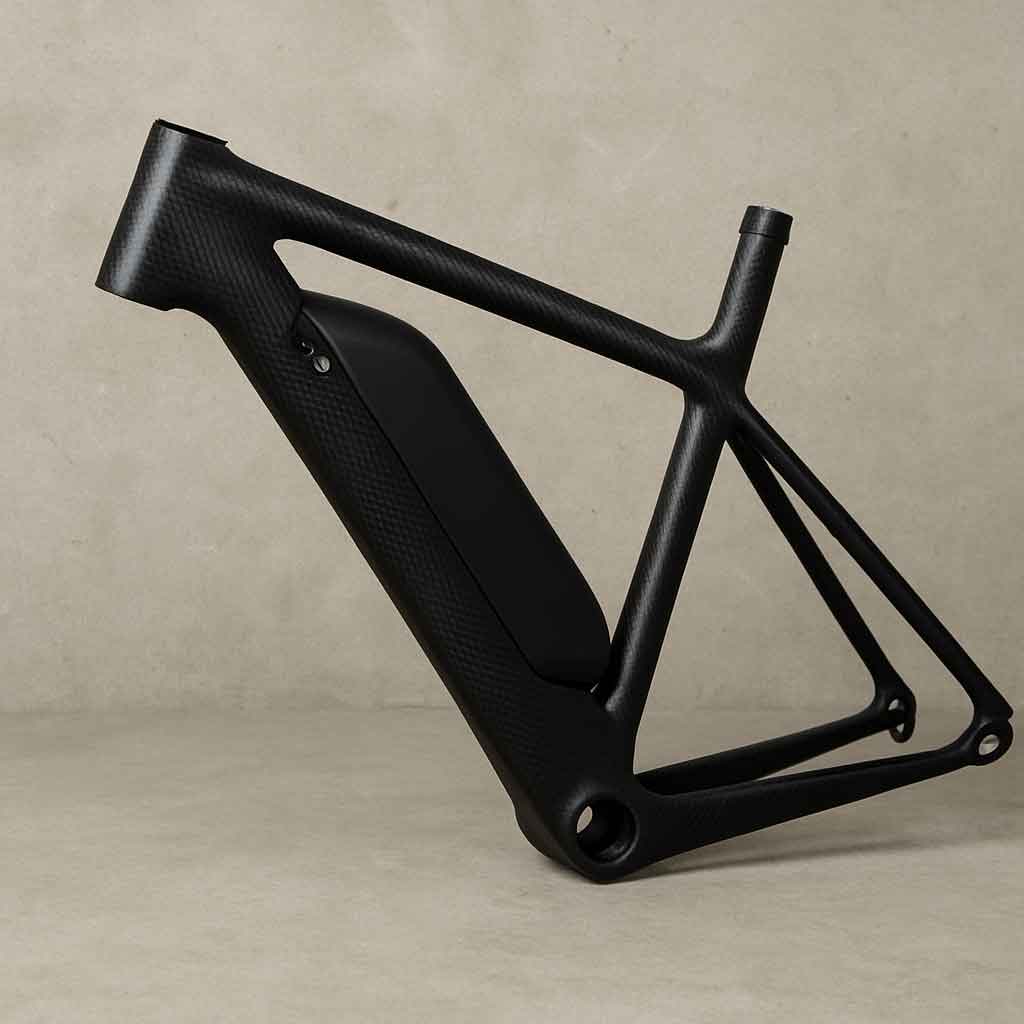
Exploring the Benefits of Carbon Fiber E-Bikes
Carbon fiber e-bikes are electric bicycles featuring frames crafted from carbon fiber, a...
what carbon fiber is made of
Carbon fiber is a material that has revolutionized many industries. Its unique properties make it a favorite in aerospace, automotive, and sports equi...
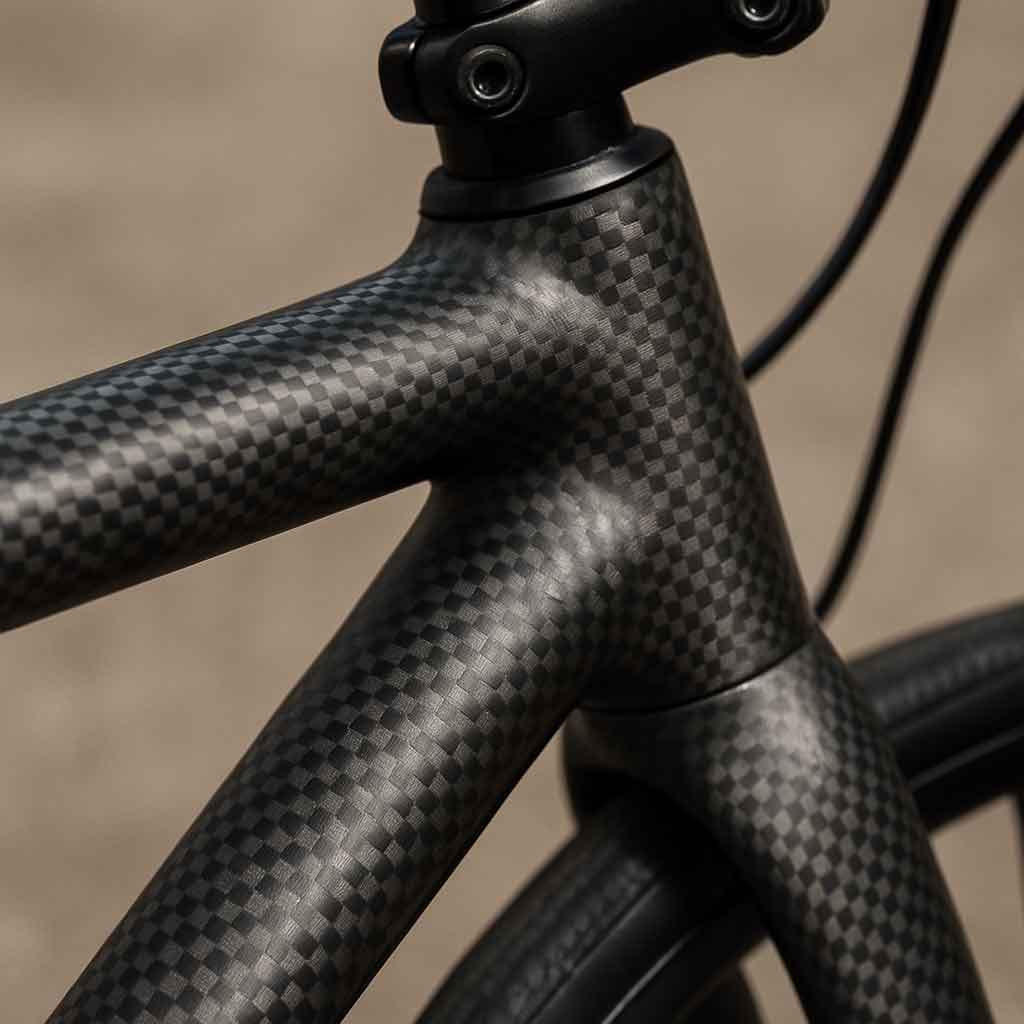
Advantages of Carbon Fiber Bike Frames
When it comes to choosing a bike, one of the most important decisions you'll make is what type of frame material to select. Among the various options ...
Exploring the Benefits of Graphite Fiber
In the dynamic field of advanced materials, graphite fiber emerges as a pivotal innovation. Often juxtaposed with carbon fiber, graphite fiber offers ...
What Is Carbon Fiber? The Complete Guide to This Super Material
Carbon fiber is a polymer that is exceptionally strong and lightweight. Technically speaking, it's a carbon fiber reinforced polymer (CFRP) – a ...
Benefits of Carbon Electric Bike Frames
Electric bikes, or e-bikes, have revolutionized the way we commute and enjoy leisure rides. As these bikes gain popularity, the materials used in thei...
What is Carbon Fiber? The Ultimate Guide to High-Performance Materials
Introduction to Modern Material Engineering Carbon fiber represents the pinnacle of material science innovation. This sophisticated composite technol...