
A practical beginner guide to choosing your first road bike without getting lost in model names and component jargon.
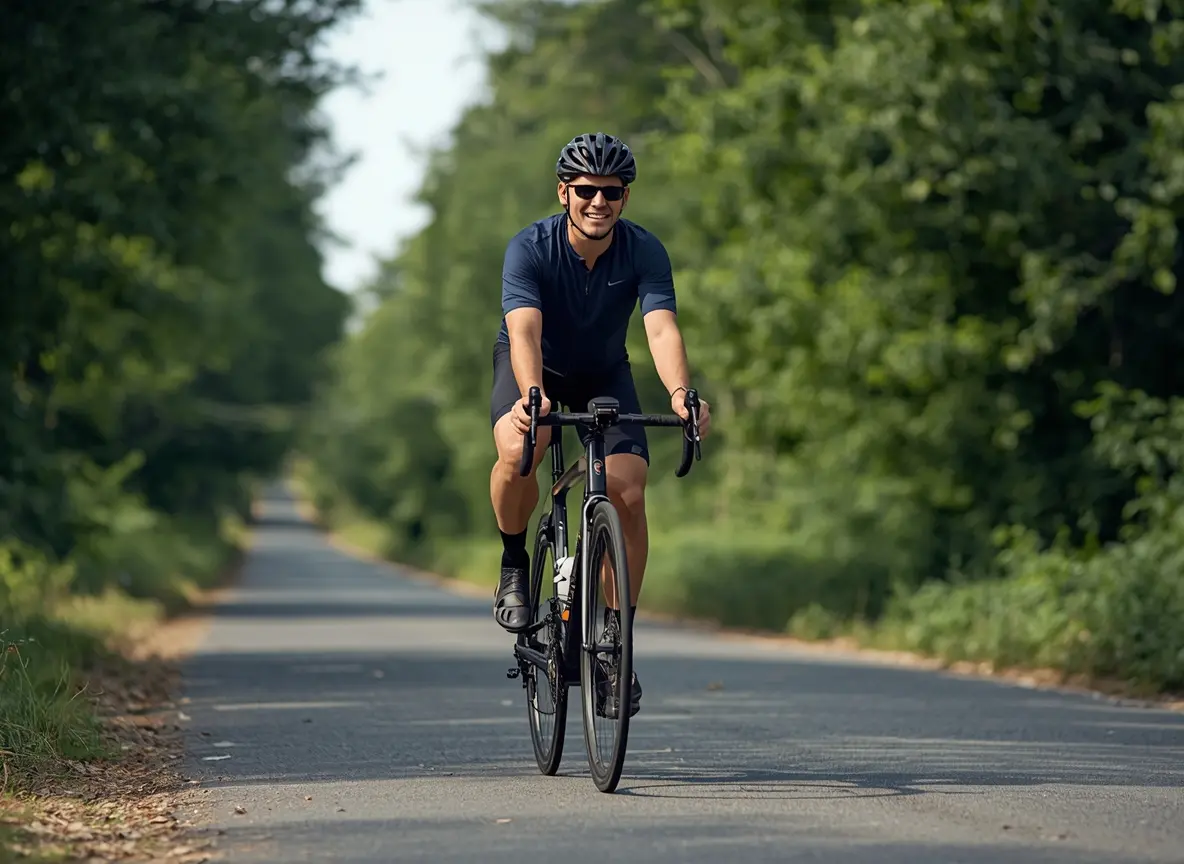
Buying your first road bike is exciting, but it can also feel confusing. You may see terms like carbon frame, endurance geometry, aero road bike, groupset, stack, reach and tire clearance before you even know what matters most.
This guide keeps the process simple. Start with the frame and fit, then choose the right geometry, components and budget plan. If you are comparing carbon frame options, you can also browse the Mondince carbon road bike frame collection.
1. Start with the Frame
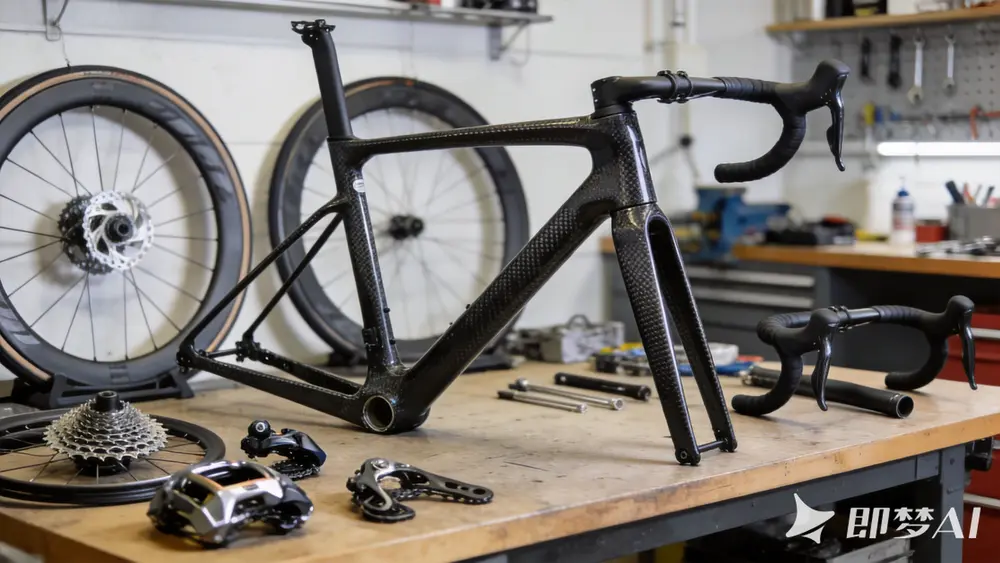
The frame is the foundation of the bike. It determines fit, ride feel, tire clearance, handling, weight and future upgrade options. Wheels, groupsets and cockpit parts can be changed later, but the frame defines the bike's long-term potential.
For many riders, a quality carbon road bike frame is a strong starting point because it can combine low weight, efficient stiffness, comfort and clean integration. Mondince road frames such as the FM126 carbon road frame are designed for riders who want a modern frame platform for performance road builds.
2. Choose the Right Frame Material
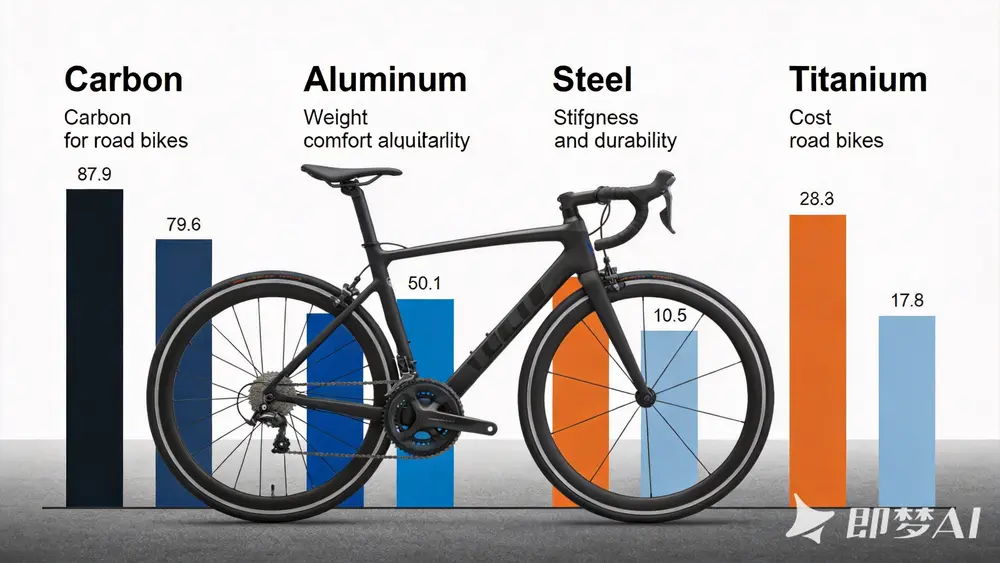
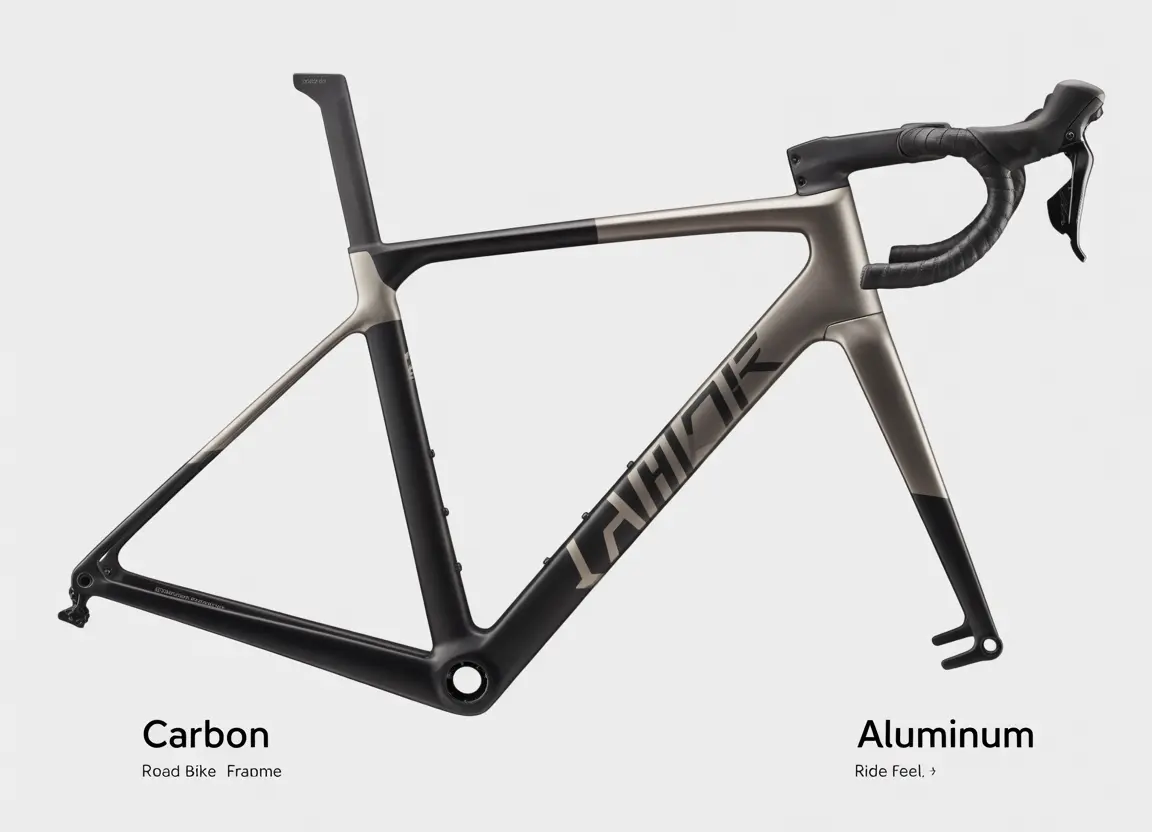
Road bike frames are usually made from carbon fiber, aluminum, steel or titanium. Each material has a different balance of weight, comfort, cost and long-term value.
| Material | Strengths | Best For |
|---|---|---|
| Carbon fiber | Low weight, tunable stiffness, comfort and aerodynamic shaping. | Performance riding, long-distance road rides and upgrade-focused builds. |
| Aluminum | Affordable, practical and easy to find. | Tight budgets and entry-level complete bikes. |
| Steel | Comfortable ride feel and repairability. | Classic road builds and touring-style riders. |
If your budget allows, carbon is often the best long-term frame choice for road cycling. For a broader material comparison, read our road bike frame materials guide.
3. Pick Endurance or Race Geometry
Geometry affects how the bike fits and handles. For beginners, this is usually more important than saving a few grams.
- Endurance geometry: More upright position, taller front end and more comfort for long rides.
- Race geometry: Lower, longer and more aggressive for experienced riders who prioritize speed.
- Aero geometry: Designed around speed and aerodynamic efficiency, often with a more performance-focused fit.
For your first road bike, endurance or balanced performance geometry is usually safer than a very aggressive race fit. You can always make small adjustments with stem length, spacer height and handlebar choice.
4. Understand Groupset Levels
The groupset includes the shifters, derailleurs, crankset, cassette, chain and brakes. Higher groupsets are usually lighter and shift more smoothly, but beginners do not need the most expensive option.
| Level | Examples | Recommendation |
|---|---|---|
| Entry | Shimano Sora, Tiagra | Good for strict budgets and casual riding. |
| Mid-range | Shimano 105, SRAM Rival | Best value for most beginners and long-term riders. |
| High-end | Ultegra, Dura-Ace, Force, RED | Best for racing, weight savings and premium builds. |
For most new road cyclists, Shimano 105 or SRAM Rival is a very strong choice. It gives reliable performance without using too much of the total budget.
5. Check Tire Clearance
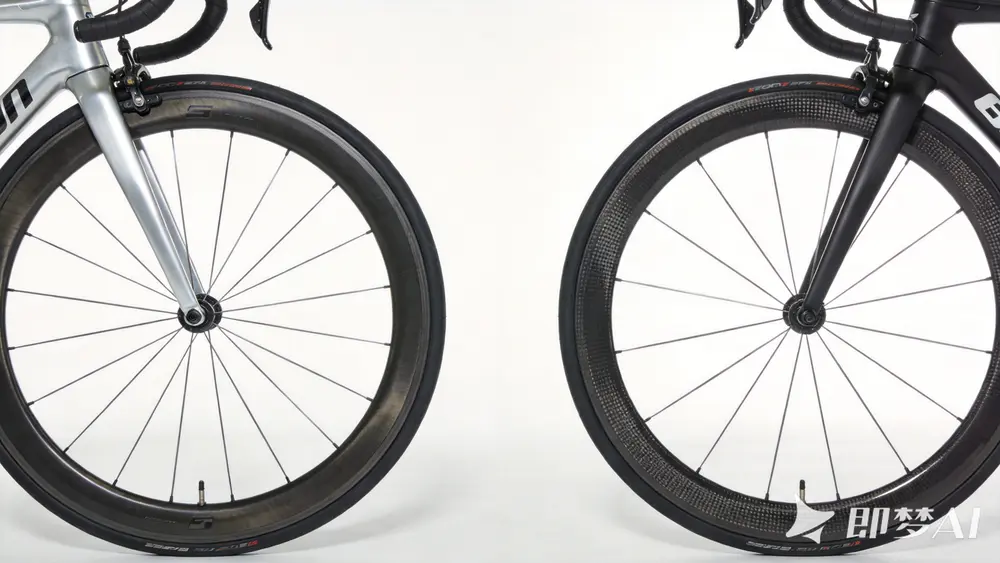
Modern road bikes are no longer limited to very narrow tires. Many riders now prefer 28mm, 30mm or even 32mm tires because they improve comfort and control on real roads.
Before buying a frame, check the maximum recommended tire size. Wider tire clearance gives you more flexibility for rough pavement, long-distance riding and different wheel setups. For road riding, 28-32mm clearance is a good target for most beginners.
For a budget-focused build plan, read how to build a road bike under $3000.
6. Plan Your Budget Around the Frame First
A common mistake is spending too much on flashy components and too little on the frame. A better approach is to choose a strong frame platform first, then build with practical components and upgrade later.
| Budget Area | Priority | Why It Matters |
|---|---|---|
| Frame | High | Defines fit, handling, weight and upgrade potential. |
| Groupset | Medium to high | Affects shifting, braking and reliability. |
| Wheels | Medium | Can be upgraded later for a major performance improvement. |
| Cockpit and saddle | Fit-dependent | Important for comfort and body position. |
A frame-first strategy works especially well if you plan to ride for several years and upgrade the bike gradually.
7. Confirm Size Before You Buy
Correct size matters more than brand, color or component level. A frame that is too large or too small will be uncomfortable and difficult to tune, even if it has expensive parts.
Use your height, inseam and riding goals as a starting point, then compare stack and reach numbers. If you are buying online, use the Mondince bike frame size calculator and compare the geometry chart with a bike you already ride comfortably.
Beginner Road Bike Checklist
- Choose a frame size that matches your height, inseam and flexibility.
- Start with endurance or balanced geometry, not an extreme race fit.
- Look for 28-32mm tire clearance for real-world road comfort.
- Choose Shimano 105, SRAM Rival or similar mid-range groupset if budget allows.
- Prioritize a good frame platform before expensive wheels or small weight savings.
- Check bottom bracket, brake mount, axle and headset standards before building.
- Keep some budget for saddle, tires, pedals and professional assembly if needed.
When Should You Choose a Gravel Bike Instead?
If you expect to ride a lot of dirt roads, rough paths, bikepacking routes or mixed terrain, a road bike may not be the best first choice. In that case, compare the Mondince carbon gravel bike frame collection. Gravel bikes offer wider tire clearance and more stability for uneven surfaces.
If most of your riding is pavement, group rides, climbing and fitness training, a road bike frame is still the better choice.
Ready to Start?
Choosing your first road bike becomes much easier when you start with the frame, fit and riding style. A quality carbon road bike frame gives you a strong base that can grow with future component upgrades.
Browse the Mondince carbon road bike frame collection or contact Mondince for help choosing the right frame size, geometry and build direction.