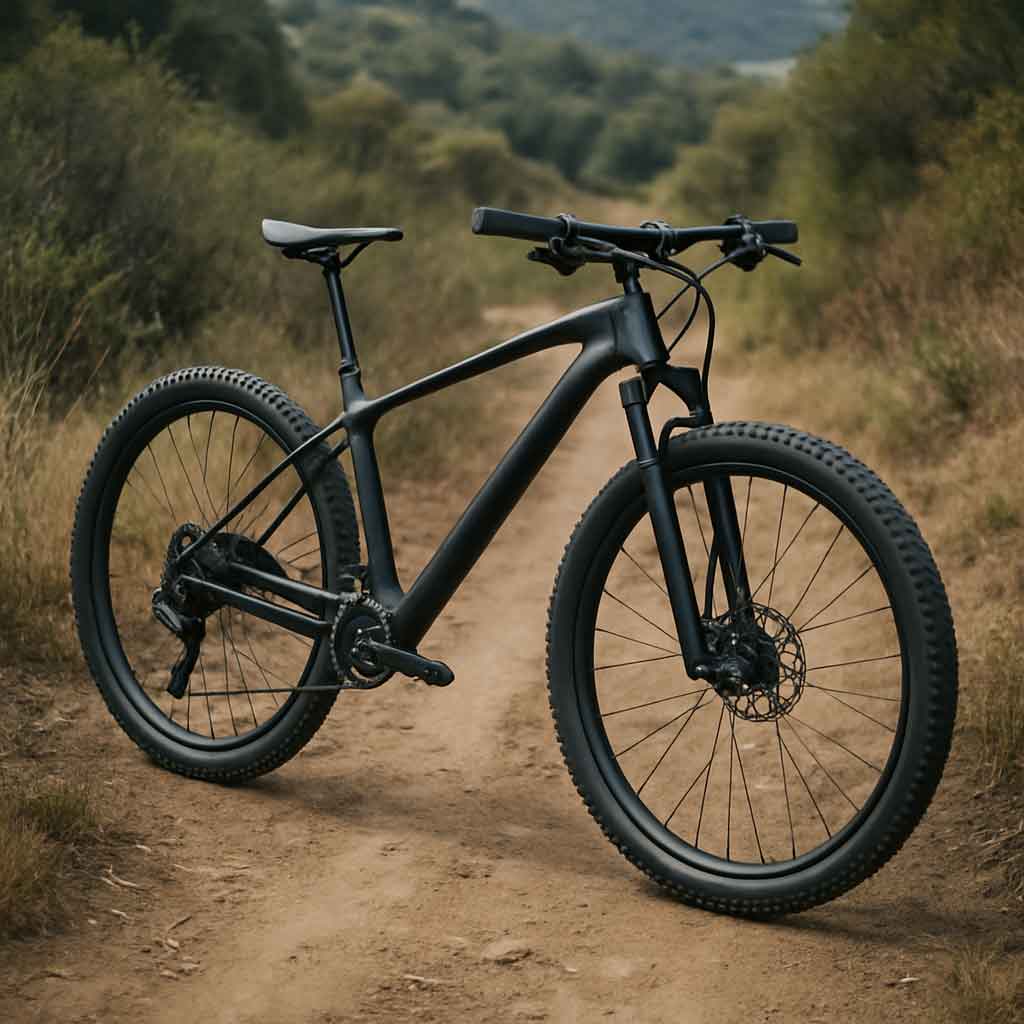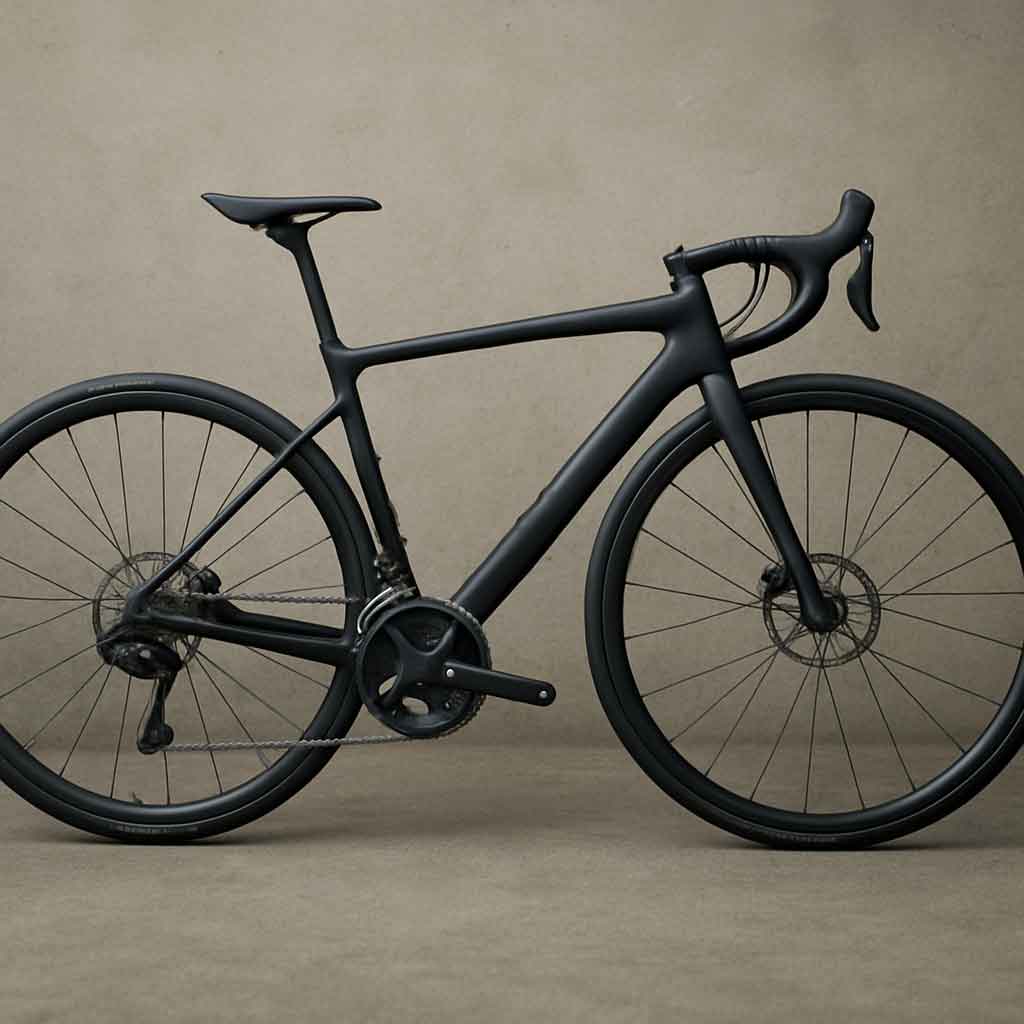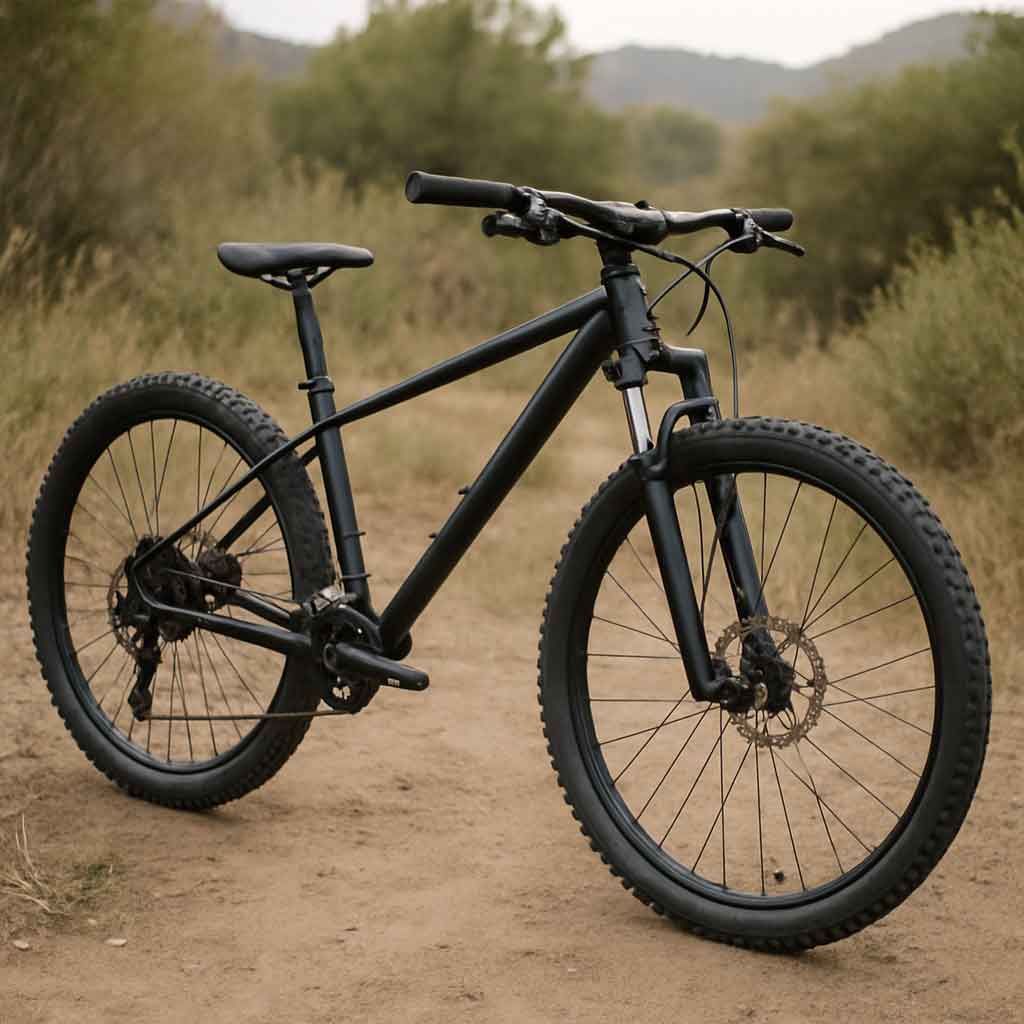

A carbon mountain bike frame can make an MTB lighter, more responsive, and more comfortable on rough terrain. But the best carbon MTB frame is not only about weight. Suspension design, geometry, layup strength, tire clearance, axle standard, and testing all matter.
Mountain biking puts heavy demands on a frame. Rocks, roots, drops, cornering loads, braking forces, and suspension movement all create stress. This is why a carbon MTB frame must be designed differently from a carbon road or gravel frame.
Modern carbon mountain bike frames are built to balance strength, stiffness, impact resistance, vibration damping, and weight. For riders, shops, and OEM brands, the goal is to choose a frame that matches the riding style, suspension travel, wheel size, and component setup.
Why Choose a Carbon Mountain Bike Frame?
Carbon fiber gives engineers more control over how a mountain bike frame behaves. The bottom bracket, head tube, suspension linkage area, and rear triangle can be reinforced for strength and stiffness, while other zones can be tuned to reduce harsh vibration.
Compared with many aluminum frames, a well-designed carbon MTB frame can offer lower weight, cleaner tube shaping, stronger stiffness control, and better integration. This is especially useful for XC racing, trail riding, enduro builds, and premium OEM projects.
For material background, read our carbon fiber bike frame guide.
Carbon MTB Frame vs Aluminum MTB Frame
| Factor | Carbon MTB Frame | Aluminum MTB Frame |
|---|---|---|
| Weight | Usually lighter for the same performance target | Usually heavier, but still practical and affordable |
| Stiffness Control | Layup can be tuned in different frame zones | More limited tuning through tube shape and wall thickness |
| Ride Comfort | Can reduce vibration through carbon layup and frame design | Often feels more direct and can be harsher on rough terrain |
| Impact Behavior | Strong when designed and tested properly, but should be inspected after hard impact | Can dent or bend, but damage is often easier to see |
| Cost | Higher material and manufacturing cost | More affordable for entry-level builds |
| Best For | Performance MTB, lightweight builds, premium OEM projects | Budget builds, entry-level riders, high-impact training bikes |
Main Benefits of Carbon MTB Frames
Lower Weight
Weight matters in mountain biking, especially for climbing, acceleration, and long rides. A lighter frame can make the bike feel quicker and easier to handle. This is important for XC racing and trail riders who want efficient climbing without sacrificing strength.
Tuned Stiffness
A carbon frame can be made stiff where power transfer and steering precision matter most. The bottom bracket, head tube, chainstays, and suspension pivots can be reinforced to improve pedaling efficiency and handling.
Vibration Damping
Carbon fiber can help reduce high-frequency trail vibration. This does not replace suspension, but it can make the frame feel smoother and reduce fatigue during long rides.
Modern Tube Shaping
Carbon allows more complex tube shapes and cleaner integration. This can help with internal cable routing, bottle clearance, tire clearance, suspension packaging, and e-bike motor or battery integration.
OEM Customization
For bike brands and distributors, carbon MTB frames are suitable for custom paint, brand decals, model-specific positioning, and different build levels. Mondince supports OEM carbon frame customization for MTB, gravel, road, and e-bike projects.
Hardtail vs Full-Suspension Carbon MTB Frame
| Frame Type | Best For | Key Advantages |
|---|---|---|
| Carbon Hardtail MTB Frame | XC racing, climbing, fast trail riding, lighter builds | Lower weight, simple maintenance, efficient power transfer |
| Carbon Full-Suspension MTB Frame | Trail, all-mountain, enduro, rough terrain | More comfort, better traction, improved control on technical routes |
A hardtail is usually better if you prioritize low weight, climbing efficiency, and simple maintenance. A full-suspension frame is better if you ride rough trails, technical descents, and terrain where traction and control matter more than minimum weight.
What to Check Before Choosing a Carbon MTB Frame
- Riding style: XC, trail, all-mountain, enduro, or e-MTB.
- Wheel size: 29er, 27.5, or mixed-wheel compatibility.
- Suspension travel: Match frame design with the correct fork and rear shock travel.
- Axle standard: Check rear spacing, thru-axle size, and hub compatibility.
- Bottom bracket: Confirm crankset and serviceability requirements.
- Tire clearance: Make sure the frame supports your target tire width.
- Seatpost size: Check dropper post compatibility and insertion depth.
- Derailleur hanger: UDH can make replacement and drivetrain compatibility easier.
- Testing: Confirm strength, fatigue, and impact testing for MTB use.
You can browse current options on the Mondince carbon MTB frame collection.
Carbon MTB Frame Durability
A common concern is whether carbon is strong enough for mountain biking. A properly designed carbon MTB frame can be very strong, but it must be engineered for trail loads. Reinforced layup areas, controlled molding, strong bonding, and testing are important.
Carbon frames should also be inspected after major crashes, sharp rock impacts, or unusual noises. If you are unsure whether damage is cosmetic or structural, stop riding and inspect the frame carefully.
For related material comparison, read our carbon fiber bike frame benefits guide.
Testing and Quality Control
MTB frames need reliable testing because they face higher impact and fatigue loads than normal road frames. Important checks include frame alignment, wall thickness consistency, bonding quality, fatigue testing, impact testing, and maximum load testing.
Mondince carbon frames are developed with quality control and testing in mind. You can review related information on the certification page.
Carbon MTB Frames for OEM Projects
For brands and distributors, carbon MTB frames can support different product positions. A lightweight XC hardtail, a trail full-suspension frame, and an e-MTB frame all need different geometry, reinforcement, and component standards.
Mondince can support OEM frame projects with custom paint, brand decals, geometry discussion, sample confirmation, and production planning. Learn more about Mondince OEM services.
Frequently Asked Questions
Are carbon MTB frames strong enough for trail riding?
Yes, if the frame is properly designed and tested for MTB use. Carbon frames can be very strong, but they should be inspected after hard impacts or crashes.
Is carbon better than aluminum for mountain biking?
Carbon is usually better for riders who want lower weight, tuned stiffness, vibration damping, and premium frame design. Aluminum is still a good choice for lower-cost builds and riders who prioritize budget.
Should I choose a hardtail or full-suspension carbon MTB frame?
Choose a hardtail for lighter weight, climbing efficiency, and simpler maintenance. Choose full suspension for rough trails, technical descents, and better traction.
Conclusion
A carbon mountain bike frame can offer lower weight, better stiffness control, vibration damping, and modern frame integration. The right choice depends on your riding style, suspension needs, wheel size, component standards, and budget.
If you are comparing frames for XC, trail, full-suspension, or OEM MTB projects, start with the Mondince carbon MTB frame collection. For custom paint, geometry, or model recommendations, contact Mondince.