
5 engineering advantages that make carbon the undisputed king of road frame materials.
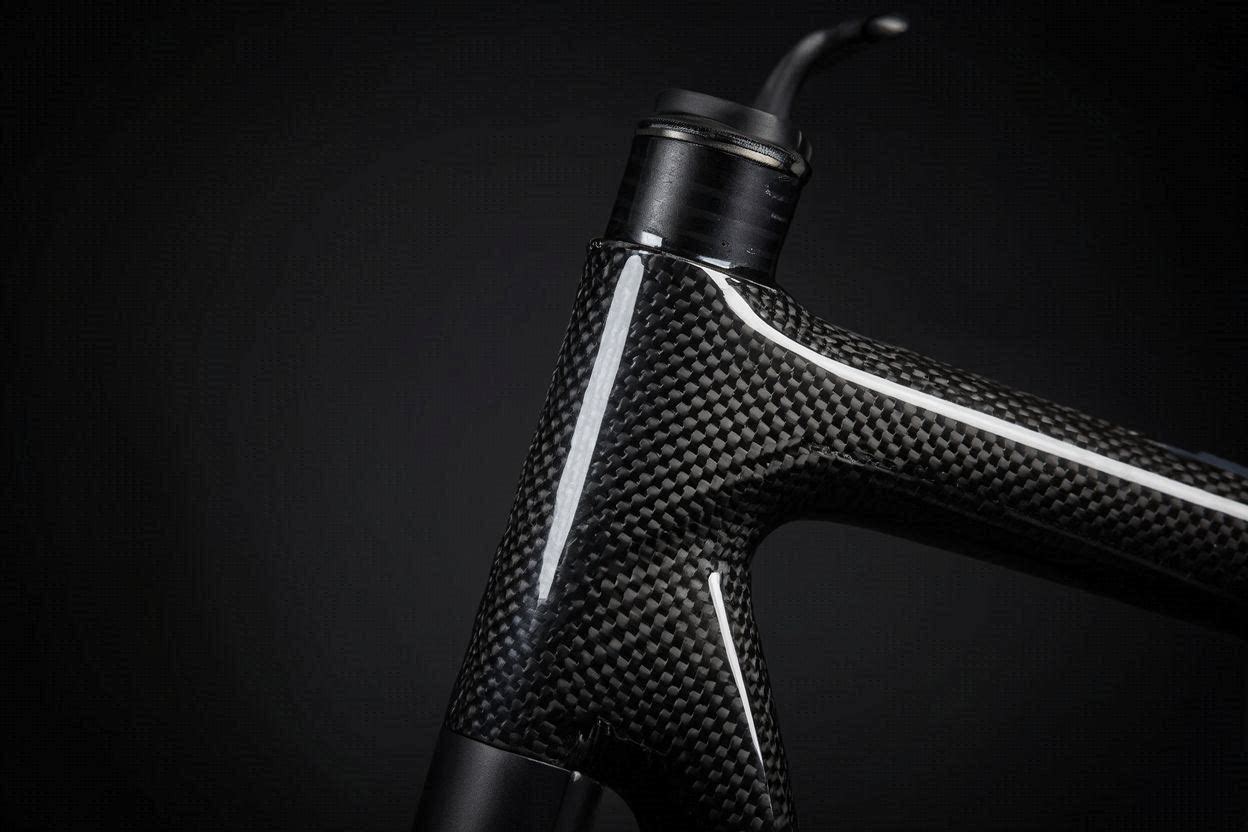
Walk into any pro race pit or high‑end bike shop, and you’ll see one material dominating: carbon fiber. But why? What makes carbon so special that even entry‑level performance bikes now use it? In this article, we break down the 5 key advantages of carbon road bike frames – from weight savings to aero shaping – and why Mondince chooses Toray carbon for all our frames.
1. Unbeatable Strength-to-Weight Ratio
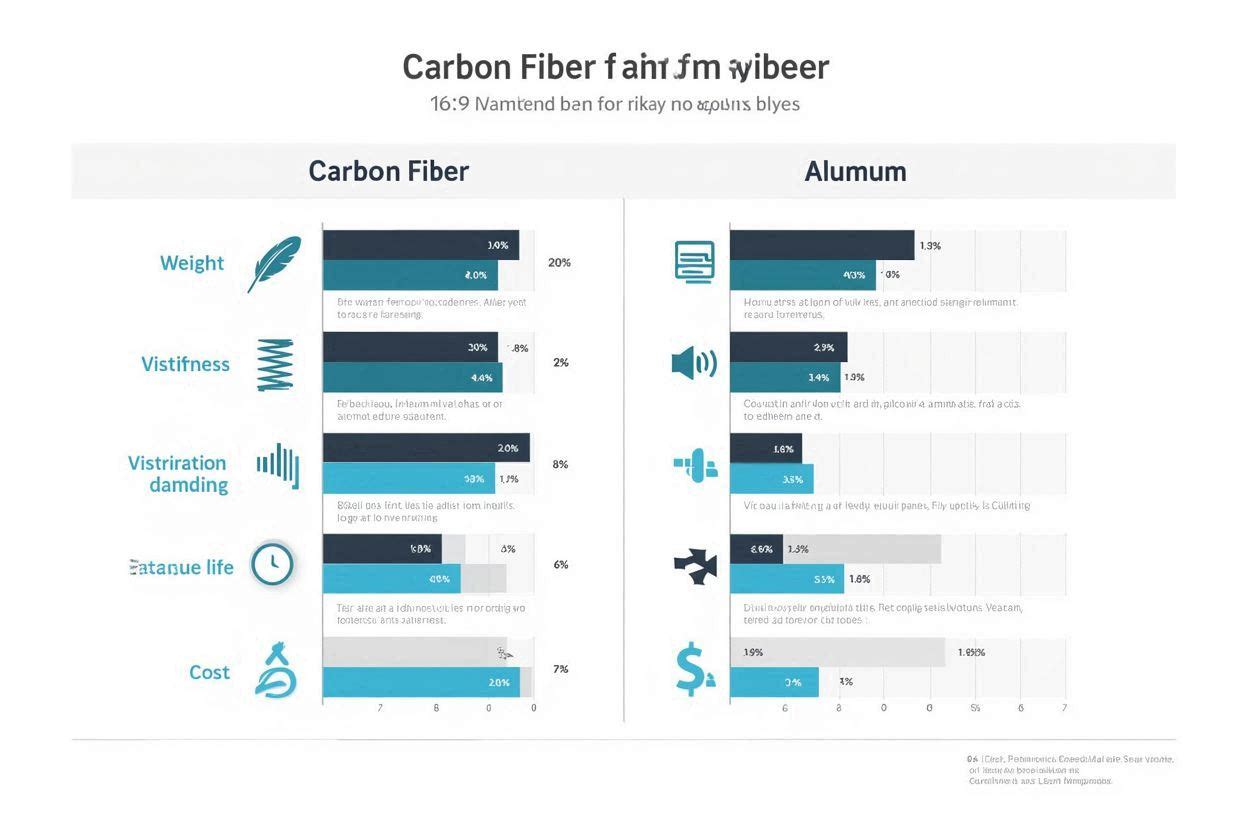
Carbon fiber is incredibly strong for its weight. A well‑made carbon road bike frame weighs as little as 760g (size S, like the Mondince FM126) – roughly half the weight of a steel frame and 30% lighter than aluminum. This translates directly to faster climbing, quicker acceleration, and less fatigue on long rides. No other material gives you this combination of low weight and high stiffness.
2. Directional Stiffness (Stiff Where You Need It, Compliant Where You Want It)
Unlike metals, which have uniform stiffness in all directions, carbon fiber can be engineered to be extremely stiff in the bottom bracket and head tube (for power transfer and precise steering) while remaining compliant in the seat stays and fork (to absorb road vibration). This tunability is impossible with aluminum or steel. The result is a frame that feels both responsive and comfortable – ideal for long days in the saddle.
3. Superior Vibration Damping
Road buzz – the high‑frequency vibration from rough pavement – can fatigue your hands, arms, and back over hours of riding. Carbon fiber naturally damps these vibrations better than aluminum and even steel. A carbon road bike frame glides over chip seal and cracked asphalt, keeping you fresher. Many riders switch from aluminum to carbon specifically for this comfort boost.
4. Infinite Fatigue Life
Aluminum frames have a finite fatigue life – typically 10‑15 years of regular riding before micro‑cracks form. Carbon fiber, when properly designed and free from impact damage, has no fatigue limit. It can last indefinitely. That’s why a carbon frame is a true “buy it for life” investment. Mondince tests every frame to 1.3× ISO 4210 – 30% above industry baseline – ensuring long‑term durability.
5. Aerodynamic Freedom
Carbon fiber can be molded into complex aerodynamic shapes that are impossible to extrude or weld in metal. Teardrop tubes, Kamm tails, integrated cockpits – all made possible by carbon. The FM126 aero road frame uses wind‑tunnel‑optimised tube profiles to save watts at speed. If you care about speed, carbon is the only choice.
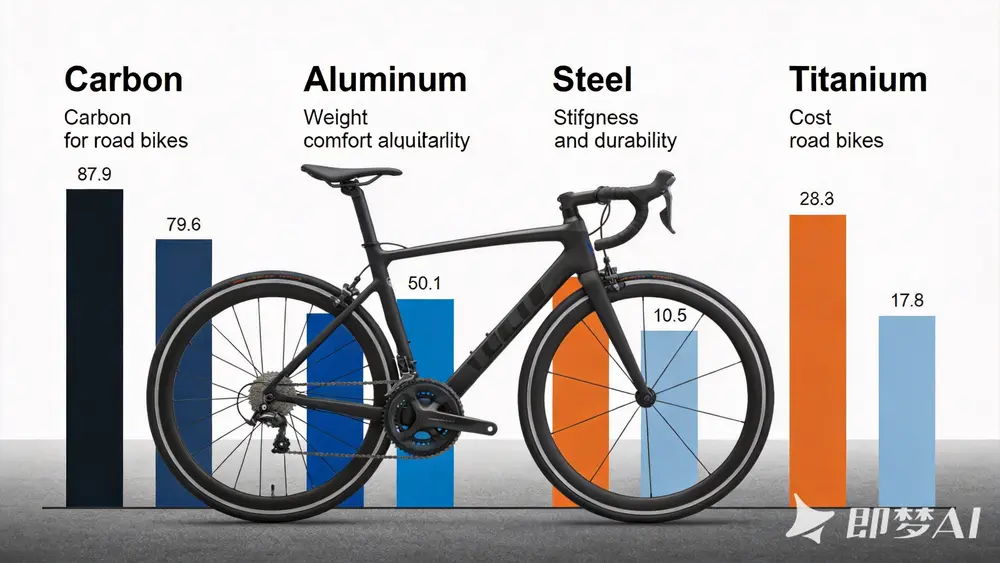
Quick Comparison: Carbon vs Aluminum vs Steel
| Material | Weight (M frame) | Stiffness | Vibration Damping | Fatigue Life | Aero Shaping |
|---|---|---|---|---|---|
| Carbon | 760‑950g | Tunable | Excellent | Infinite | Unlimited |
| Aluminum | 1100‑1400g | Uniform | Poor | 10‑15 years | Limited |
| Steel | 1600‑2200g | Uniform | Good | Very long | None |
Are There Any Downsides?
Carbon frames cost more than aluminum. They can be damaged by sharp impacts (though modern layups are tough). And repairs require specialist skills. However, for performance‑oriented road cyclists, the advantages far outweigh the downsides – especially with direct‑to‑consumer pricing from Mondince.
Conclusion: Carbon is the Performance Standard
Whether you’re racing, climbing mountains, or doing long fondos, a carbon road bike frame gives you a lighter, faster, more comfortable ride. Explore Mondince’s range of Toray carbon frames – from the aero FM126 to the all‑round FM086. Shop now or contact us for custom geometry.