
A practical maintenance checklist for riders who want to keep their road bike clean, safe and smooth without needing a full workshop.
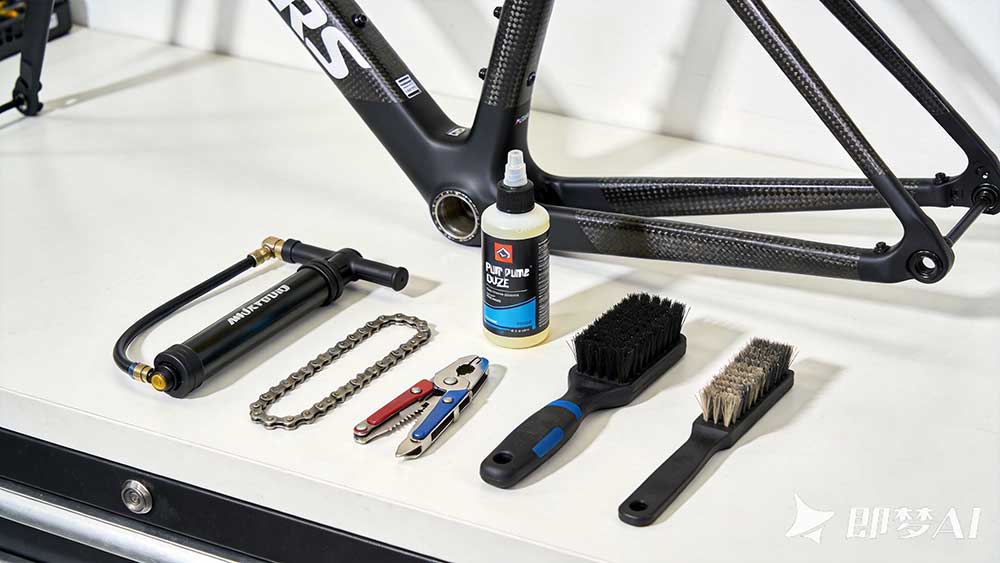
You do not need to be a professional mechanic to take care of a road bike. Most basic maintenance can be done at home with a floor pump, chain lube, a soft brush, a few hex keys and a clean rag. The goal is simple: keep the drivetrain clean, the tires properly inflated, the brakes working and the frame inspected.
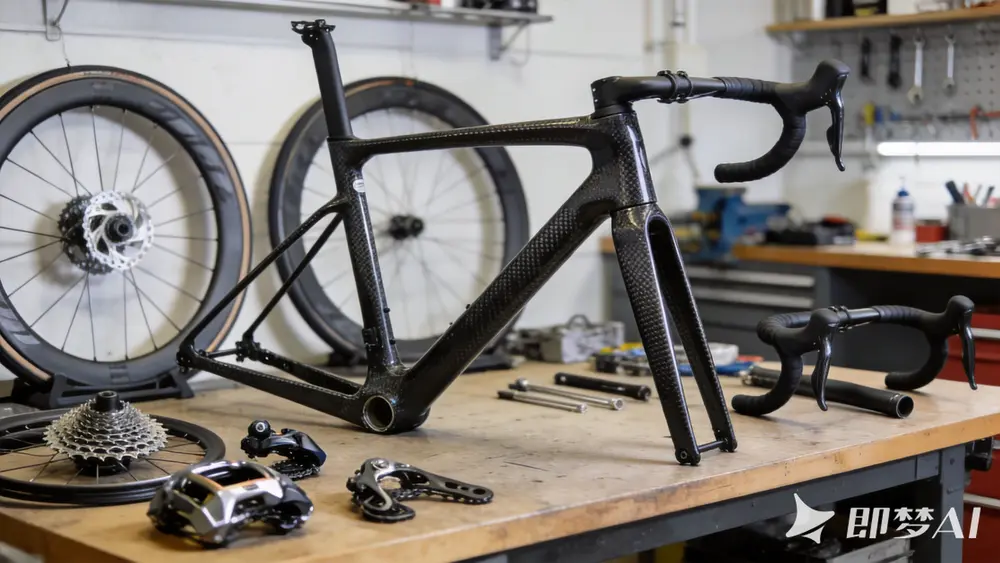
This checklist is especially useful if you ride a carbon road bike frame, because carbon parts should be cleaned and tightened with a little more care. A small routine each week can prevent expensive repairs later.
Weekly Road Bike Maintenance Checklist
| Task | How Often | Why It Matters |
|---|---|---|
| Clean frame and drivetrain | Weekly or after wet rides | Removes dirt that wears chains, cassettes and bearings. |
| Lubricate chain | After cleaning | Keeps shifting smooth and reduces drivetrain wear. |
| Check tire pressure | Before every ride | Improves comfort, grip and puncture resistance. |
| Inspect brakes | Weekly | Keeps stopping power safe and predictable. |
| Check key bolts | Weekly to monthly | Prevents loose cockpit, seatpost or bottle cage parts. |
1. Clean the Frame and Drivetrain
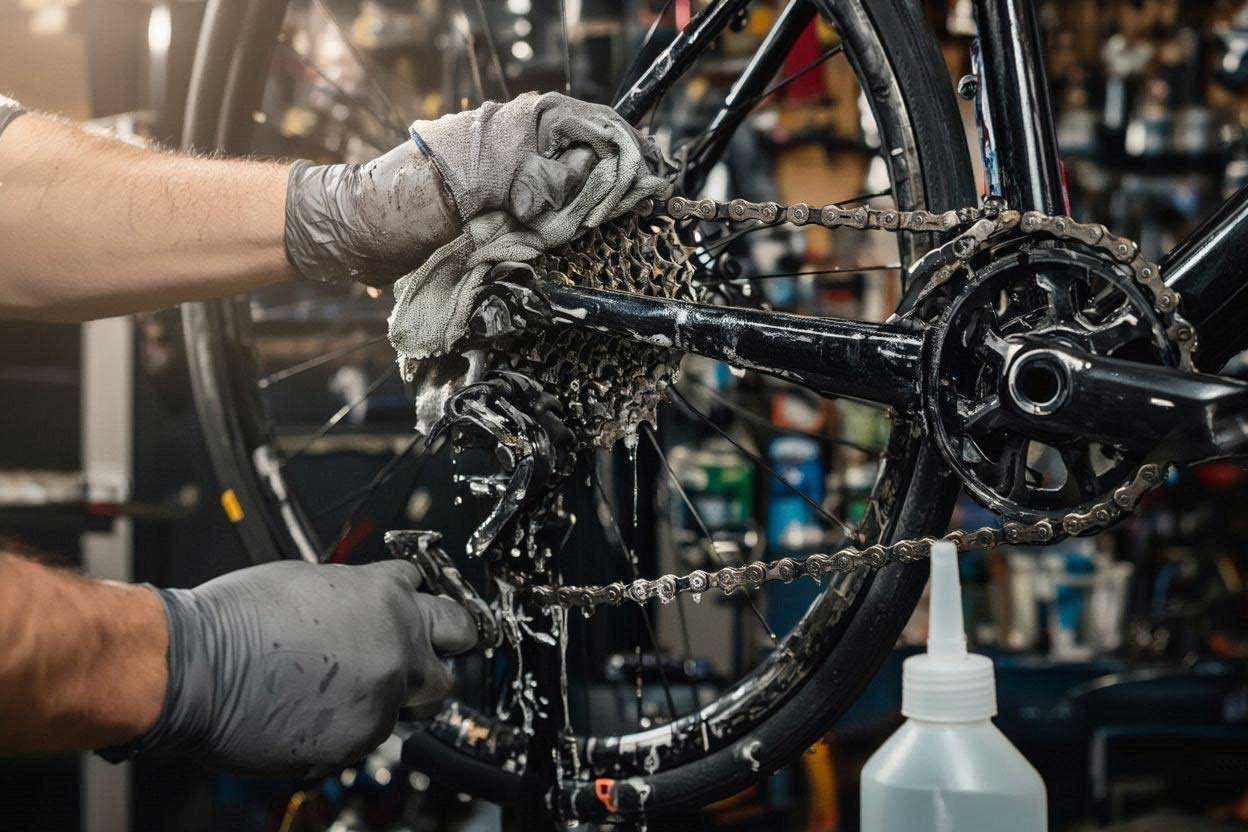
Use mild soap, water and a soft sponge to clean the frame. Avoid high-pressure washers, because they can force water into bearings, headset parts and bottom bracket areas. After a wet or dusty ride, clean the chain, cassette and chainrings with a brush and bike-safe degreaser.
Dry the bike after washing. Pay attention to the bottom bracket, fork crown, headset area and rear dropout, where dirt often builds up.
2. Lubricate the Chain Correctly
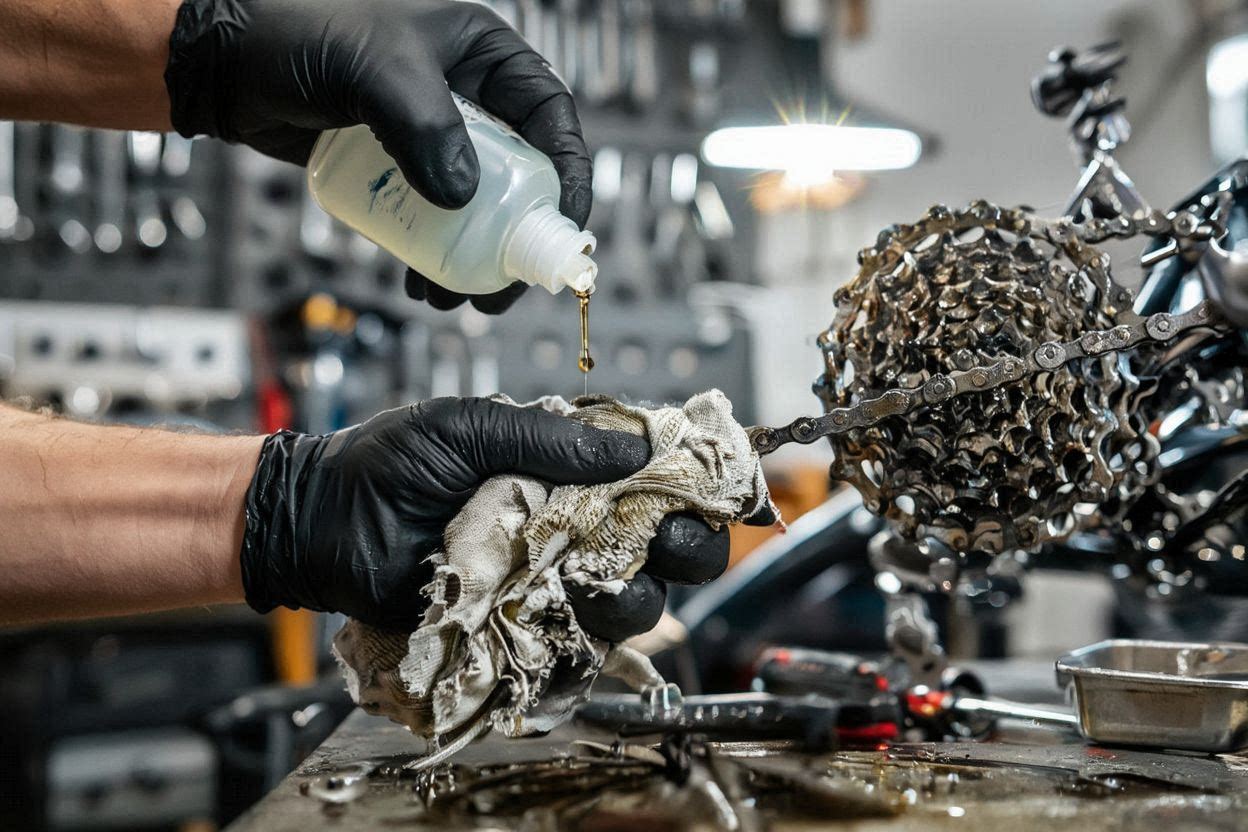
After the chain is clean and dry, apply one drop of chain lube to each roller. Turn the pedals backward to help the lube move through the chain, wait a few minutes, then wipe off the excess with a clean rag.
Too much chain lube attracts dust and creates a black paste that wears parts faster. Use wet lube for rainy conditions and dry lube for dry or dusty roads.
3. Check Tire Pressure Before Riding
Tire pressure affects comfort, rolling speed, grip and puncture risk. Use a floor pump with a gauge before each ride. For modern road tires, many riders use lower pressure than old 23mm tire setups, especially with 28mm to 32mm tires.
Always check the tire sidewall and rim manufacturer recommendations. Rider weight, tire width, road surface and tubeless setup all affect the best pressure.
4. Inspect Brake Pads and Rotors
For disc brakes, look through the caliper and check pad thickness. If the pad material is close to 1mm or less, replace the pads. Also check the rotor surface for oil, heavy discoloration or rubbing.
If the brakes feel weak, noisy or inconsistent, clean the rotors with isopropyl alcohol. Do not touch the rotor braking surface with greasy fingers. If the brake lever feels soft, the hydraulic system may need bleeding by a mechanic.
5. Check Key Bolts with the Right Torque
Road bikes have many small bolts, especially around the stem, handlebar, seatpost, bottle cages and derailleur hanger. These should be snug, but not overtightened.
For carbon parts, use a torque wrench whenever possible. Follow the torque value printed on the component or listed by the frame manufacturer. Carbon paste can help prevent seatpost or handlebar slipping without using excessive clamping force.
Monthly Maintenance Checks
- Check chain wear: Use a chain checker. Replacing a worn chain early can protect the cassette and chainrings.
- Inspect tires: Look for cuts, embedded glass, worn tread or sidewall damage.
- Check wheels: Spin each wheel and look for wobble, rubbing or loose spokes.
- Inspect cables and hoses: Look for cracks, frayed cable ends or rubbing marks.
- Check headset play: Hold the front brake and rock the bike forward and backward. Any knocking may need adjustment.
- Inspect derailleur hanger: Make sure shifting is smooth and the hanger is not bent after travel or a fall.
Carbon Road Bike Frame Care
A carbon road bike frame is strong when used correctly, but it needs proper care during cleaning, assembly and inspection. The most important rule is to avoid crushing force, sharp impacts and overtightened clamps.
- Do not clamp the frame tubes: In a repair stand, clamp the seatpost or use a stand that supports the bike safely.
- Use a torque wrench: Especially for stem, seatpost, saddle rail and handlebar bolts.
- Use carbon assembly paste: It helps reduce required clamping force on carbon contact areas.
- Inspect after crashes: Look for cracks, soft spots, unusual noises, paint fractures or changes in ride feel.
- Stop riding if damage is suspected: Have the frame inspected by a qualified mechanic or carbon repair specialist.
- Avoid extreme heat: Do not leave the bike inside a closed car under strong sun for long periods.
Annual or Seasonal Service
Even if you do basic maintenance at home, it is smart to schedule a deeper service once or twice a year, depending on mileage and weather conditions.
- Hydraulic brake bleed if the lever feels soft.
- Headset bearing inspection and grease.
- Bottom bracket bearing check or replacement.
- Wheel bearing inspection and wheel truing.
- Full drivetrain wear check.
- Complete bolt torque inspection.
- Carbon frame inspection after crashes or heavy travel.
Essential Tools for Home Maintenance
- Floor pump with pressure gauge.
- Chain lube for dry or wet riding conditions.
- Bike-safe degreaser and cleaning brushes.
- Soft sponge and microfiber cloths.
- Metric hex key set.
- Torque wrench for carbon parts.
- Chain checker tool.
- Tire levers, spare tube and patch kit.
- Isopropyl alcohol for disc brake rotors.
Beginner Maintenance Mistakes to Avoid
- Using high-pressure water directly on bearings.
- Applying too much chain lube and not wiping off the excess.
- Overtightening carbon seatposts, stems or handlebars.
- Ignoring brake noise or weak braking performance.
- Riding with very low tire pressure and damaging rims.
- Continuing to ride after a crash without inspecting the frame.
Final Thoughts
Road bike maintenance does not need to be complicated. Clean the bike regularly, keep the chain lubricated, check tire pressure before rides, inspect brakes and use the correct torque on carbon parts. These small habits keep the bike safer, quieter and more enjoyable.
If you are building or upgrading a road bike, compare the Mondince carbon road bike frame collection. For help choosing a frame, sizing or custom build direction, contact Mondince.