
Finding the right bike size is essential for comfort, efficiency, and injury prevention. An ill‑fitting frame can cause knee/back pain, poor handling, and quickly ruin your ride. In this guide, you'll find complete size charts for road bikes, mountain bikes, kids' bikes, plus step‑by‑step measurement instructions and pro‑level geometry tips.
🚴 Quick Sizing Summary (30‑second read)
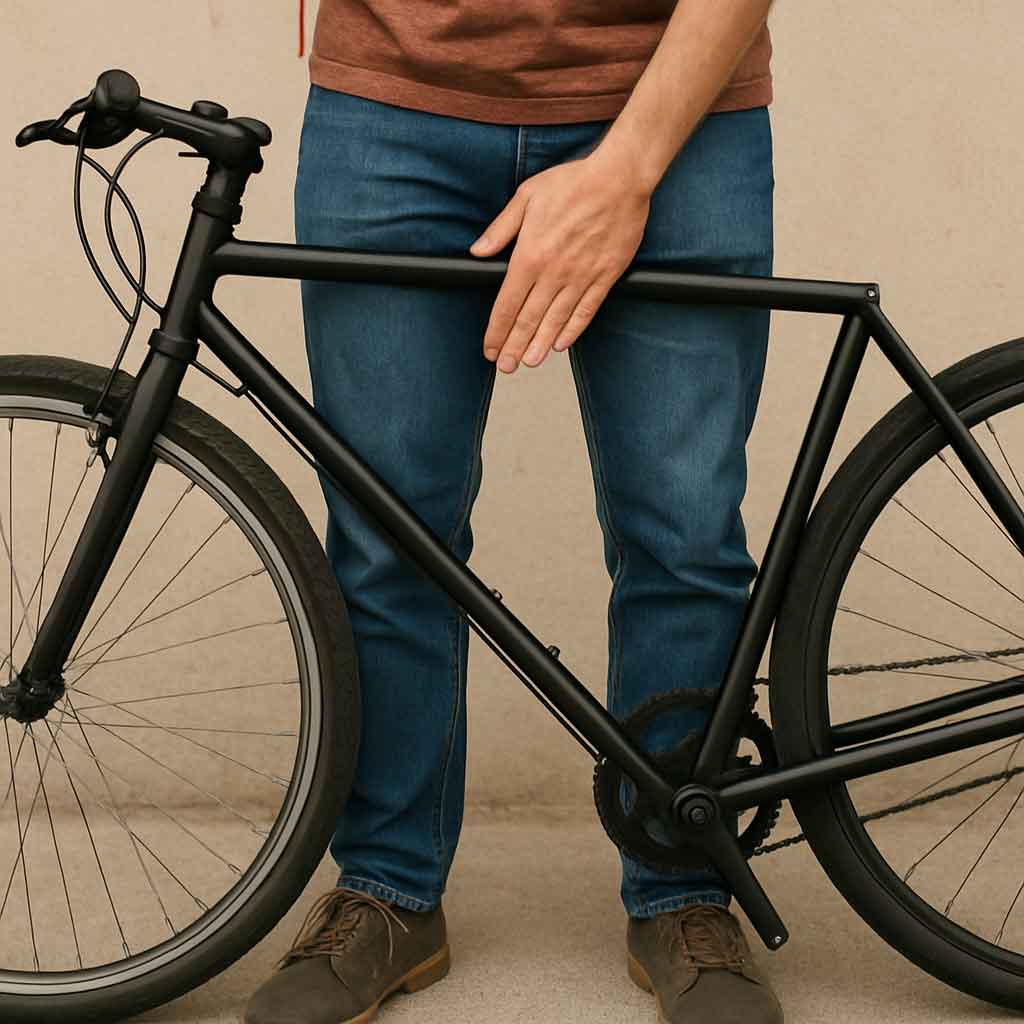
1. Stand‑over height is the most critical safety check. You should have 2‑5 cm of clearance above the top tube for road/gravel bikes, 5‑10 cm for mountain bikes.
2. For a quick formula: Road frame (cm) = Inseam (cm) × 0.67. MTB frame (inches) = Inseam (inches) × 0.59.
3. Double‑check with a size chart (see tables below). Always test ride if possible, and consider professional bike fitting for high‑mileage riding.
How to Measure Your Inseam (The Most Important Step)
Inseam length is the distance from your crotch to the floor. It directly determines the minimum stand‑over height of the frame and is the single most reliable measurement for bike sizing.
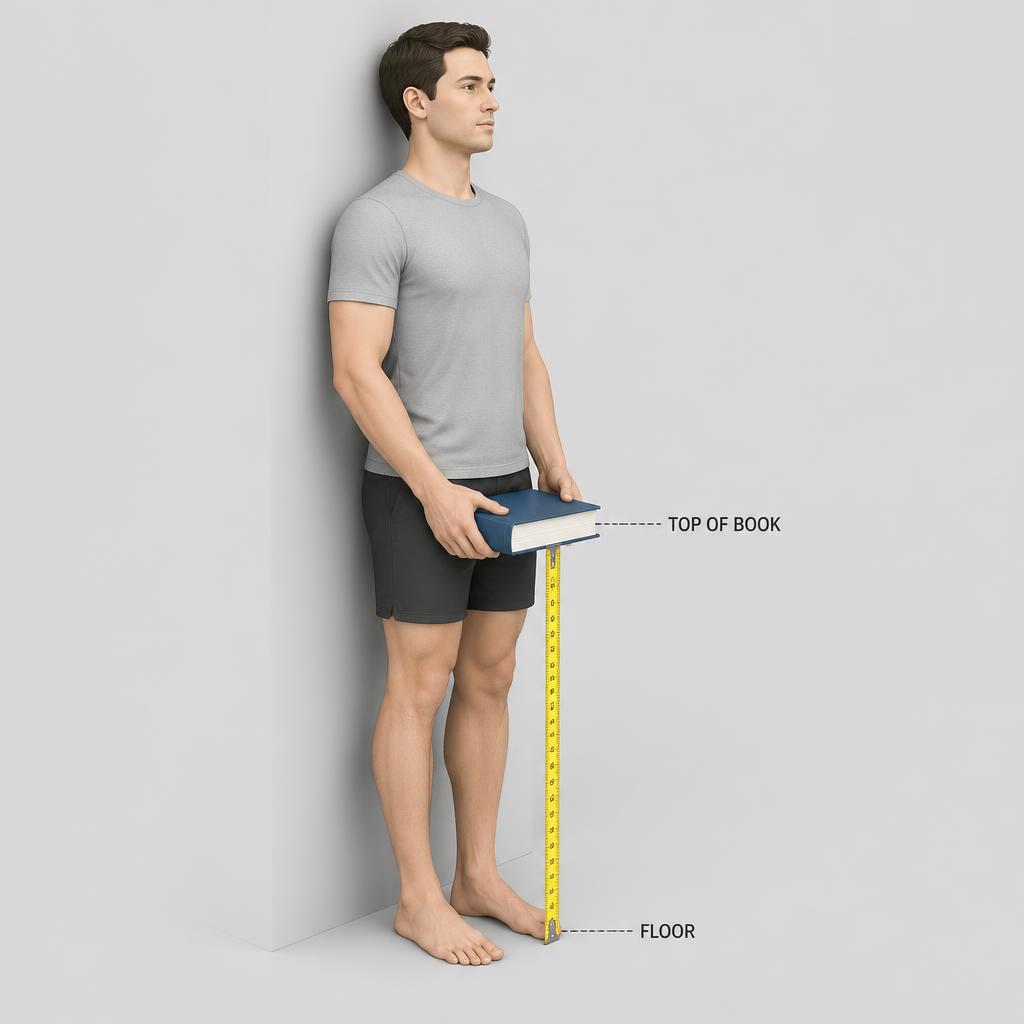
- Stand against a wall with bare feet about 6‑8 inches apart.
- Place a hardcover book between your legs, spine upward, as if sitting on a bike saddle. Pull it snugly against your crotch.
- Measure from the floor to the top of the book – that's your inseam length (in cm or inches).
- Repeat twice and take the average.
Complete Bike Size Chart (Road, MTB & Kids)
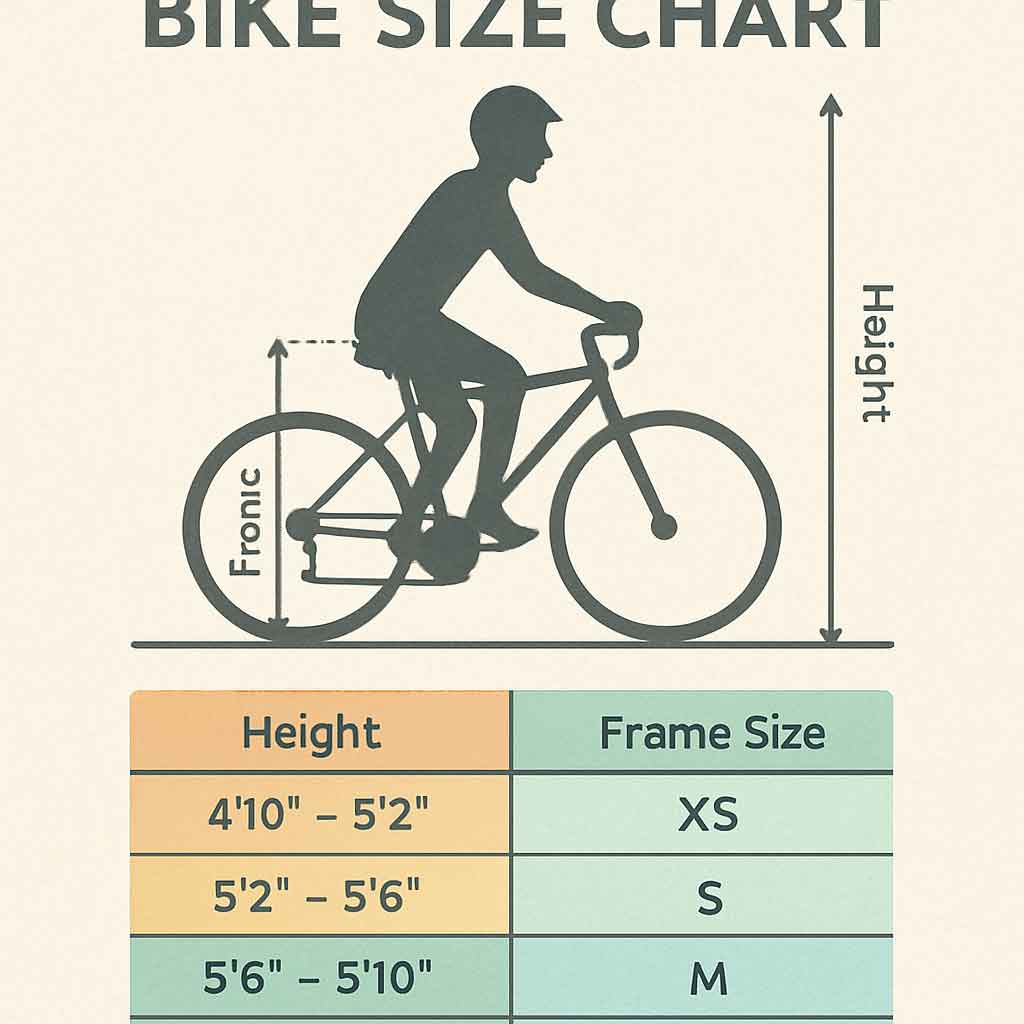
The tables below apply to road bikes, mountain bikes, hybrid/commuter bikes, and kids' bikes. Sizing varies by brand, so always check the manufacturer's official geometry chart.
Road Bike Size Chart
| Rider Height | Inseam (cm) | Frame Size (cm) | Recommended Bike Type |
|---|---|---|---|
| 152–160 cm (5'0" – 5'3") | 66–71 cm | 47–49 cm | XS road / endurance |
| 160–168 cm (5'3" – 5'6") | 71–76 cm | 49–51 cm | S / compact road |
| 168–175 cm (5'6" – 5'9") | 76–81 cm | 51–53 cm | M / all‑round road |
| 175–183 cm (5'9" – 6'0") | 81–86 cm | 53–56 cm | L / race or endurance |
| 183–190 cm (6'0" – 6'3") | 86–91 cm | 56–58 cm | XL / aero road |
| 190–198 cm (6'3" – 6'6") | 91–96 cm | 58–61 cm | XXL / custom frame |
Mountain Bike Size Chart (Cross‑Country, Trail & Enduro)
| Rider Height | Inseam (cm) | Frame Size (inches) | Sizing Label |
|---|---|---|---|
| 152–160 cm (5'0" – 5'3") | 66–71 cm | 13–14" | XS |
| 160–168 cm (5'3" – 5'6") | 71–76 cm | 14–16" | S |
| 168–175 cm (5'6" – 5'9") | 76–81 cm | 16–17" | M |
| 175–183 cm (5'9" – 6'0") | 81–86 cm | 17–18" | L |
| 183–190 cm (6'0" – 6'3") | 86–91 cm | 18–20" | XL |
| 190–198 cm (6'3" – 6'6") | 91–96 cm | 20–22" | XXL |
Kids' Bike Size Chart (Based on Wheel Size)
| Age Range | Rider Height | Inseam (cm) | Wheel Size | Bike Type |
|---|---|---|---|---|
| 2–4 years | 85–100 cm | 30–38 cm | 12 inch | Balance or pedal bike |
| 4–6 years | 100–115 cm | 38–46 cm | 14–16 inch | First pedal bike |
| 6–9 years | 115–130 cm | 46–53 cm | 20 inch | Lightweight kids' MTB |
| 9–12 years | 130–150 cm | 53–63 cm | 24 inch | Junior trail / road bike |
| 12+ years / teens | 150–165 cm | 66–71 cm | 26 inch or XS adult frame | Entry adult MTB / gravel |
Understanding Bike Geometry: Top Tube, Seat Tube & Stand‑Over Height
Numbers don't guarantee comfort. Two bikes with the same “size” label can feel completely different, depending on their geometry. Here are the key measurements to watch:
- Seat tube length – the traditional frame size indicator (center of bottom bracket to top of seat tube). Affects how high the saddle can be placed.
- Top tube length (effective reach) – the horizontal distance from head tube to seat tube. This largely determines how stretched out your upper body will be. A shorter top tube offers a more upright, comfortable position; a longer top tube gives a stretched, aerodynamic race position.
- Stand‑over height – the height of the top tube from the ground. You should have 2–5 cm clearance for road/gravel bikes, 5–10 cm for mountain bikes.
- Reach & stack – modern measurements that describe the frame's size regardless of seat tube angle. Reach is the horizontal distance from bottom bracket to head tube; stack is the vertical distance. For aggressive riders: longer reach, lower stack. For endurance/comfort: shorter reach, higher stack.
Special Considerations: Bike Sizes for Women, Seniors & Shorter Riders
Some brands offer women‑specific geometry (shorter top tube, taller head tube, narrower handlebars). However, many unisex frames work well – just adjust the stem and saddle.
- Shorter riders (under 152 cm / 5'0") – Look for 650c or 24" wheel road bikes, some frame manufacturers produce XXS gravel frames.
- Seniors or riders with back/neck issues – Choose a higher stack / shorter reach frame (e.g., endurance road or hybrid). A very stretched racing position often causes discomfort.
- Mixed body proportions – If you have long legs but a short torso, you may need a smaller frame with a longer seatpost and shorter stem.
How to Use an Online Bike Size Calculator
Our dynamic calculator is currently unavailable due to platform limitations.
Instead, we recommend using an external bike size calculator that takes height, inseam, and bike type, e.g., from a reputable cycling retailer or manufacturer.
Frequently Asked Questions (FAQs)
Can I ride a bike that's one size too small?
What if I am between two sizes?
Do gravel bikes have the same sizing as road bikes?
Ready for Your Perfect Fit?
A correctly sized frame is the foundation of every enjoyable ride. Use the charts above, double‑check with a test ride, and don't hesitate to adjust contact points (stem, handlebar, saddle). If you're still uncertain, contact our team – we help riders and brands find the right frame every day.