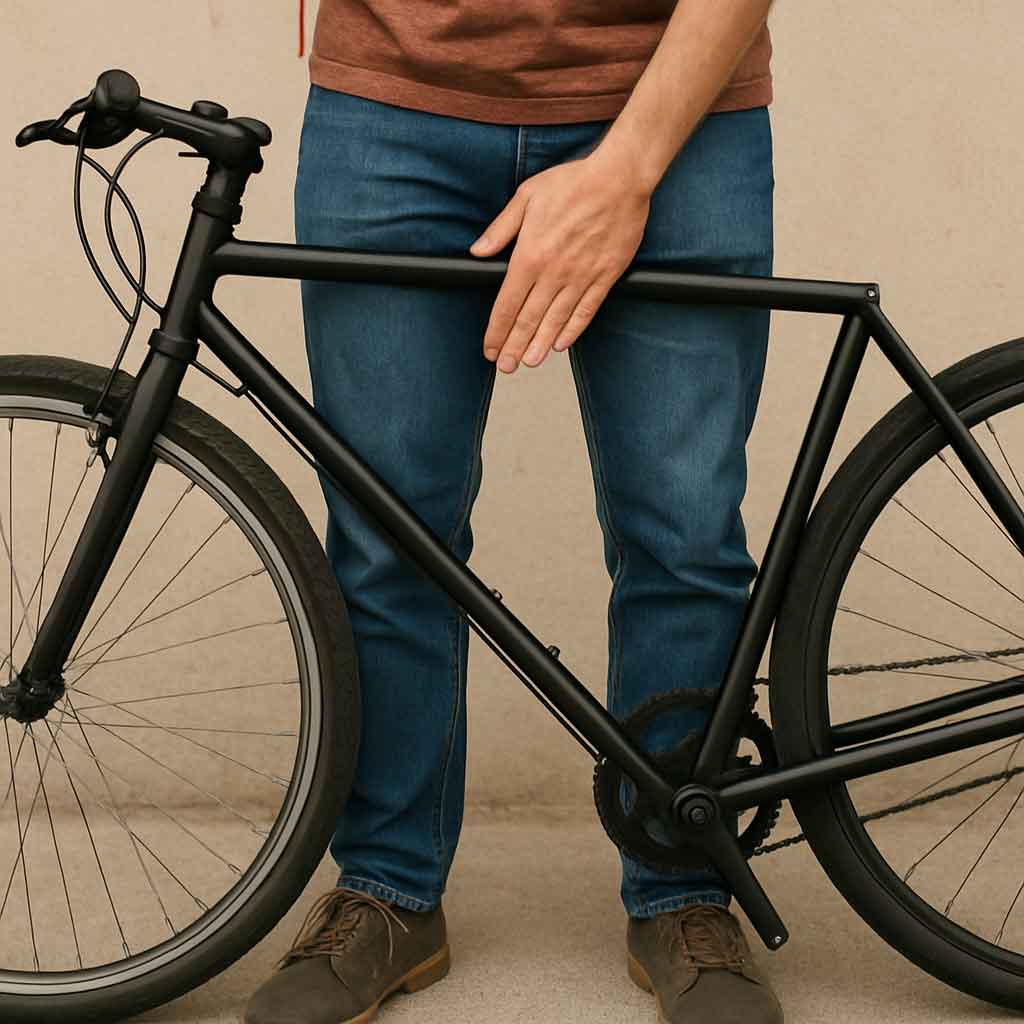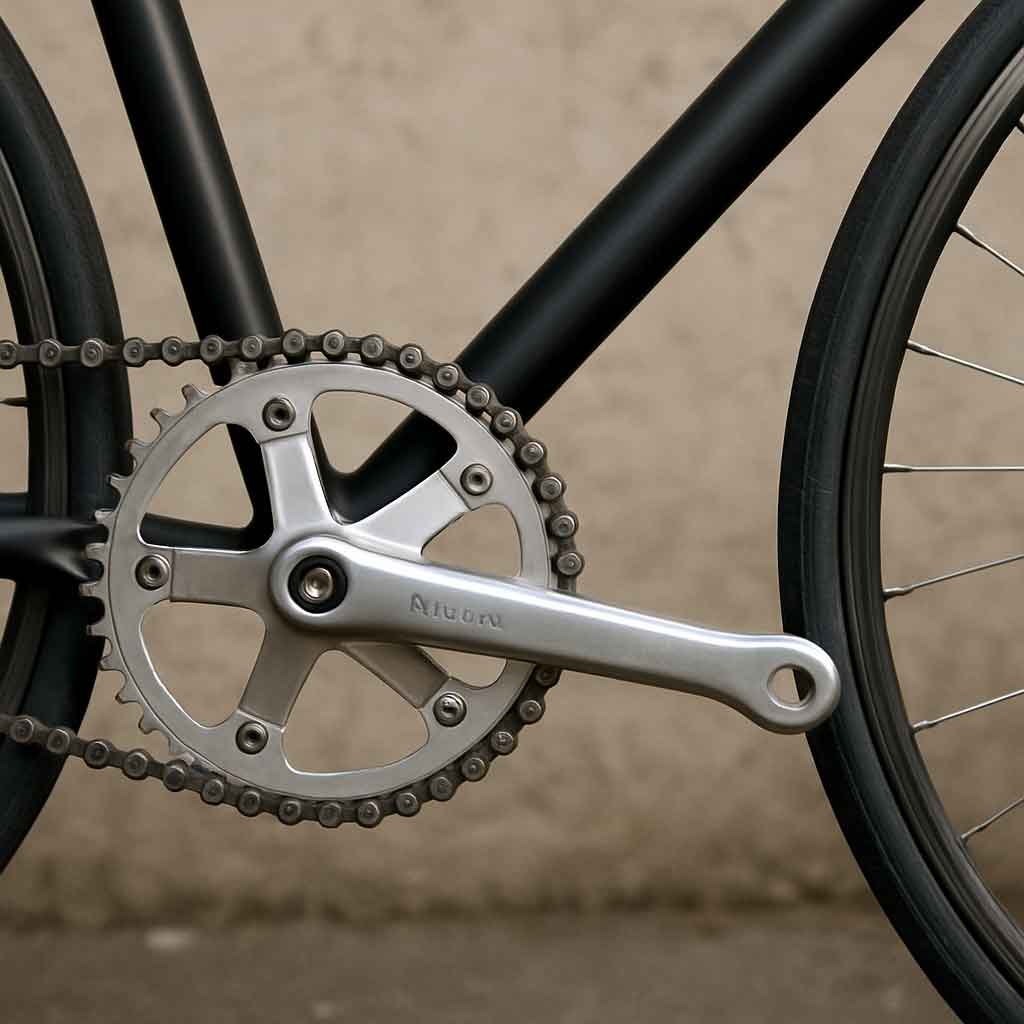

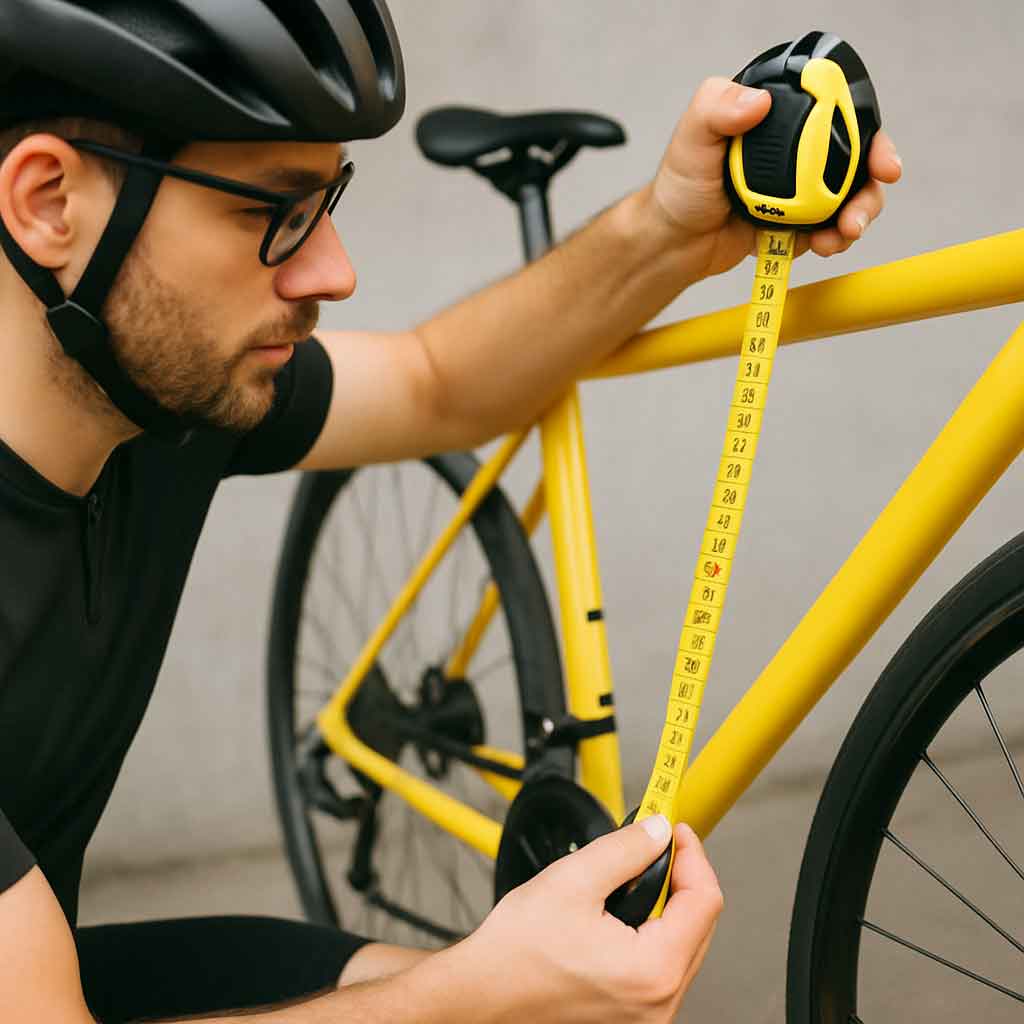
Knowing how to measure bike frame size correctly is the most important step before buying a bicycle. An ill‑fitting frame leads to discomfort, back or knee pain, poor handling, and even safety risks. In this guide, you'll learn how do I measure bicycle frame size using simple tools – a tape measure, a book, and a wall. We also provide size charts for road bikes, mountain bikes, and gravel bikes, plus expert tips to avoid common mistakes.
⚡ Quick Navigation
➡️ Why Size Matters | How to Measure Inseam
➡️ Road Bike Size Chart | Mountain Bike Size Chart
➡️ Gravel Bike Sizing | FAQ (Between sizes, women's frames, etc.)
Why Proper Frame Size is Critical
Many riders ask “how do I measure bicycle frame size” only after experiencing pain or discomfort. A correctly sized frame:
- Prevents knee and back strain – correct leg extension reduces joint stress.
- Improves handling – a frame that fits you makes steering intuitive and stable.
- Increases power transfer – you can pedal more efficiently without having to over‑reach.
- Enhances safety – proper stand‑over height prevents injuries during sudden stops.
Fortunately, measuring a bike frame is not complicated. You only need a tape measure and a few minutes.
Step 1: How to Measure Your Inseam (Most Important Measurement)
The inseam is the distance from your crotch to the floor. It determines the minimum stand‑over height and is the foundation of every reliable frame size calculation.
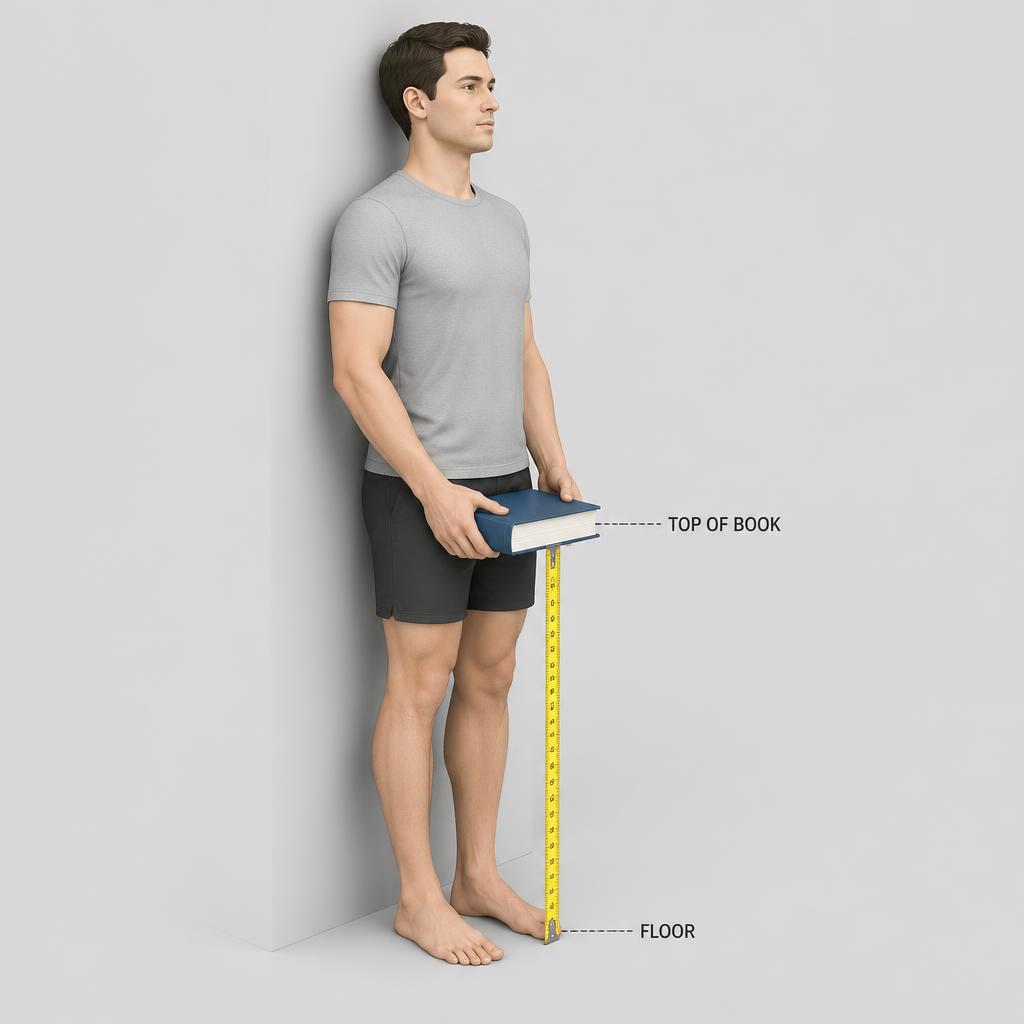
- Stand against a wall with bare feet about 6 inches (15 cm) apart.
- Place a hardcover book between your legs, spine upward, as if you were sitting on a bike saddle. Pull it firmly against your crotch.
- Have someone mark the wall at the top of the book while you stand straight.
- Measure from the floor to the mark in centimeters (or inches).
- Repeat twice and take the average for accuracy.
Road Bike Frame Size Chart (cm & inches)
Road bikes are traditionally sized by the seat tube length (center of bottom bracket to top of seat tube). Use this chart based on your inseam or height.
| Rider Height | Inseam (cm) | Frame Size (cm) | Typical Label |
|---|---|---|---|
| 152–160 cm (5'0" – 5'3") | 66–71 cm | 47–49 cm | XXS – XS |
| 160–168 cm (5'3" – 5'6") | 71–76 cm | 49–51 cm | XS – S |
| 168–175 cm (5'6" – 5'9") | 76–81 cm | 51–53 cm | S – M |
| 175–183 cm (5'9" – 6'0") | 81–86 cm | 53–55 cm | M – L |
| 183–190 cm (6'0" – 6'3") | 86–91 cm | 55–58 cm | L – XL |
| 190–198 cm (6'3" – 6'6") | 91–96 cm | 58–61 cm | XL – XXL |
Quick formula: Road frame (cm) = Inseam (cm) × 0.67.
Mountain Bike Frame Size Chart (inches & S/M/L/XL)
MTB frames are often given in inches or letters (S, M, L, XL). The stand‑over height is especially critical for off‑road riding.
| Rider Height | Inseam (cm) | Frame Size (inches) | Sizing Label |
|---|---|---|---|
| 152–160 cm (5'0" – 5'3") | 66–71 cm | 13–14″ | XS |
| 160–168 cm (5'3" – 5'6") | 71–76 cm | 14–16″ | S |
| 168–175 cm (5'6" – 5'9") | 76–81 cm | 16–17″ | M |
| 175–183 cm (5'9" – 6'0") | 81–86 cm | 17–18″ | L |
| 183–190 cm (6'0" – 6'3") | 86–91 cm | 18–20″ | XL |
| 190–198 cm (6'3" – 6'6") | 91–96 cm | 20–22″ | XXL |
MTB formula: Frame (inches) = Inseam (inches) × 0.59.
Gravel Bike Sizing – Between Road and MTB
Gravel bikes often use road bike sizing but with slightly shorter reach and higher stack for stability. Use the road chart as a starting point, then consider these adjustments:
- If you ride mostly pavement and smooth gravel – go with the road size.
- If you ride rough terrain, loaded bikepacking – size up by 1–2 cm (or one size larger) for a more stable and comfortable position.
- Always check stand‑over height – you should have at least 5 cm (2 inches) clearance for gravel bikes.
Step 2: Measure an Existing Frame (If You Already Own a Bike)
To determine the size of a frame you have, follow these steps:
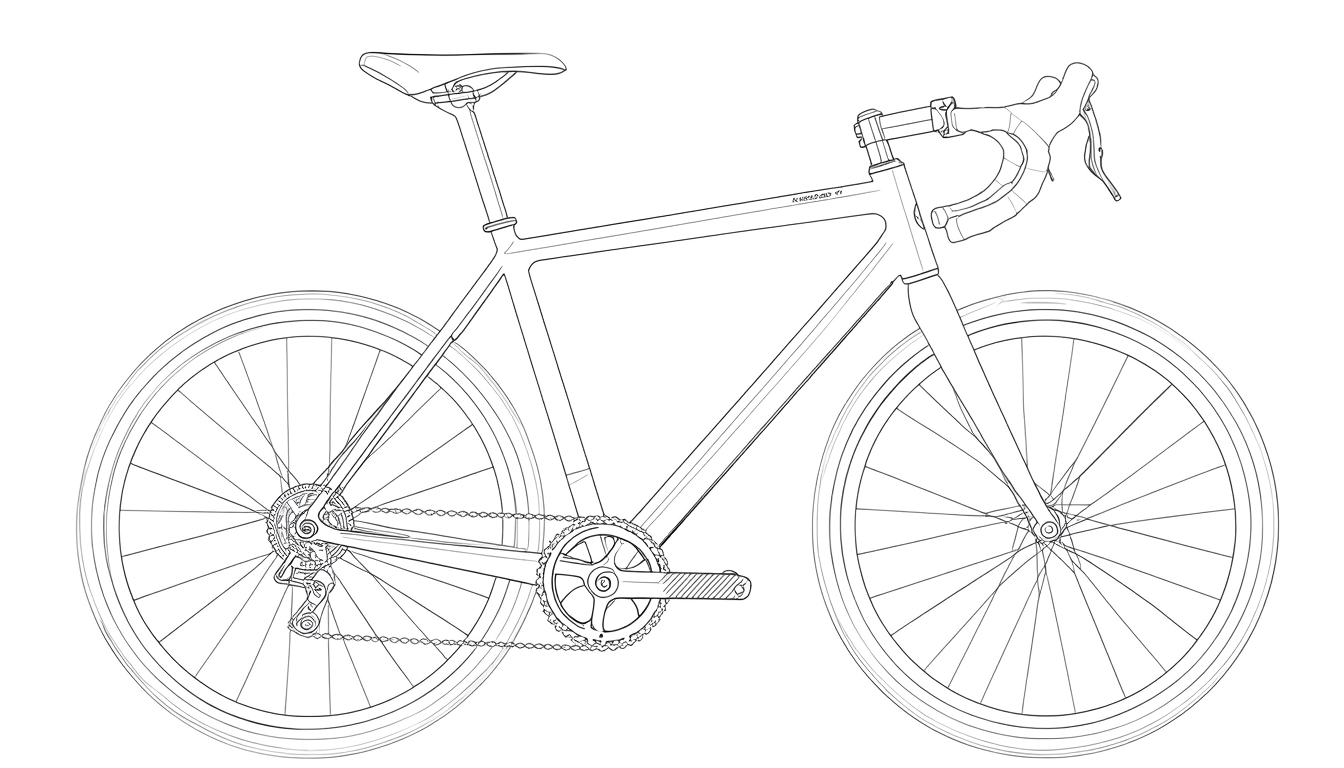
- Seat tube length – measure from the center of the bottom bracket to the top of the seat tube (where the seatpost inserts). This is the traditional frame size (in cm or inches).
- Top tube length (effective) – measure horizontally from the center of the head tube to the center of the seat tube. This affects your reach.
- Stand‑over height – stand over the top tube near the middle; you want 2–5 cm clearance for road, 5–10 cm for mountain bikes.
Common Mistakes When Measuring Bike Frame Size
- Using only height charts – two people of the same height can have very different leg lengths. Always use inseam first.
- Ignoring stand‑over height – a frame that doesn't clear your crotch is dangerous, especially on mountain bikes.
- Choosing a frame solely based on “comfort” in a parking lot – a bike that feels relaxed at low speed may feel too long or too short at speed. Test ride if possible.
- Not considering reach and stack – modern geometry uses these numbers to describe fit better than seat tube length alone.
Frequently Asked Questions About Bike Frame Sizing
What if I am between two frame sizes?
Do women need a different bike sizing method?
How do I measure frame size for a child’s bike?
Can I ride a bike that is one size too small?
Ready to Find Your Perfect Fit?
Now that you know how to measure bike frame size, you can confidently choose your next bicycle. If you are looking for a custom carbon frame – road, gravel, mountain, or e‑bike – Mondince Cycle offers full geometry customization. Contact our team for a personal consultation or explore our ready‑to‑build framesets.