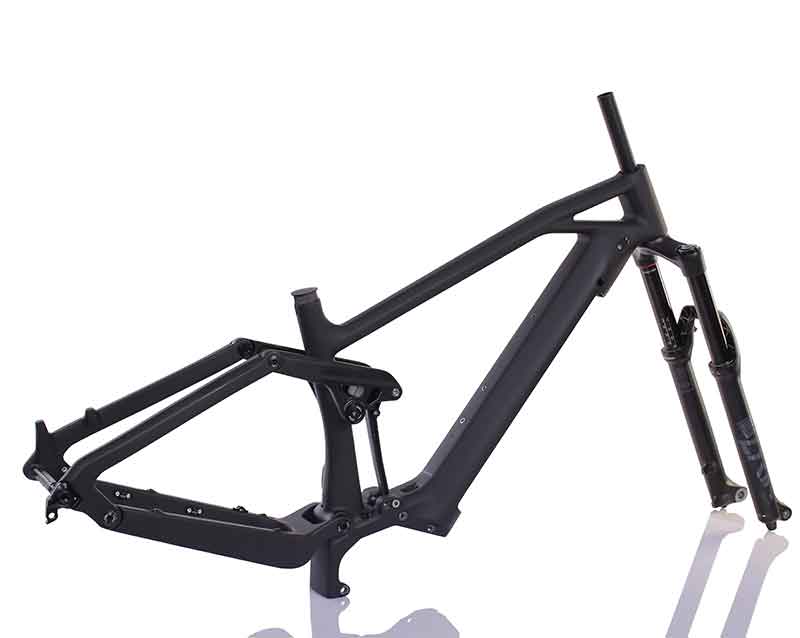

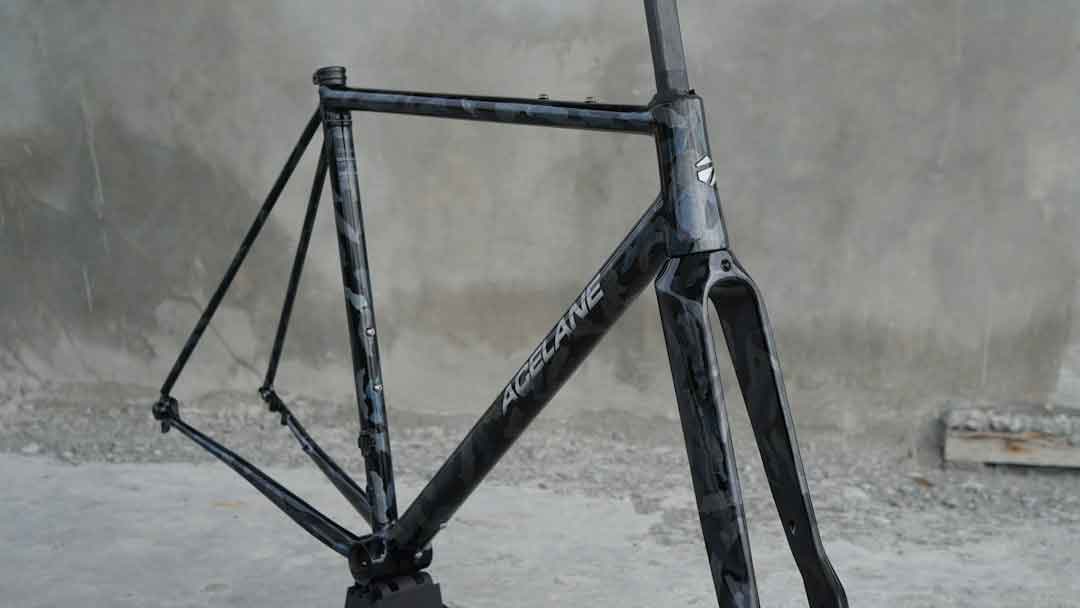
When searching for a carbon frame, you’ll often see phrases like “carbon frame EN tested” or “ISO 4210 certified”. But what do these standards really guarantee about your safety? And why do some manufacturers, like Mondince Cycle, voluntarily test their frames to 130% of the requirement? This guide explains the key tests—impact resistance, fatigue, and rigidness—and why exceeding the baseline makes a measurable difference.
⚡ Summary for the Busy Rider
✅ EN 14766 (mountain) and EN 14781 (road) define the baseline for impact & fatigue.
✅ ISO 4210 is the global safety reference—but it’s a MINIMUM requirement.
✅ Mondince tests every frame to 130% of ISO 4210 loads, giving you a wider safety margin.
✅ Toray T800/T1000 carbon, 130% testing, EFBE certification optional—Jump to Mondince standards ↓
What Does “Carbon Frame EN Tested” Actually Mean?
Carbon frame EN tested refers to bicycle frames that have passed the European Norm (EN) safety standards. The specific standard depends on the bike type:
- EN 14781 – Applies to road racing bikes. Tests include: frame fatigue with pedaling forces (1100 N for 100,000 cycles), impact resistance, and fork rigidity[1][2].
- EN 14766 – Applies to mountain bikes. Tests use heavier loads (1200 N for 100,000 cycles) to simulate off‑road abuse[3].
- ISO 4210 – The international equivalent, harmonized with EN standards, covering impact, fatigue, and rigidness. Every Mondince frame is tested to 130% of ISO 4210 loads – significantly above the required limit[4].
Why These Tests Matter for Your Safety
Passing EN or ISO certification means a frame has survived laboratory simulations of real‑world abuse:
- Impact test – A heavy striker is dropped onto the frame to ensure there is no catastrophic crack after a large rock strike or crash.
- Fatigue test – The frame is cyclically loaded (100,000+ repetitions) to make sure it won’t develop hidden cracks after months or years of riding.
- Rigidness test – Measures how much the frame bends under the pedaling forces and steering inputs; high rigidity means better power transfer and precise handling[5].
A frame that meets these standards is safe and predictable. A frame that exceeds them—like every Mondince frame, which is tested to 130% of ISO 4210 loads—offers an even greater safety margin[6].
Mondince Testing Standards – Proven Performance
At Mondince Cycle, we don’t just “meet” EN and ISO requirements – we deliberately exceed them. Every frame we manufacture is put through a rigorous test protocol that includes:
- 130% ISO 4210 test loads – All frames pass testing at 1.3 times the standard requirement, verified by independent third‑party reports. This applies to all road, gravel, mountain, and e‑bike frames we produce[4].
- Premium Toray T800 & T1000 carbon – We use aerospace‑grade raw materials that provide the stiffness and strength needed to survive severe impacts[7].
- Optional EFBE certification – For customers who need the highest level of independent validation, we can submit frames to the German EFBE laboratory for Top Performance certification[8].
- Sampling testing in mass production – Even after the design passes, we pull 1‑2% of frames from normal production runs to retest, ensuring every batch meets our high standards[9].
Carbon vs Aluminum – Which Is Safer Under Real Testing?
| Property | Aluminum Frame | Mondince Carbon Frame (130% Tested) |
|---|---|---|
| Impact Damage Mode | Dents permanently | Dissipates energy; elastic recovery |
| Fatigue Life | Limited; unpredictable cracking | No fatigue limit; consistent stiffness |
| Certification Margin | Passes ISO 4210 at 100% | Passes at 130% – wider safety buffer |
Frequently Asked Questions About Carbon Frame Testing
What does “carbon frame EN tested” mean for a road bike?
Can a carbon frame break on the first crash?
Are Mondince frames certified by an independent lab?
Experience the Mondince Difference
When you buy a Mondince frame, you’re not just buying lightweight carbon fibre—you’re buying peace of mind backed by 130% ISO 4210 test loads, premium Toray carbon, and optional EFBE certification. Whether you need a custom geometry for your brand or a single frame for your personal build, contact us to discuss your project.
👉 Explore all carbon frames →
👉 Request ISO 4210 test reports or EFBE certification →
[1] EN 14781 Road test standard: 1100 N fatigue, 100,000 cycles.
[2] ISO 4210 is the international framework for bicycle safety, covering impact, fatigue and rigidness.
[3] EN 14766 Mountain test: 1200 N fatigue, 100,000 cycles.
[4] Mondince internal specification: all frames pass 130% ISO 4210 loads (Chinertown Forum, 2025).
[5] Rigidness test ensures the bottom bracket and head tube stay stiff under power.
[6] Testing at 130% ensures a safety margin well above the legal minimum.
[7] Toray T800/T1000 carbon fibre is used in Mondince lightweight frames.
[8] EFBE certification available upon request for qualifying orders.
[9] Sampling test during mass production follows established quality‑control procedures.