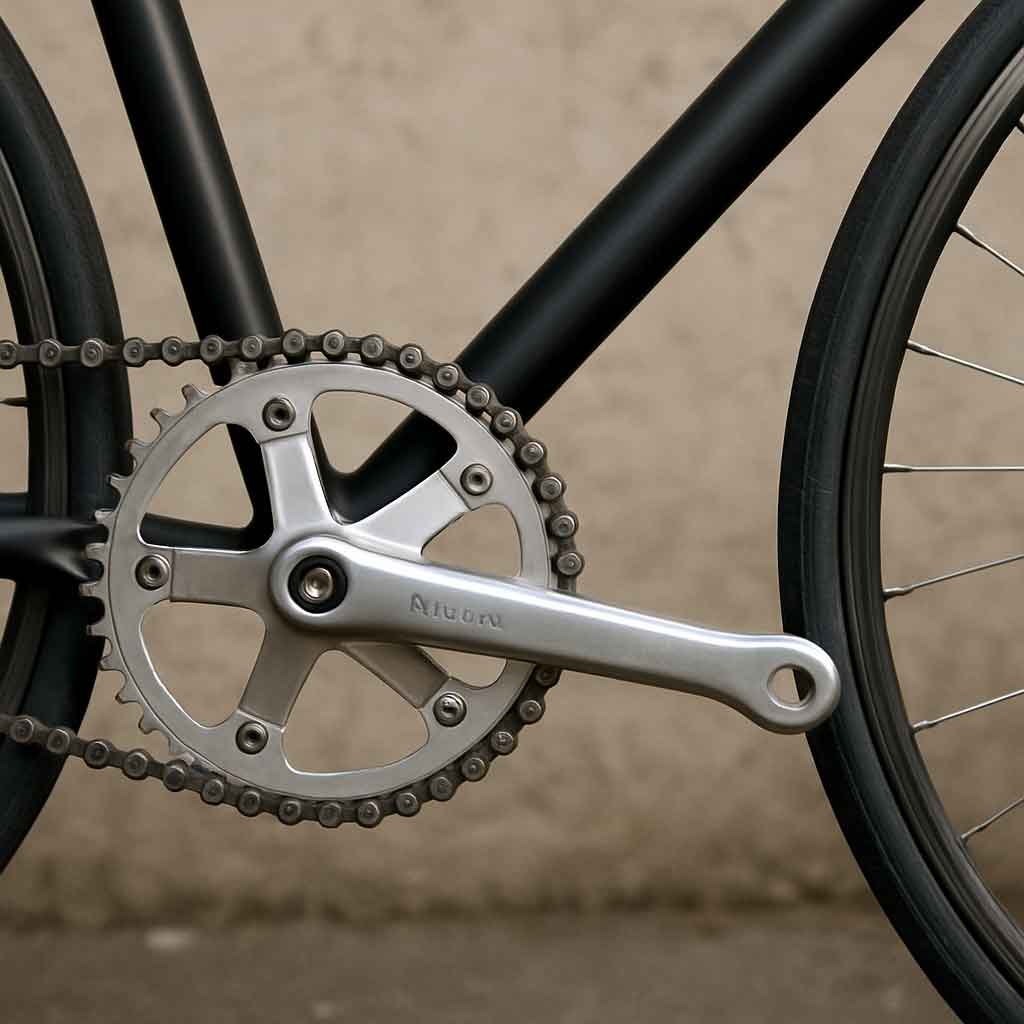

Choosing the right bike size is crucial for comfort, performance, and safety. Whether you're a seasoned cyclist or a beginner, knowing how to measure bike frames and understanding size charts can make all the difference. This guide will walk you through the essentials of bike frame sizes and measurements to help you find the perfect fit.
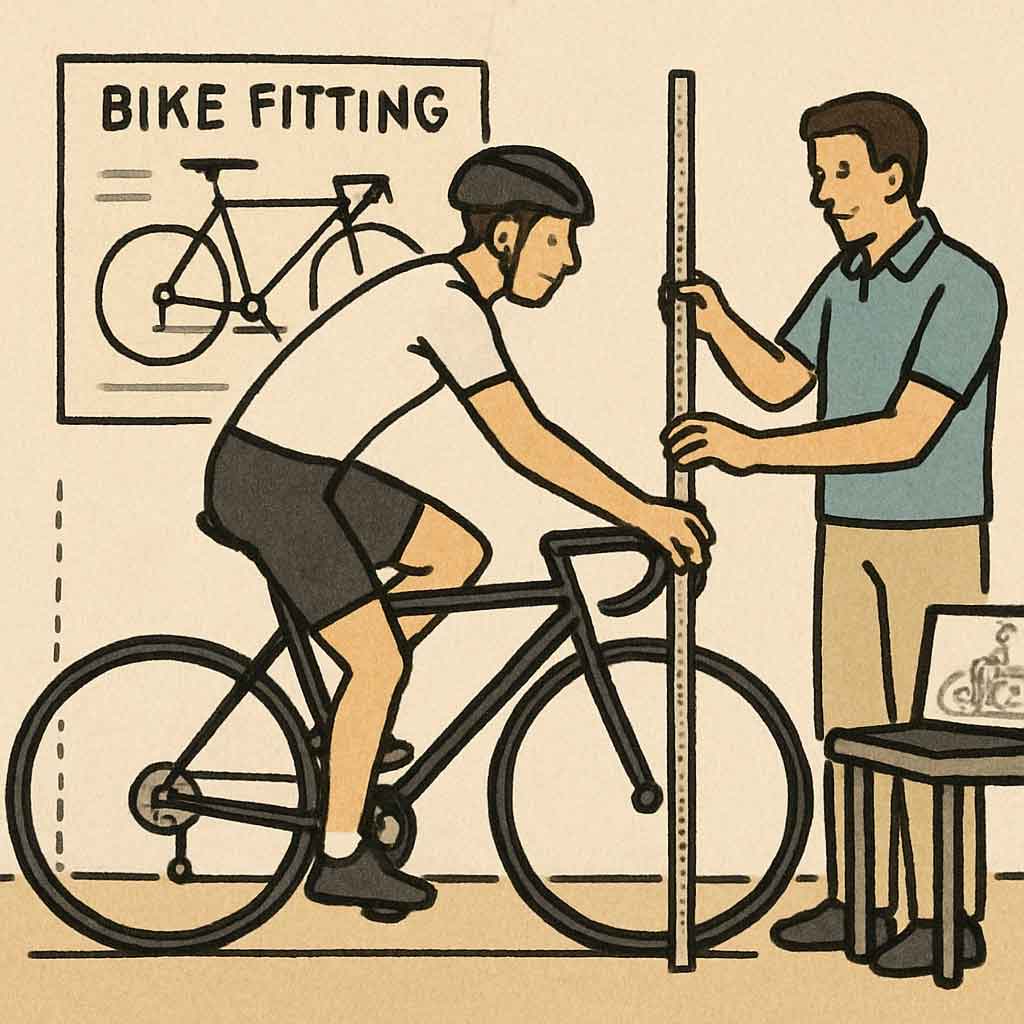
Why Bike Frame Size Matters
A bike that's too big or too small can lead to discomfort and inefficiency. The right frame size ensures that you can ride comfortably for longer periods and avoid unnecessary strain on your body. Moreover, it enhances your control and stability on the bike, which is essential for both leisurely rides and competitive cycling.
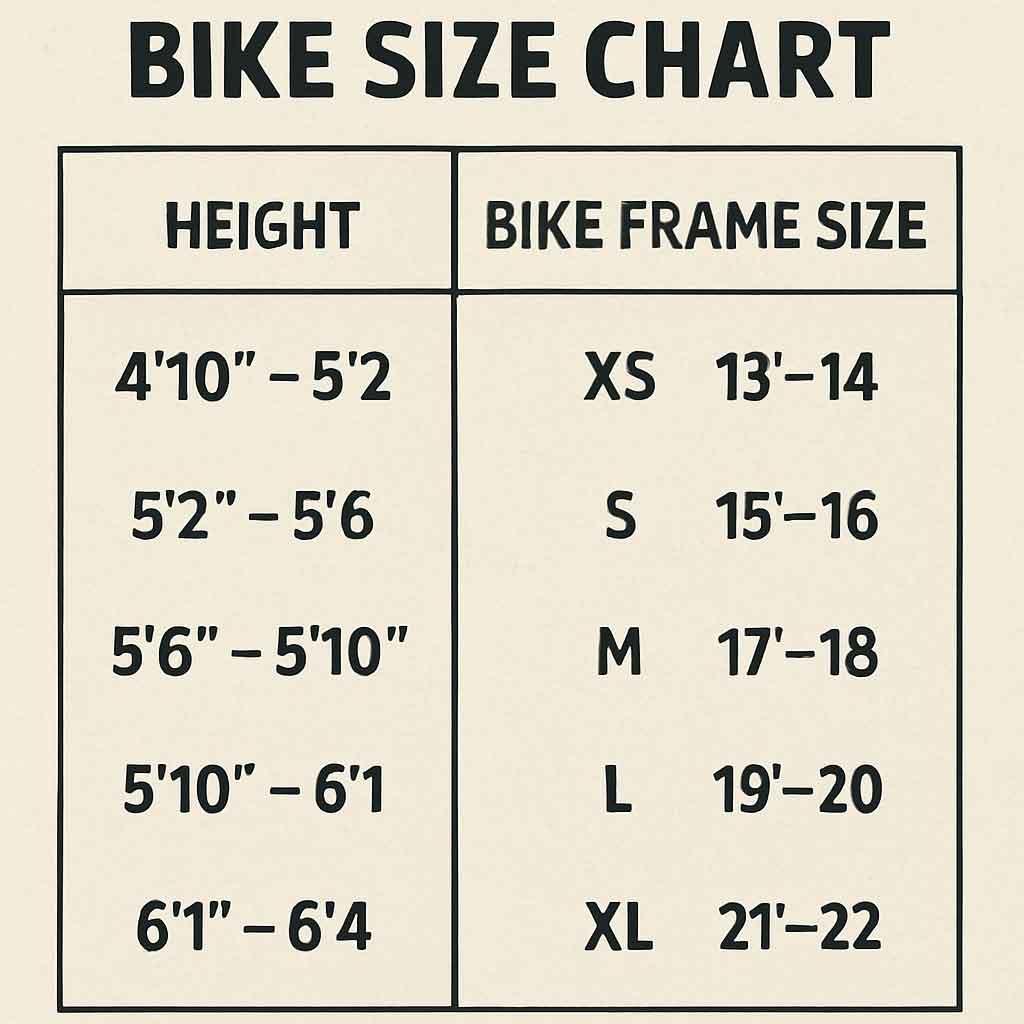
Understanding Bike Size Charts
Bike size charts are your first step in finding the right fit. These charts provide a general guideline based on your height and inseam length. However, it's important to remember that charts can vary between manufacturers, so they should be used as a starting point rather than a definitive answer.
How to Use a Bike Size Chart
To use a bike size chart effectively, you need to know your height and inseam measurement. Your inseam is the distance from the floor to your crotch, and it plays a critical role in determining the right bike size.
Here's a simple formula:
- Measure your inseam in centimeters.
- Multiply this number by 0.65 to get an approximate frame size in centimeters.
For example, if your inseam is 80 cm, multiply by 0.65 to get 52 cm. This means you should start looking at bikes with a frame size around 52 cm.
Variations in Bike Size Charts
Keep in mind that mountain bikes, road bikes, and hybrid bikes might have different sizing standards. It's always best to consult the specific brand's size chart and, if possible, test the bike in person.
How to Measure a Bike Frame
If you're considering buying a bike, knowing how to measure a bike frame is essential. Here's a step-by-step guide to help you measure accurately:
Step 1: Gather Your Tools
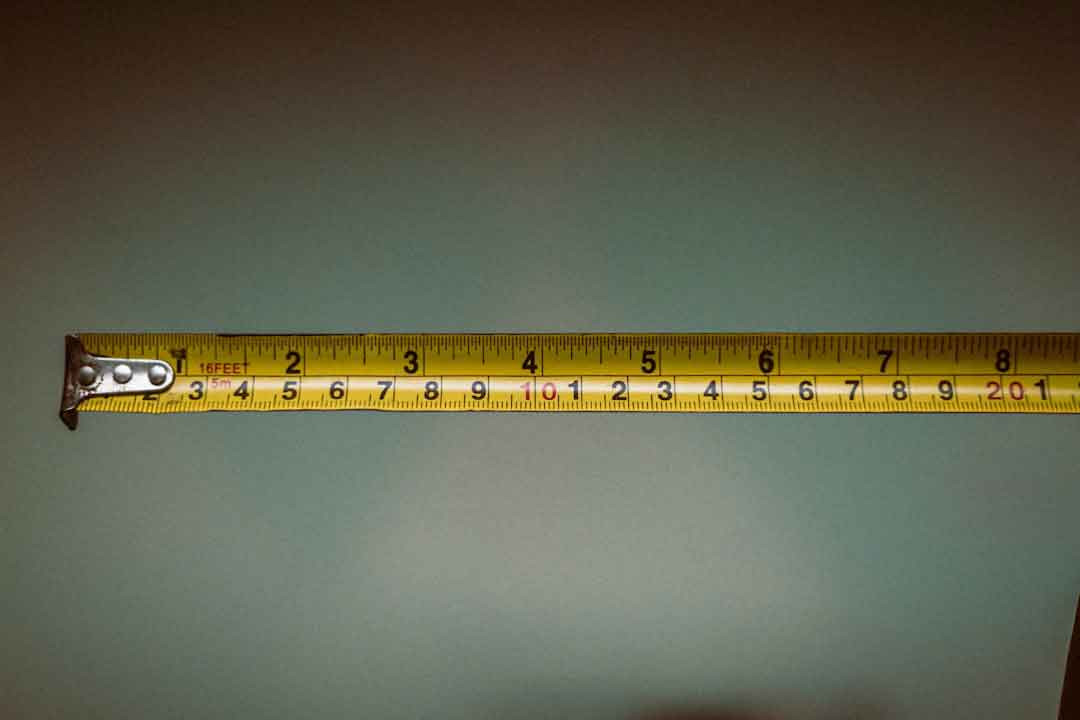
You'll need a tape measure and someone to assist you if possible. Ensure the bike is on a level surface.
Step 2: Measure the Seat Tube Length
The seat tube is the vertical part of the frame that holds the seat post. Measure from the center of the bottom bracket (where the pedals attach) to the top of the seat tube. This measurement is often listed in centimeters and is the primary indicator of the frame size.
Step 3: Consider the Top Tube Length
The top tube length is the horizontal part of the frame that runs from the seat tube to the head tube. This measurement affects your reach and comfort on the bike. Measure from the center of the seat tube to the center of the head tube.
Step 4: Check the Standover Height
Standover height is the clearance between the top tube and your body when you straddle the bike. There should be a comfortable gap of 1-2 inches for road bikes and 2-4 inches for mountain bikes.
What Size Bike Do I Need?
The question "What size bike do I need?" depends on several factors, including your height, inseam, and riding style. Here's a quick guide to help you determine the right size:
- For Road Bikes: Generally, your height and inseam will guide you to a frame size. A 54 cm frame, for example, may be suitable for someone around 5'8" to 5'10".
- For Mountain Bikes: These bikes often use inches rather than centimeters. A 26-inch bike, for instance, is typically recommended for riders between 5'4" and 5'7".
- For Hybrid Bikes: These combine elements of road and mountain bikes, so size may vary. Always refer to the specific brand's chart.
by josh A. D. (https://unsplash.com/@mista_j)
How to Choose a Bicycle Frame Size
Choosing the right frame size involves more than just measurements. Consider the following:
Riding Style
Your riding style can influence the best frame size for you. Competitive cyclists might prefer a more aggressive, smaller frame for aerodynamics, while casual riders might opt for a larger frame for comfort.
Frame Geometry
Frame geometry, including angles and tube lengths, affects how a bike handles. Test rides can help determine what feels best for you.
Personal Preference
Ultimately, comfort is subjective. What feels right for one person might not for another, so personal preference plays a crucial role.
Conclusion
Understanding bike frame sizes and measurements is key to finding the perfect bike for your needs. Use bike size charts as a guideline, measure accurately, and consider your riding style and preferences. With these insights, you're well on your way to choosing a bike that offers both comfort and performance.
Remember, the best way to ensure a good fit is to test ride different bikes and consult with professionals at your local bike shop. Happy cycling!