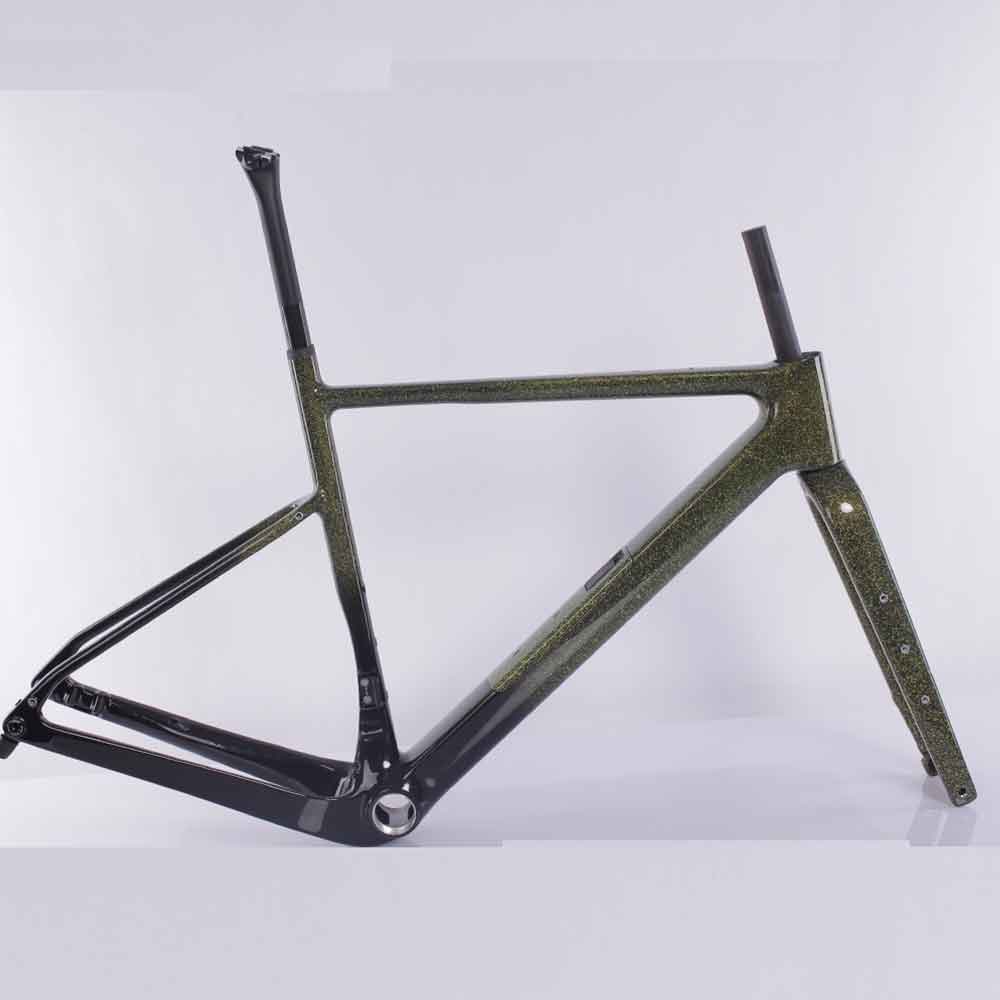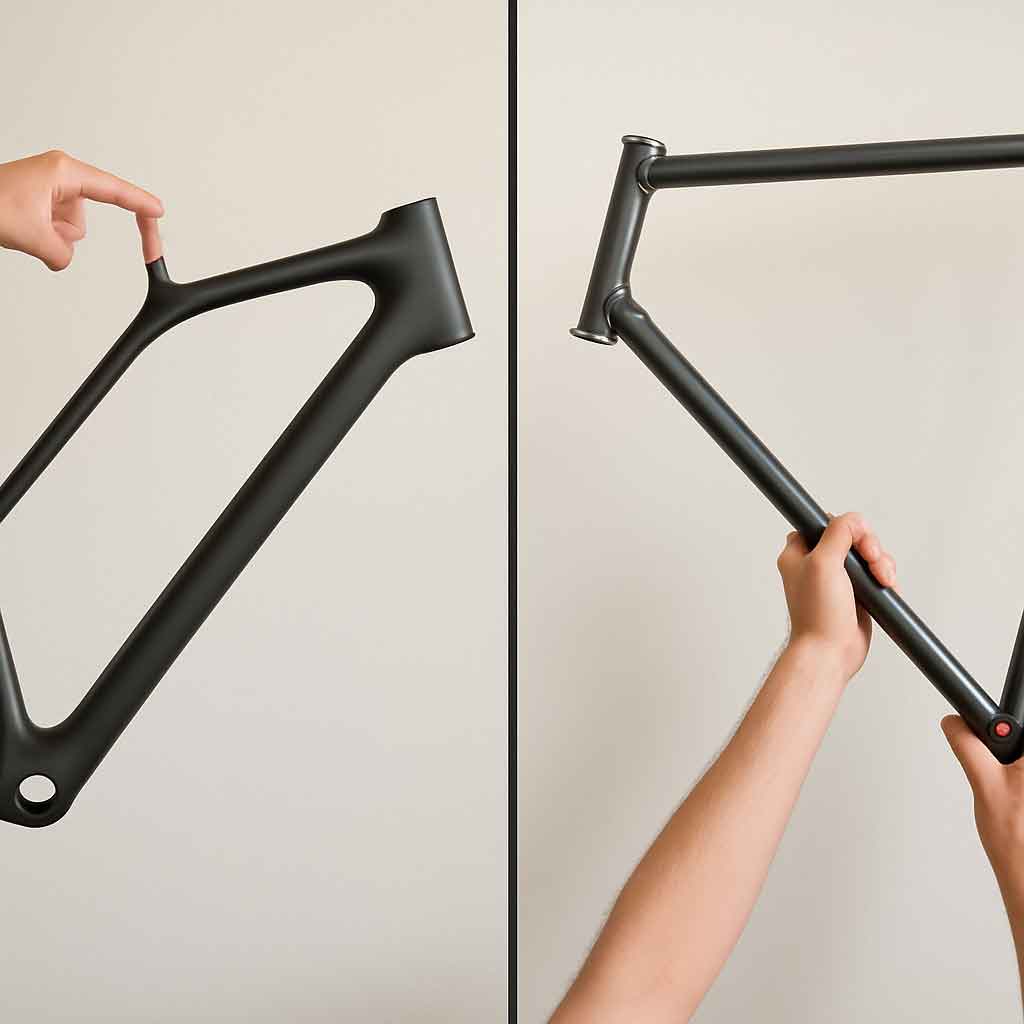

Gravel biking is an exhilarating way to immerse yourself in the great outdoors, seamlessly blending the adrenaline rush of mountain biking with the swift pace of road cycling. This dynamic cycling discipline offers not only a thrilling experience but also an opportunity to explore diverse terrains. However, to ensure that your gravel biking adventures remain smooth and trouble-free, regular maintenance is essential. Just like any other bicycle, gravel bikes demand consistent care to maintain optimal performance and safety. This article provides a comprehensive guide to crucial gravel bike maintenance tips, ensuring that your two-wheeled companion remains reliable and ready for countless explorations.
Understanding Gravel Bike Maintenance
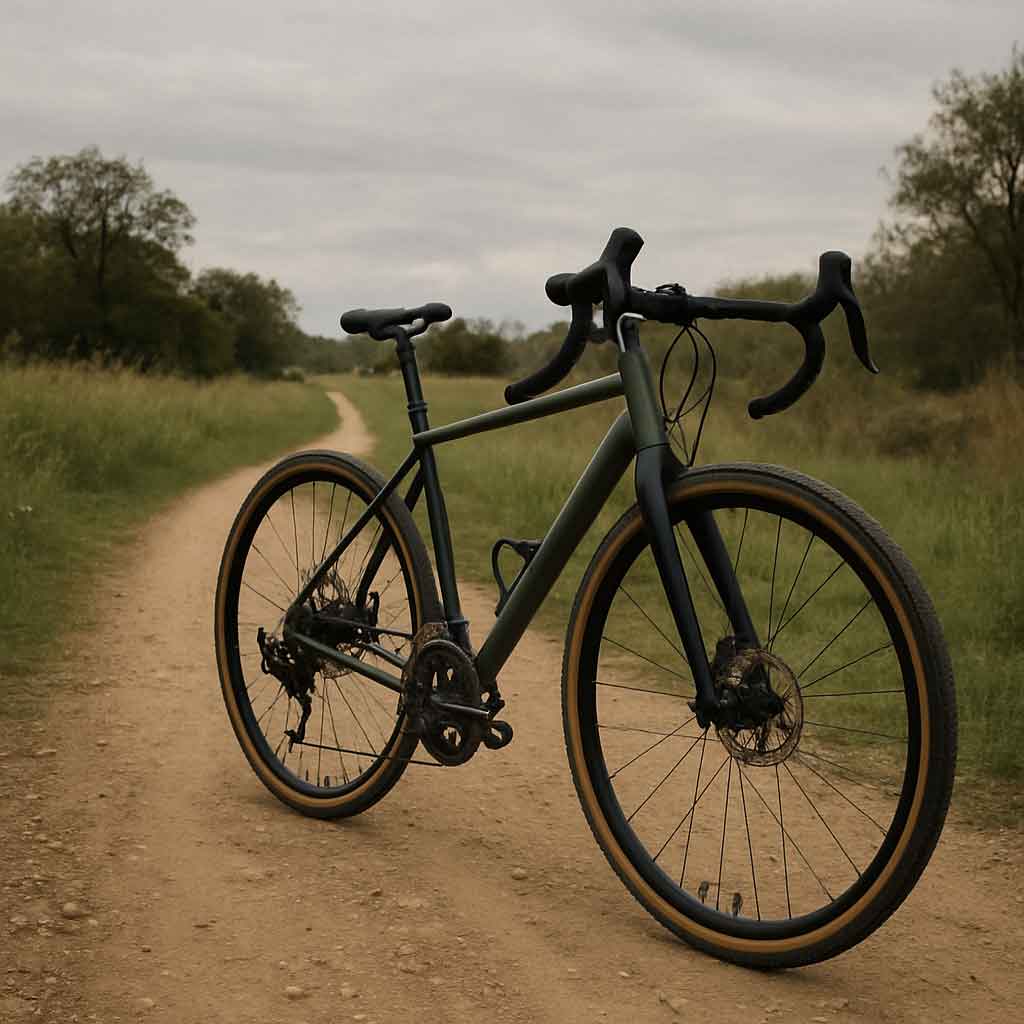
Gravel bike maintenance might seem daunting initially, but with the right guidance, it can be seamlessly integrated into your routine. Understanding the basic components and requirements of gravel bike maintenance is the first step towards ensuring longevity and reliability. Regular checks and cleanings play a pivotal role in preventing minor issues from escalating into significant, costly repairs. By focusing on areas prone to wear and tear, you can keep your bike in excellent condition, allowing you to enjoy every ride to the fullest.
Cleaning Your Gravel Bike
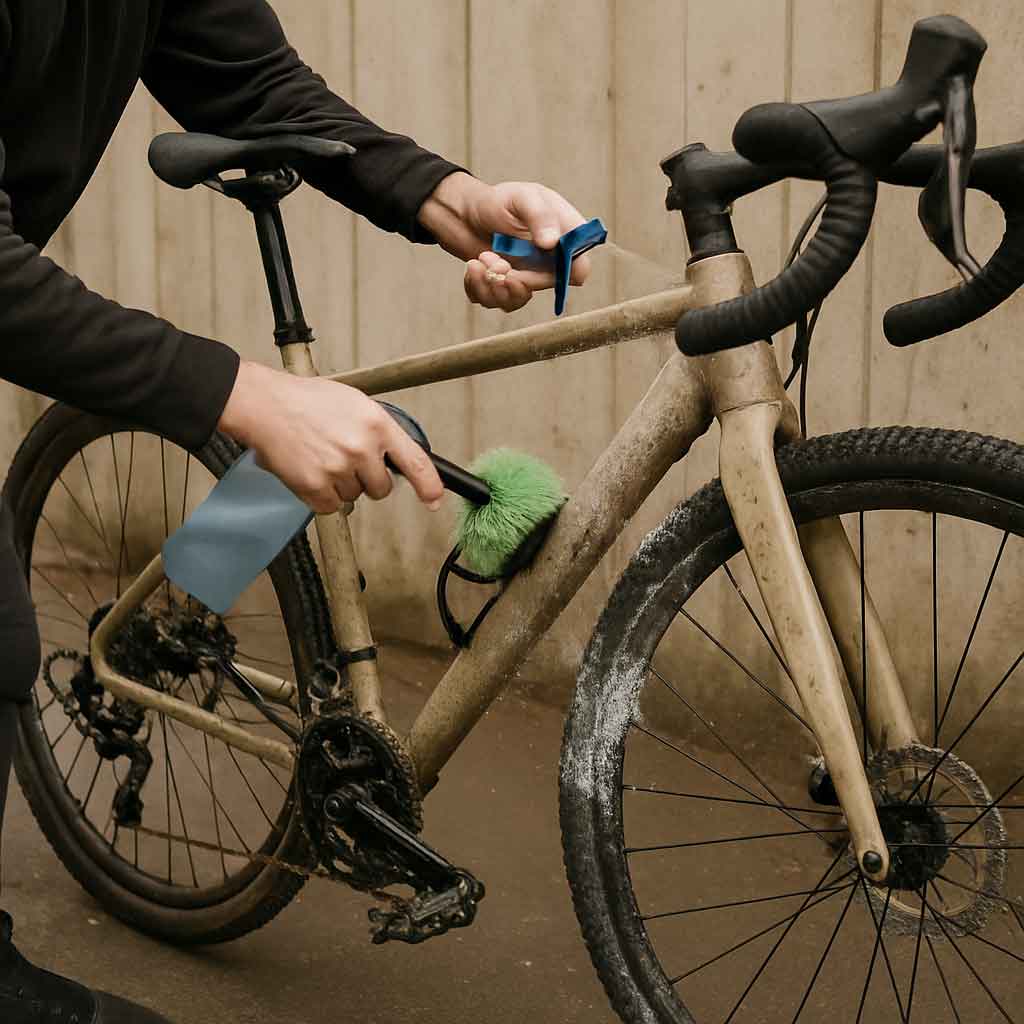
Dirt, mud, and debris are inevitable companions on gravel trails, often accumulating on your bike during rides. Regular cleaning is imperative not only for aesthetic reasons but also to prevent rust and ensure that components operate smoothly. A clean bike is not only more efficient but also less likely to experience mechanical failures.
- Rinse After Every Ride: After a gravel ride, it's essential to rinse off mud and dirt using a gentle spray of water. This simple action helps prevent the build-up of grime that can lead to rust and corrosion. It's important to avoid high-pressure sprays, which can force water into bearings and other sensitive parts, potentially causing damage.
- Use Bike-Specific Cleaners: To tackle stubborn grime, employ bike-specific cleaning solutions that are designed to be tough on dirt but gentle on your bike's finish. Harsh chemicals should be avoided as they can damage the bike's components and affect its overall performance. These specialized cleaners help maintain your bike's aesthetic appeal while ensuring functionality.
- Dry Thoroughly: After washing, make sure to dry your bike thoroughly with a soft cloth to prevent any moisture-related issues like corrosion. Pay special attention to the chain and drivetrain components, as these areas are particularly susceptible to rust. Ensuring that your bike is completely dry before storing it can significantly extend its lifespan.
Lubricating Your Bike
Lubrication is a crucial aspect of gravel bike maintenance, playing a vital role in minimizing friction and ensuring smooth operation. Proper lubrication not only enhances performance but also extends the lifespan of various components. By paying attention to key areas, you can keep your bike running smoothly and efficiently.
- Chain: The chain is one of the most critical components to keep well-lubricated. Apply a suitable bike chain lubricant to ensure it runs smoothly and efficiently. After application, wipe off any excess oil to prevent dirt and debris from sticking to the chain, which can cause wear and reduce performance.
- Derailleurs and Cables: Apply a few drops of lubricant to moving parts like derailleurs and cables. This practice ensures that these components function smoothly, reducing the risk of shifting issues and enhancing overall ride quality. Regularly lubricating these parts helps maintain precise and reliable shifting, especially on challenging terrains.
- Pivot Points: Check and lubricate pivot points on brakes and derailleurs to keep them responsive and functioning optimally. Proper lubrication of these areas ensures that your bike's braking system remains efficient, providing the stopping power needed for safe riding on gravel paths.
Regular Inspections
Conducting regular inspections is a proactive approach to bike maintenance, allowing you to identify potential problems before they become serious issues. By staying vigilant, you can catch wear and tear early, minimizing the risk of breakdowns during rides.
- Tires: Regularly inspect your tires for cuts, punctures, and proper inflation. Maintaining the correct tire pressure is crucial for optimal performance and safety. Replace worn-out tires promptly to ensure adequate traction and prevent flats, especially on rough terrain.
- Brakes: Ensure that your brake pads have enough material and are aligned correctly with the rims or rotors. Properly functioning brakes are essential for safety, especially on steep or technical descents. If the pads are worn, replace them to maintain effective braking performance.
- Chain and Drivetrain: Inspect the chain and drivetrain for wear and stretching. A worn chain can damage the cassette and chainrings, leading to costly repairs. Regularly checking these components and replacing them when necessary can save you from more significant issues down the line.
Gravel Bike Maintenance Schedule
Establishing a regular maintenance schedule is essential for keeping your bike in top condition. By adhering to a consistent routine, you can ensure that all components are functioning properly, allowing you to enjoy your rides with peace of mind.
- Weekly: Make it a habit to clean your bike, check tire pressure, and inspect the brakes weekly. These simple tasks help maintain optimal performance and safety, ensuring that your bike is ready for your next adventure.
- Monthly: On a monthly basis, lubricate the chain and moving parts, inspect the drivetrain, and check for loose bolts. This routine helps prevent wear and ensures that your bike continues to operate smoothly, reducing the risk of unexpected breakdowns.
- Seasonally: Conduct a deep clean of your bike, replace brake pads if needed, and check the overall condition of your bike seasonally. This comprehensive inspection helps identify any issues that may have developed over time, allowing you to address them before they affect your riding experience.
by Anton Savinov (https://unsplash.com/@tonchik)
Common Gravel Bike Issues and Solutions
Despite regular maintenance, gravel bikes can encounter issues, especially given the challenging terrains they navigate. Understanding common problems and their solutions can help you address issues promptly and effectively, minimizing disruptions to your rides.
Flat Tires
Flat tires are a common issue on rough gravel paths, where sharp rocks and debris can puncture the tubes. Always carry a spare tube, tire levers, and a mini pump to address flats on the go. Learning how to change a tire is an invaluable skill for any cyclist, enabling you to quickly get back on the trail without having to rely on others for help.
Chain Problems
Chains can slip or break, particularly if not properly maintained. Regular cleaning and lubrication are essential to prevent these issues. If you notice that your chain is worn or damaged, replace it promptly to avoid damaging other components, such as the cassette and chainrings. A well-maintained chain ensures smooth and efficient pedaling, enhancing your overall riding experience.
Brake Malfunction
Brakes are critical for safety, and any decrease in braking power should be addressed immediately. If you notice reduced braking efficiency, check the pads for wear and the cables for tension. Replace worn pads and adjust cables as needed to restore full braking efficiency. Properly functioning brakes are essential for confident riding, especially on challenging terrains.
Tools You'll Need
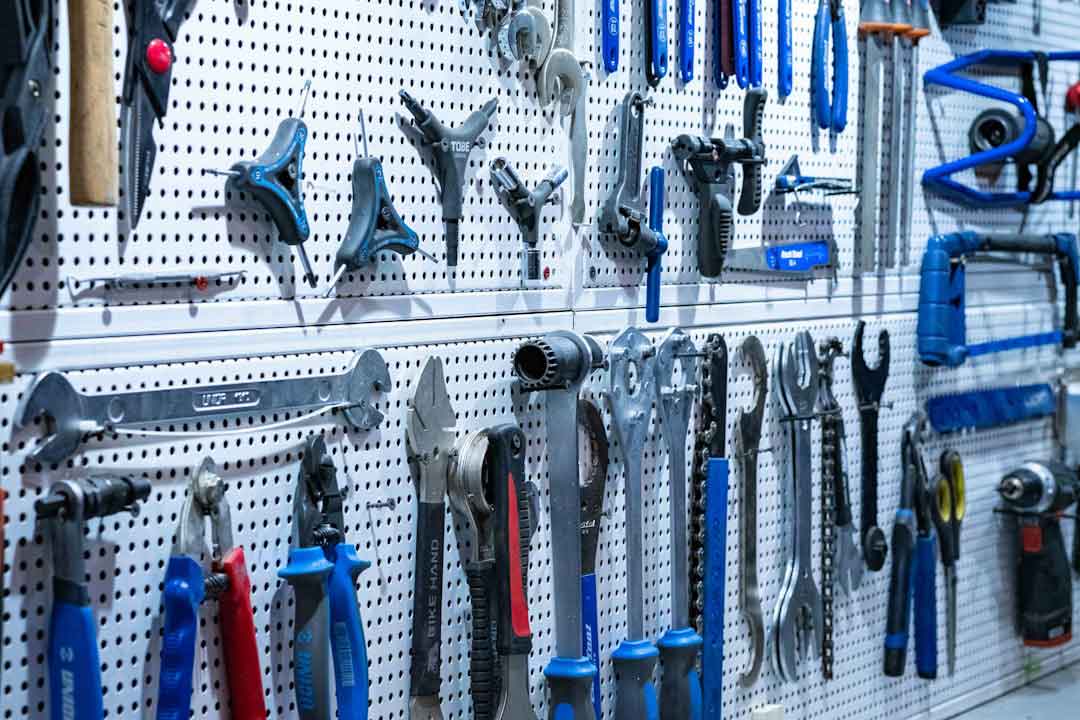
Having the right tools is essential for effective gravel bike maintenance. Equipping yourself with the necessary tools allows you to perform routine maintenance tasks and address issues as they arise, ensuring that your bike remains in optimal condition.
- Multi-tool with various hex keys: A multi-tool is a versatile and essential item for making adjustments and repairs on the go. It typically includes a variety of hex keys, screwdrivers, and other tools needed for basic maintenance tasks.
- Tire levers: These are indispensable for changing tires, allowing you to remove and replace tubes quickly and easily.
- Mini pump or CO2 inflator: A compact pump or CO2 inflator is essential for inflating tires after repairs or adjustments. Ensure that you have a reliable method for reinflating your tires during rides.
- Chain lubricant: A good quality chain lubricant is vital for maintaining your bike's drivetrain, reducing friction, and preventing premature wear.
- Cleaning brushes and cloths: These tools help you keep your bike clean and free from dirt and grime, preserving its appearance and functionality.
- Spare tubes and patch kit: Carrying spare tubes and a patch kit ensures that you're prepared for flats, allowing you to quickly get back on the trail.
Conclusion
Gravel biking offers a unique and rewarding experience, combining the thrill of cycling with the beauty of nature. By following these comprehensive maintenance tips, you can ensure that your gravel bike remains in excellent condition, ready to provide you with countless hours of enjoyment and adventure. Regular maintenance not only prolongs the life of your bike but also enhances your riding experience by keeping you safe and your bike performing at its best. So, gear up, hit those gravel trails, and ride with confidence, knowing that your bike is well-maintained and prepared for any challenge that comes your way.